Events and games
Ikebana composition (three main stems of the formal shoka shofutai style, Ikenobo)
The three main stems of a formal ikebana arrangement, set by the ratio of their lengths and the angle each one leaves at
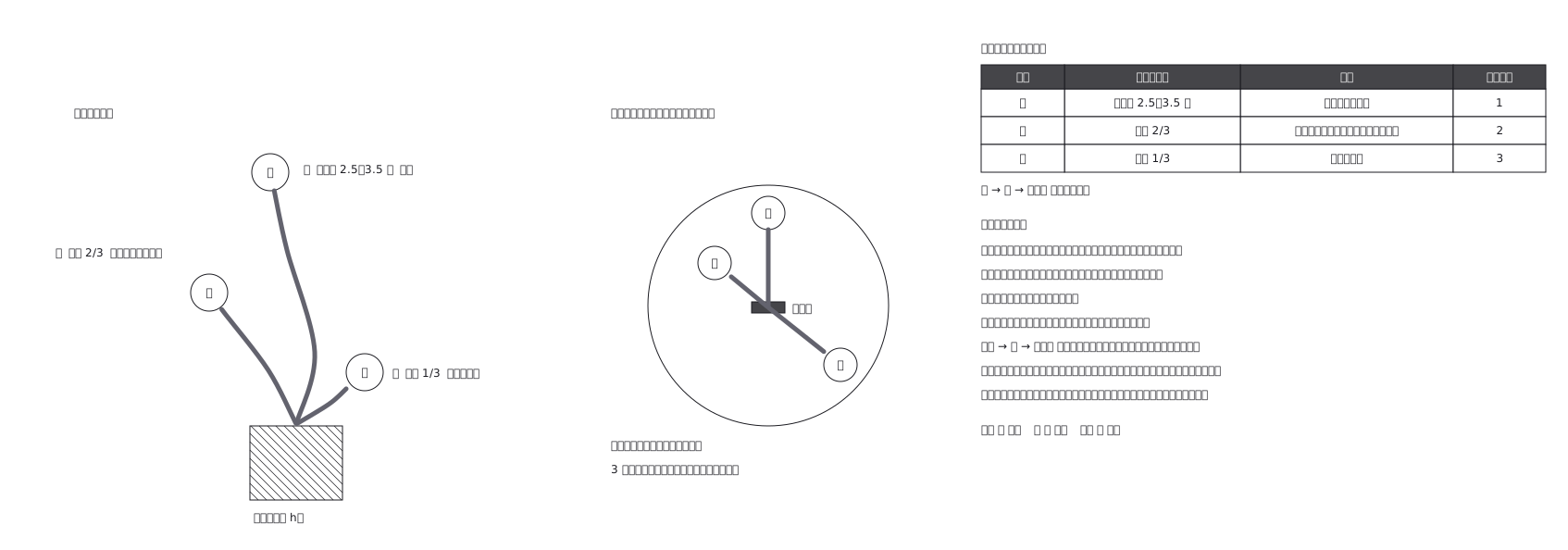
This drawing comes from one YAML file. No shape was moved by hand.
Notes in the source (in Japanese)
長さが比で決まる図。 花器の大きさが変われば、全部変わる。
真(しん)・副(そえ)・体(たい) の三つの役枝で組む。古来、万物の基礎と考えられてきた三才(天・地・人)になぞらえたもので、飾りではなく構造。
- 真 —— 花器の 2.5〜3.5 倍。作品の芯。奥へ- 副 —— 真の 2/3。真の曲がりに沿い後方へ(奥行きを出す)- 体 —— 真の 1/3。前方に低く
上から見ると不等辺三角形、手前から見ると奥側に真。正面図だけでは奥行きが決まらないので、平面図と組で描く。
真 → 副 → 体・控。 順番を変えると、比で決まる寸法が決まらない。
生花は花留を使って草木を自立させる様式(華道家元池坊「生花(しょうか)」https://www.ikenobo.jp/ikebanaikenobo/shoka/ 、真・副・体が三才になぞらえた三つの役枝であること、正風体が明治に規範として示されたことも同じ頁。取得 2026-10-04)。花留の種類(又木・一文字などの「こみ」)は池坊の教本で確かめていないので図では名前を出さない。剣山は明治に入って広まった道具とされる(ja.wikipedia「花留め」。二次資料)。長さの比(真=花器の 2.5〜3.5 倍、副=真の 2/3、体=真の 1/3)は一般の解説の目安で、池坊の教本の数値は確かめていない。
Source (YAML)
examples/gallery/121-生け花の構成図.zumen.yaml
More in this field
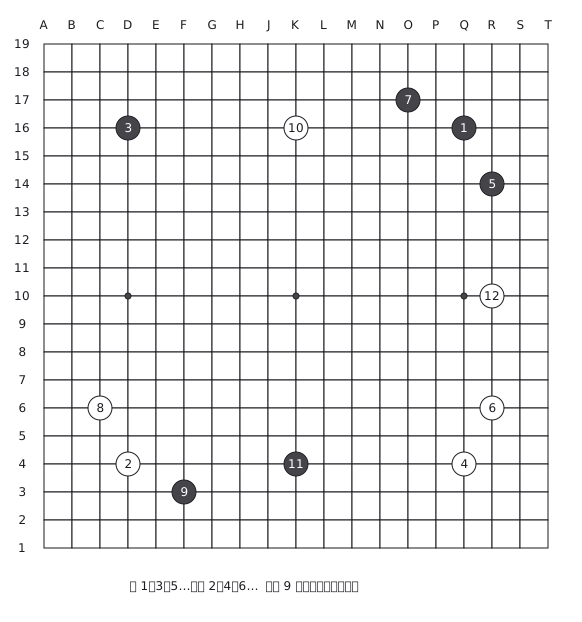 A game record on a 19-line go board where each stone carries the number of the move, showing the shape of the opening
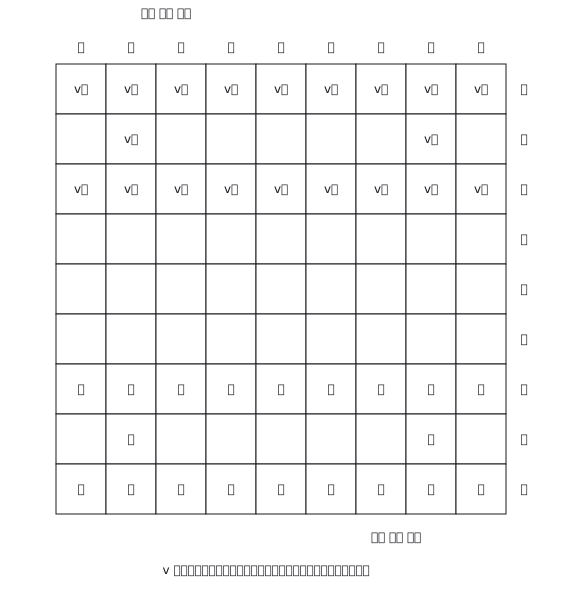 The starting position of shogi on a nine by nine board, the two sides told apart by which way the pieces point
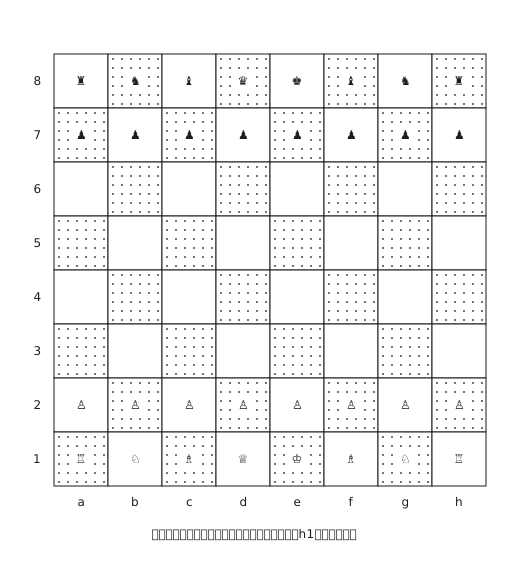 The starting position of chess on an eight by eight board, with the file and rank coordinates marked
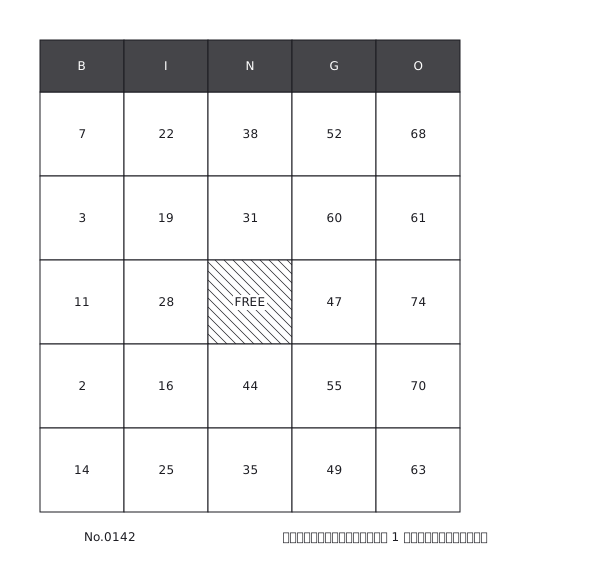 A bingo card, five by five with a free centre, where each column draws from its own range of numbers
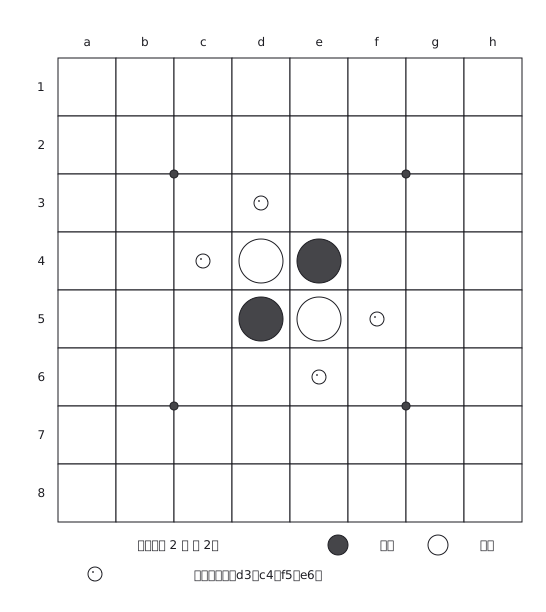 The opening position of reversi: four stones in the centre four squares, black and white alternating
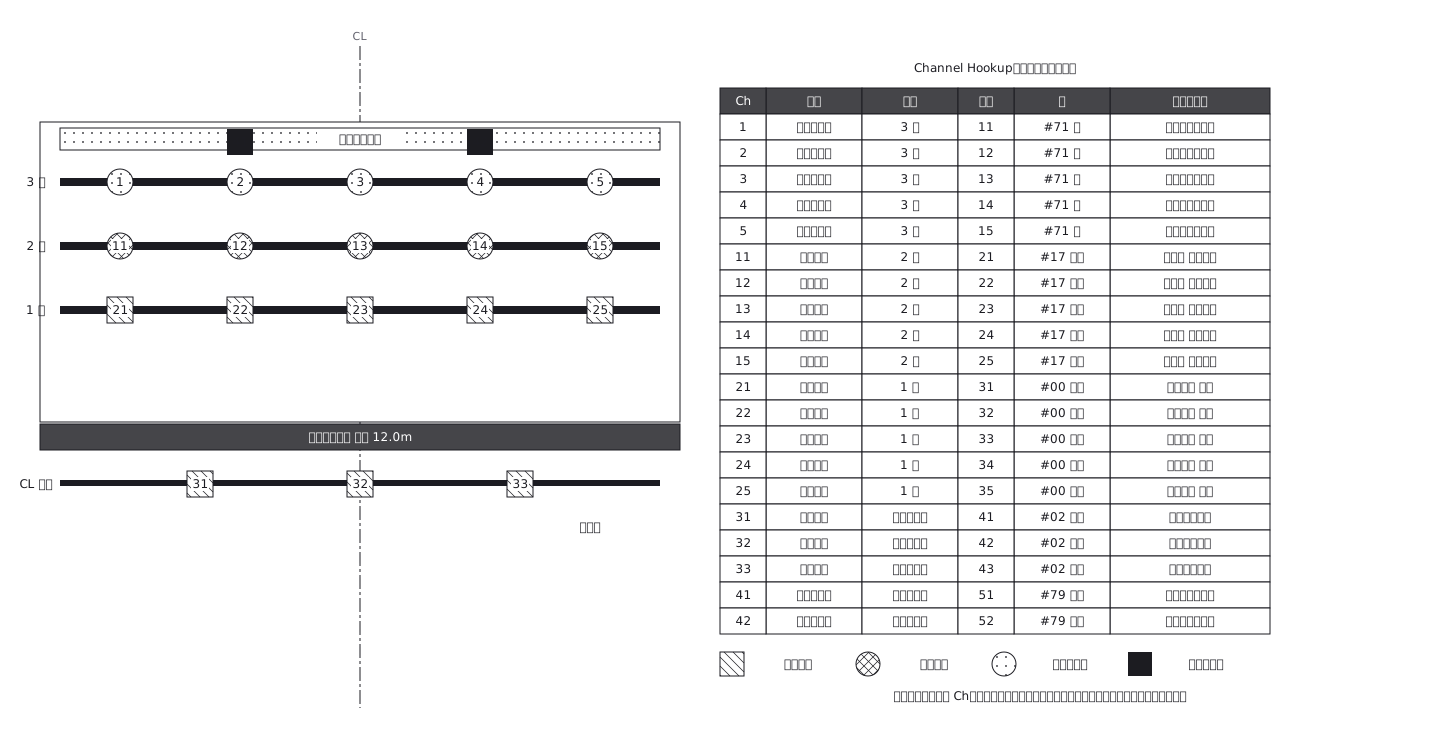 Theatrical lighting plot, with the channel schedule
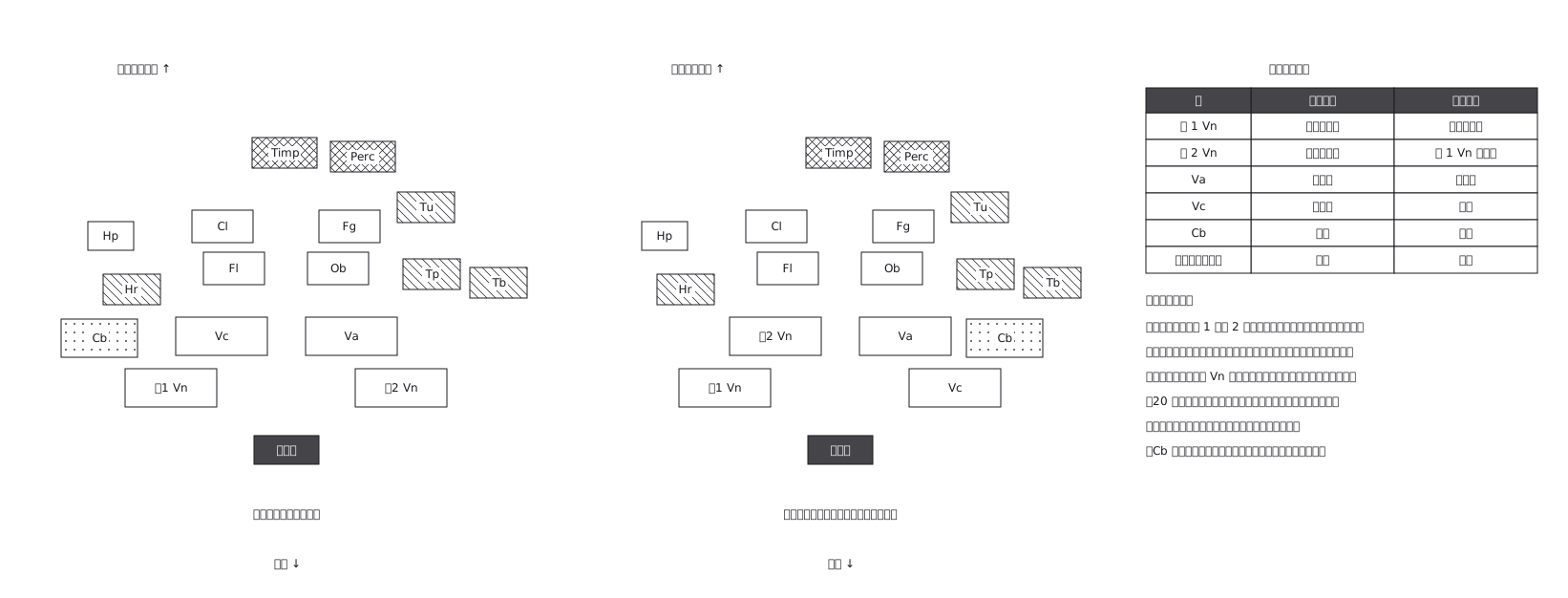 Orchestra seating, two traditions side by side
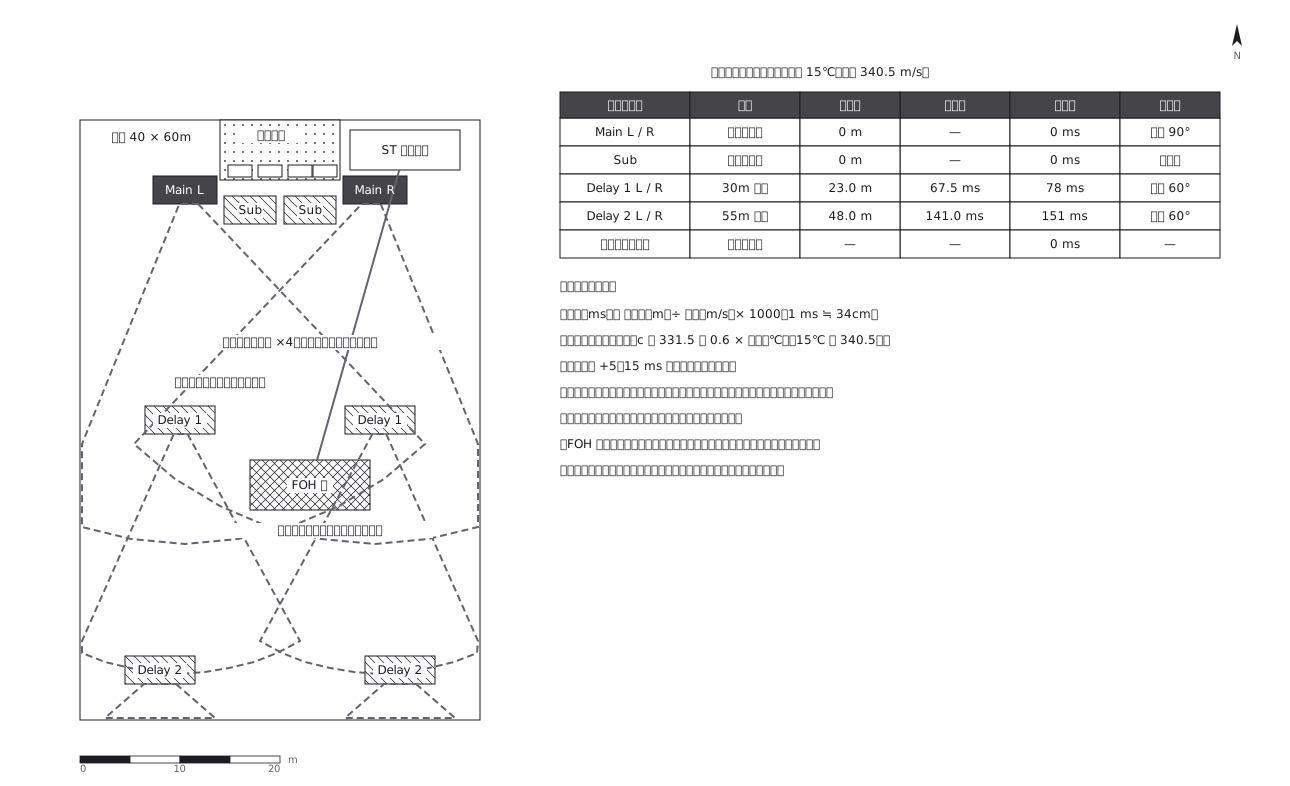 PA layout, where distance turns into delay