IT and software
PoE power classes — why two wattages are quoted
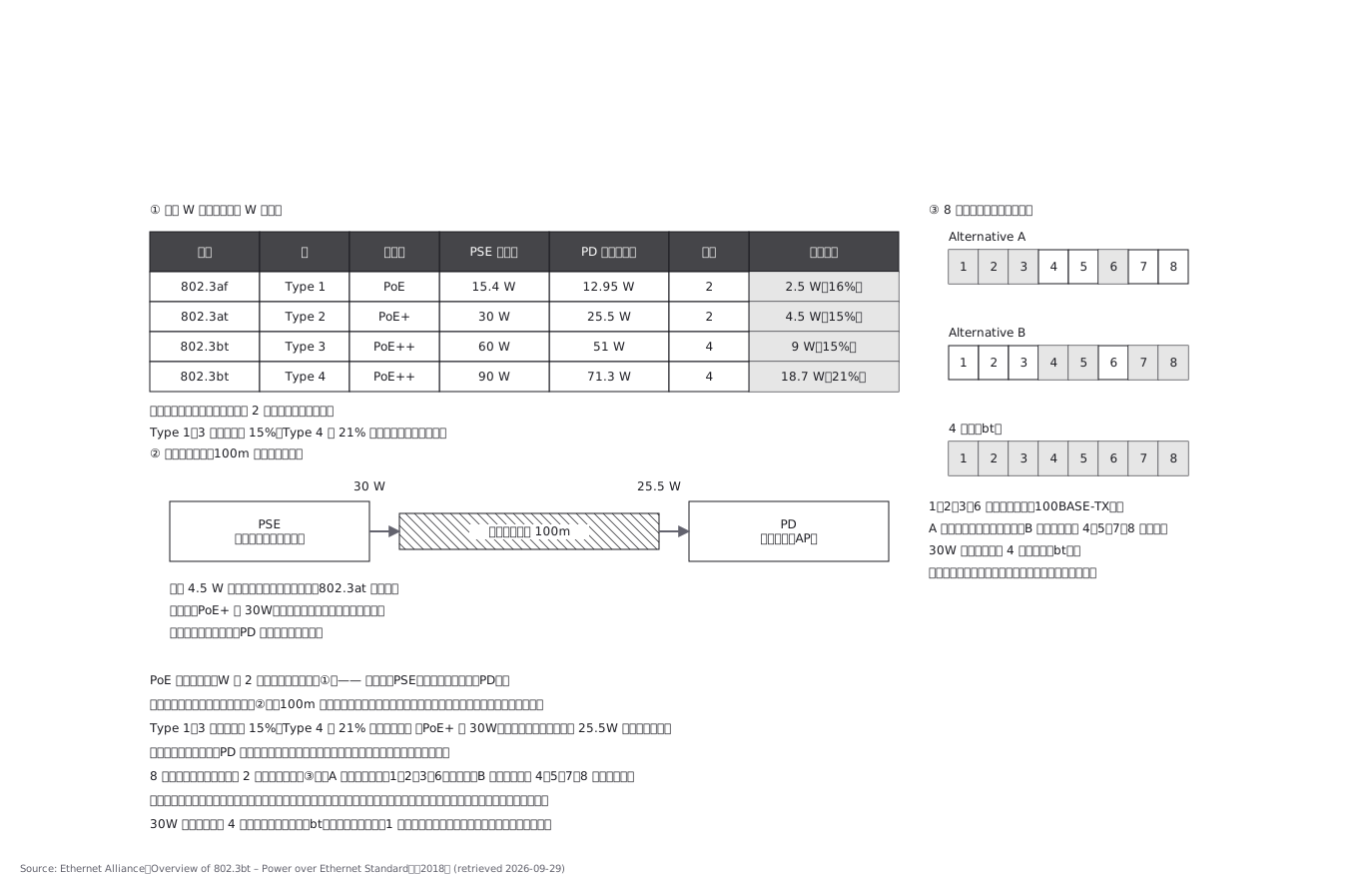
A PoE standard quotes two wattages, not one: what the switch sends and what the device receives — the difference is what the 100m of copper turns into heat
This drawing comes from one YAML file. No shape was moved by hand.
Notes in the source (in Japanese)
規格には W が 2 つ書いてある —— 出す側(PSE)と、受け取る側(PD)。差は 100m のケーブルで熱になる分で、規格が先に織り込んでいる。Type 1〜3 はおおむね 15%、Type 4 は 21% が消える(受け取る側が 90W の 8 割弱)。
選ぶときに見るのは、PD が受け取る側の数。「PoE+ は 30W」と言っても、機器側では 25.5W しか来ない。
8 本のうちどれで送るかは 2 通り(A はデータの線に重ね、B は空き線)。30W を超えるなら 4 ペア全部(bt)—— 1 本あたりの電流が減り、落ちる分も減る。
出典:Ethernet Alliance「Overview of 802.3bt – Power over Ethernet Standard」(2018)https://ethernetalliance.org/wp-content/uploads/2018/04/WP_EA_Overview8023bt_FINAL.pdf (2026-09-29 取得)IEEE 802.3af/at/bt の PSE 出力と PD 受電の値。IEEE 802 の版は確かめていない。
Source (YAML)
examples/gallery/236-PoEの給電クラス.zumen.yaml
More in this field
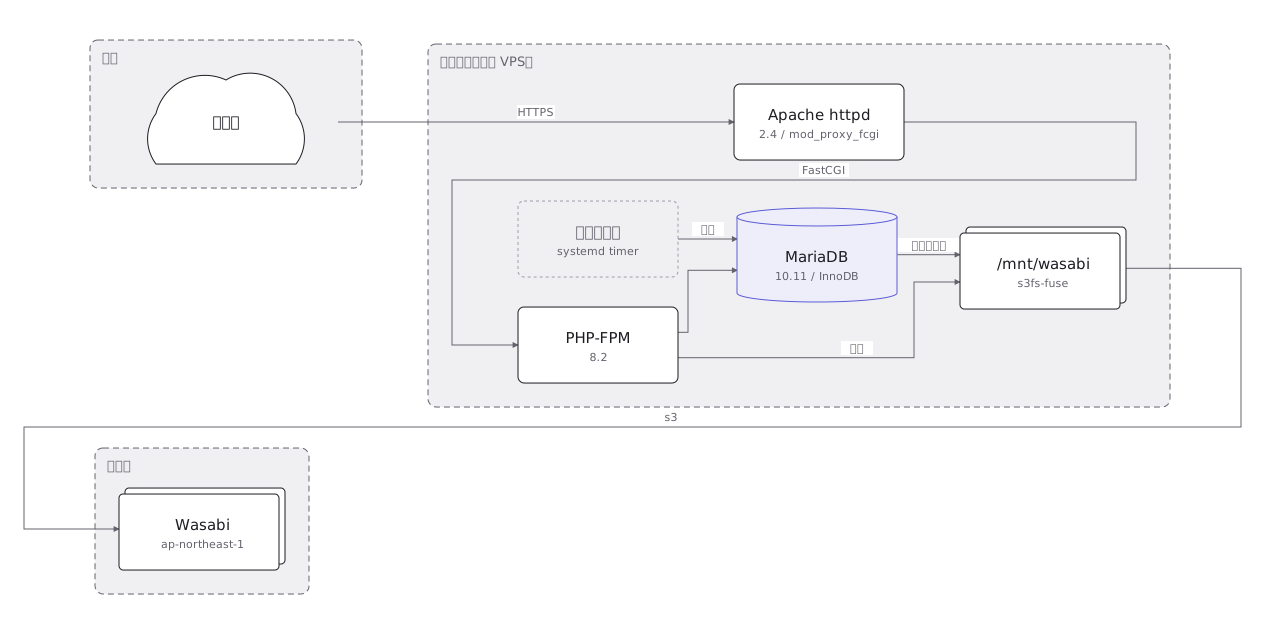 An on-premise server layout rack by rack, with the redundant power feeds and network links drawn as separate paths
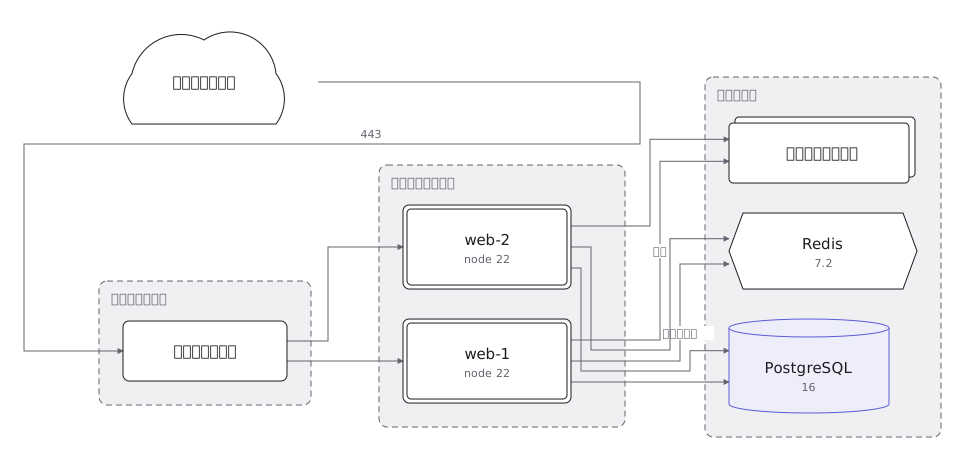 A cloud architecture showing the VPC and its subnets, and where the load balancer, application, database and object store sit
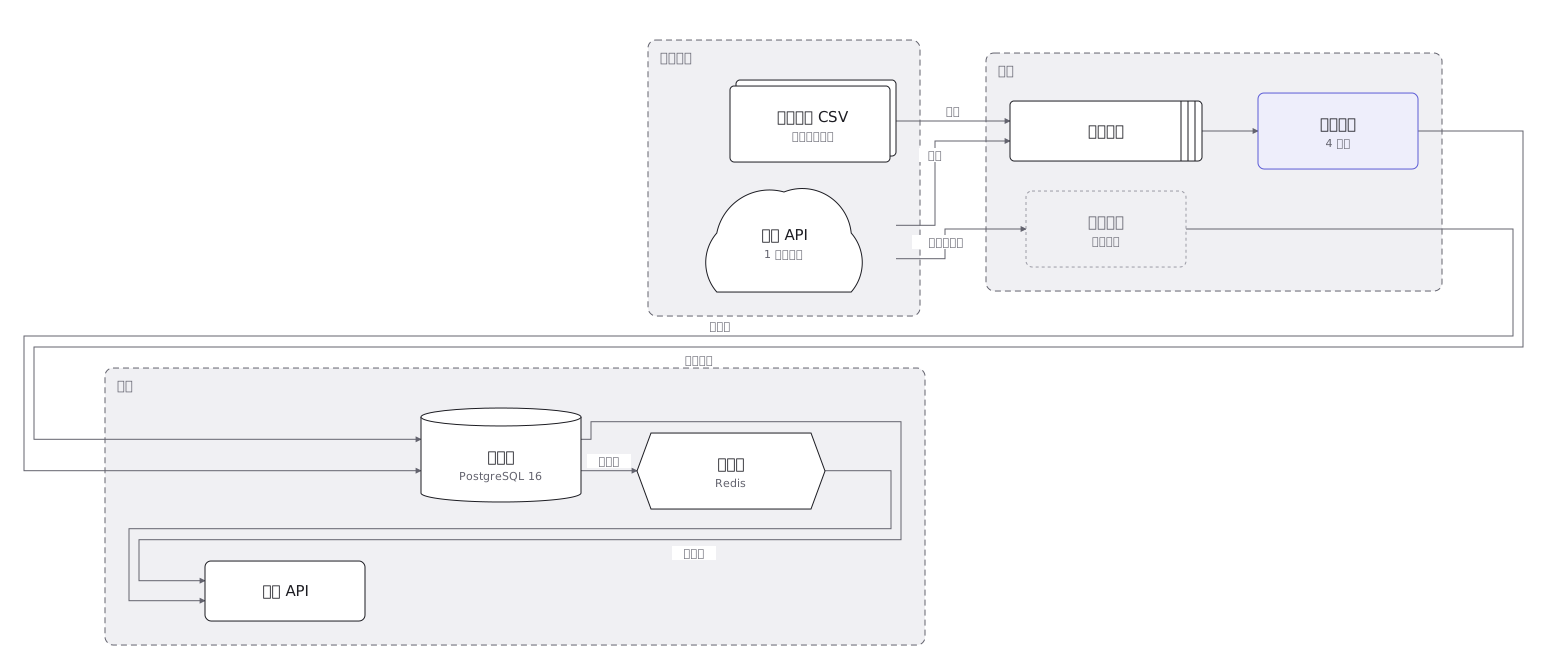 Where data goes from collection through transformation, storage and aggregation to display, and what kind of container holds it at each step
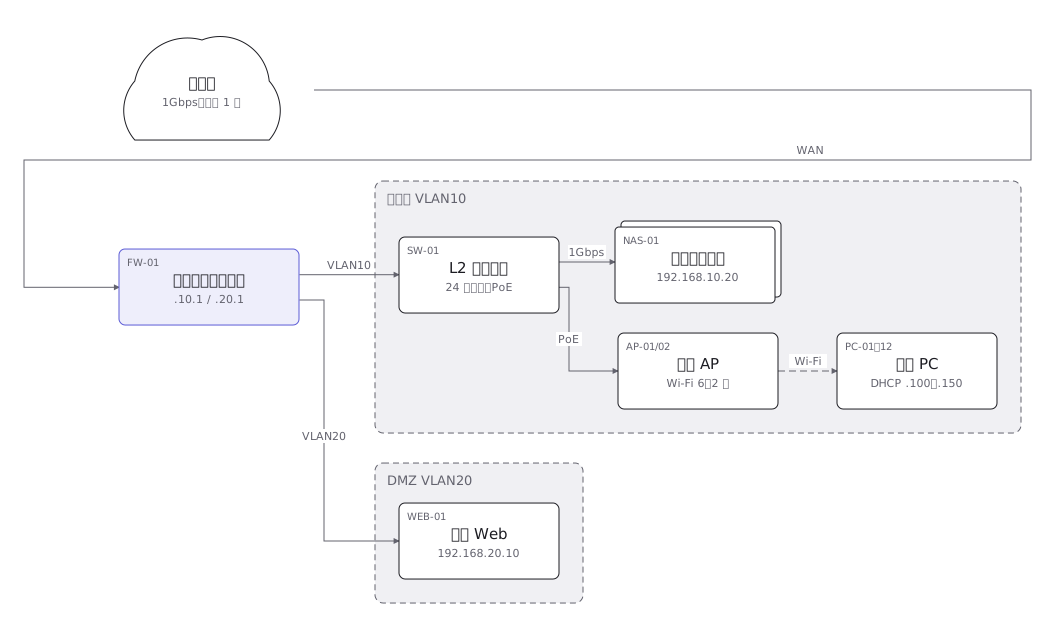 A network layout of the links and equipment between sites, with the address range carried by each segment
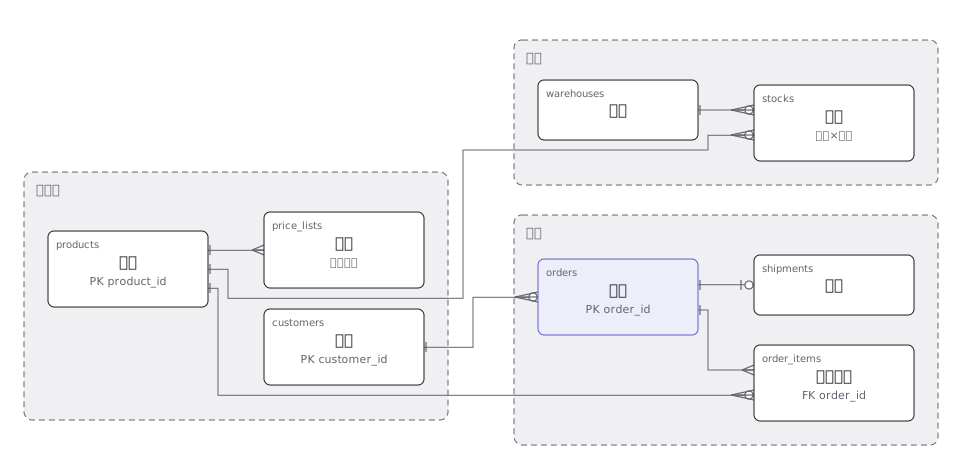 An order management ER diagram with primary and foreign keys, and the one-to-many relationships drawn as crow feet
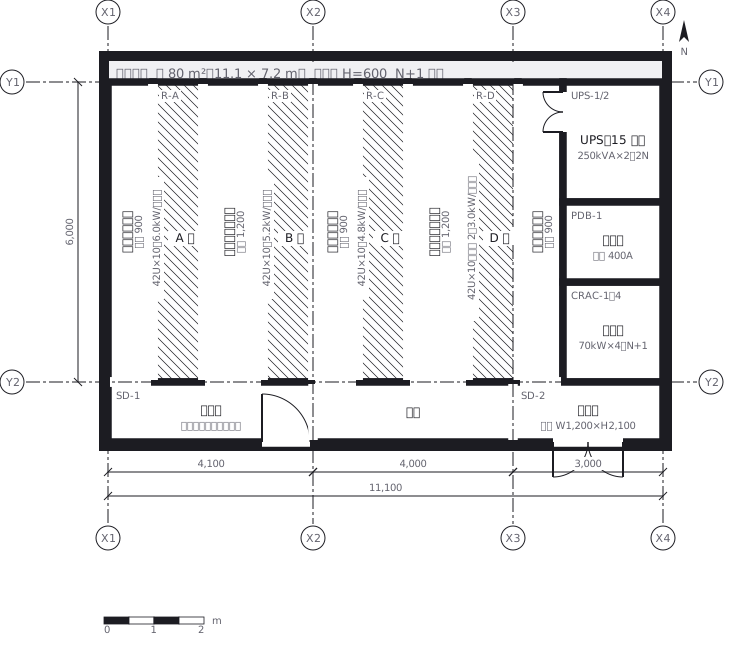 A server room where racks face each other to make hot and cold aisles, with the clearance of each aisle written in
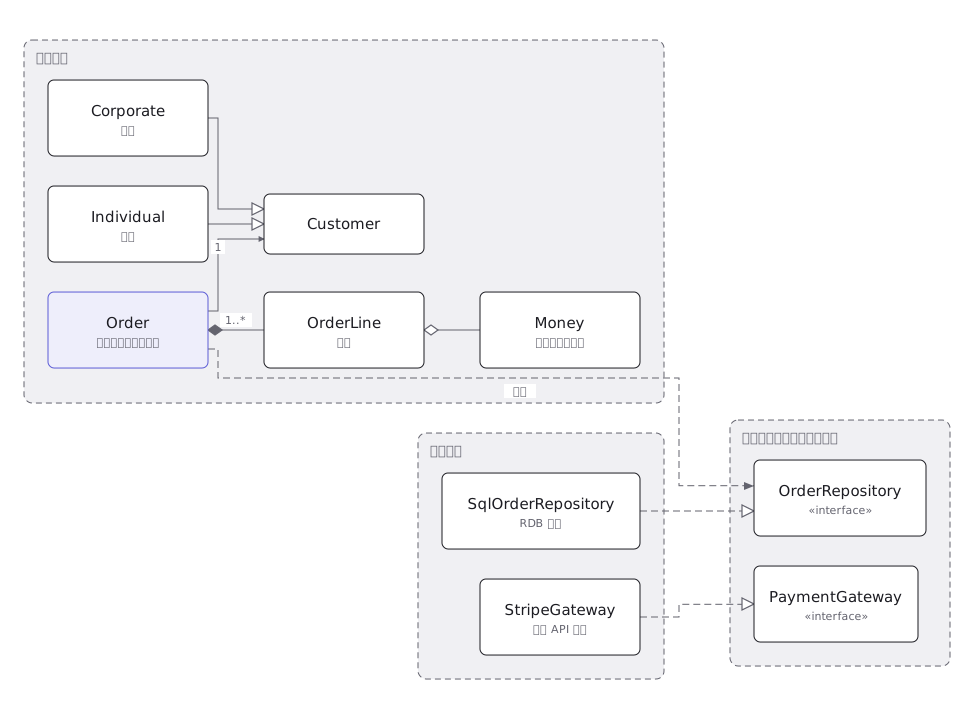 A UML class diagram where inheritance, realisation, association and aggregation are told apart by line type and end symbol
 A UML state machine with transitions, the events and guards that fire them, and the pseudostates that begin and end it