Health, food and farming
Stitches have numbers (JIS L 0120 / L 0121)
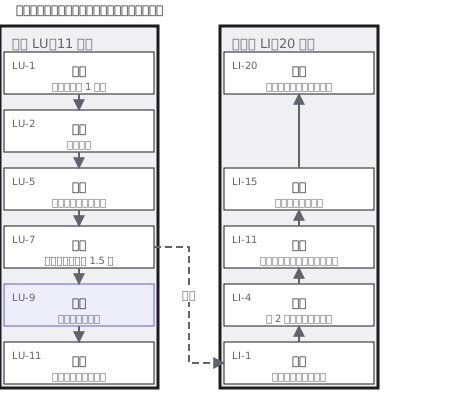
Stitches are specified by number, not by name: 301 rather than "lockstitch" — three digits for the stitch, five for the seam, and the two standards are separate because thread and cloth are decided separately
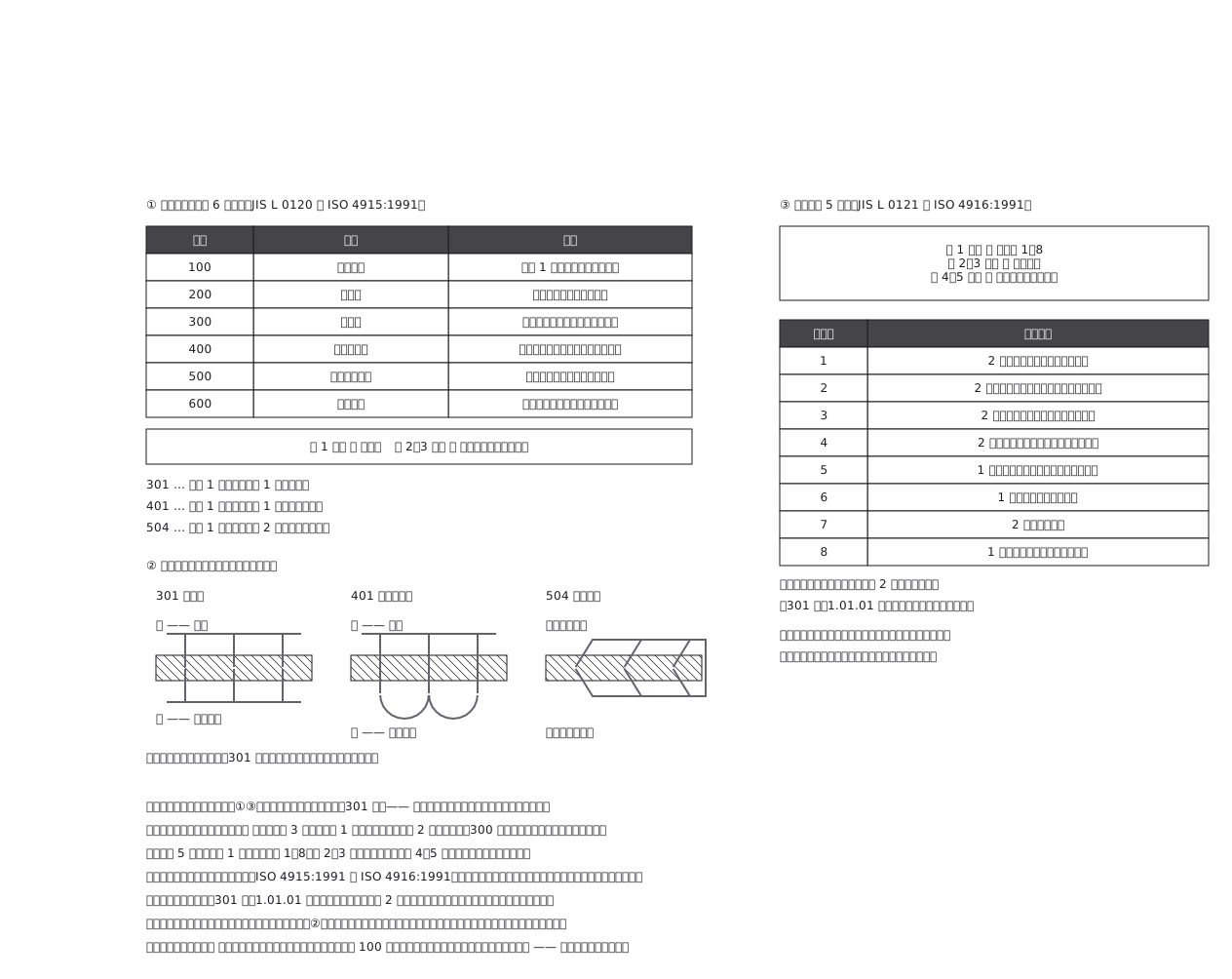
This drawing comes from one YAML file. No shape was moved by hand.
Notes in the source (in Japanese)
縫い方は、言葉ではなく番号で指定する。「本縫いで」ではなく「301 で」—— 国が違っても、同じ番号は同じ縫い方。
ステッチは 3 けた(第 1 けたがクラス 100〜600、残り 2 けたが細分)、シームは 5 けた(クラス 1〜8 / 布の構成 / 針の位置と布の状態)。
ステッチとシームは別の規格(ISO 4915:1991 と ISO 4916:1991)——糸の絡み方と布の重ね方は別々に決められるので、番号も別。縫製仕様書は「301 で、1.01.01 のシーム」と組で書く。
ISO 4916:1991 は 1991 年 9 月の第 2 版(1982 年の初版を置き換え)。ISO 4915:1991 と組で読む規格。JIS L 0120・JIS L 0121 の版は確かめていない。
Source (YAML)
examples/gallery/239-縫い方の番号.zumen.yaml
More in this field
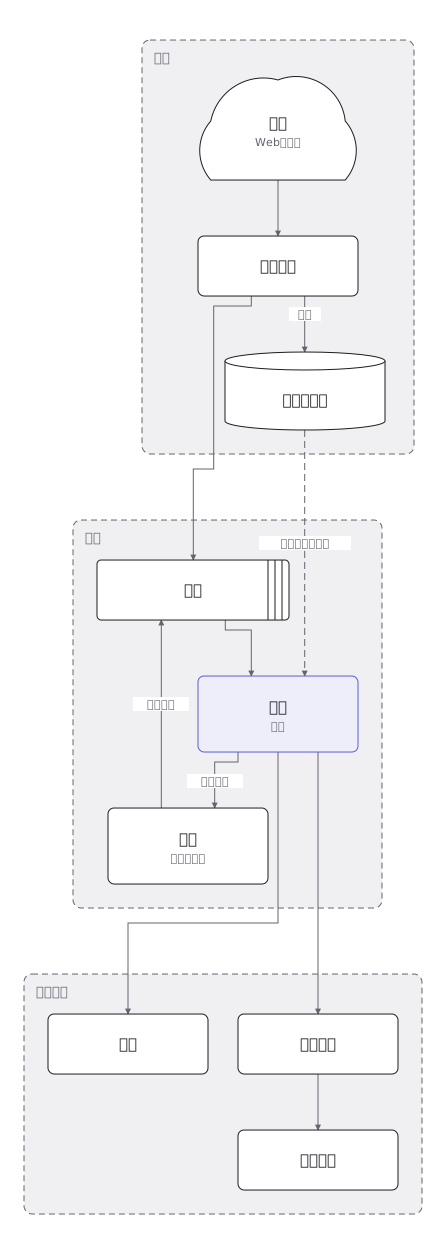 How an outpatient moves through a hospital — reception, consultation, tests, payment, prescription — and where each department keeps people waiting
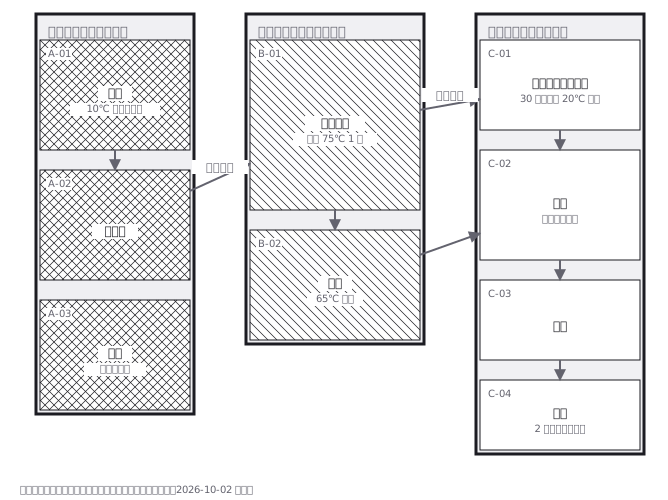 A school meal kitchen split into contaminated and clean zones, with the paths of food, people and crockery kept from crossing
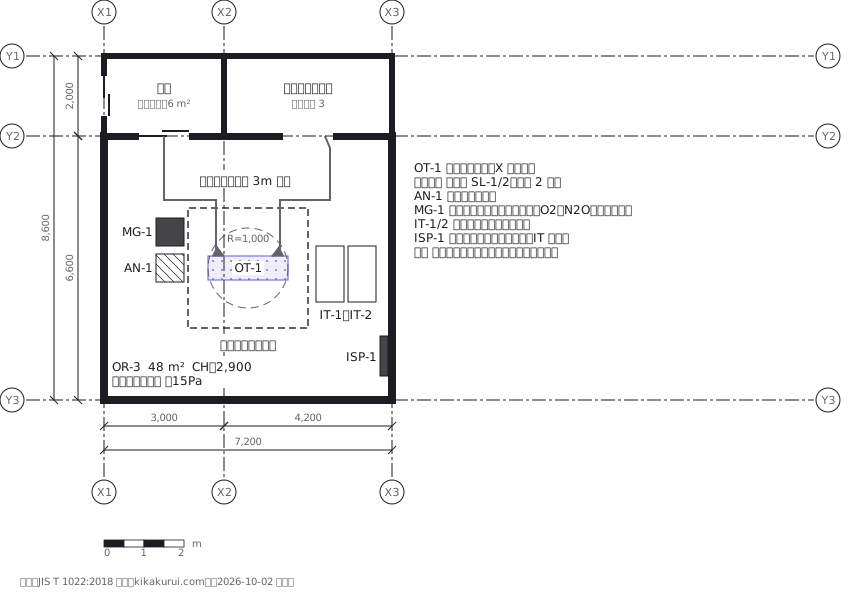 An operating room laid out around the table: surgical light, anaesthesia machine, electrosurgical unit and monitors, with the sterile field
 The fourteen meridians and their principal points, named to the WHO standard acupuncture point locations
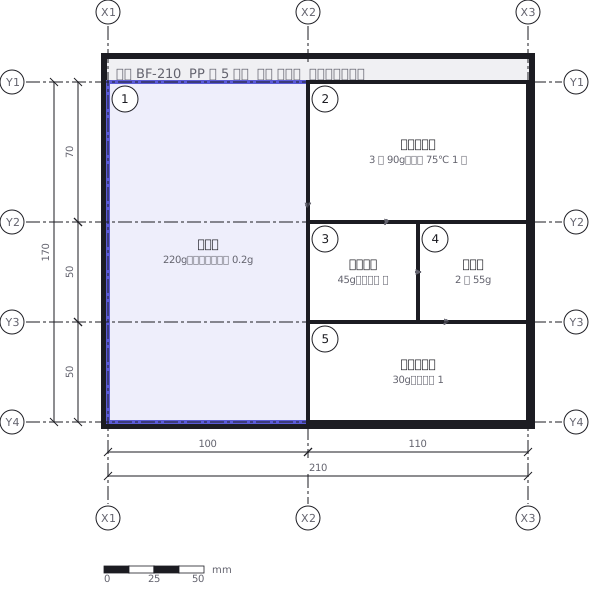 A packing instruction for a boxed lunch: what goes in each compartment, how much, which way up, and in what order
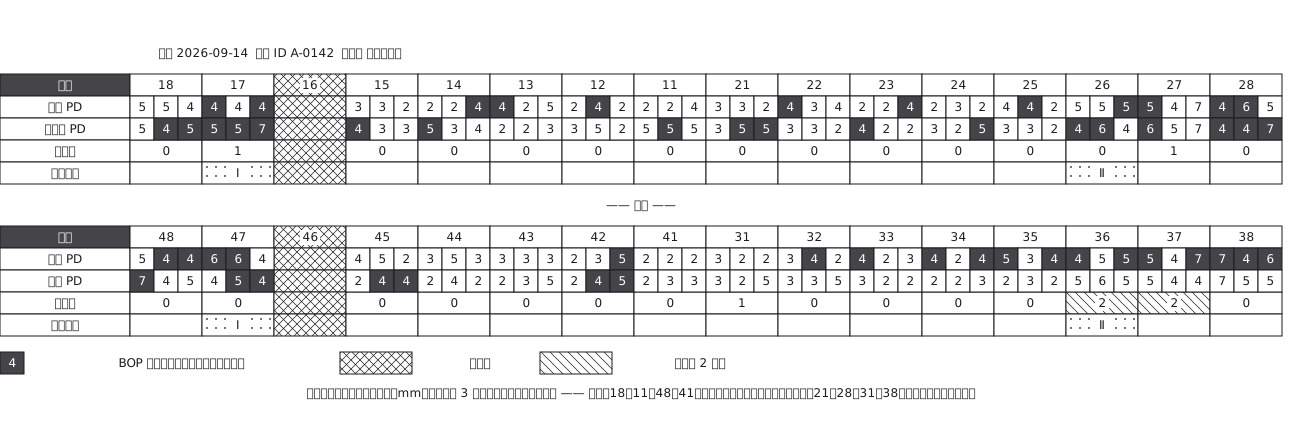 A periodontal chart where all 32 teeth are measured at six points each, recording pocket depth, bleeding and mobility
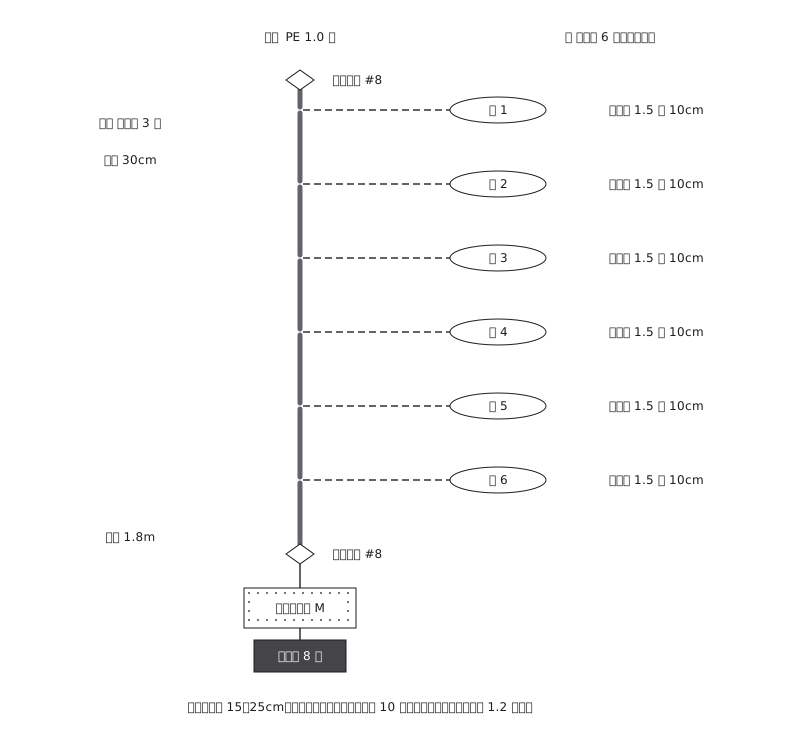 A sabiki fishing rig from main line to six hooks, feeder cage and sinker, with the gauge and length specified for every section
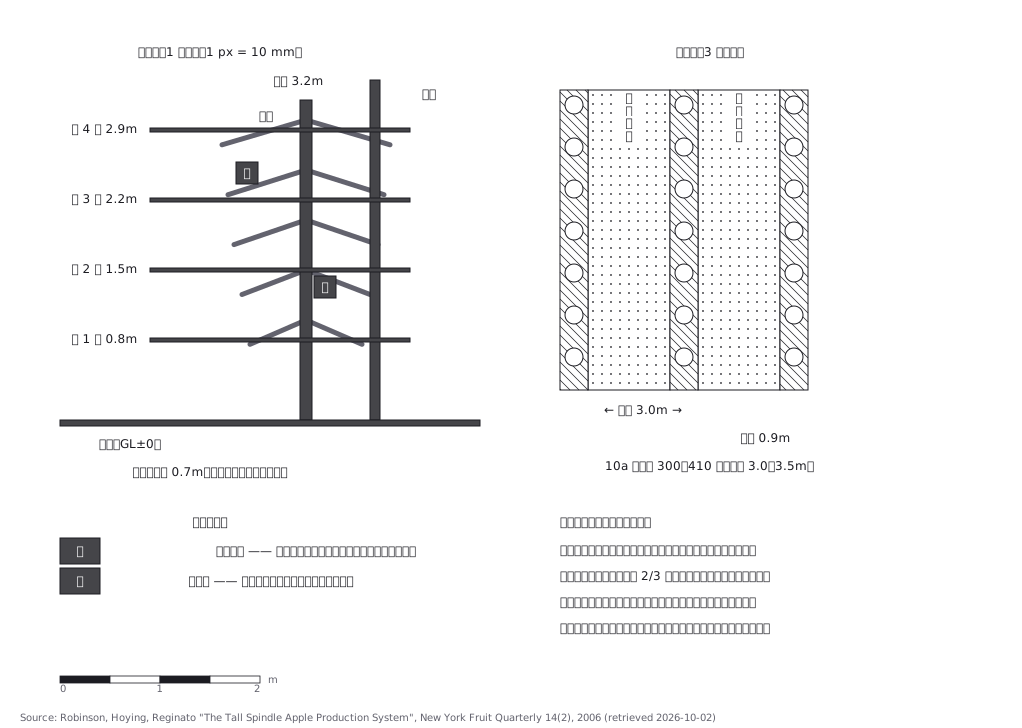 High-density apple training, with tree and row spacing