Health, food and farming
37 drawings in Health, food and farming, each generated from a single YAML file.
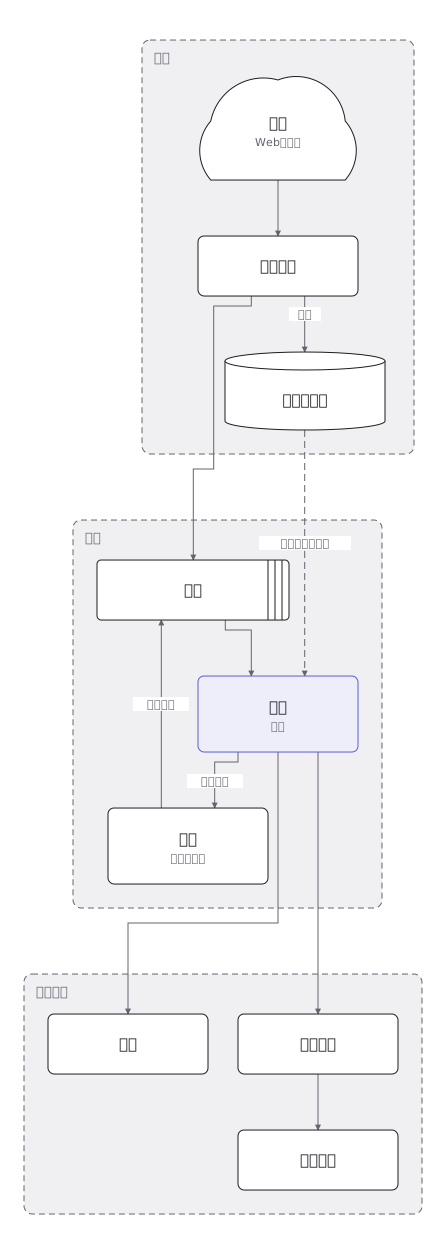 How an outpatient moves through a hospital — reception, consultation, tests, payment, prescription — and where each department keeps people waiting
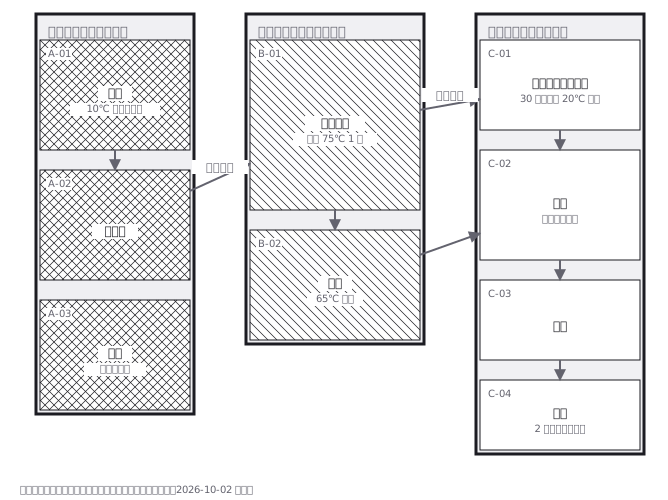 A school meal kitchen split into contaminated and clean zones, with the paths of food, people and crockery kept from crossing
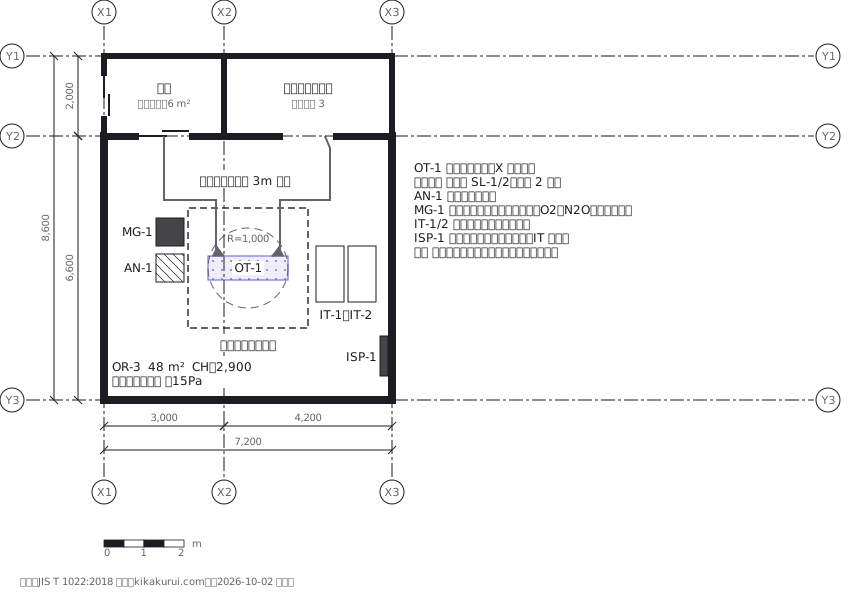 An operating room laid out around the table: surgical light, anaesthesia machine, electrosurgical unit and monitors, with the sterile field
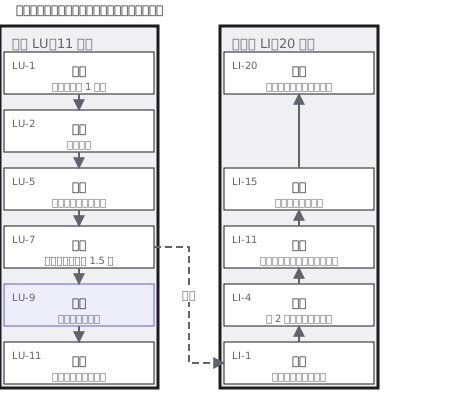 The fourteen meridians and their principal points, named to the WHO standard acupuncture point locations
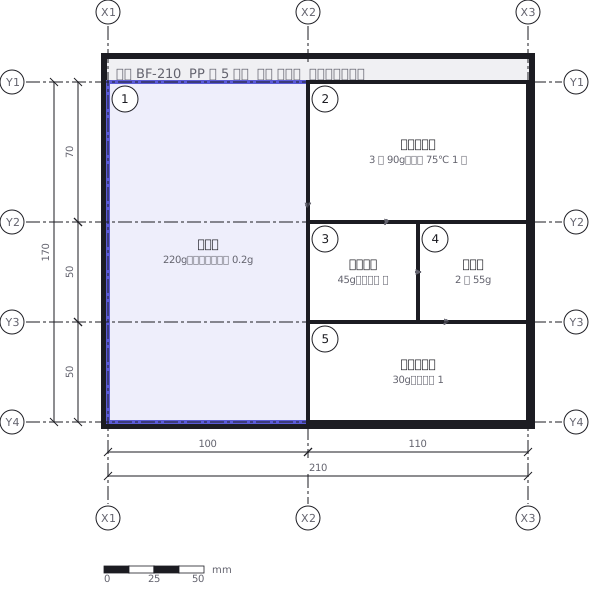 A packing instruction for a boxed lunch: what goes in each compartment, how much, which way up, and in what order
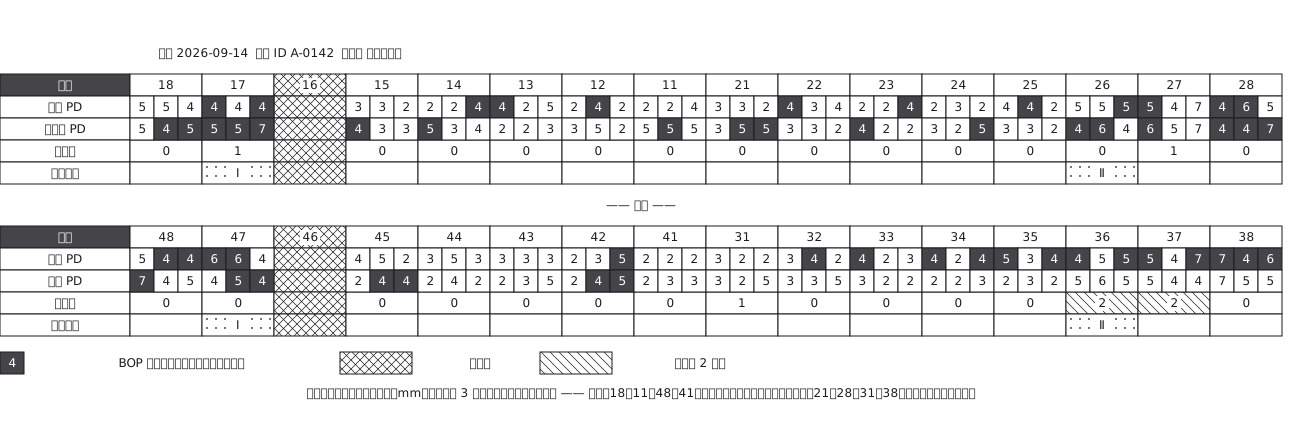 A periodontal chart where all 32 teeth are measured at six points each, recording pocket depth, bleeding and mobility
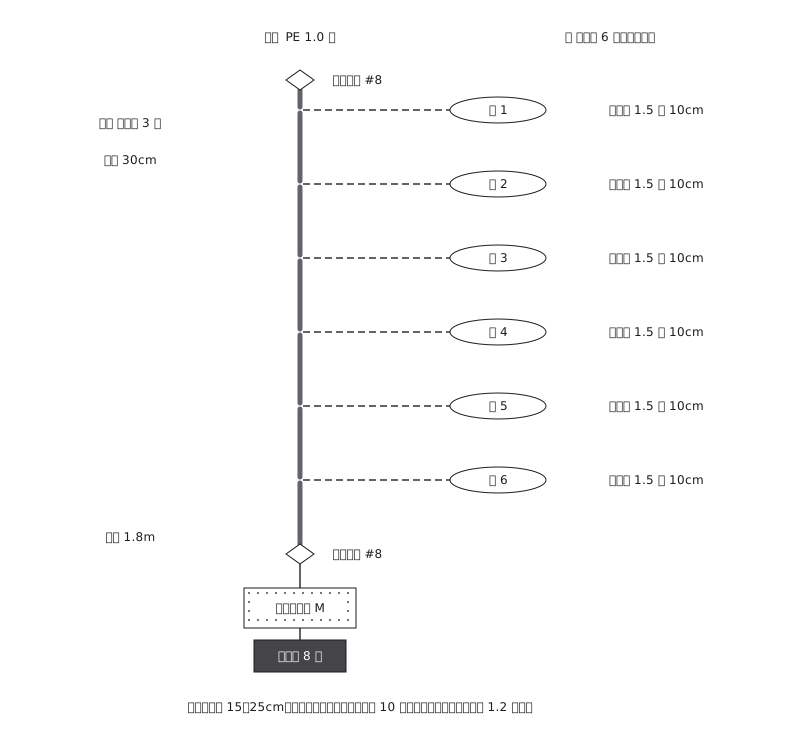 A sabiki fishing rig from main line to six hooks, feeder cage and sinker, with the gauge and length specified for every section
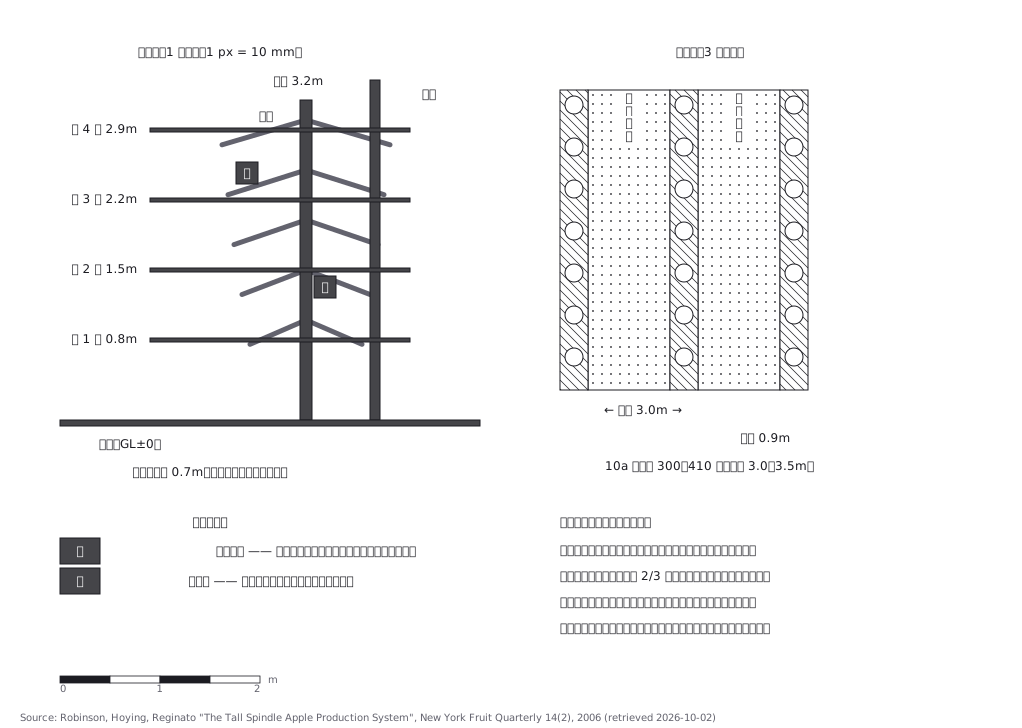 High-density apple training, with tree and row spacing
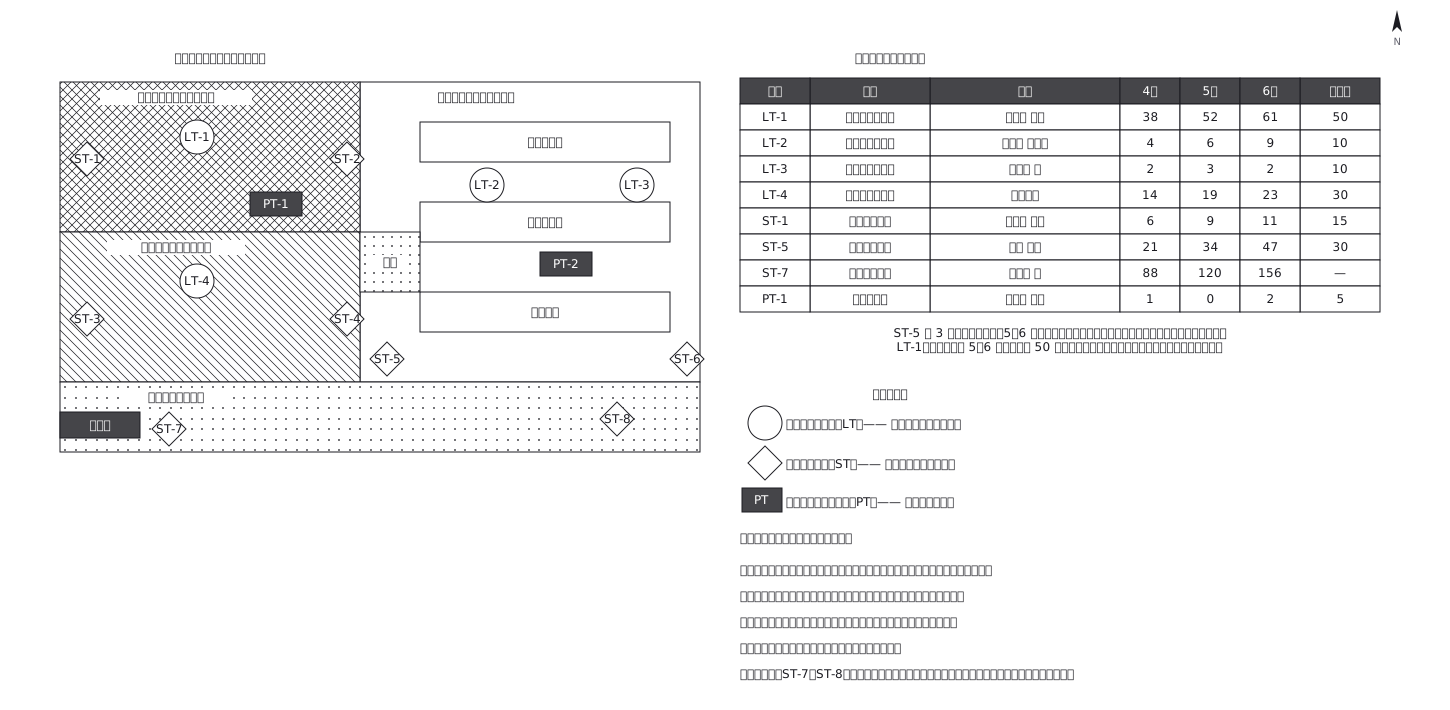 Pest monitoring: the stations never move
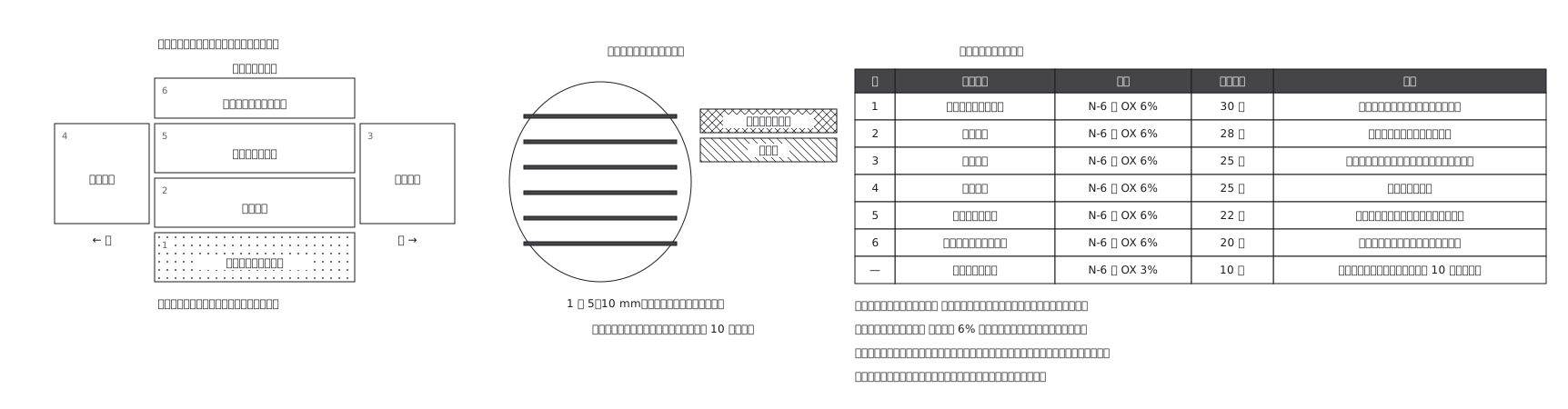 Hair colour sectioning: the order is the content
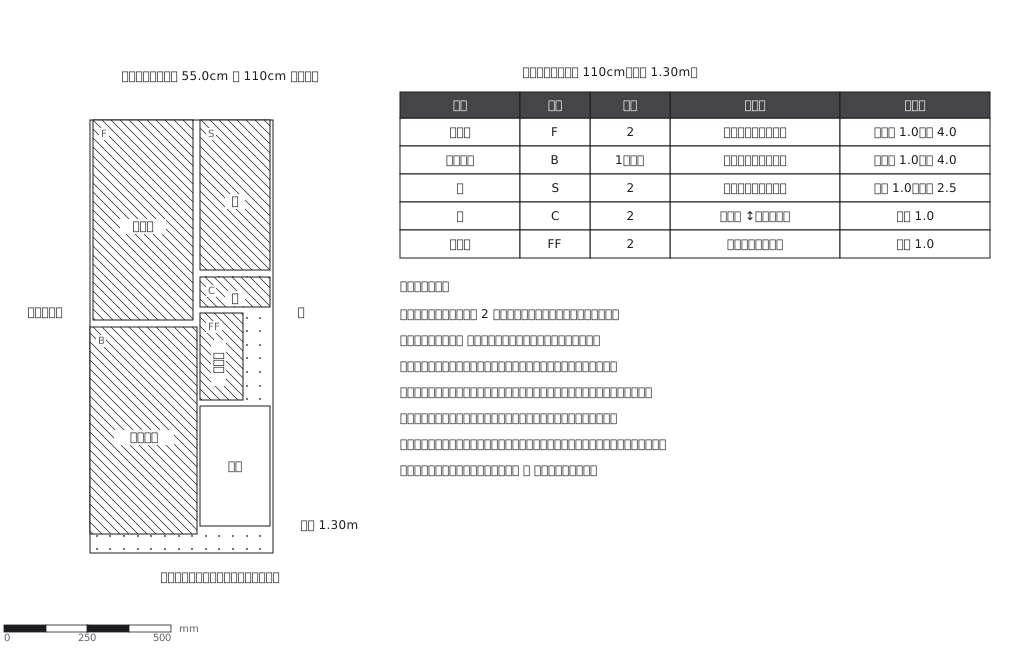 Cutting layout: the pattern may not be turned
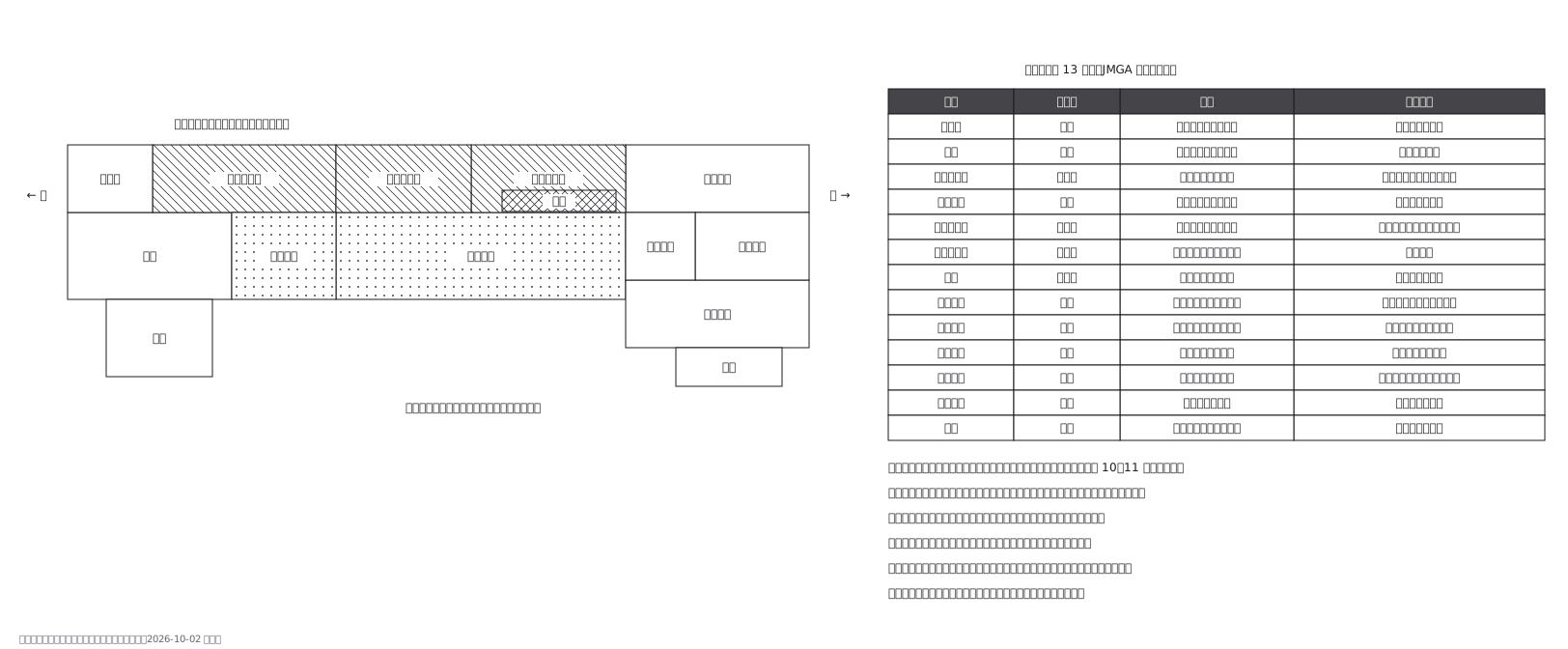 Beef cutting chart: the bones decide the lines
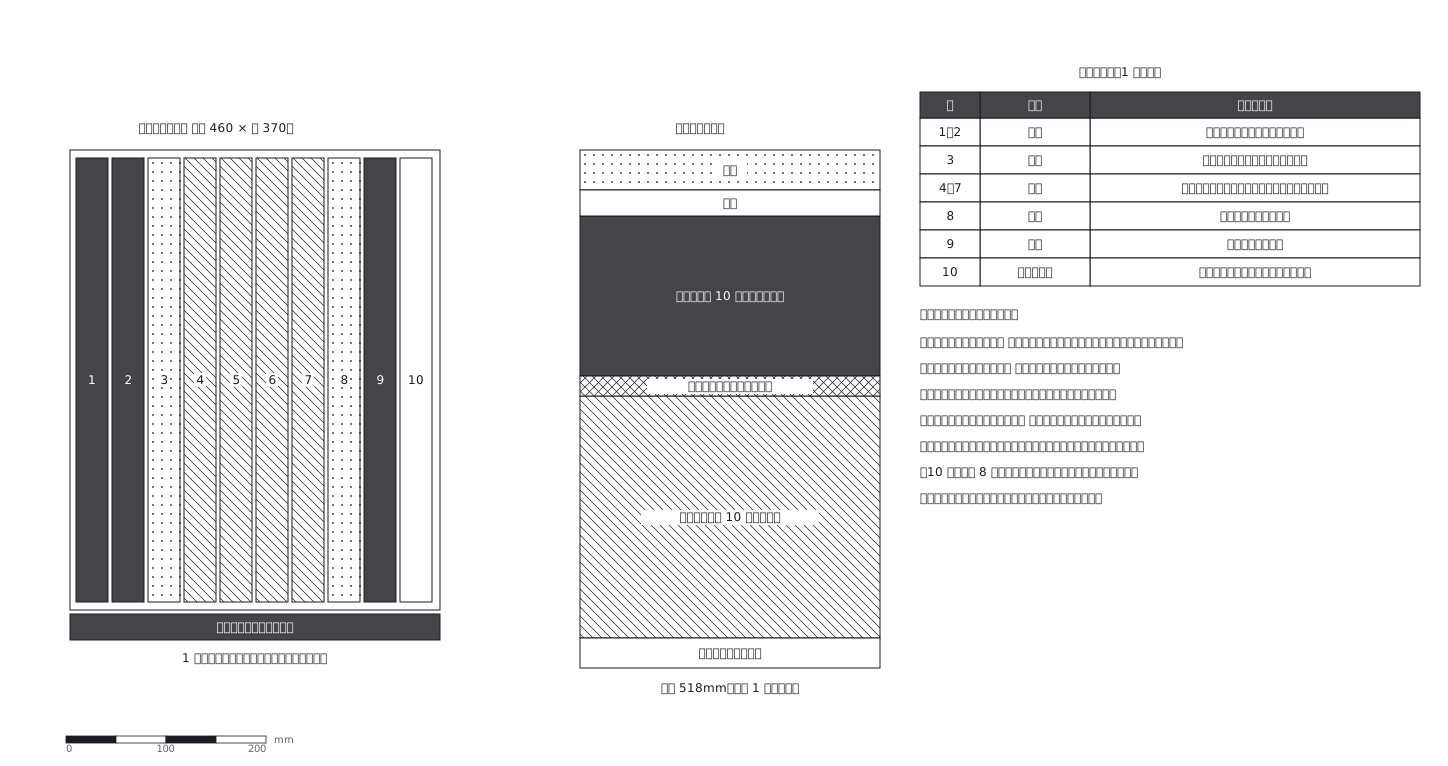 Hive frames: reorder them and the brood goes cold
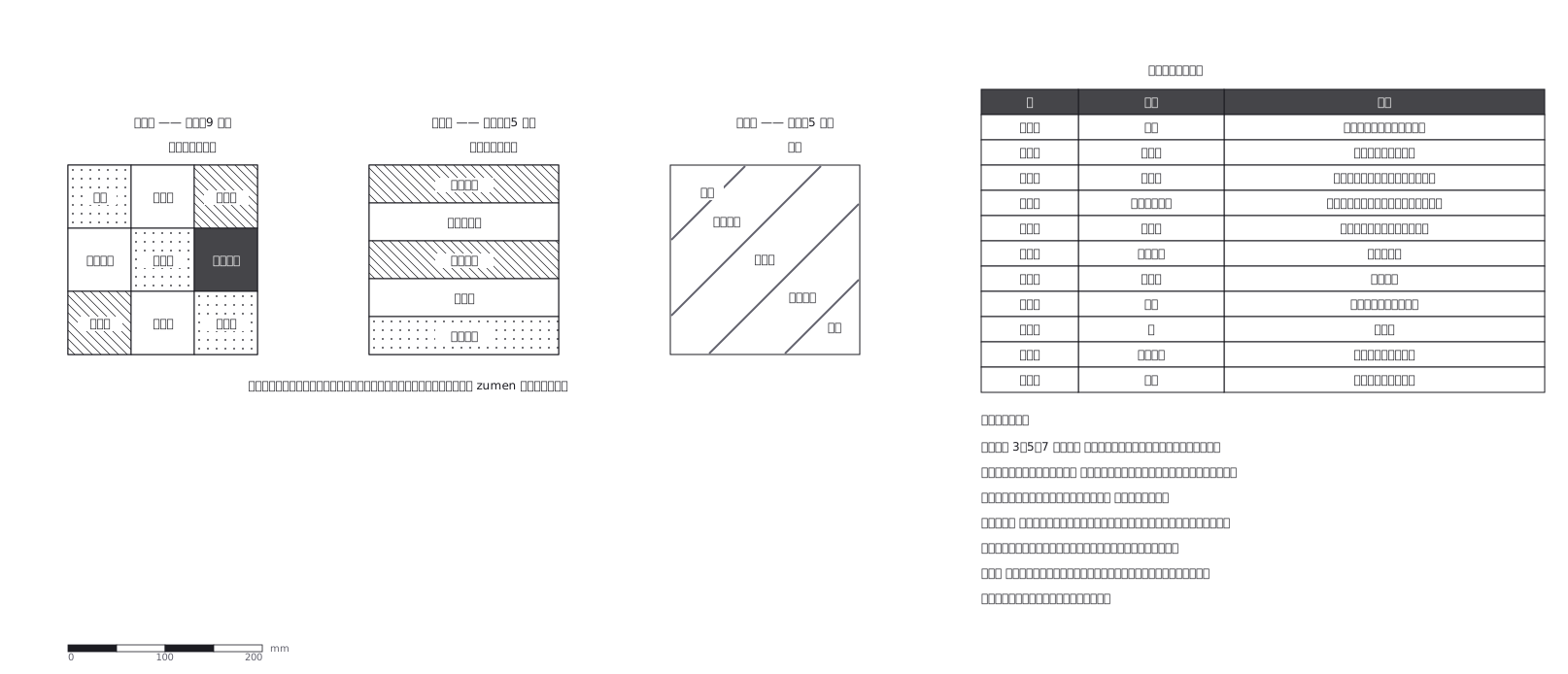 A new year box packed in odd numbers and with no gaps left, in three of the traditional arrangements
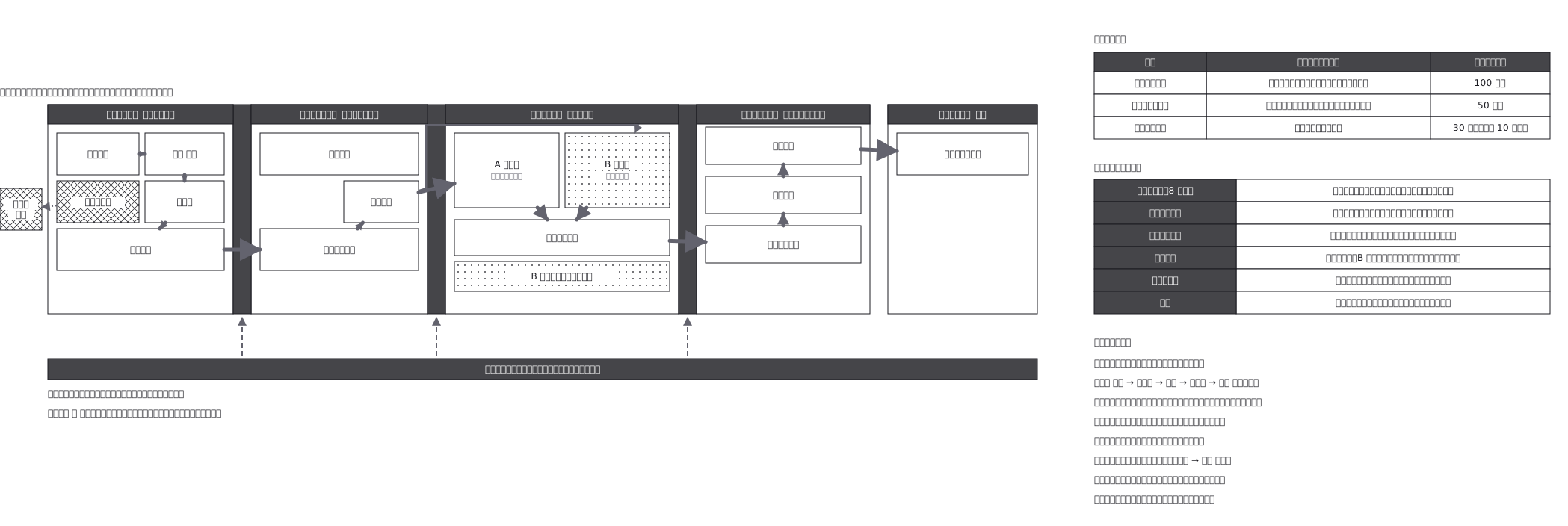 Allergen flow: never let the path double back
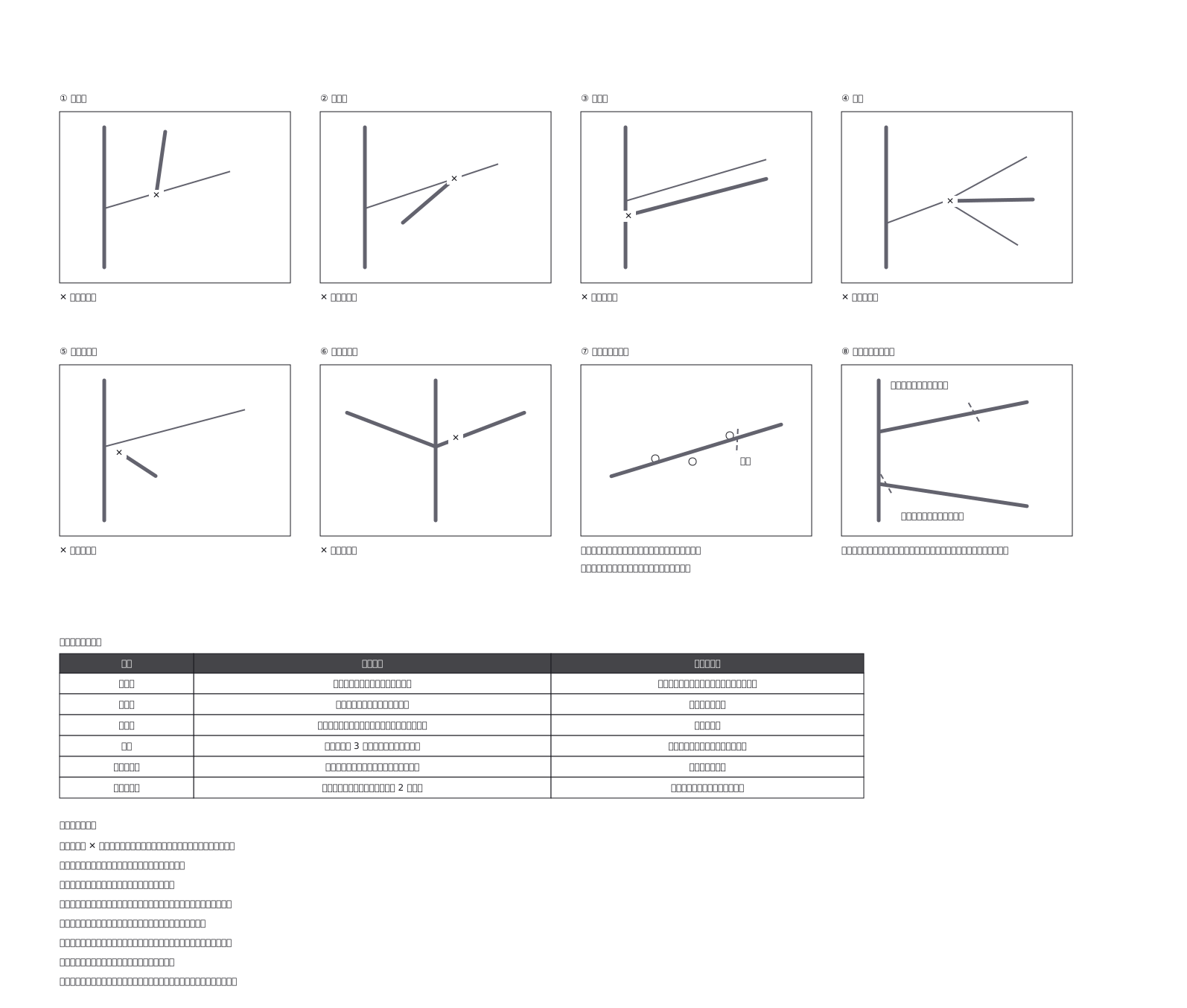 Pruning instructions: not which branch, but where to cut it
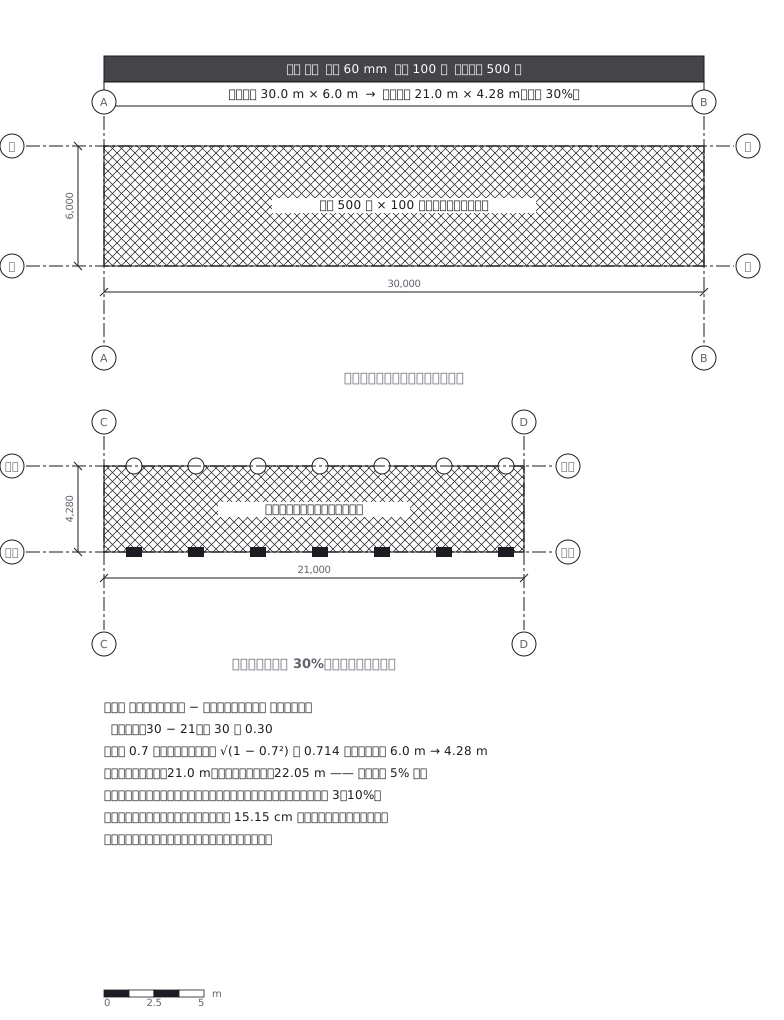 Gill net: the mesh opens because the net is hung short
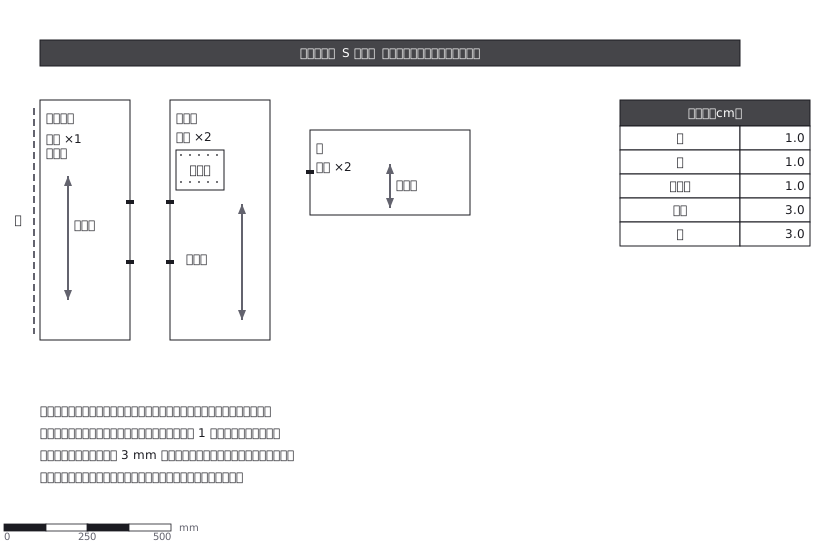 Industrial pattern: cloth cannot be uncut
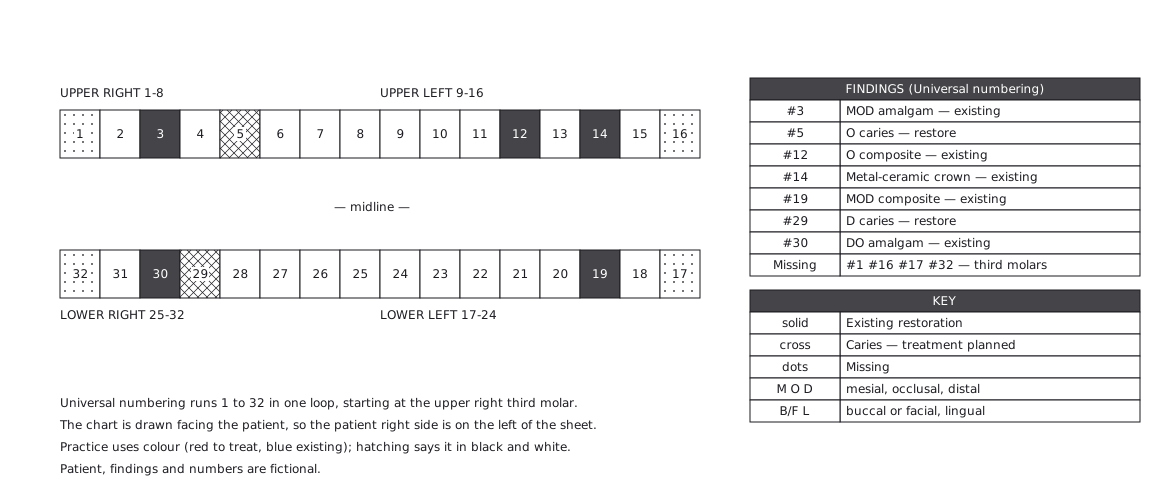 Restorative chart: one number fixes a tooth
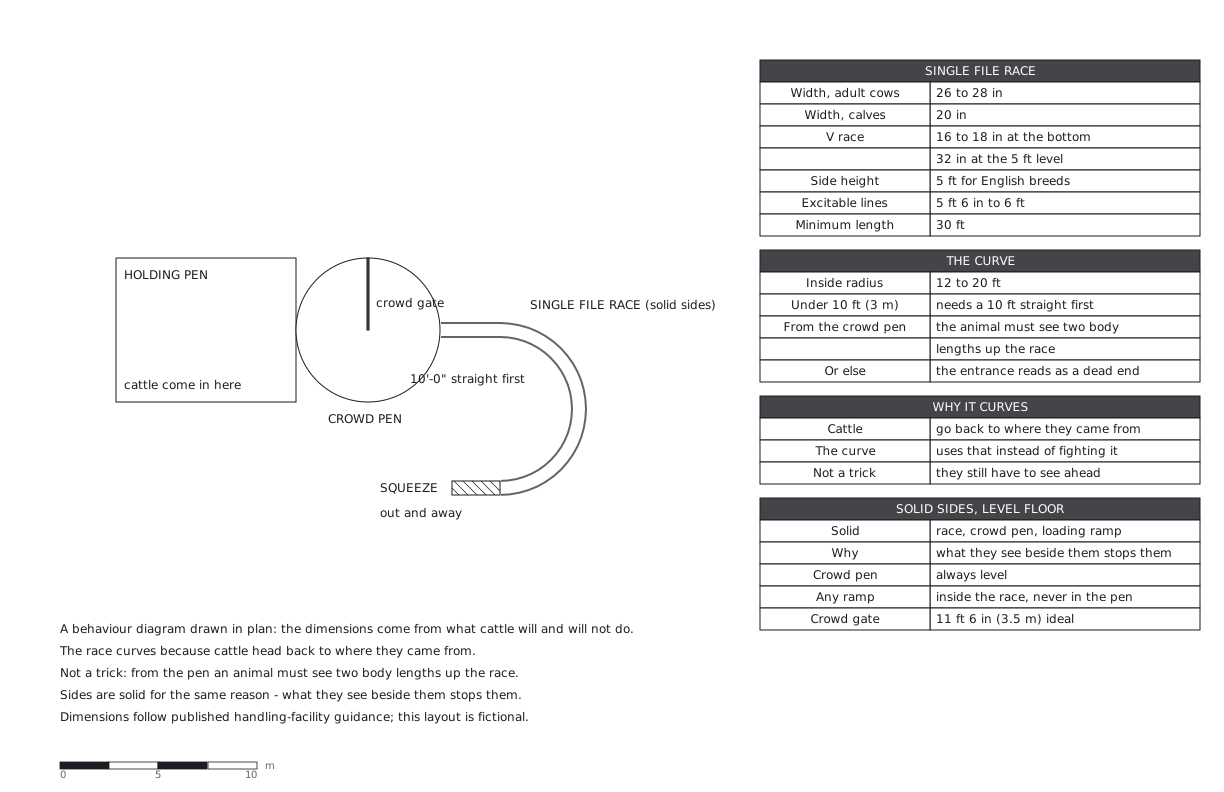 Every dimension comes from what cattle will not do
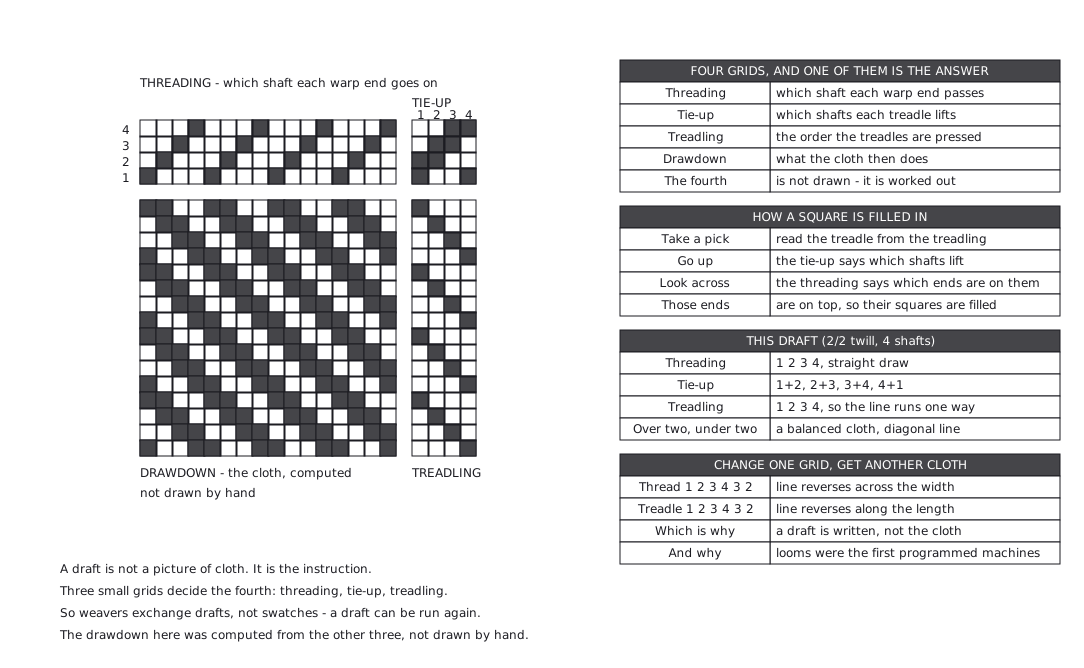 Three small grids decide the fourth - the cloth is computed
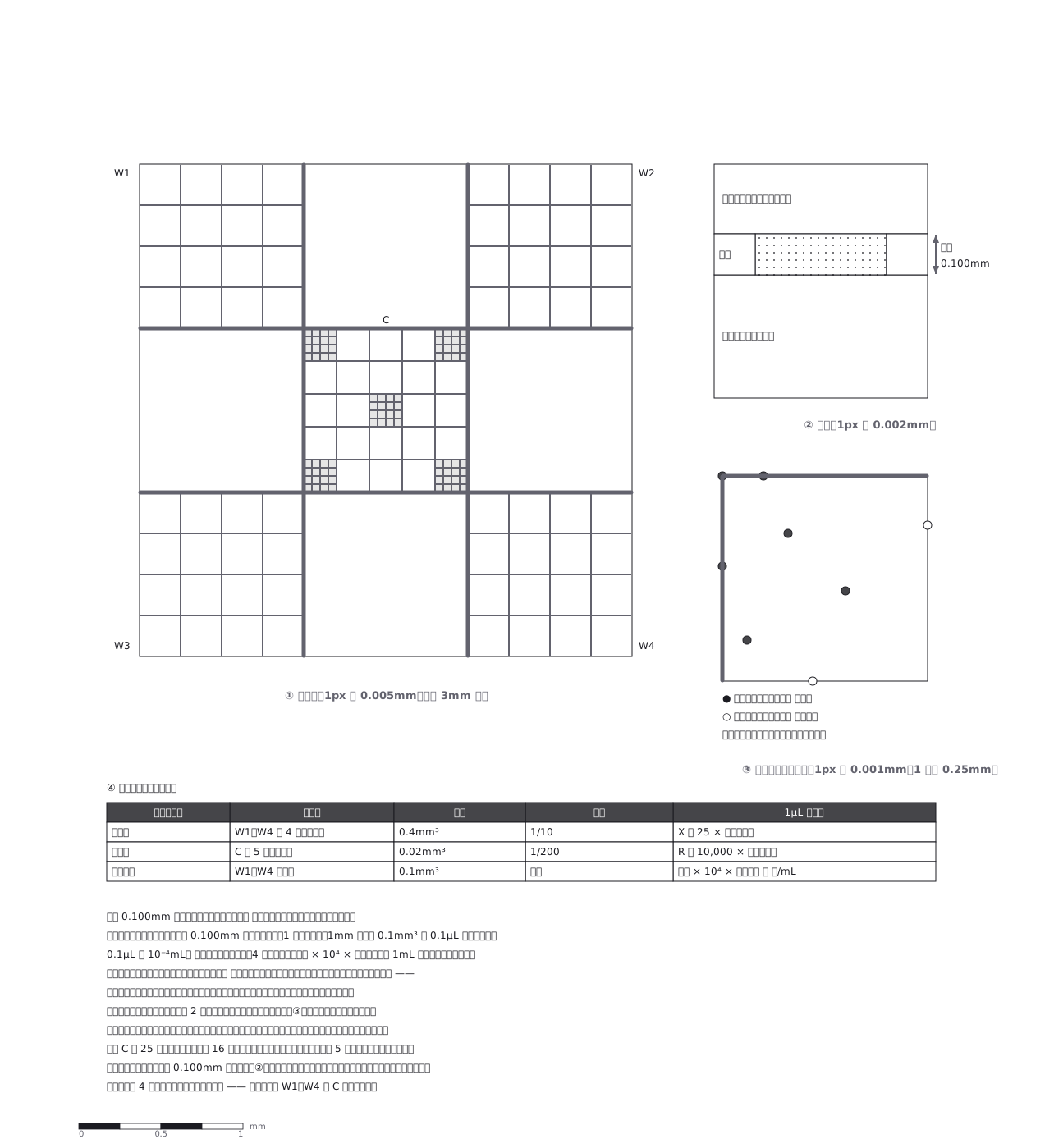 Haemocytometer grid: the 0.100mm depth is what turns an area into a volume, so one 1mm square holds exactly 0.1 microlitres
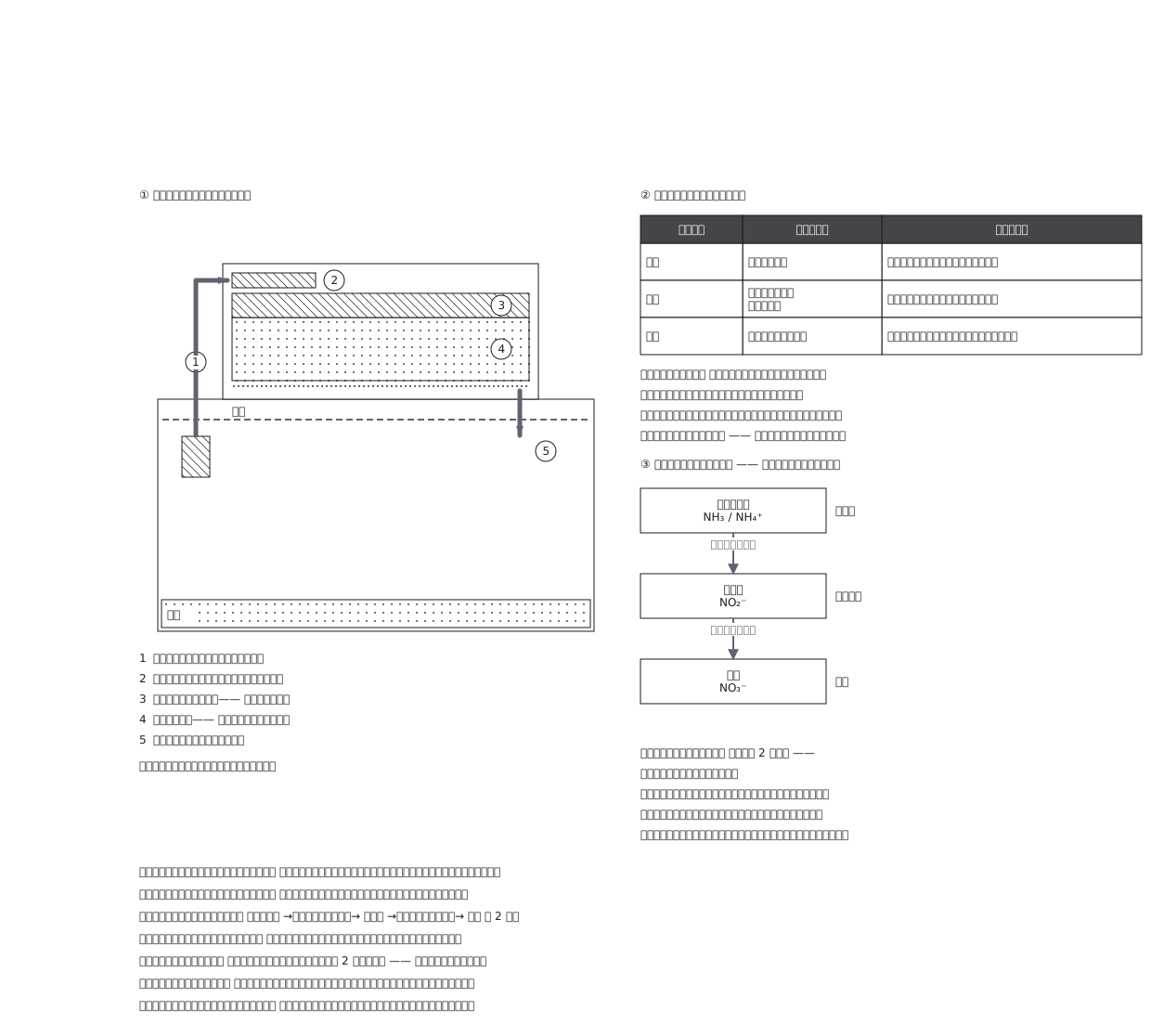 Aquarium filter in section: it does not remove the poison, it turns it into a weaker one — and the water must meet the mechanical media before the biological
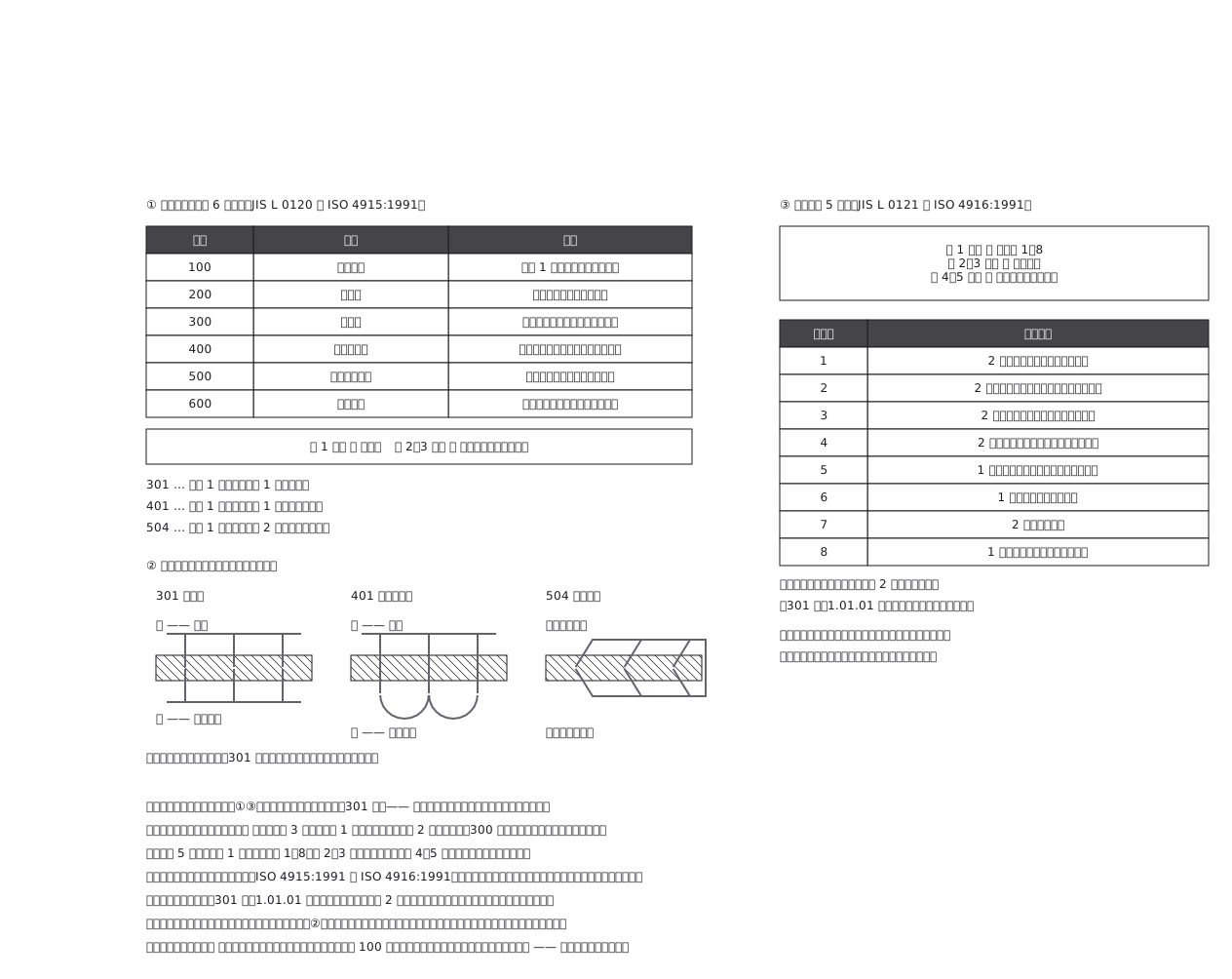 Stitches are specified by number, not by name: 301 rather than "lockstitch" — three digits for the stitch, five for the seam, and the two standards are separate because thread and cloth are decided separately
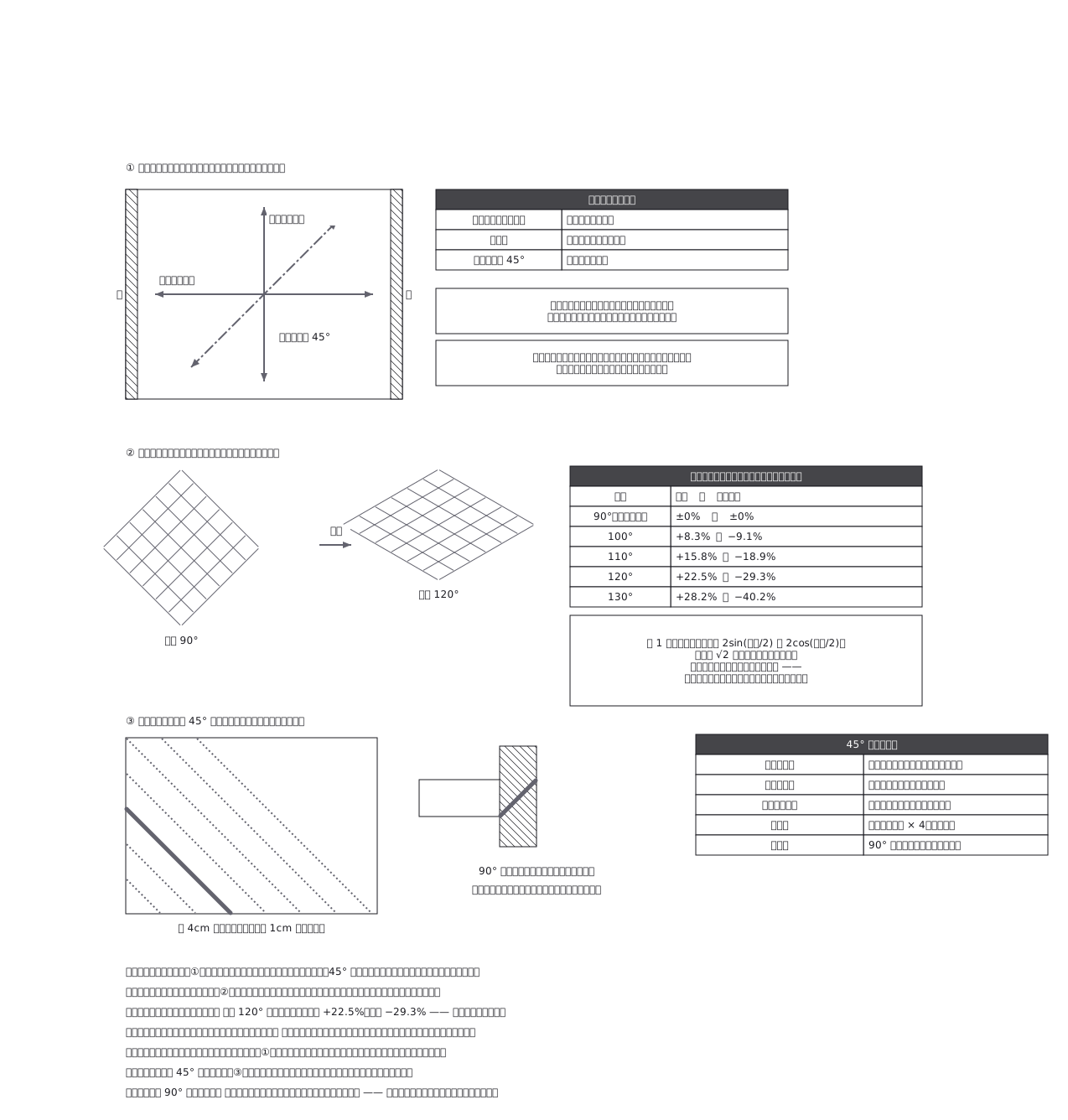 Cloth stretches on the 45 degree bias because nothing stretches: the woven square shears into a rhombus, so at a 120 degree cell the length gains 22.5 percent while the width loses 29.3 percent — it narrows more than it lengthens
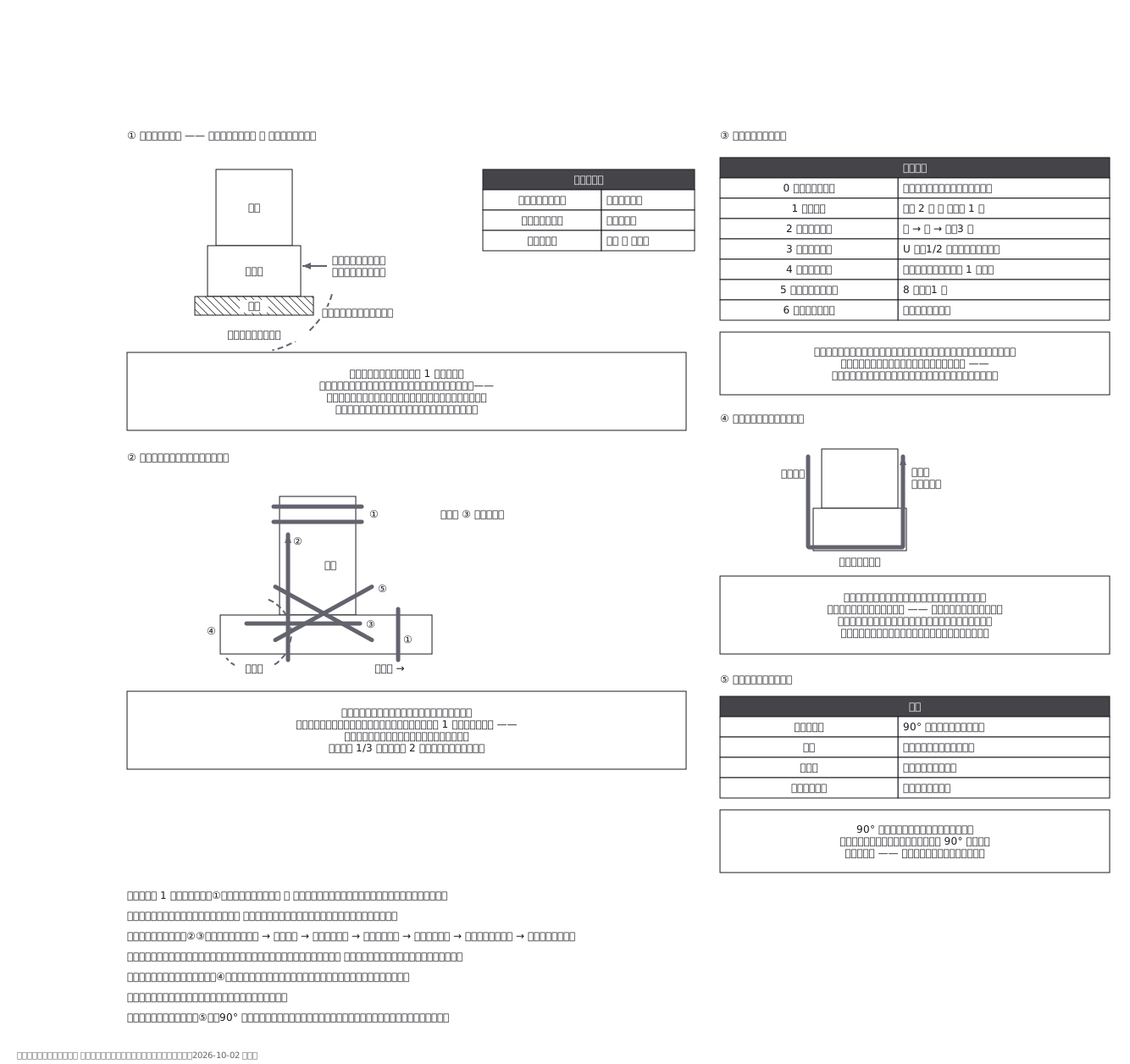 Ankle taping stops one direction only — inversion — and leaves the up-and-down movement alone; the order matters because each strip pins down the ends of the last, so tape that peels is usually tape applied in the wrong order
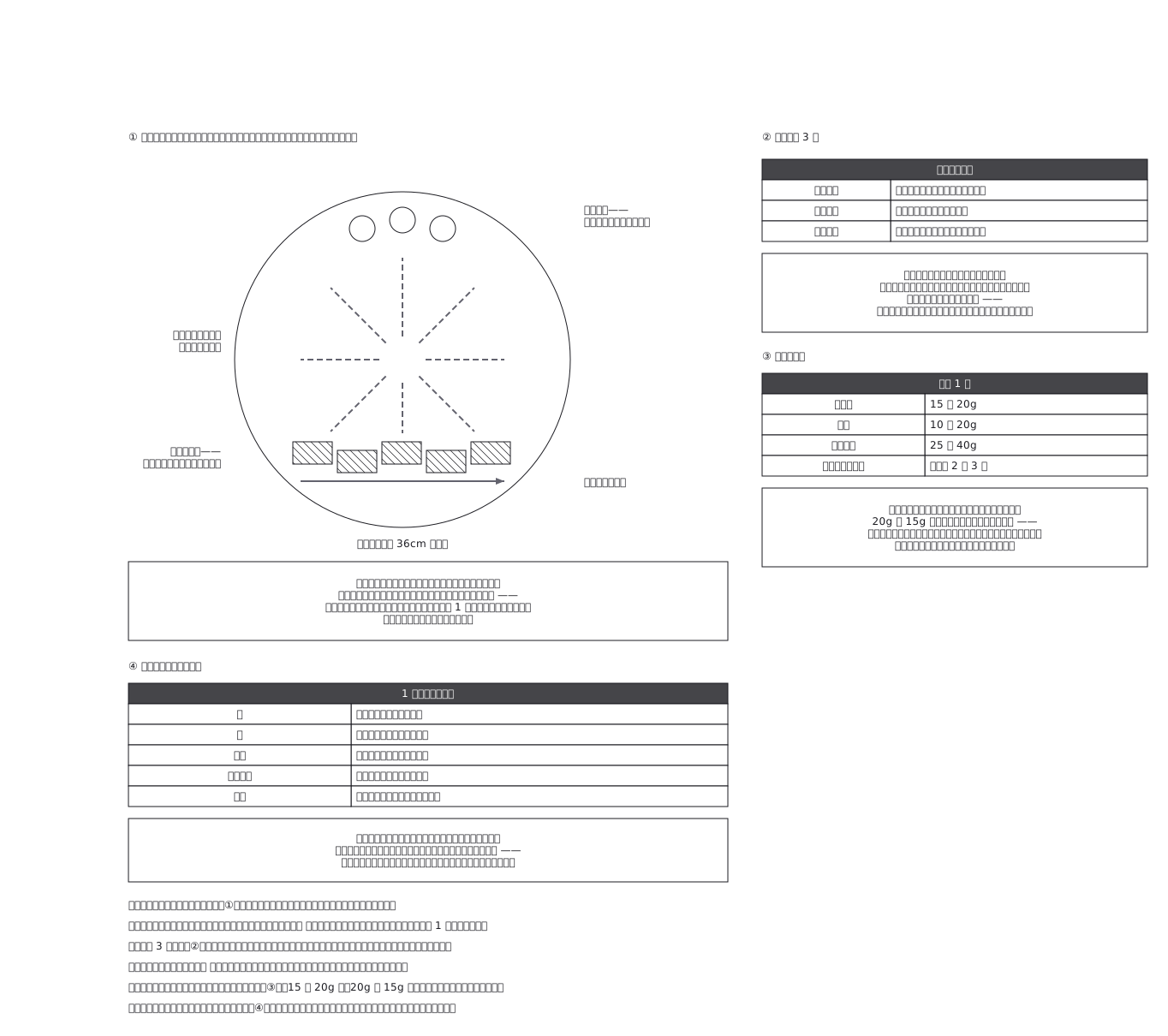 The shape of the vessel decides the arrangement: a round tub is divided radially so every seat sees the same face, while a rectangular plate carries a flowing arrangement because there is only one direction to look from
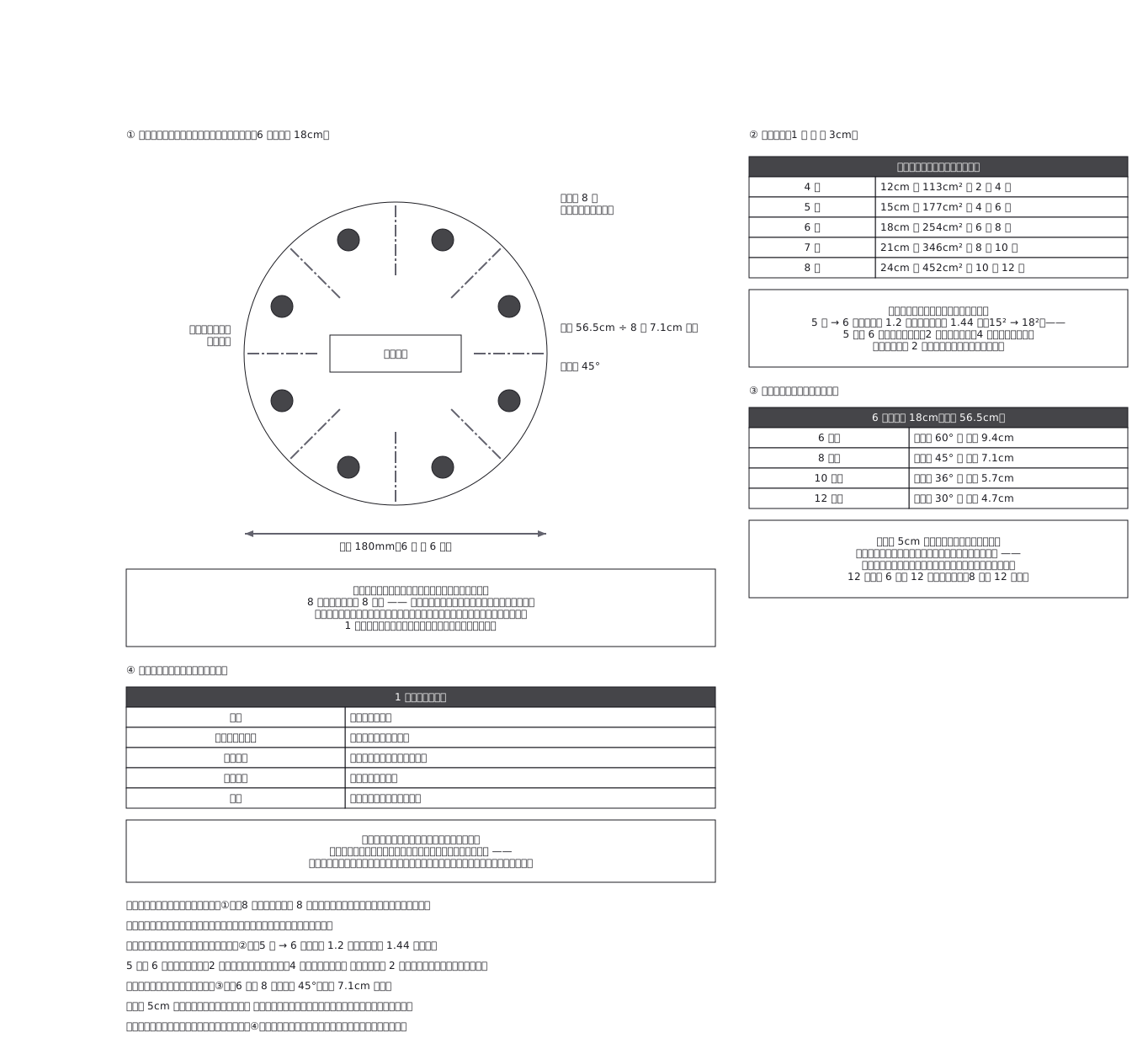 How many strawberries go on a cake is decided by how many slices it will be cut into, and they sit between the cut lines rather than on them — a berry on the line is halved by the knife and lands on two plates
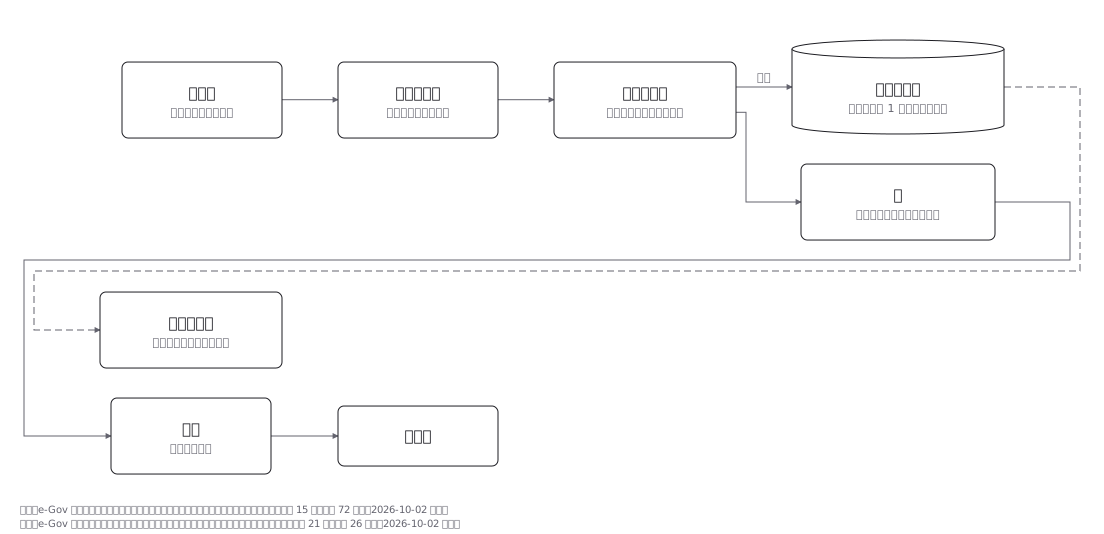 Each business records only one step back and one step forward; the chain is what makes the whole route traceable, so one missing record breaks it — and the lot size chosen at the factory decides how much has to be recalled
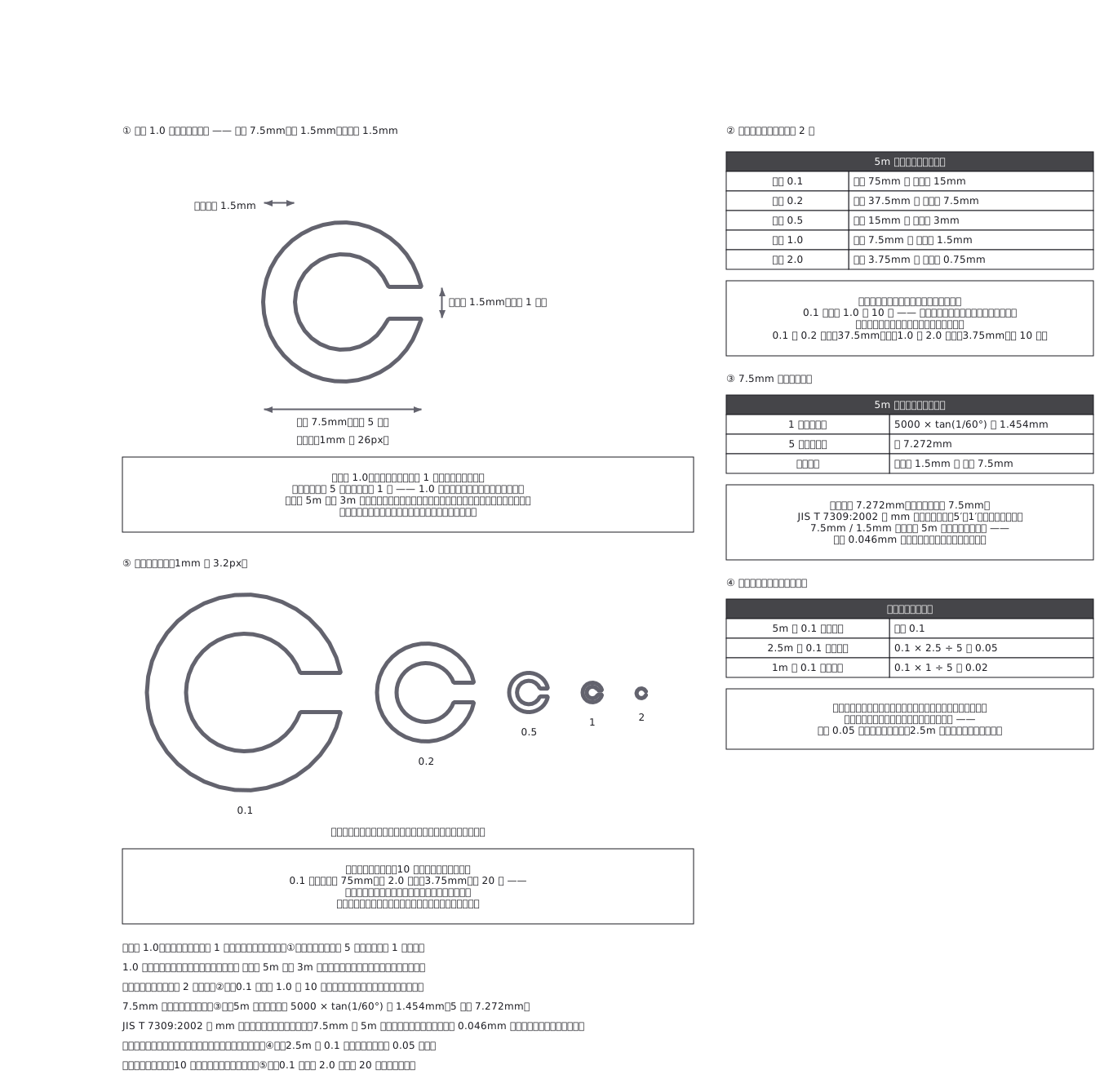 Visual acuity 1.0 is an angle, not a size: the gap must subtend one minute of arc and the whole ring five, which is why a chart for 5m and one for 3m print rings of different sizes
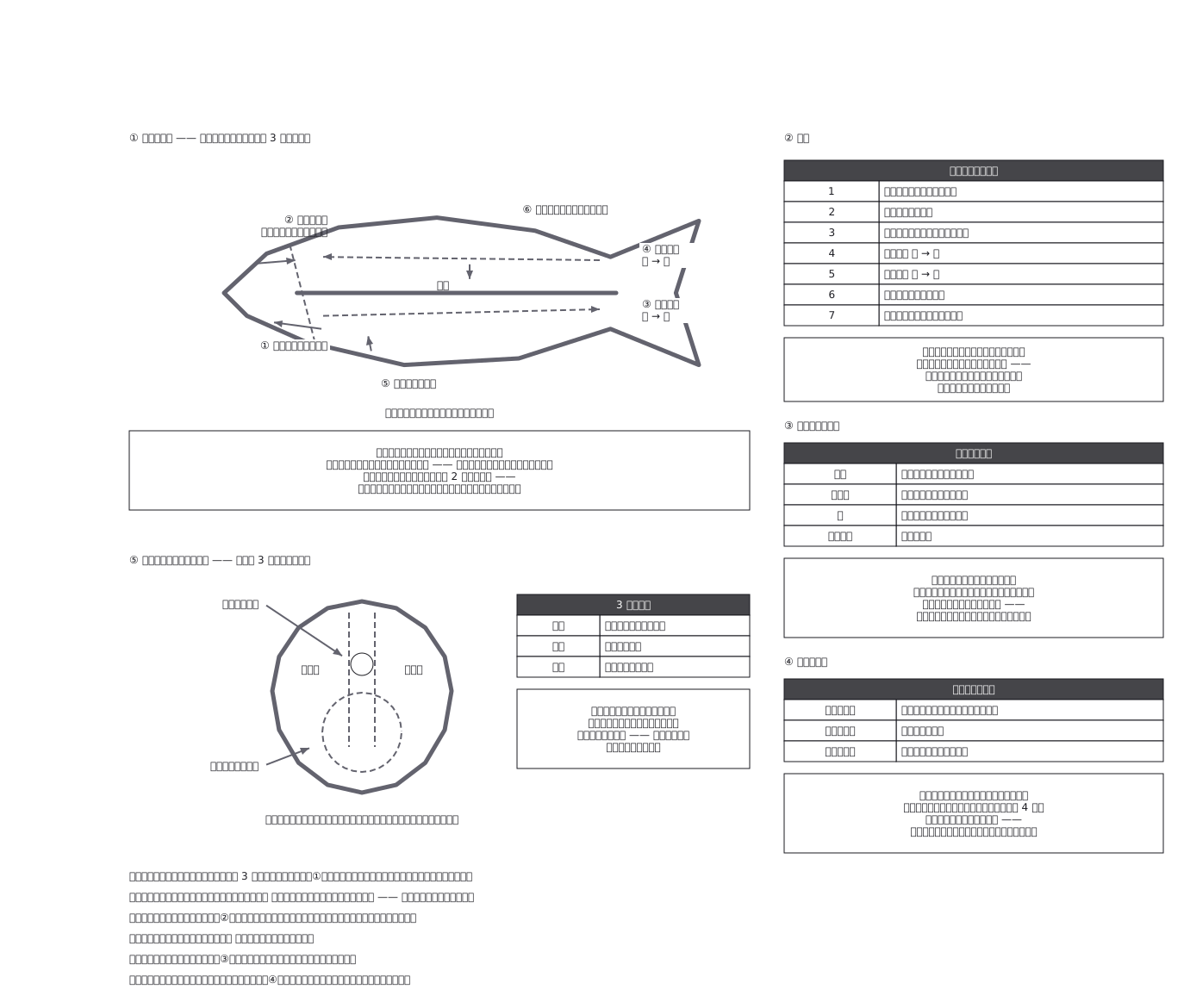 Which way the knife travels is decided by the backbone, not by the cook: the belly side is cut head to tail and the back side tail to head, and a cross-section shows the two cuts running either side of the bone to leave three pieces — right fillet, left fillet, bone
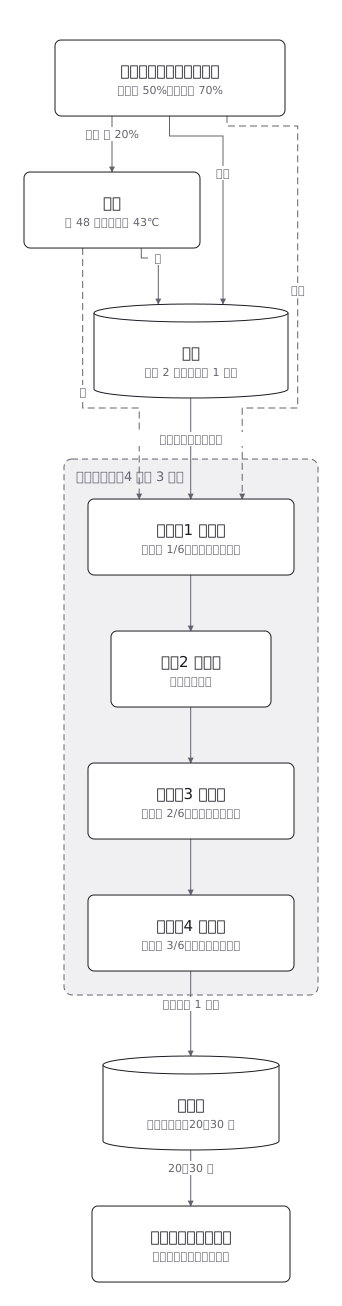 Sake is the rare brew where starch is turned to sugar and sugar to alcohol in the same tank at the same time, so the rice is added in three goes over four days — one sixth, then two, then three — because pouring it all in at once would dilute the lactic acid that keeps the starter safe
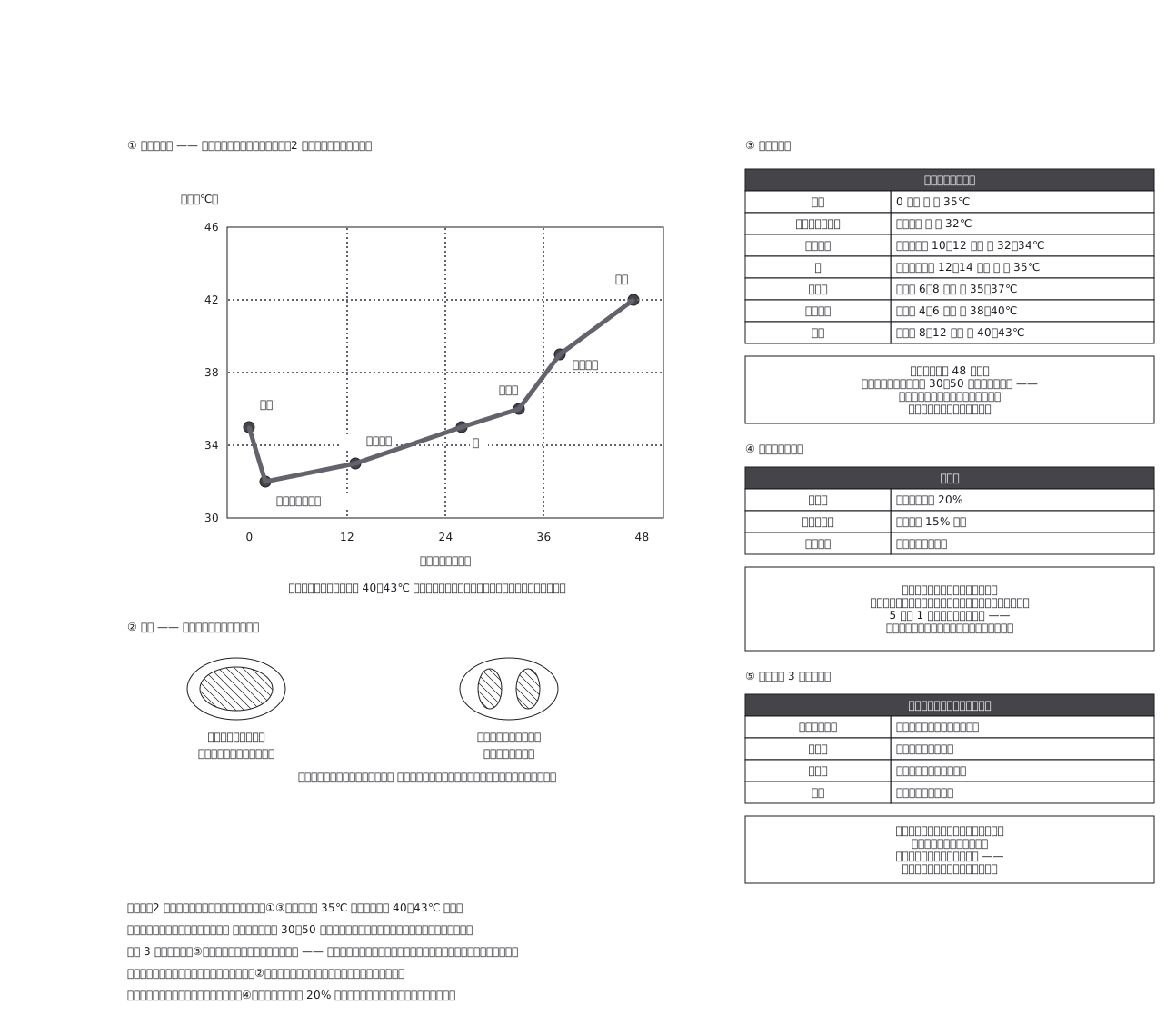 Growing koji is two days of walking a temperature up and stopping it at the top: the mould heats itself as it grows, so the maker cannot hold the temperature down — only decide how often to break the rice up, and the shape of that climb is the recipe
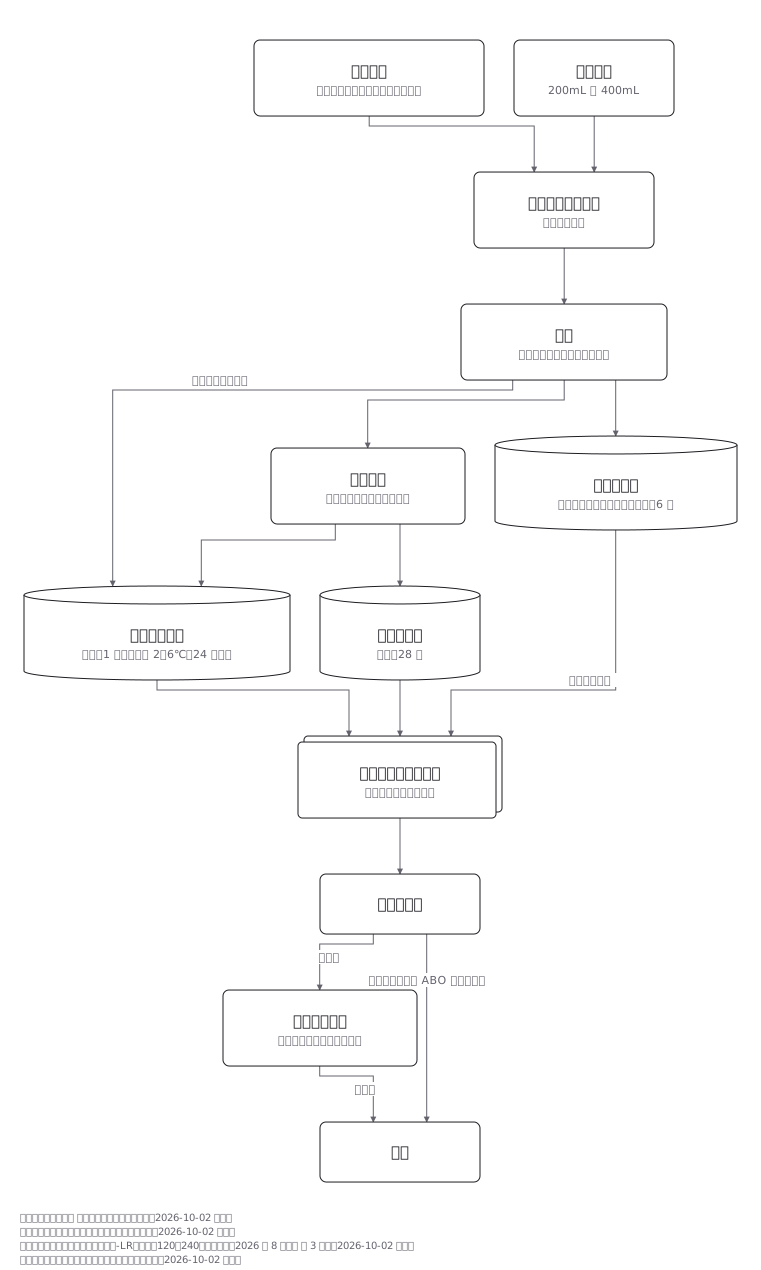 One donation splits into three products that keep for wildly different times — red cells 28 days cold, plasma a year frozen, platelets just four days at room temperature — which is why plasma can be stockpiled and platelets cannot, and why the shortage people talk about is almost always the four-day one
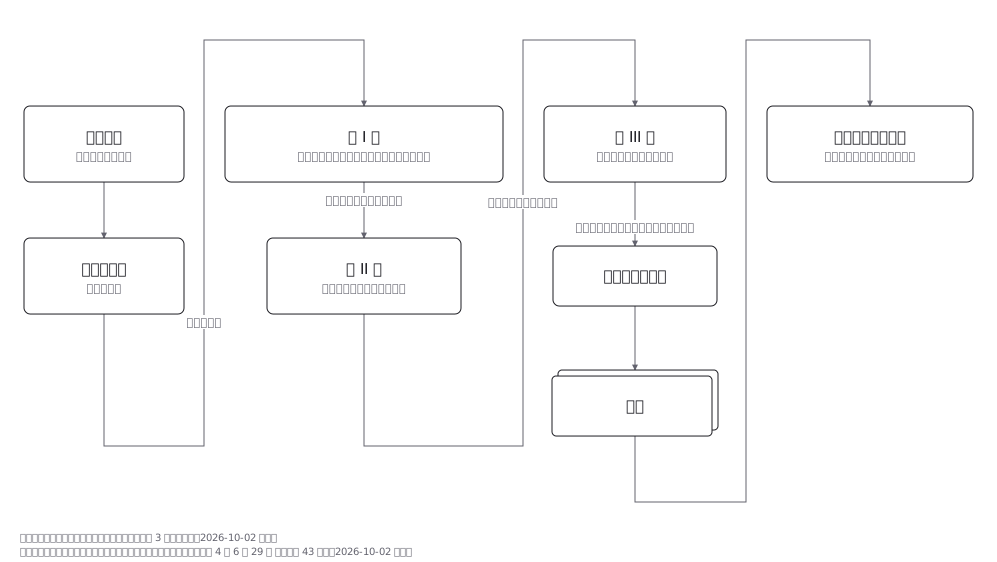 The phases of a clinical trial are not divided by how many people take part but by who they are — healthy volunteers, then a few mildly affected patients, then the people who would actually use the drug — and only the last of the three is described as verifying efficacy rather than examining it
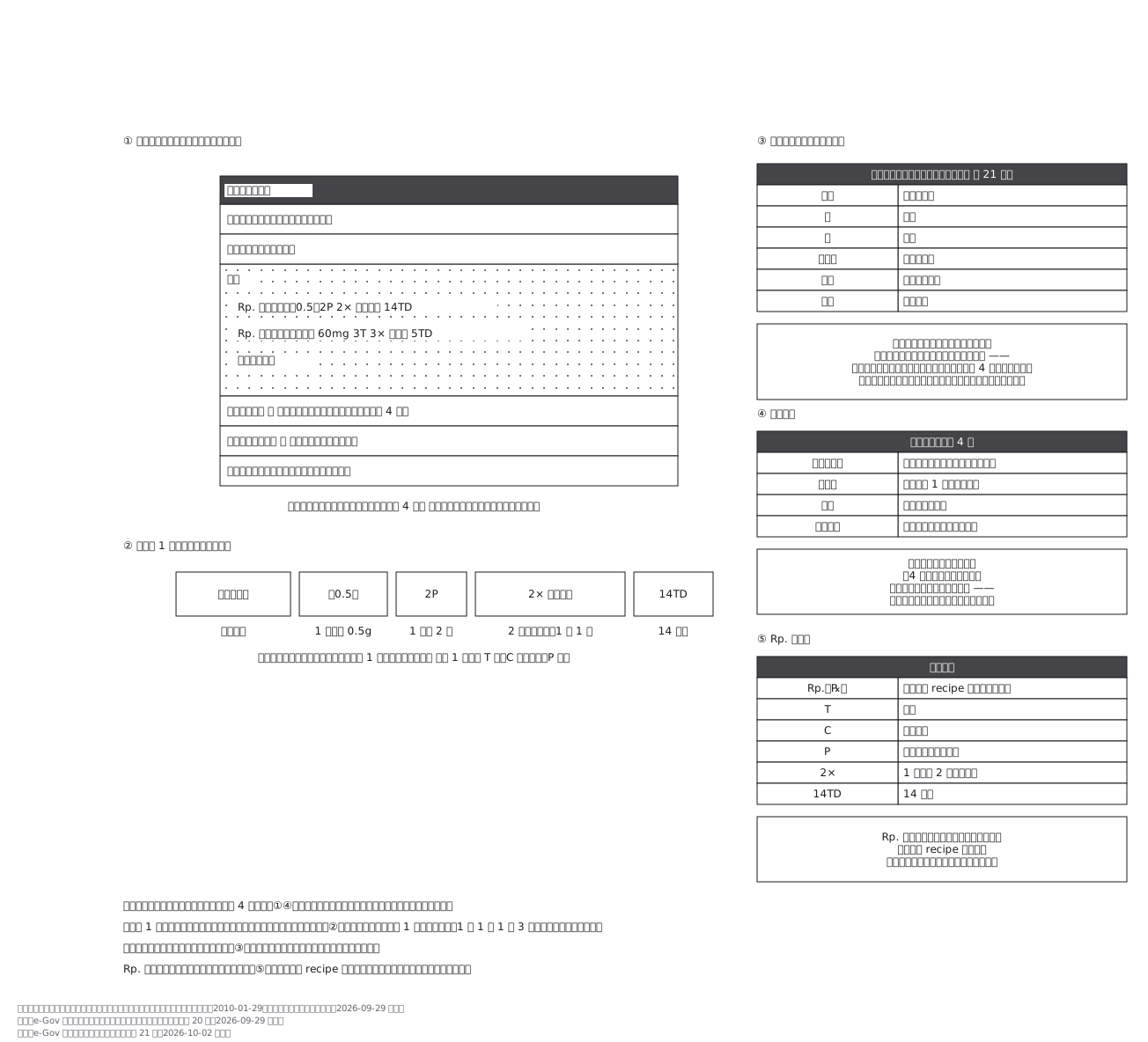 A Japanese prescription form, laid out box by box, with one line of it taken apart: drug name, how much is in one packet, how many packets per dose, how many times a day and when, and how many days it covers — all five in a single line. The form also has to say how long it stays valid, and when that box is left blank the default is four days counted from the day it was issued, holidays included.
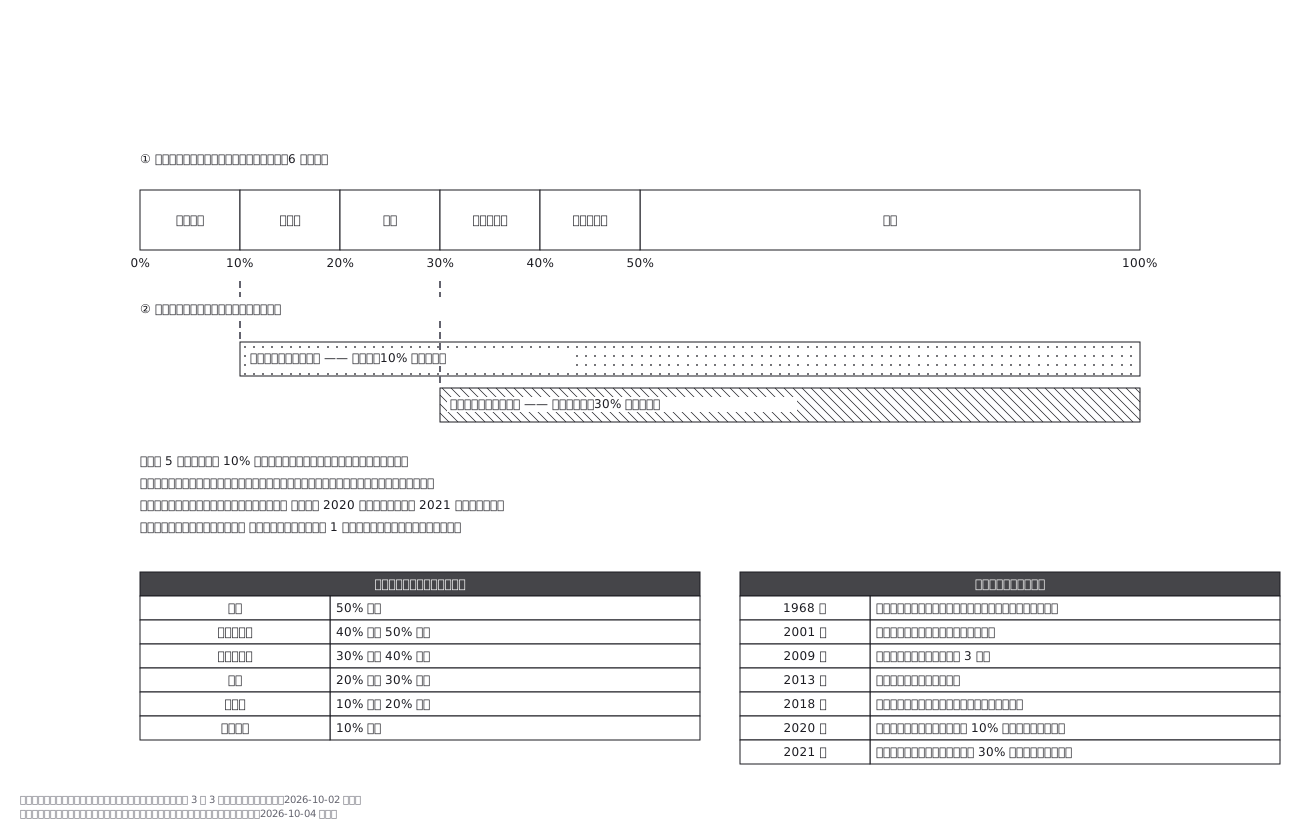 Japan grades earthquake and flood damage to a house on a single scale of economic loss, and the six names on it are just intervals: under 10% is partial, then four ten-point bands, and everything from 50% upward is simply "total". The cuts are where public help begins rather than where the damage looks different, which is why two of them were added only in 2020 and 2021.