Learning and geometry
Compass and straightedge constructions (three basics)
Ruler-and-compass constructions: no scale is used, because equal compass openings make equal lengths
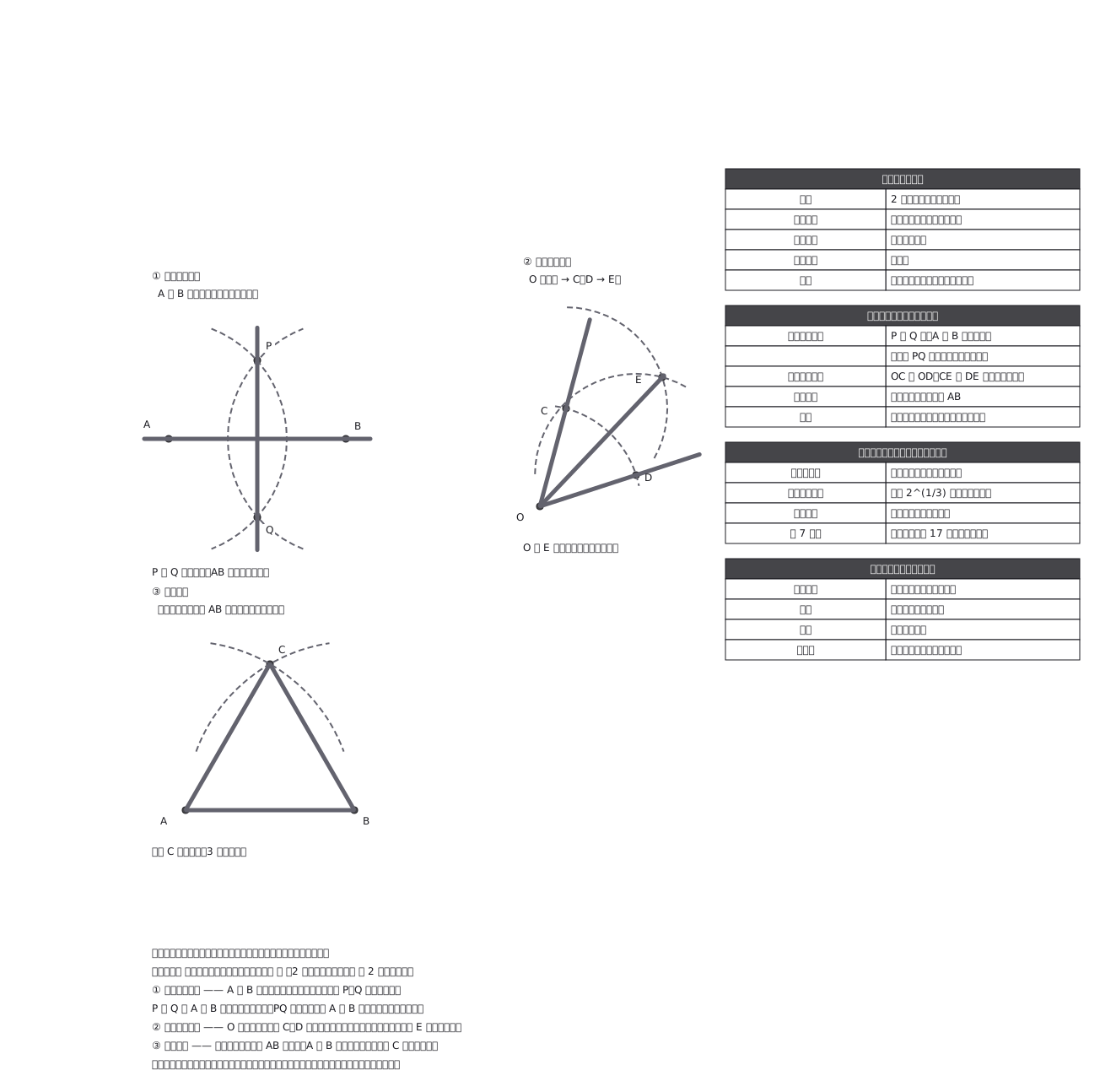
This drawing comes from one YAML file. No shape was moved by hand.
Notes in the source (in Japanese)
目盛りは使わない。
使えるのは「同じ長さを移す」(コンパス)と「2 点を結ぶ」(定規)の 2 つだけ。「同じ開き」が、等しい長さを作る —— だから目盛りが要らない。
破線は作図の跡(弧)。実際の答案でも消さずに残す —— どう作ったかが答えだから。
Source (YAML)
examples/gallery/209-コンパスと定規の作図.zumen.yaml
More in this field
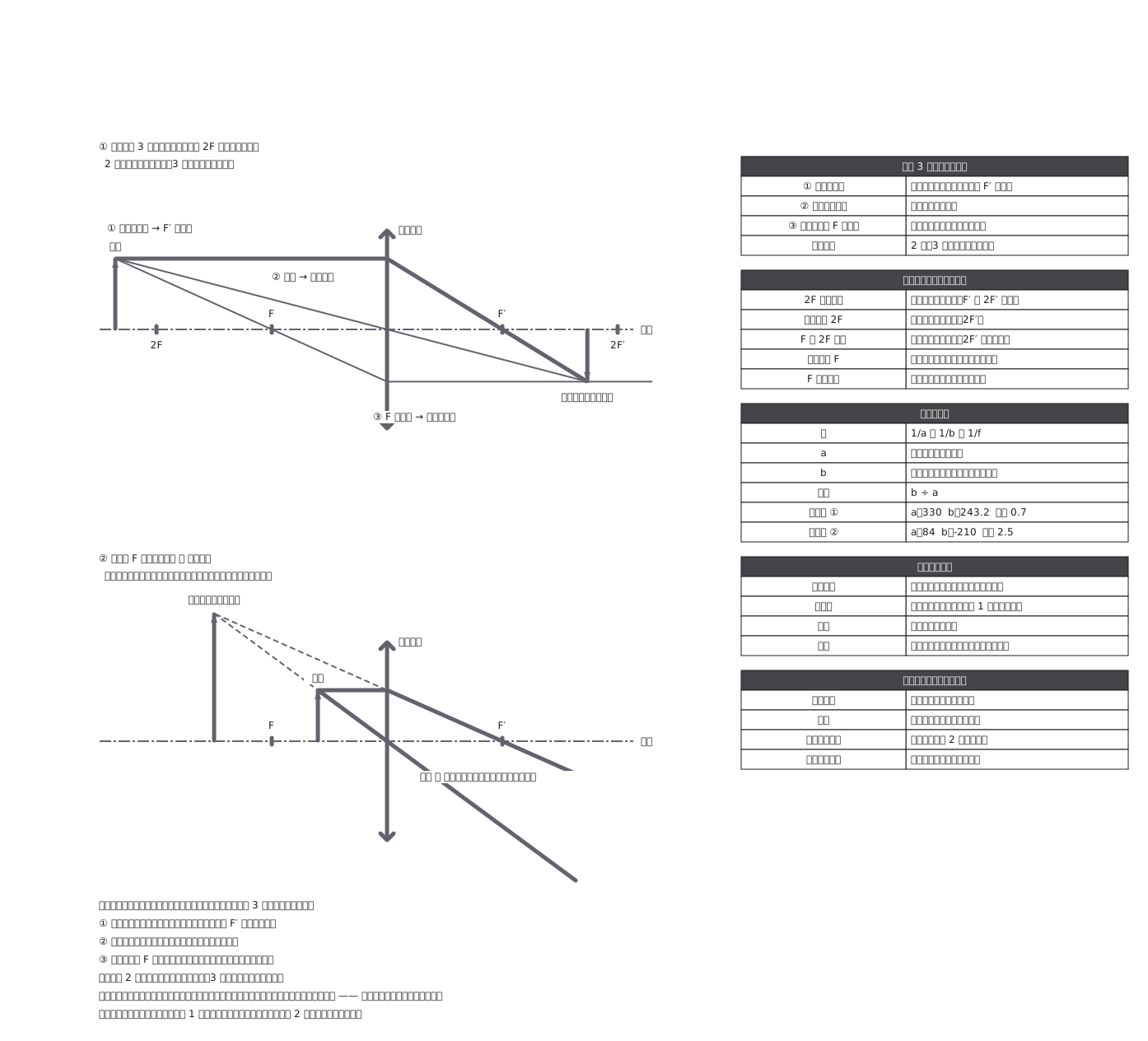 Ray tracing through a convex lens: there are only three lines to draw, and two of them fix the image
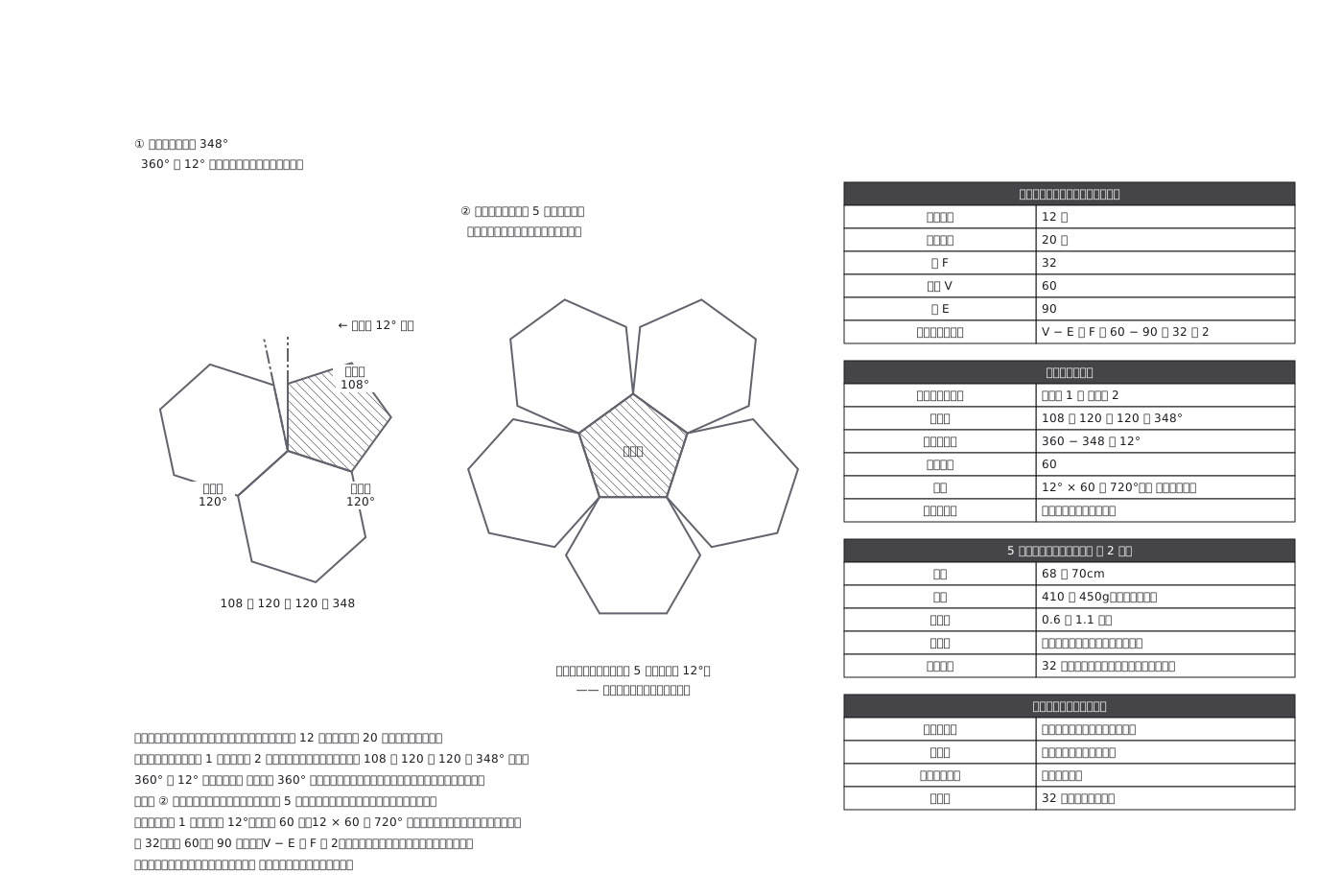 A football is a truncated icosahedron: the 12 degrees missing at every vertex are what make it a sphere
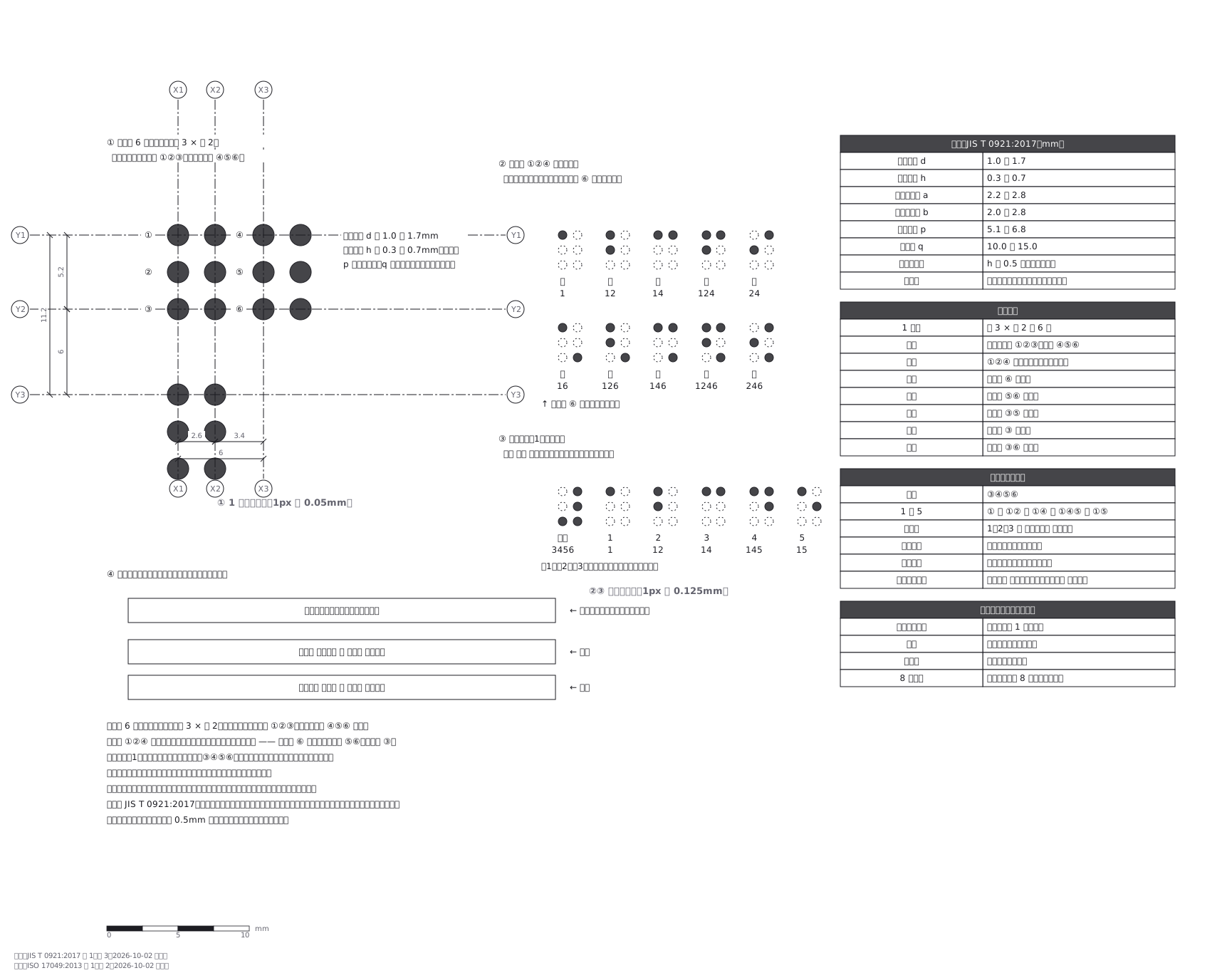 Braille has only six dots, so “a” and “1” are the same shape until a number sign says otherwise
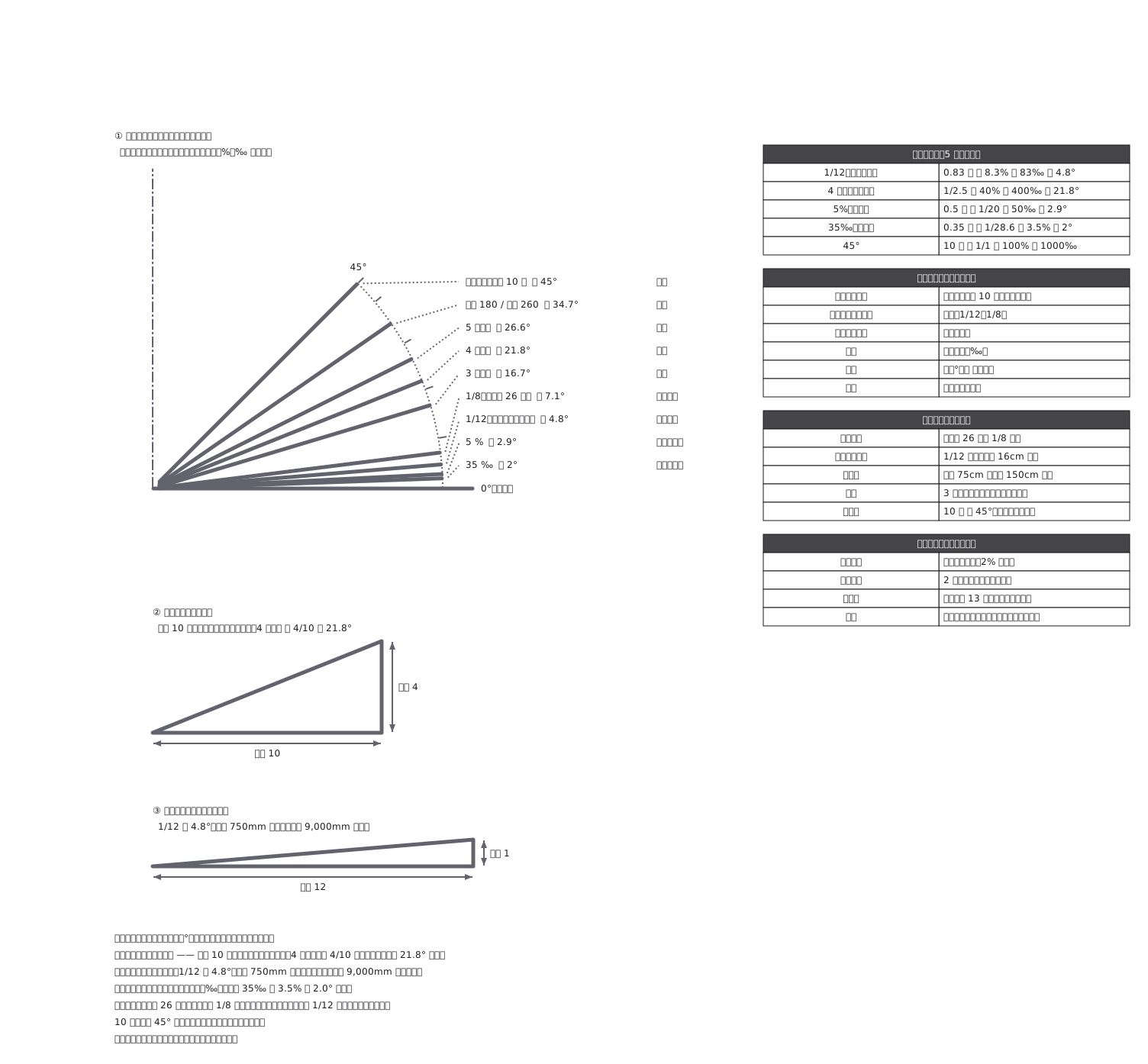 Slope notation: roofs in sun, ramps in fractions, roads in percent, railways in per mille — degrees are the minority
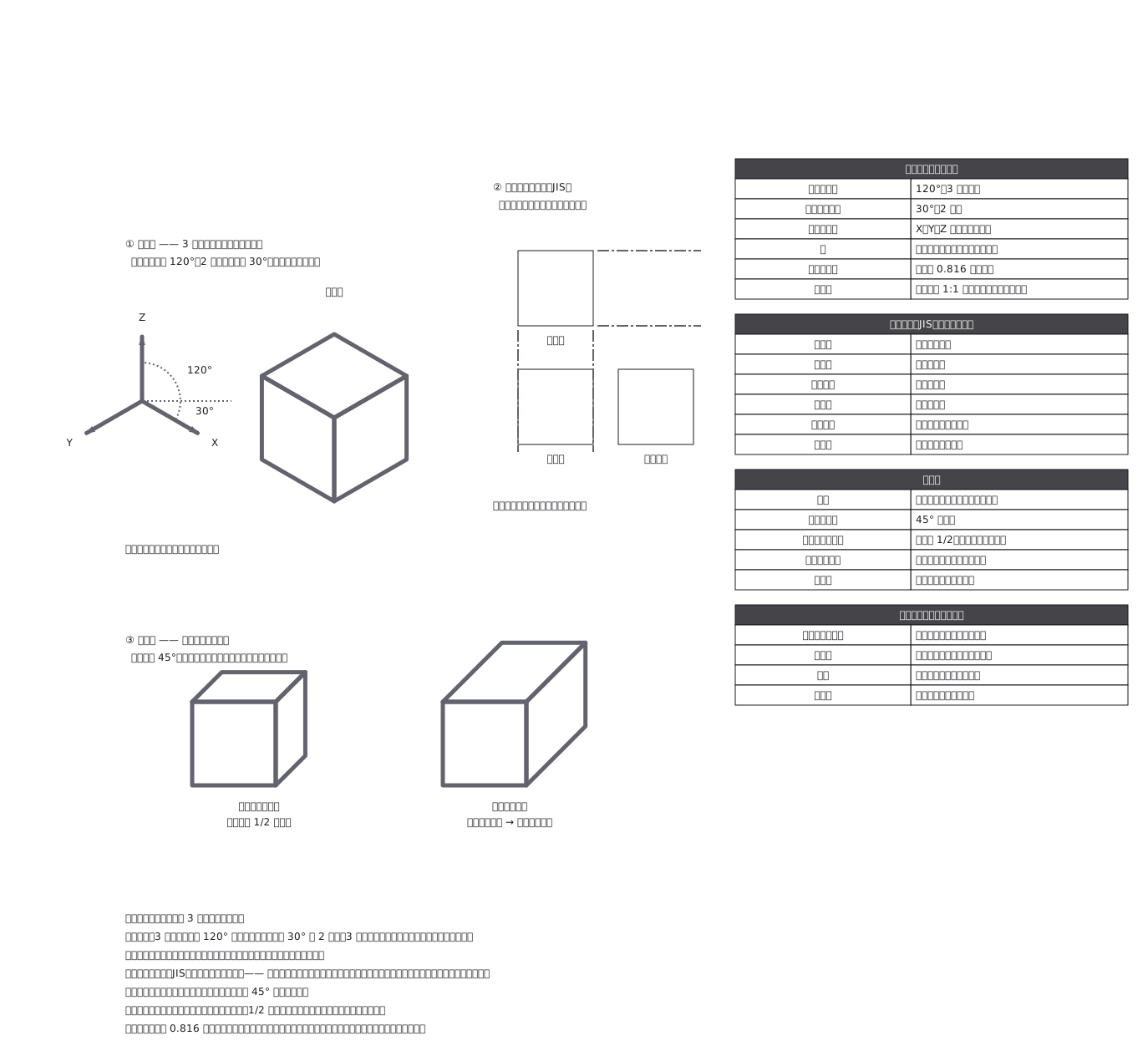 Isometric, third-angle and oblique: one scale serves all three axes, but circles become ellipses
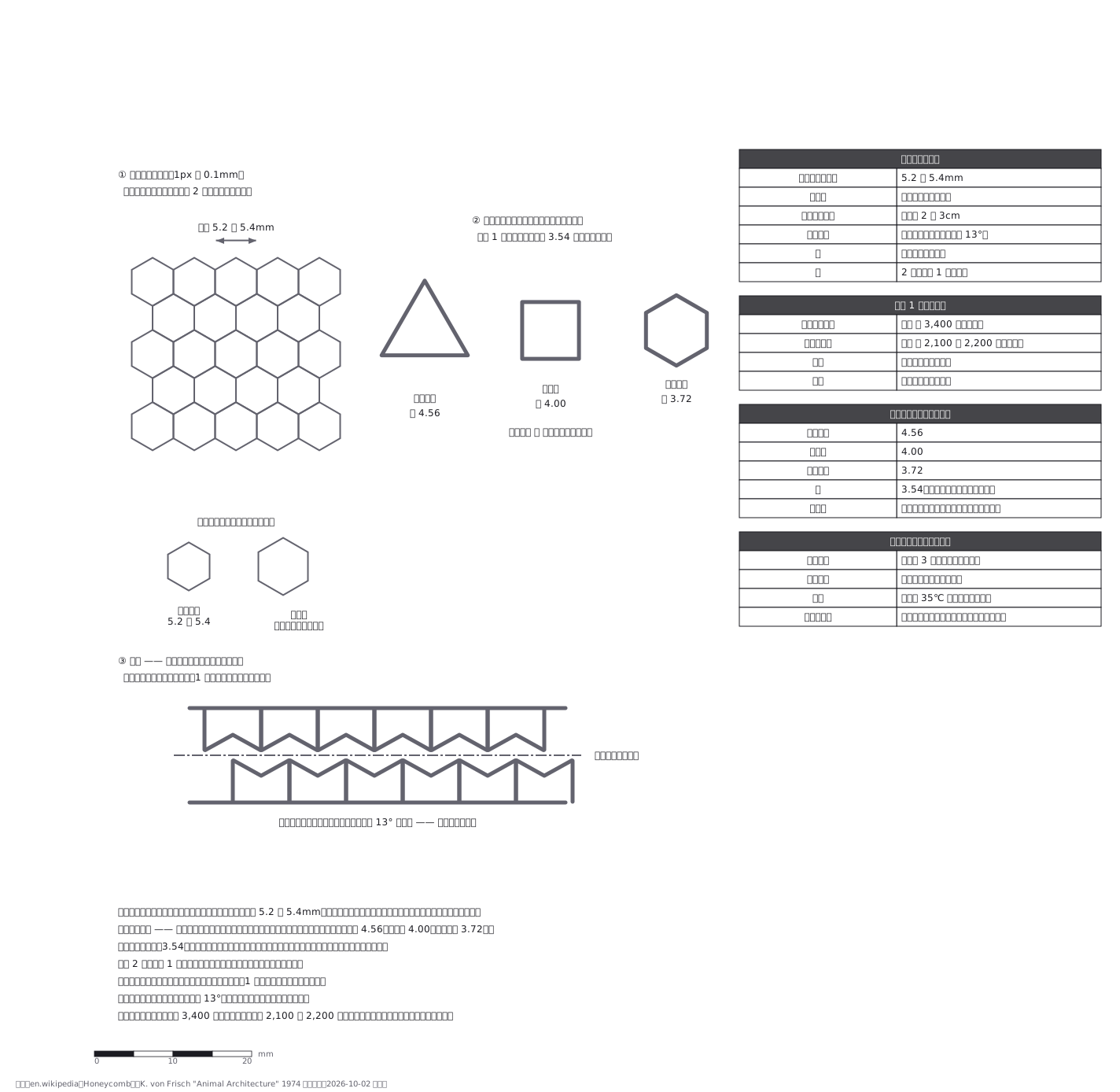 Honeycomb cells: for a given area the hexagon has the shortest wall of any shape that tiles
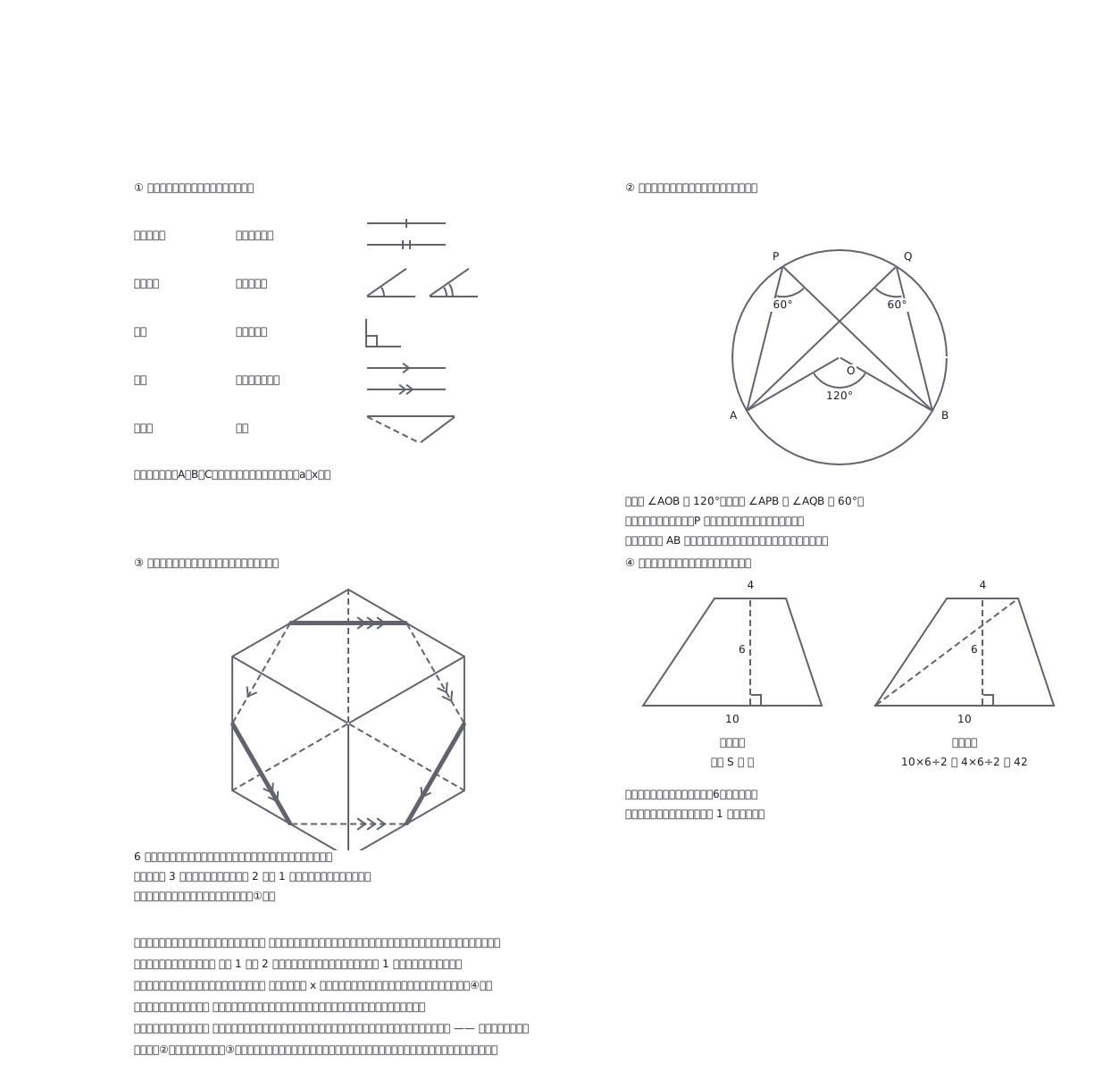 Figures in maths problems: the marks carry the meaning — equal ticks, right-angle squares, parallel chevrons — and only the given values are written on the figure
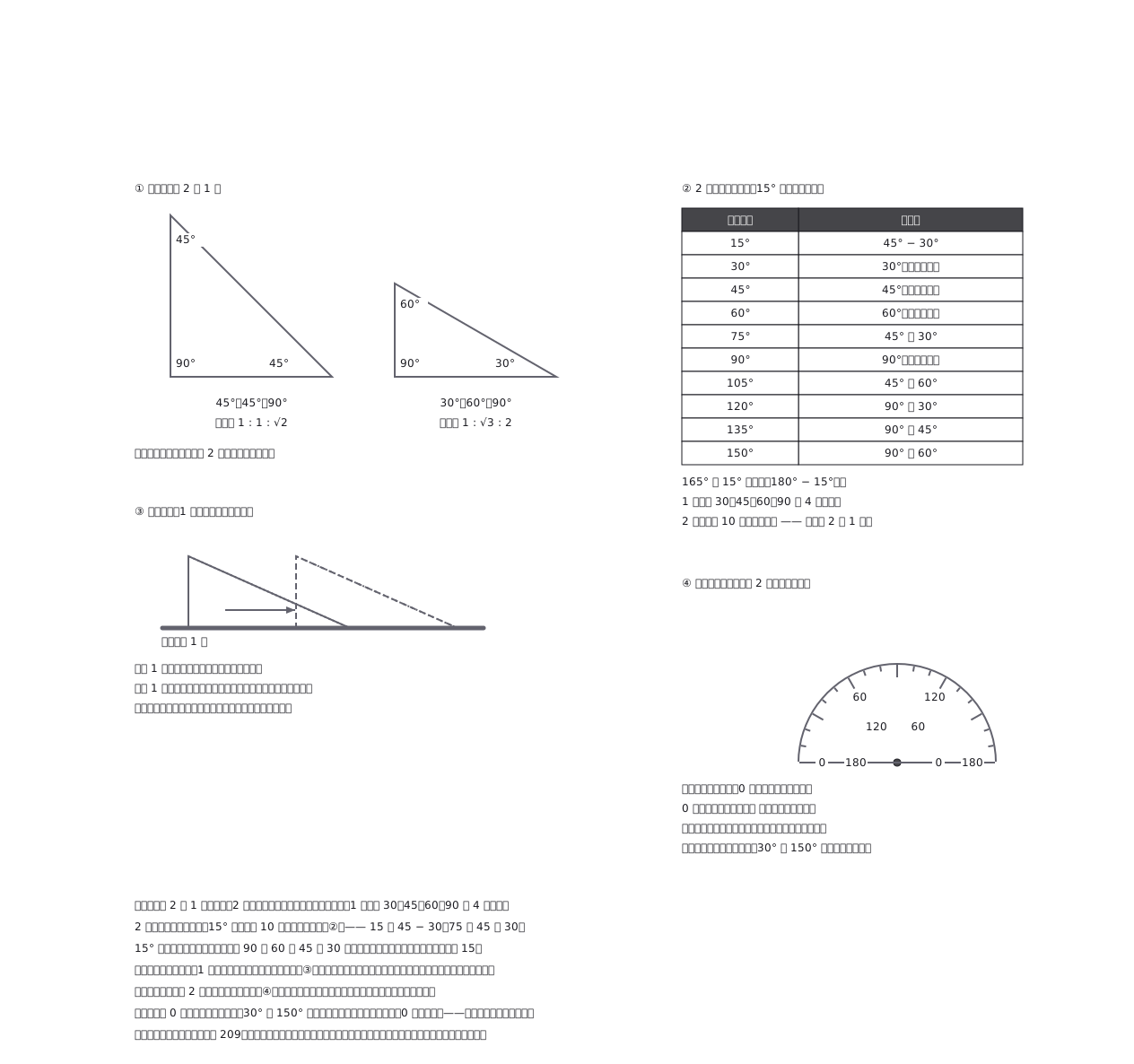 Two set squares come as a pair because two of them make ten angles in 15-degree steps, where one alone makes only four