Learning and geometry
The shape of the periodic table is the electron configuration itself
The shape of the periodic table is the electron configuration: block widths of 2, 6, 10 and 14 are orbital capacities, so no other width is possible
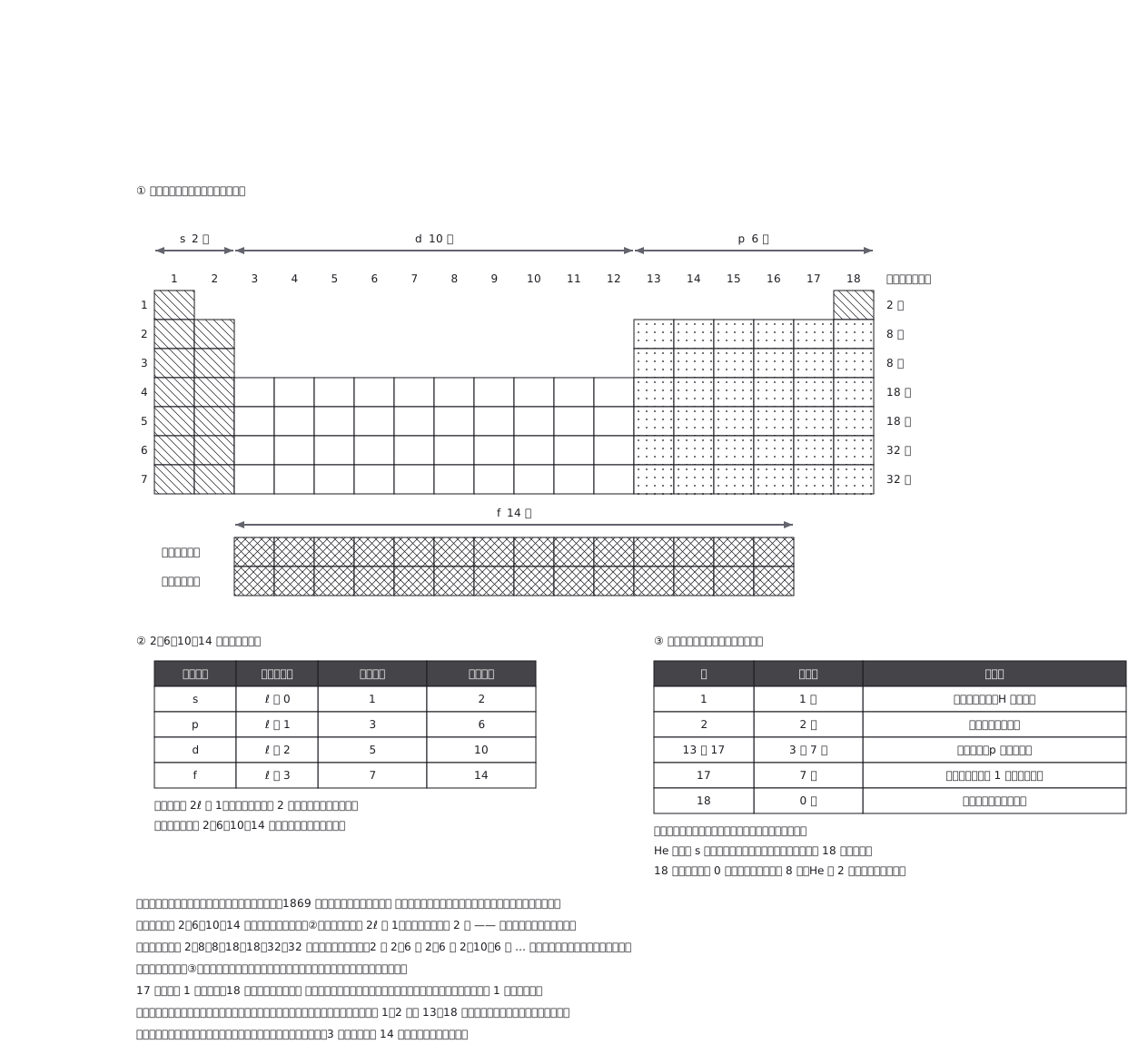
This drawing comes from one YAML file. No shape was moved by hand.
Notes in the source (in Japanese)
ブロックの幅 2・6・10・14 は、軌道の定員。
軌道の数は 2ℓ + 1、入る電子はその 2 倍(上向きと下向き)——だから列の幅はこの 4 つの数にしかならない。各周期の元素数 2・8・8・18・18・32・32 も、同じ足し算。
族は価電子の数。 同じ族が似た性質なのは、いちばん外の電子の数が同じだから。
ランタノイドとアクチノイドを下に出すのは、入り切らないから ——あの「離れ小島」は紙の都合で、電子の並びとしては 3 族に 14 列ぶん挟まっている。
Source (YAML)
examples/gallery/233-周期表の形.zumen.yaml
More in this field
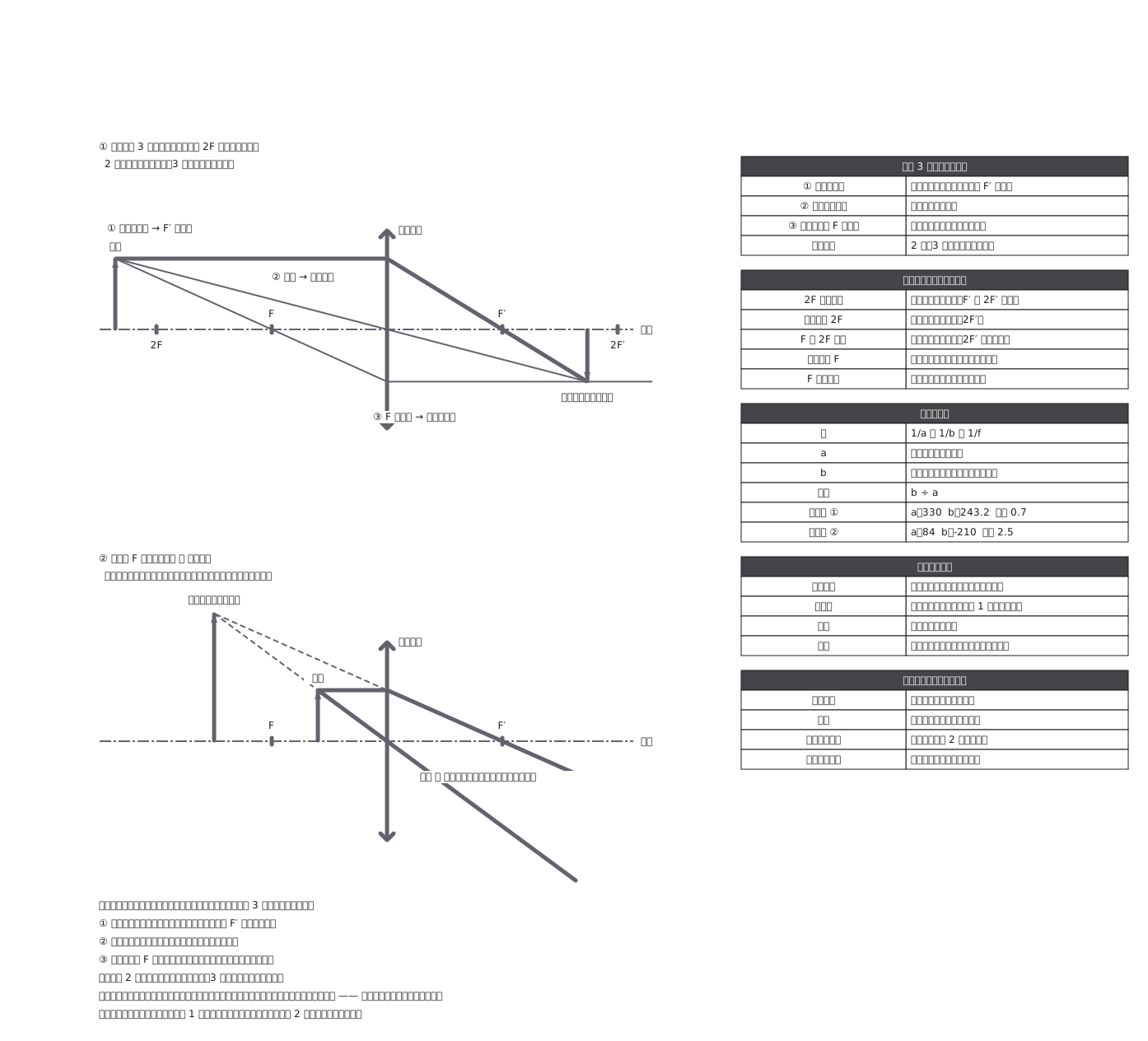 Ray tracing through a convex lens: there are only three lines to draw, and two of them fix the image
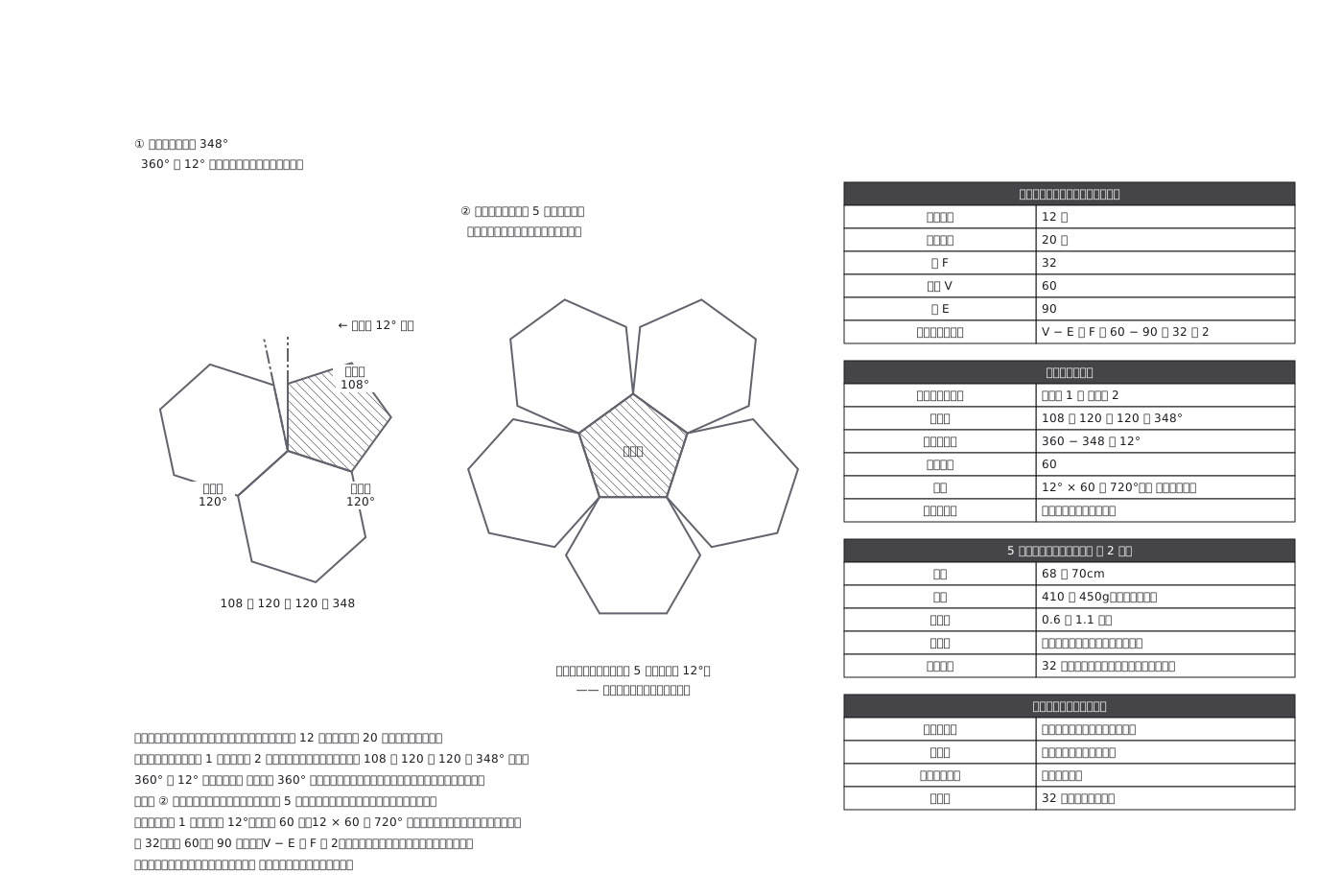 A football is a truncated icosahedron: the 12 degrees missing at every vertex are what make it a sphere
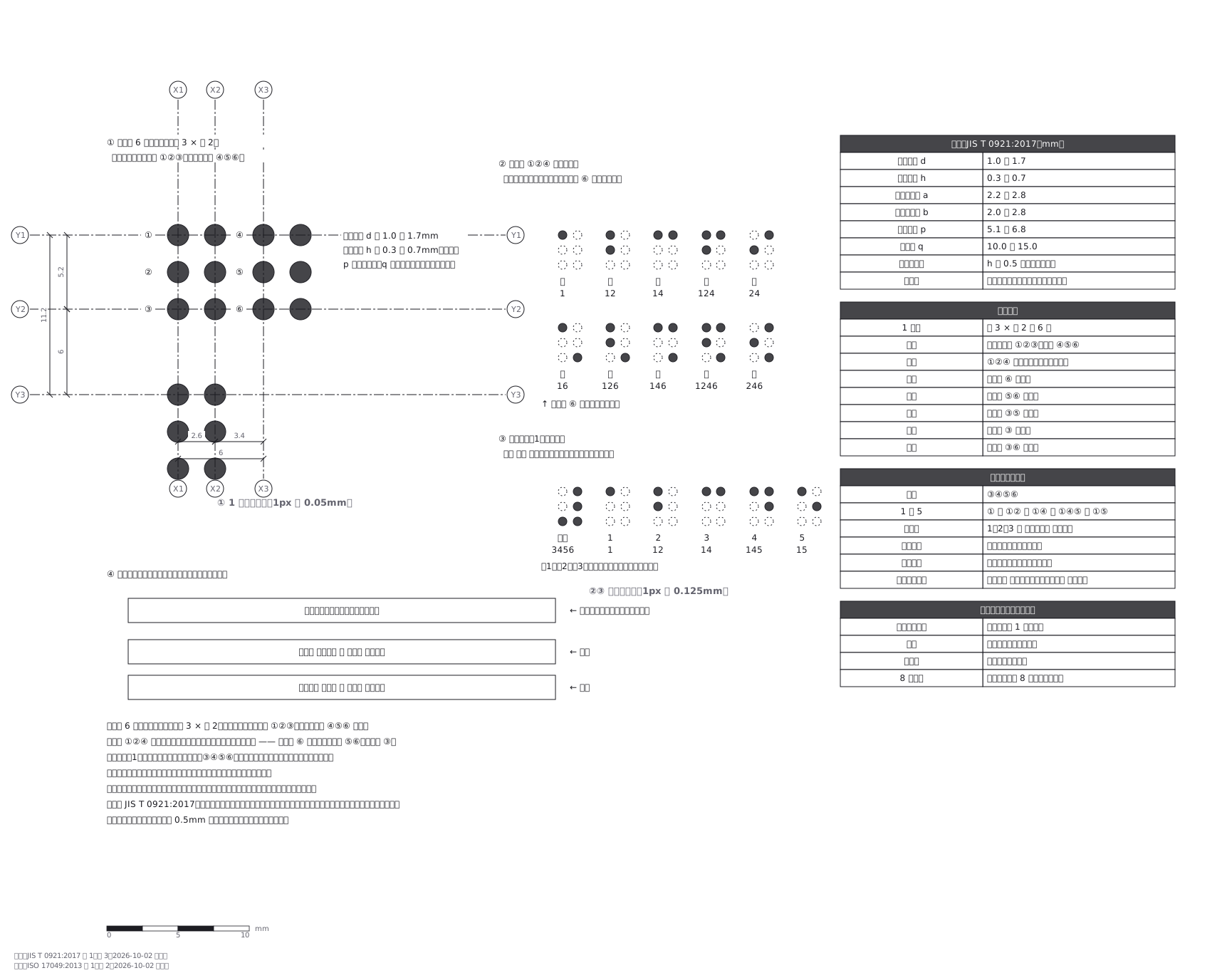 Braille has only six dots, so “a” and “1” are the same shape until a number sign says otherwise
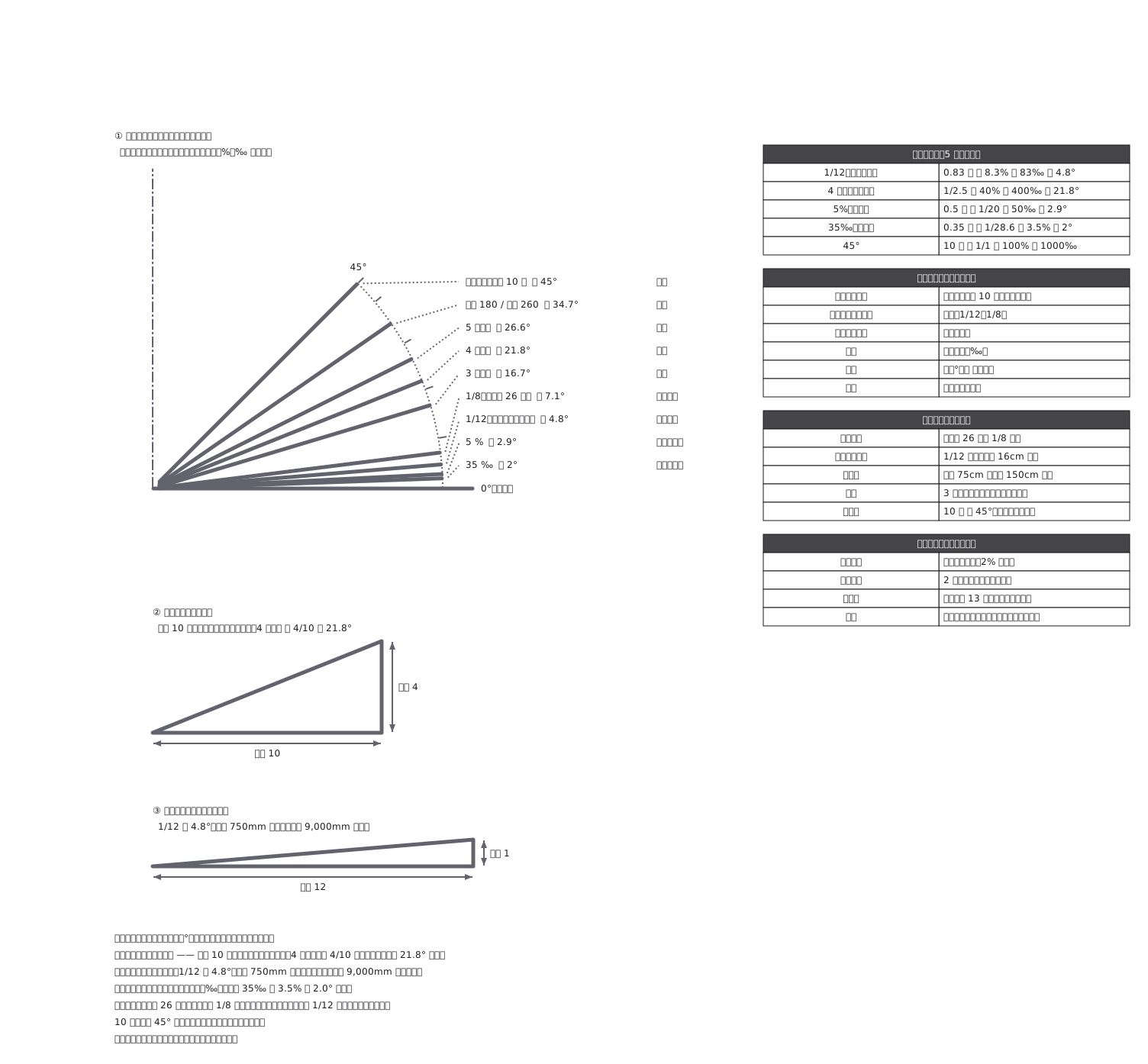 Slope notation: roofs in sun, ramps in fractions, roads in percent, railways in per mille — degrees are the minority
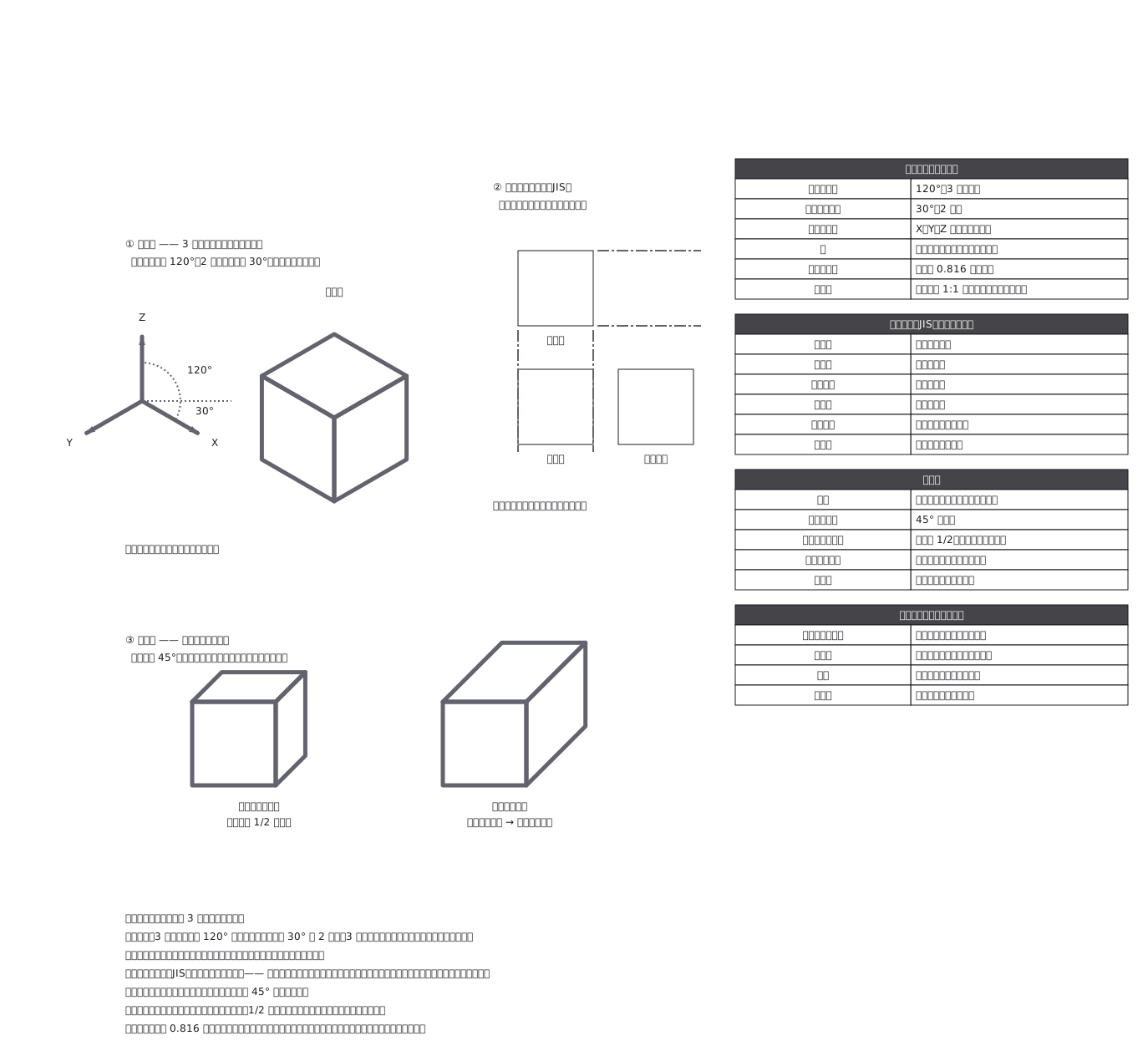 Isometric, third-angle and oblique: one scale serves all three axes, but circles become ellipses
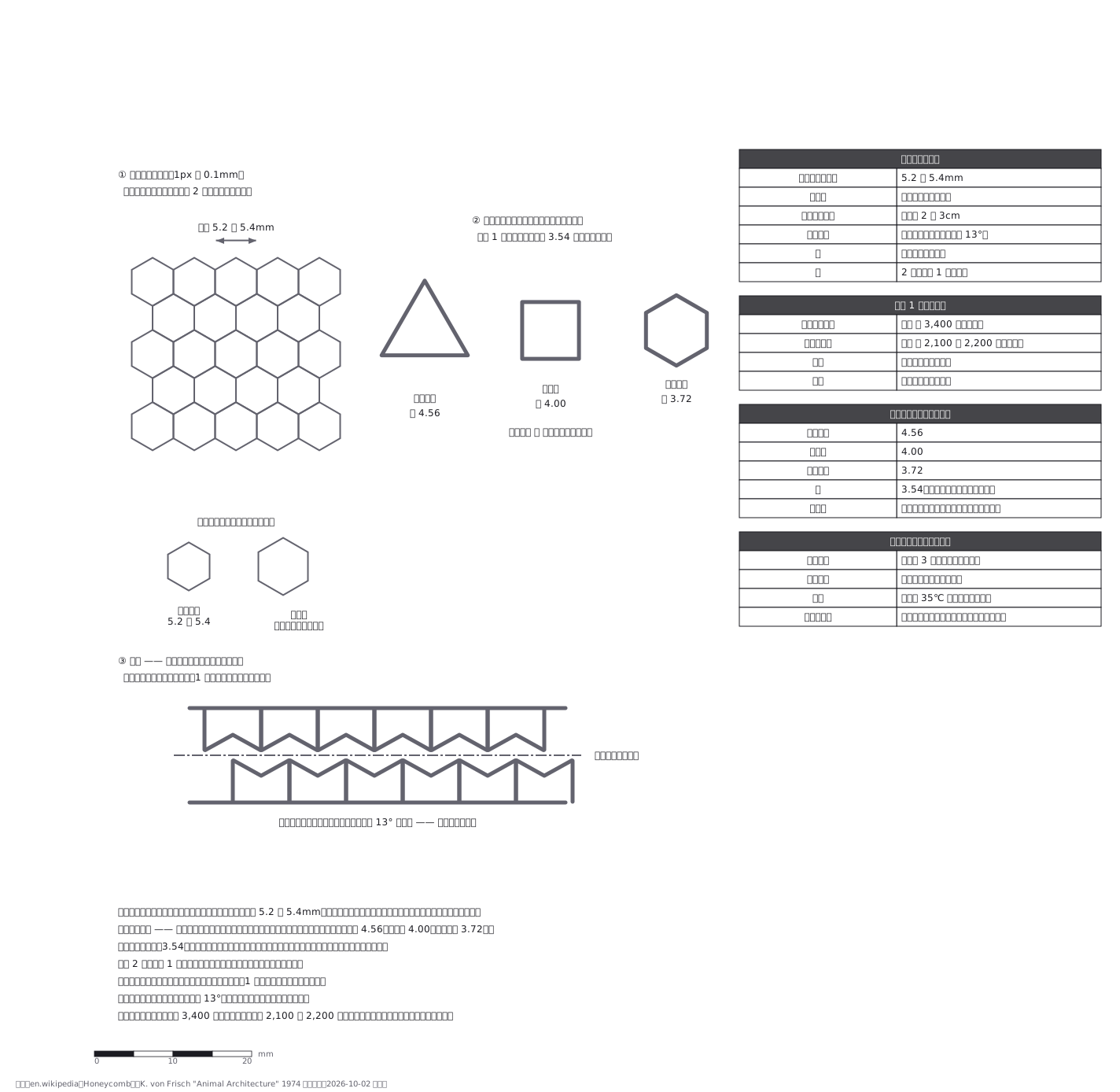 Honeycomb cells: for a given area the hexagon has the shortest wall of any shape that tiles
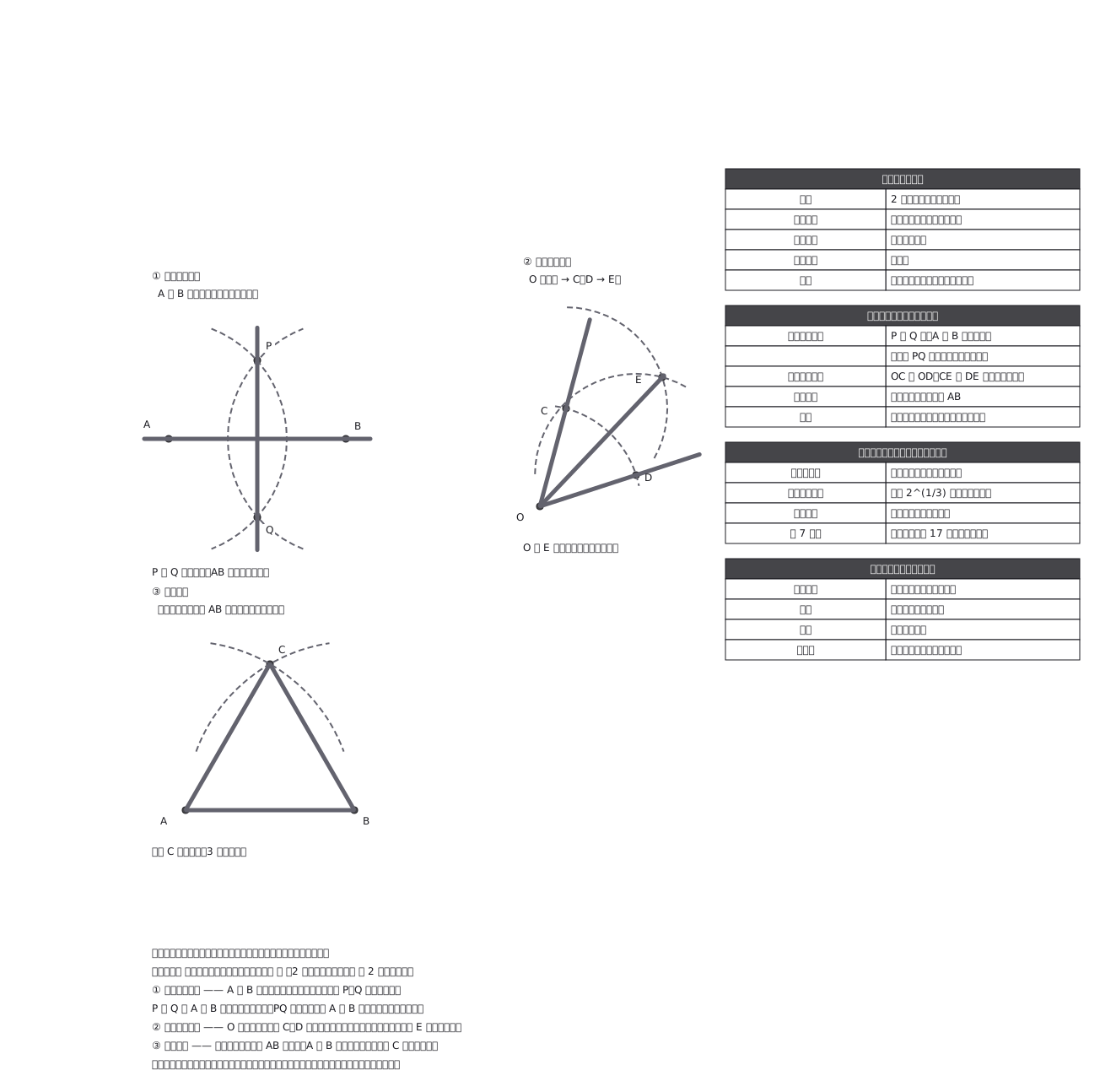 Ruler-and-compass constructions: no scale is used, because equal compass openings make equal lengths
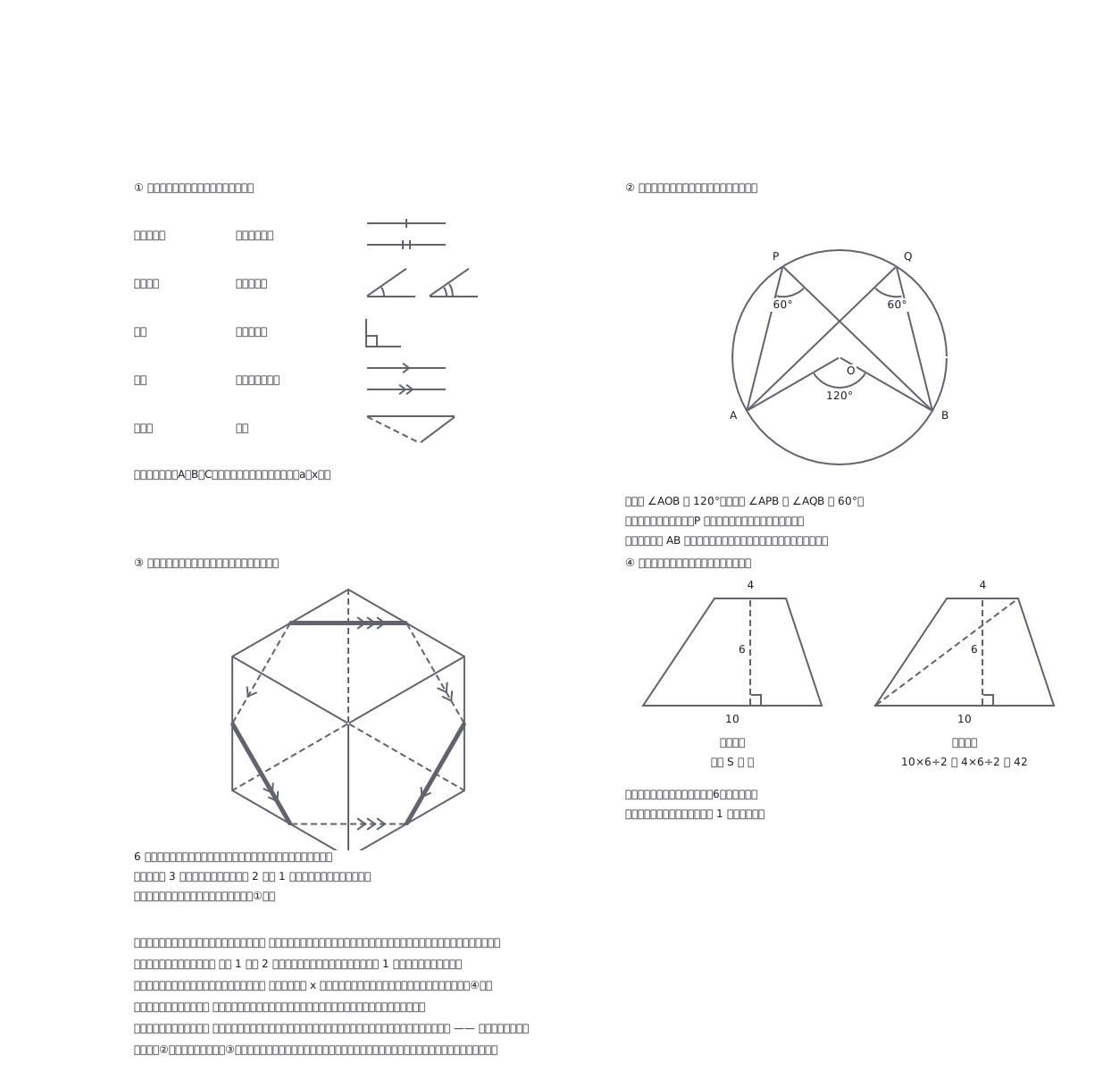 Figures in maths problems: the marks carry the meaning — equal ticks, right-angle squares, parallel chevrons — and only the given values are written on the figure