Health, food and farming
Sushi tub arrangement diagram — the vessel's shape decides the layout
The shape of the vessel decides the arrangement: a round tub is divided radially so every seat sees the same face, while a rectangular plate carries a flowing arrangement because there is only one direction to look from
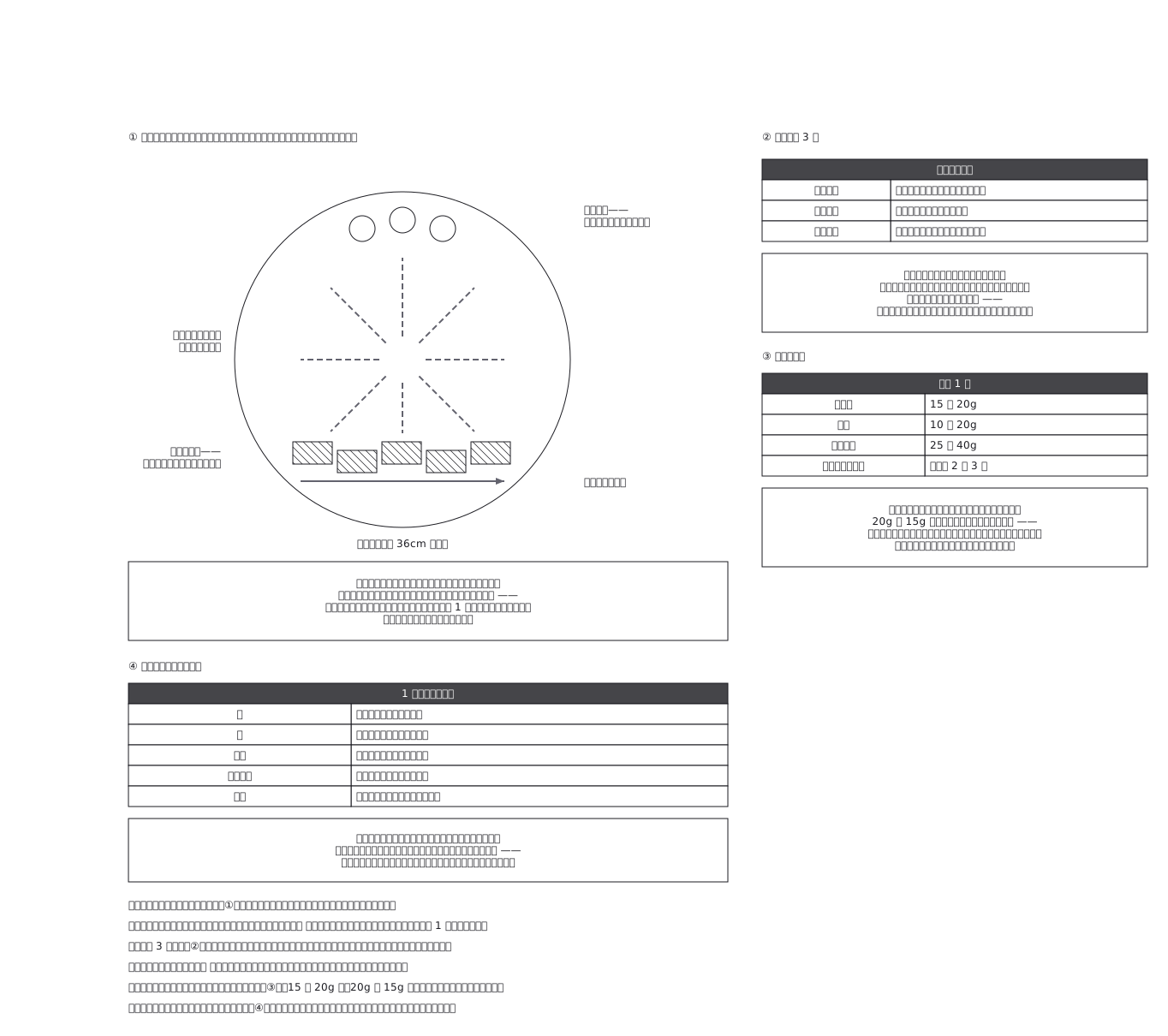
This drawing comes from one YAML file. No shape was moved by hand.
Notes in the source (in Japanese)
丸い桶を四角に並べると、必ず誰かに横向きで出る。中心から放射に割る(放射盛り)と、どの席から見ても同じ向きになる ——長方形の器で流し盛り(左上から右下へ流す)が効くのは、見る向きが 1 つだから。器の形が、並べ方を決めている。
盛り方は 3 つ。 流し盛り/放射盛り/山水盛り(奥に山、手前に川)。山水は和食の盛り付けの基本の形で、奥に高いもの・手前に低いものを置くと、上から見ても立体に見える —— 寿司では細巻きを積んで山にし、握りを流して川にする。
シャリの重さは、盛り付けの前に決まっている。握り 1 つはシャリ 15〜20g + ネタ 10〜20g で、合わせて 25〜40g。20g と 15g では同じ桶に並ぶ数が変わるので、桶の割り付けは、シャリの重さを決めてからでないと引けない。(江戸時代の握りは、いまの 2〜3 倍の大きさだった。)
盛付指示図は、絵心を渡す紙ではない。 器・型・向き・数と位置・高さの 5 つを書いて、初めて同じ形が再現できる ——向きと高さを書かない図は、上から見た配置しか伝えていない。
Source (YAML)
examples/gallery/275-寿司桶の盛付指示図.zumen.yaml
More in this field
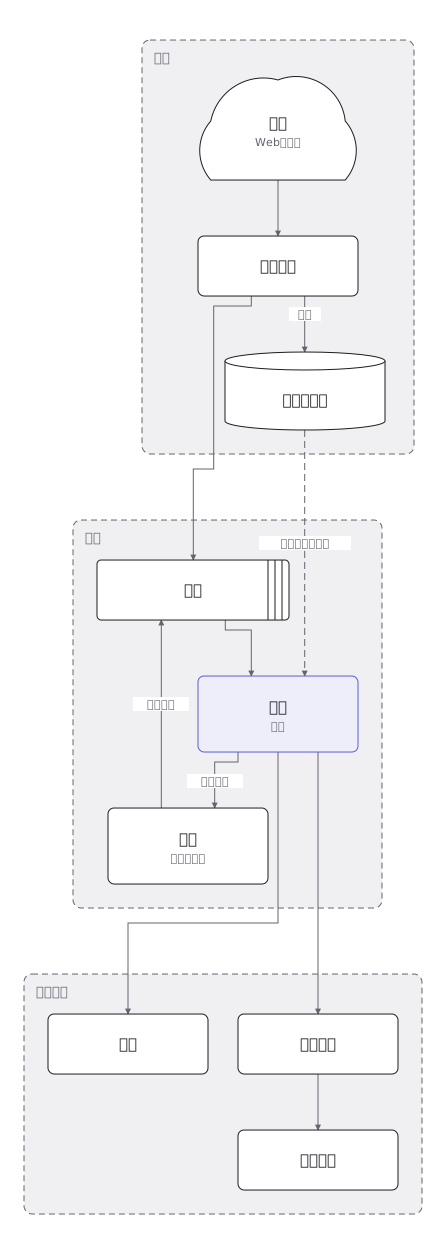 How an outpatient moves through a hospital — reception, consultation, tests, payment, prescription — and where each department keeps people waiting
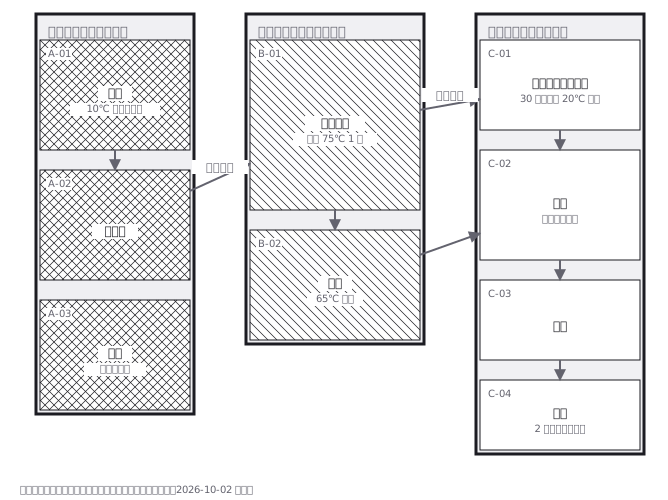 A school meal kitchen split into contaminated and clean zones, with the paths of food, people and crockery kept from crossing
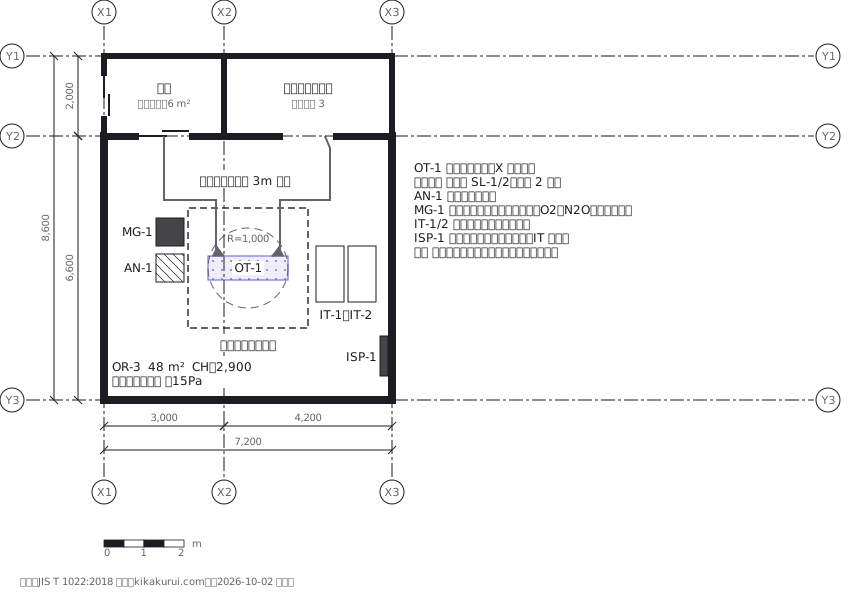 An operating room laid out around the table: surgical light, anaesthesia machine, electrosurgical unit and monitors, with the sterile field
 The fourteen meridians and their principal points, named to the WHO standard acupuncture point locations
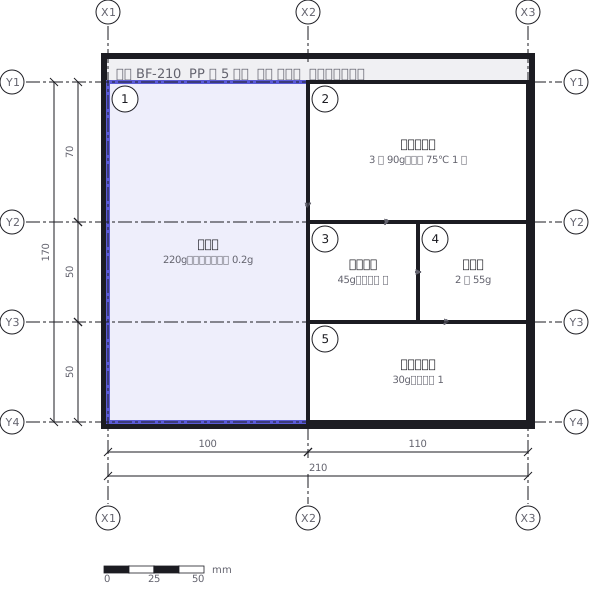 A packing instruction for a boxed lunch: what goes in each compartment, how much, which way up, and in what order
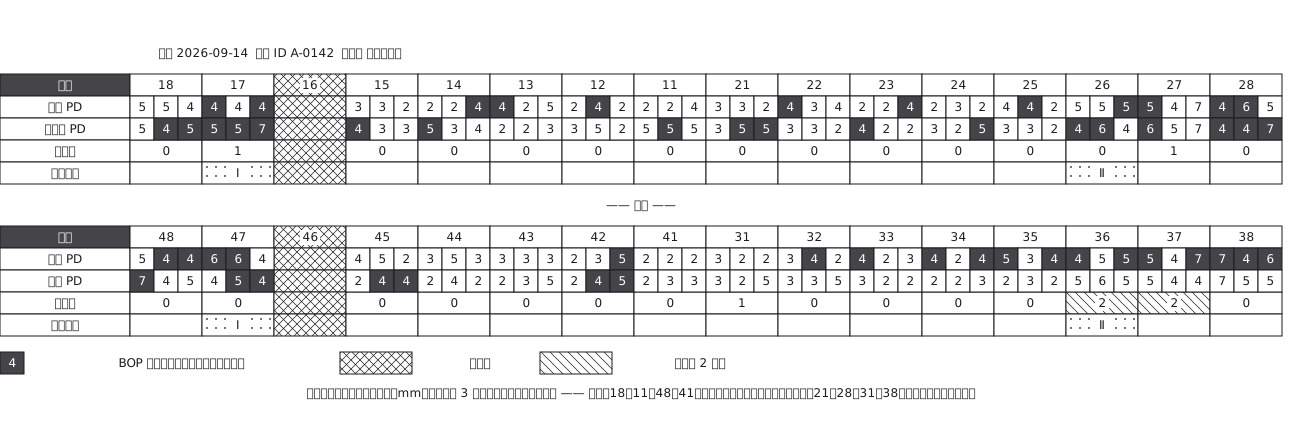 A periodontal chart where all 32 teeth are measured at six points each, recording pocket depth, bleeding and mobility
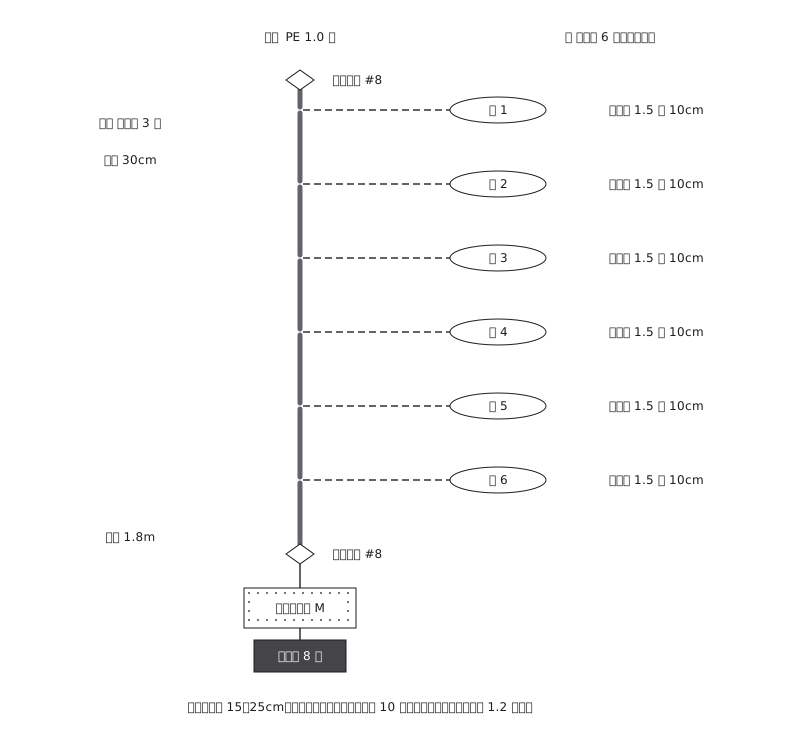 A sabiki fishing rig from main line to six hooks, feeder cage and sinker, with the gauge and length specified for every section
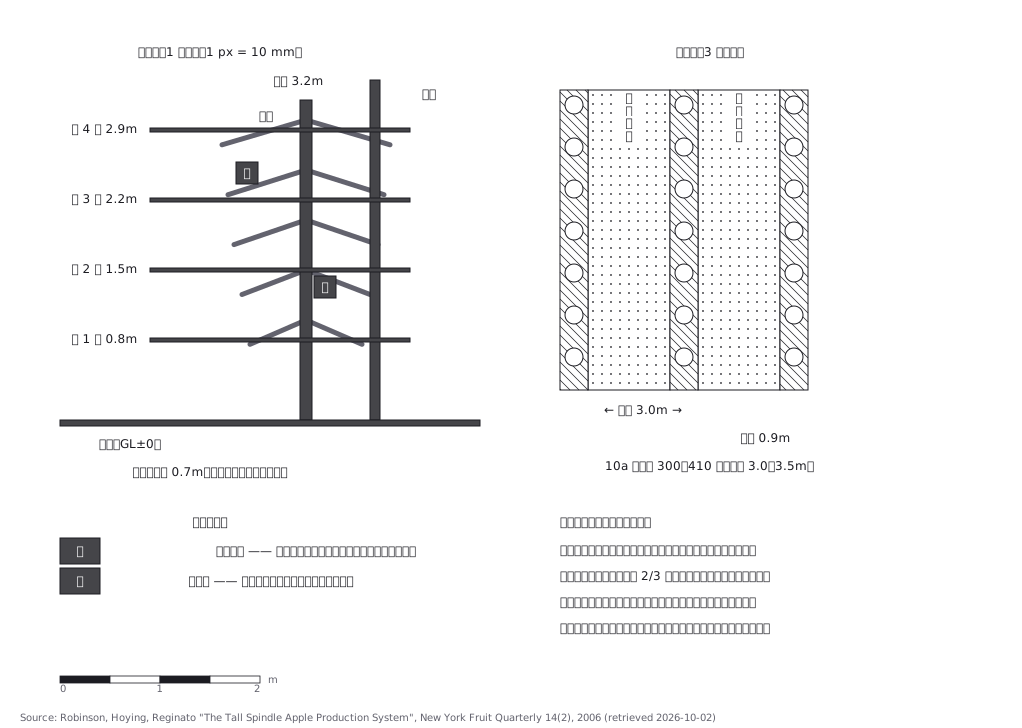 High-density apple training, with tree and row spacing