Health, food and farming
Koji-making product temperature — advance by temperature, not by the clock
Growing koji is two days of walking a temperature up and stopping it at the top: the mould heats itself as it grows, so the maker cannot hold the temperature down — only decide how often to break the rice up, and the shape of that climb is the recipe
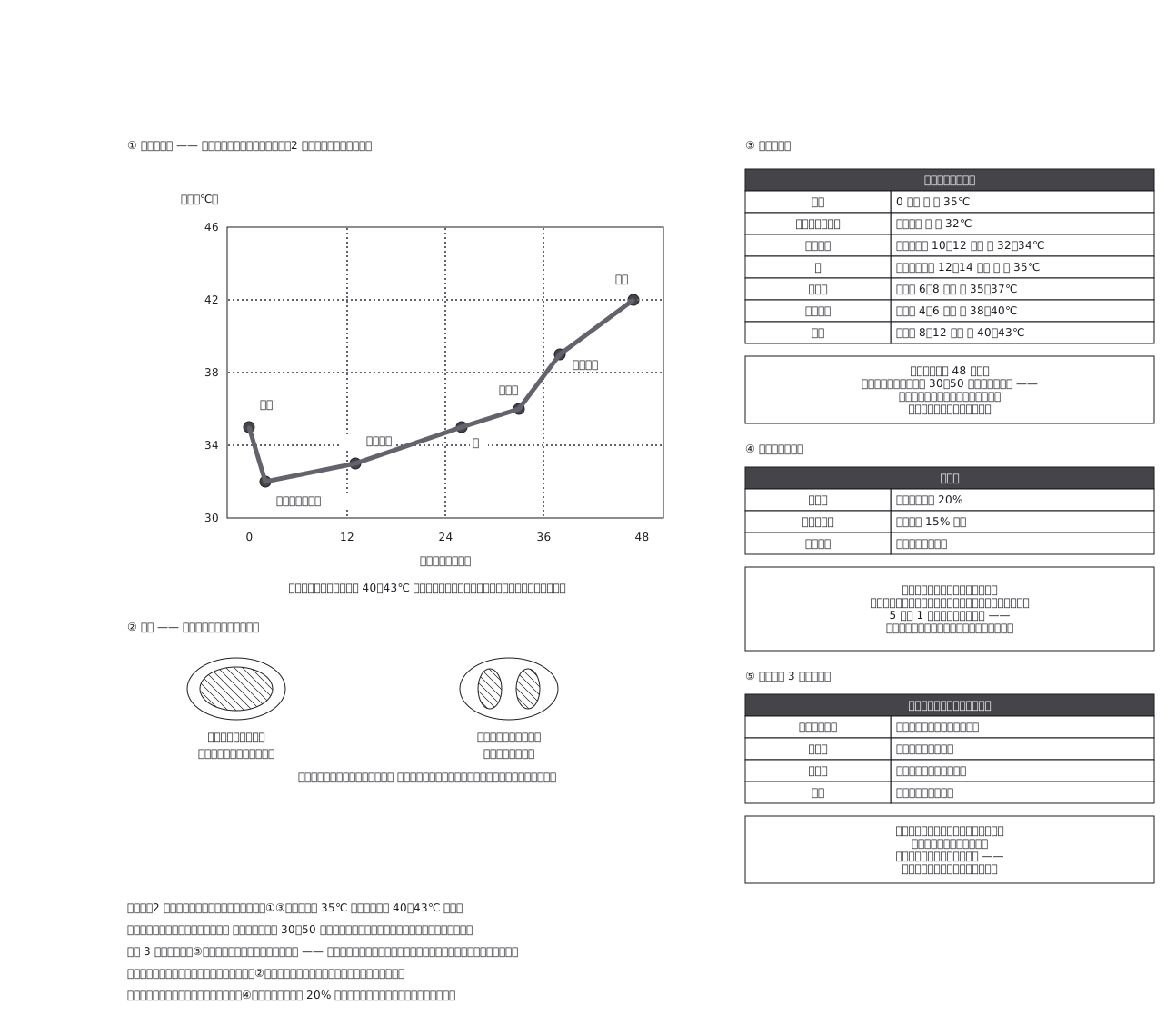
This drawing comes from one YAML file. No shape was moved by hand.
Notes in the source (in Japanese)
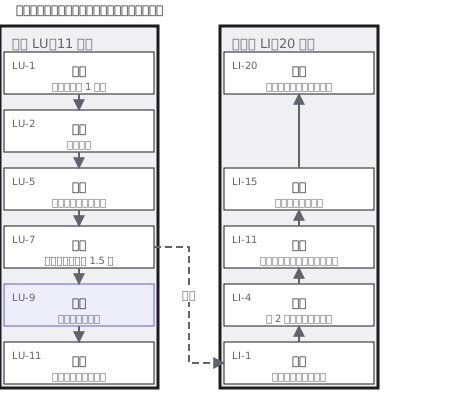
製麹は、2 日かけて品温を登らせる作業。引込(蒸米を麹室へ入れる。約 35℃)→ 種切り・床もみ(麹菌をふる。約 32℃)→切り返し(床もみから 10〜12 時間。32〜34℃)→ 盛(切り返しから 12〜14 時間。約 35℃)→仲仕事(盛から 6〜8 時間。35〜37℃)→ 仕舞仕事(さらに 4〜6 時間。38〜40℃)→出麹(さらに 8〜12 時間。最高 40〜43℃)。
全体でおよそ 48 時間だが、蔵と麹の種類で 30〜50 時間の幅がある ——時計ではなく品温で次へ進むので、図の横軸は目安でしかない。
手を 3 回入れる理由。 菌糸が増えるほど麹は自分で発熱する。放っておくと中心が熱く外が冷たくなるので、切り返し・仲仕事・仕舞仕事でほぐし、広げ、温度と湿気を揃え、酸素を入れる。発熱は止められないので、手を入れる回数で温度を作る —— 登り方そのものが麹の設計図。
菌糸が米のどこまで入るかで、味が変わる。総破精(そうはぜ)は米粒ぜんたいに菌糸が入り、酵素の力が強く濃醇でコクのある味。突き破精(つきはぜ)は点々と深く入り、酵素の力は中くらいですっきりと上品な味。
麹は原料ではなく、道具に近い。 総米のおよそ 20% を麹米に回す(特定名称酒ではこうじ米 15% 以上と決まっている。清酒の製法品質表示基準)。残りは掛米で、蒸すだけ。
見本 287(日本酒の三段仕込み)と対。 あちらは仕込みの並び、こちらはその前の 2 日間。
Source (YAML)
examples/gallery/292-製麹の品温.zumen.yaml
More in this field
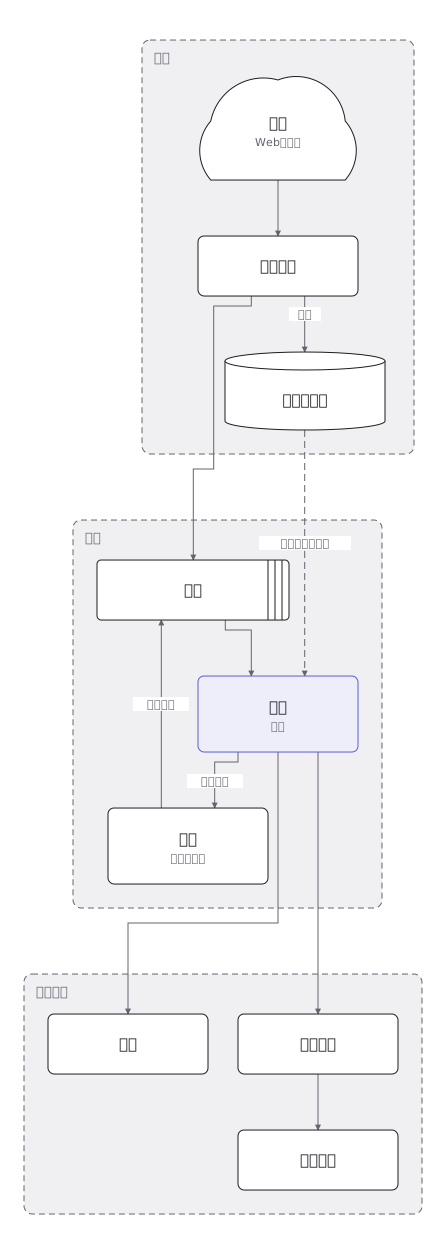 How an outpatient moves through a hospital — reception, consultation, tests, payment, prescription — and where each department keeps people waiting
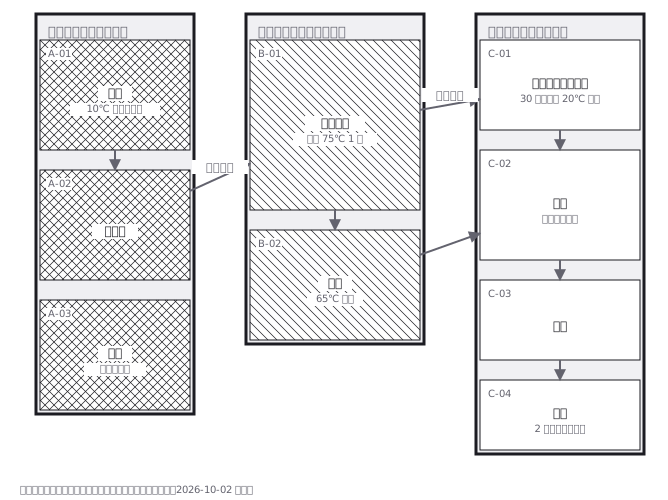 A school meal kitchen split into contaminated and clean zones, with the paths of food, people and crockery kept from crossing
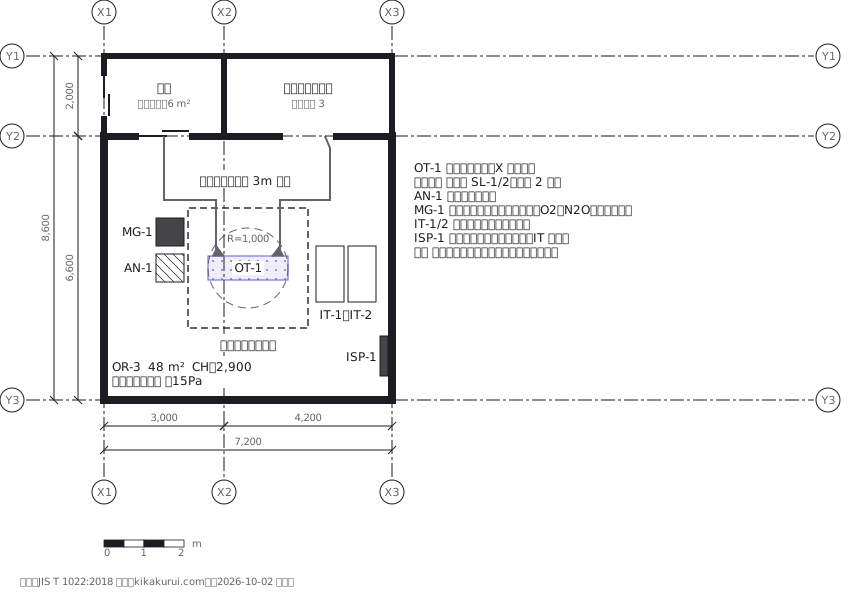 An operating room laid out around the table: surgical light, anaesthesia machine, electrosurgical unit and monitors, with the sterile field
 The fourteen meridians and their principal points, named to the WHO standard acupuncture point locations
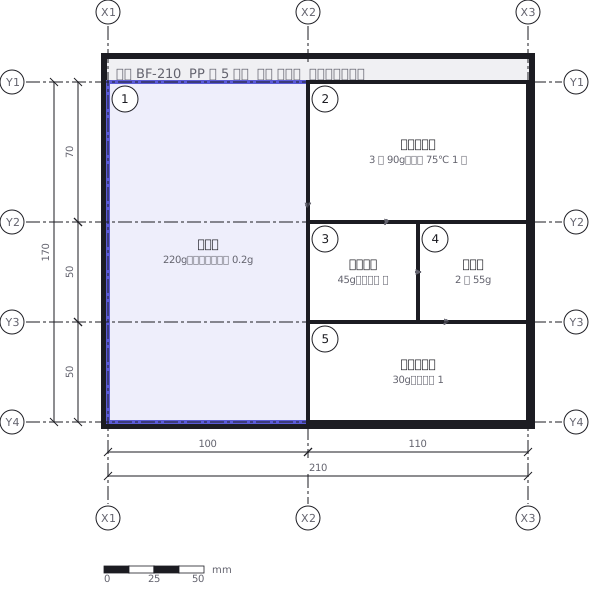 A packing instruction for a boxed lunch: what goes in each compartment, how much, which way up, and in what order
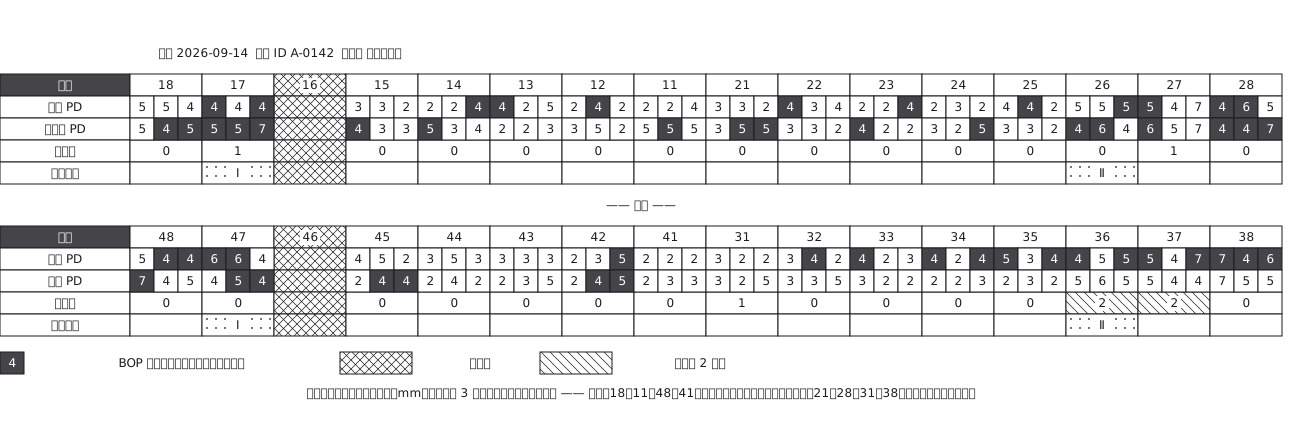 A periodontal chart where all 32 teeth are measured at six points each, recording pocket depth, bleeding and mobility
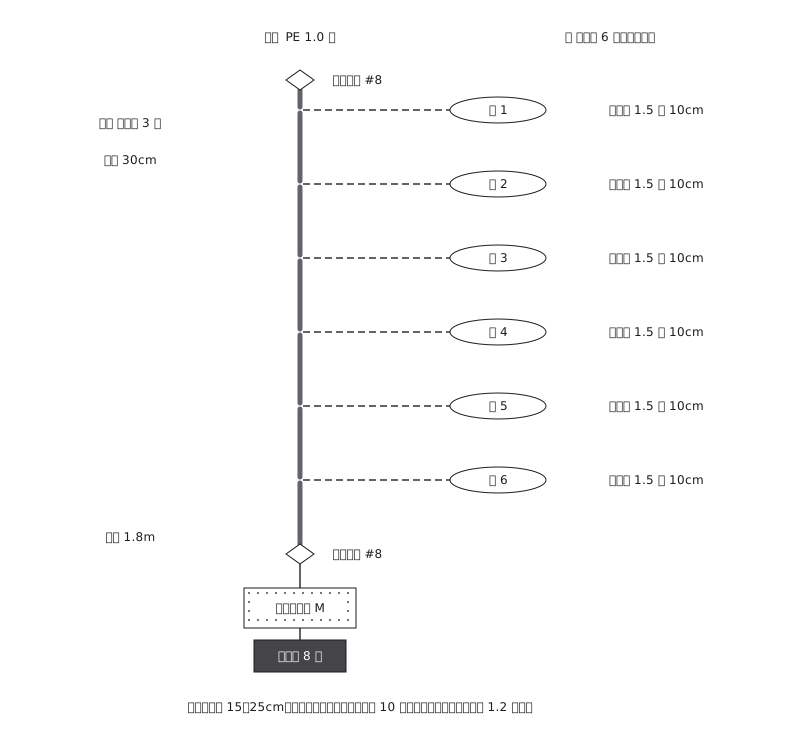 A sabiki fishing rig from main line to six hooks, feeder cage and sinker, with the gauge and length specified for every section
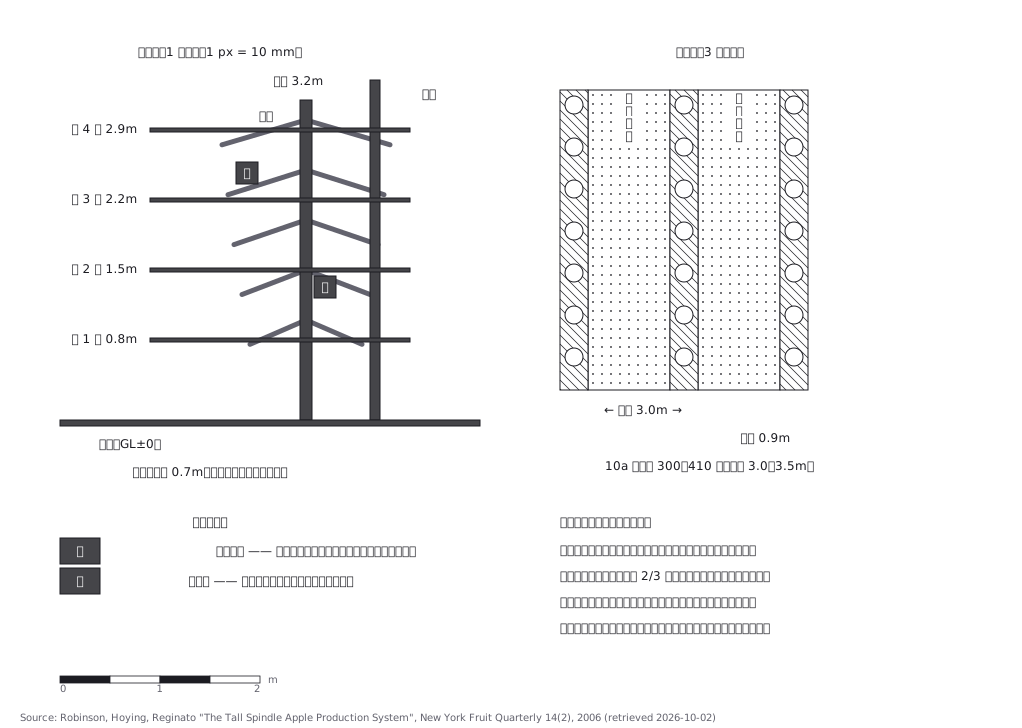 High-density apple training, with tree and row spacing