Appliances and furniture
The four classes of earthing work (only Class B has no fixed number)
Three of the four Japanese earthing classes are given as a number — ten, ten and a hundred ohms — but class B, bonded to the neutral of a transformer bridging high and low voltage, is given as a formula: 150 divided by the earth fault current. Fix one number instead and the same voltage appears whatever the current.
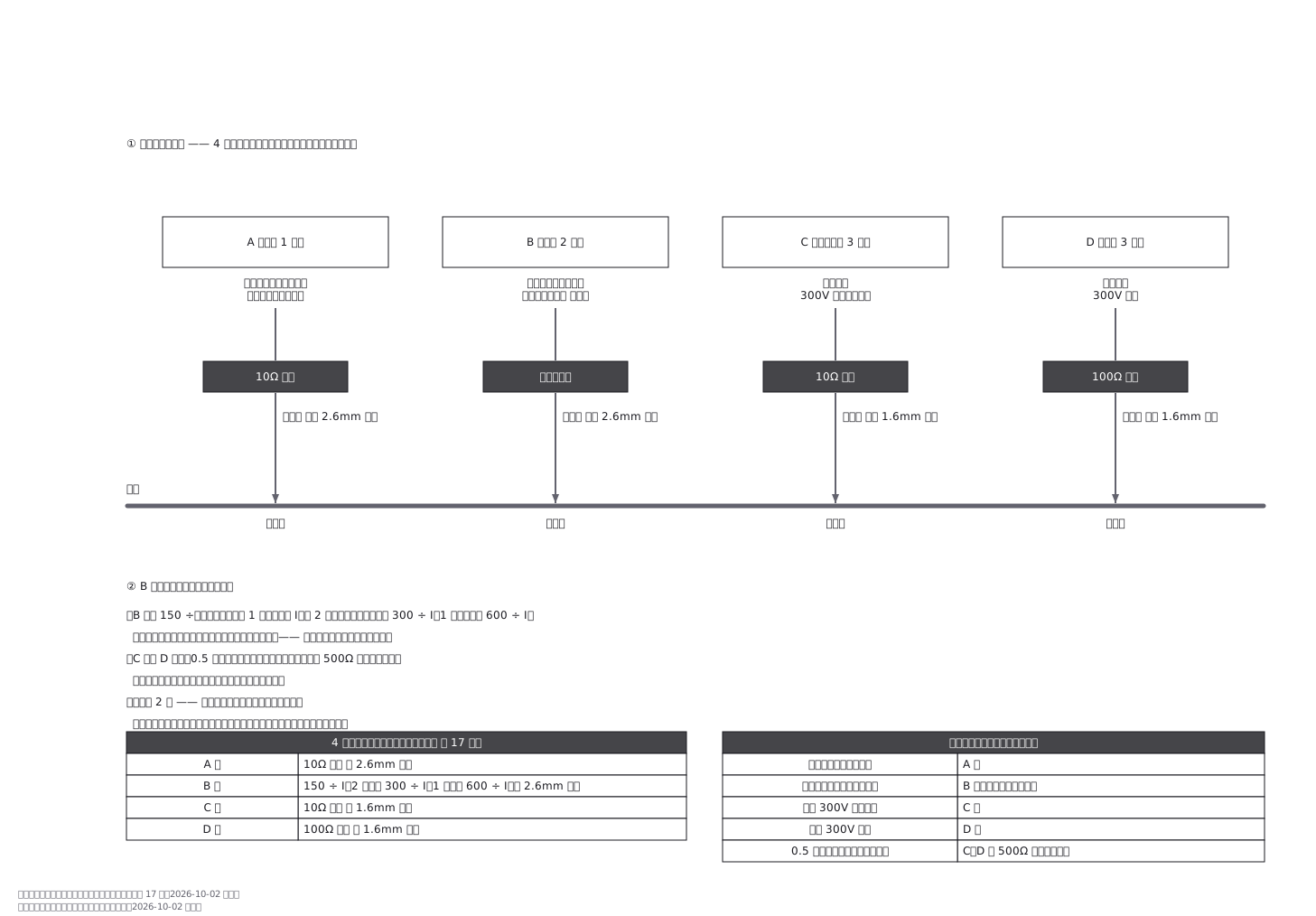
This drawing comes from one YAML file. No shape was moved by hand.
Notes in the source (in Japanese)
A・C・D は数で、B だけは式で決まる。
A 種は高圧・特別高圧の機器の金属の架台やケース —— 10Ω 以下、接地線 2.6mm 以上。C 種は低圧で 300V を超えるもの —— 10Ω 以下、1.6mm 以上。D 種は低圧 300V 以下 —— 100Ω 以下、1.6mm 以上。
B 種は高圧と低圧をつなぐ変圧器の低圧側の中性点に施す。抵抗の上限は 150 ÷ I(I は変圧器の高圧側電路の 1 線地絡電流)。高圧側を 1 秒を超え 2 秒以内に自動遮断するなら 300 ÷ I、1 秒以内なら 600 ÷ I まで緩められる。
「電流が大きい所ほど、抵抗を小さくしろ」 ——数を 1 つ決めてしまうと、電流の大小に関わらず同じ電圧が出てしまう。
C 種と D 種は、地絡を 0.5 秒以内に自動遮断する装置(漏電遮断器)を付ければ 500Ω 以下でもよい。
出典(2026-10-02 確認):電気設備の技術基準の解釈 第 17 条(接地工事の種類及び施設方法)。接地線の太さ(軟銅線)は A 種 2.6mm、B 種 2.6mm(特別高圧と結ぶ変圧器では 4mm)、C・D 種 1.6mm。照合に使った表:サンコーシヤ「接地の規程、基準類」 https://www.sankosha.co.jp/earthing-systems/earthing-ministerial-ordinance/抵抗を下げる工事の代わりに、切る速さで守るという交換になっている。
漏電による感電と火災を防ぐこと。そして変圧器の中で混触したとき、低圧の電路へ高い電圧が入るのを抑えること。前者は人を守り、後者は機器と回路を守る。
家の電気系統は見本 06、受変電の結線は見本 19、電気の引き込みは見本 309。
Source (YAML)
examples/gallery/344-接地工事の4種類.zumen.yaml
More in this field
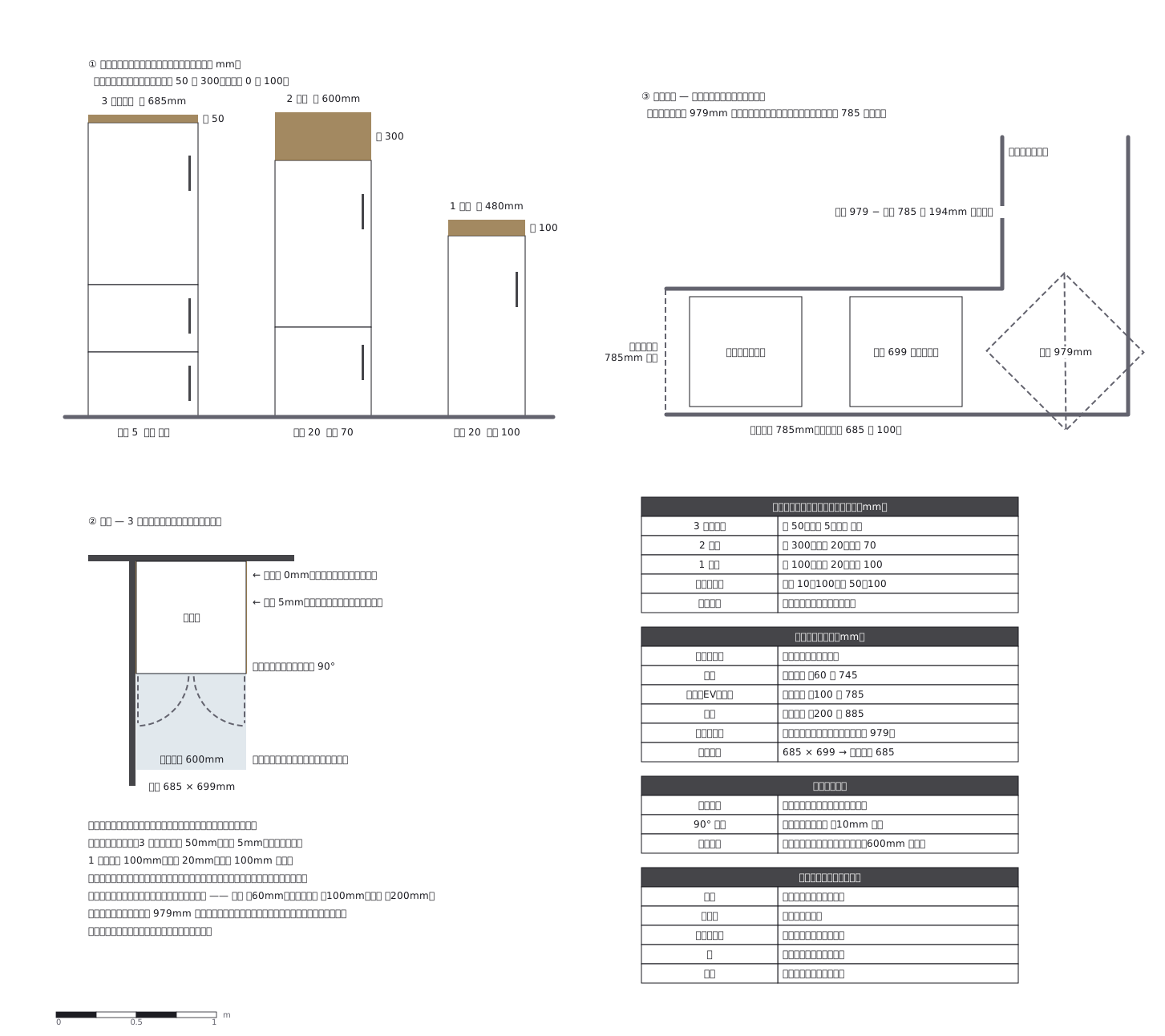 Fitting a refrigerator: clearances differ by model, and a corner turns on the diagonal
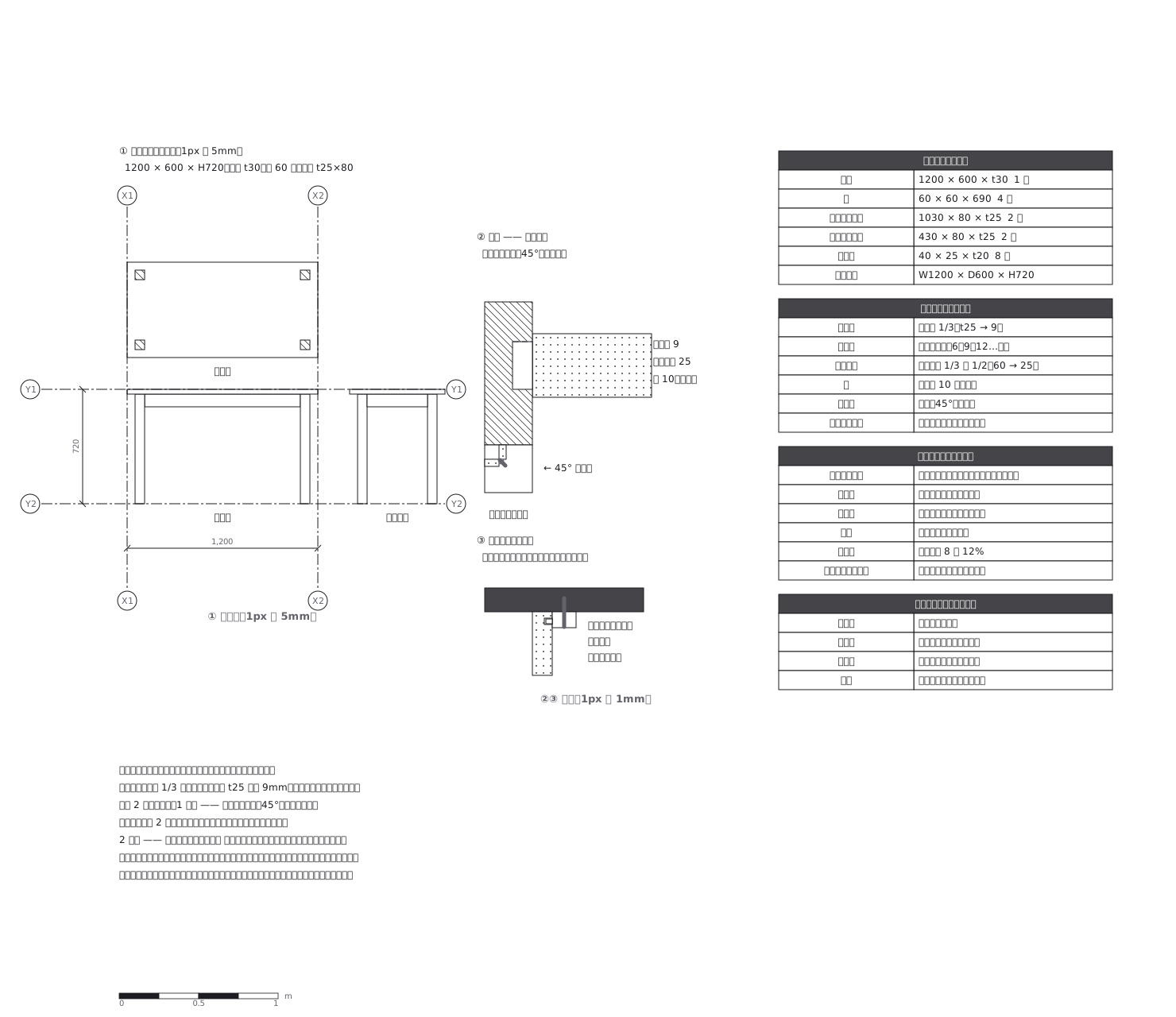 A bench built for making: tenons mitred where they meet, and a top that is never screwed down
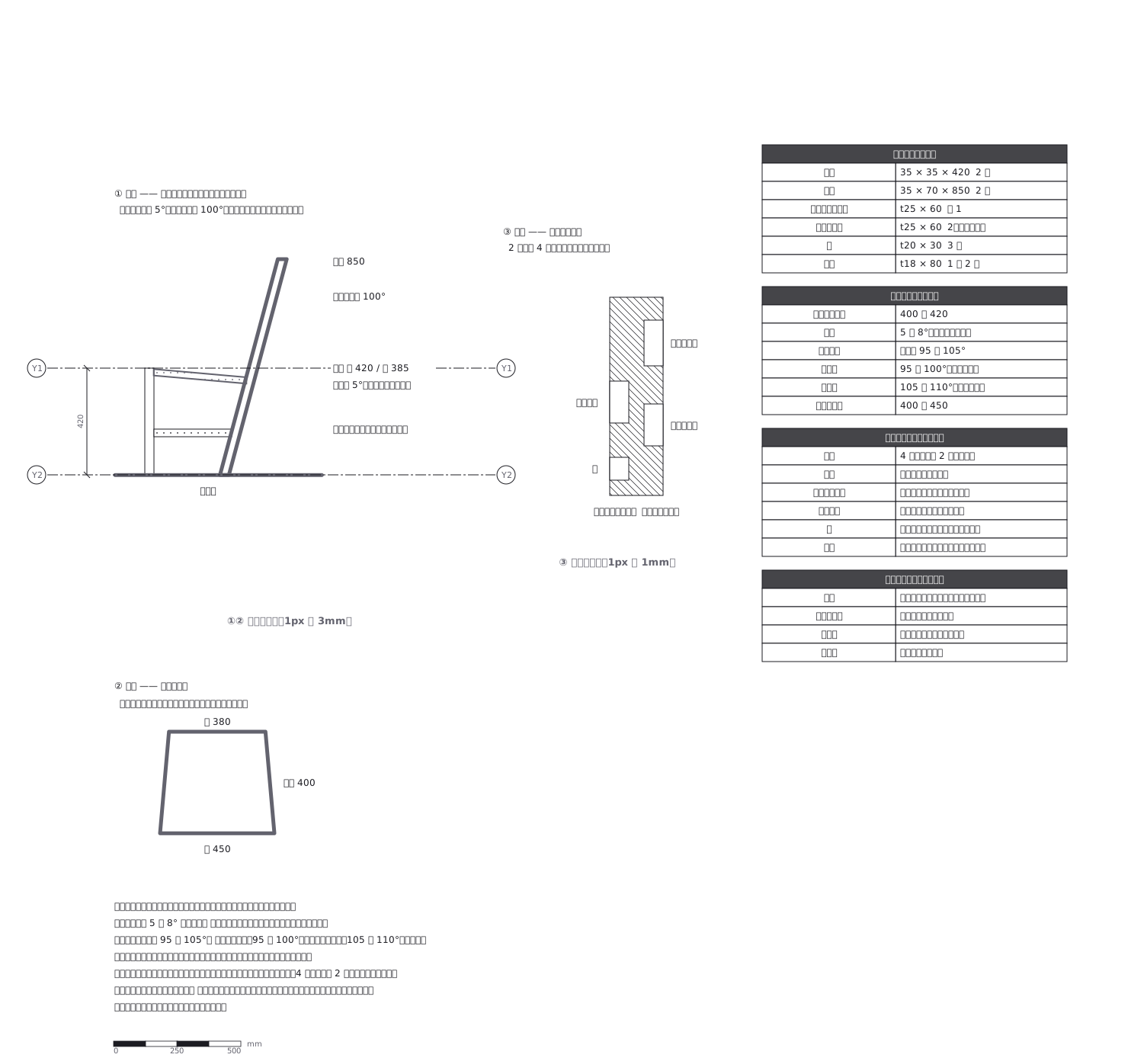 A chair drawn for making: four tenons meet in the back leg, and they must be set at different heights
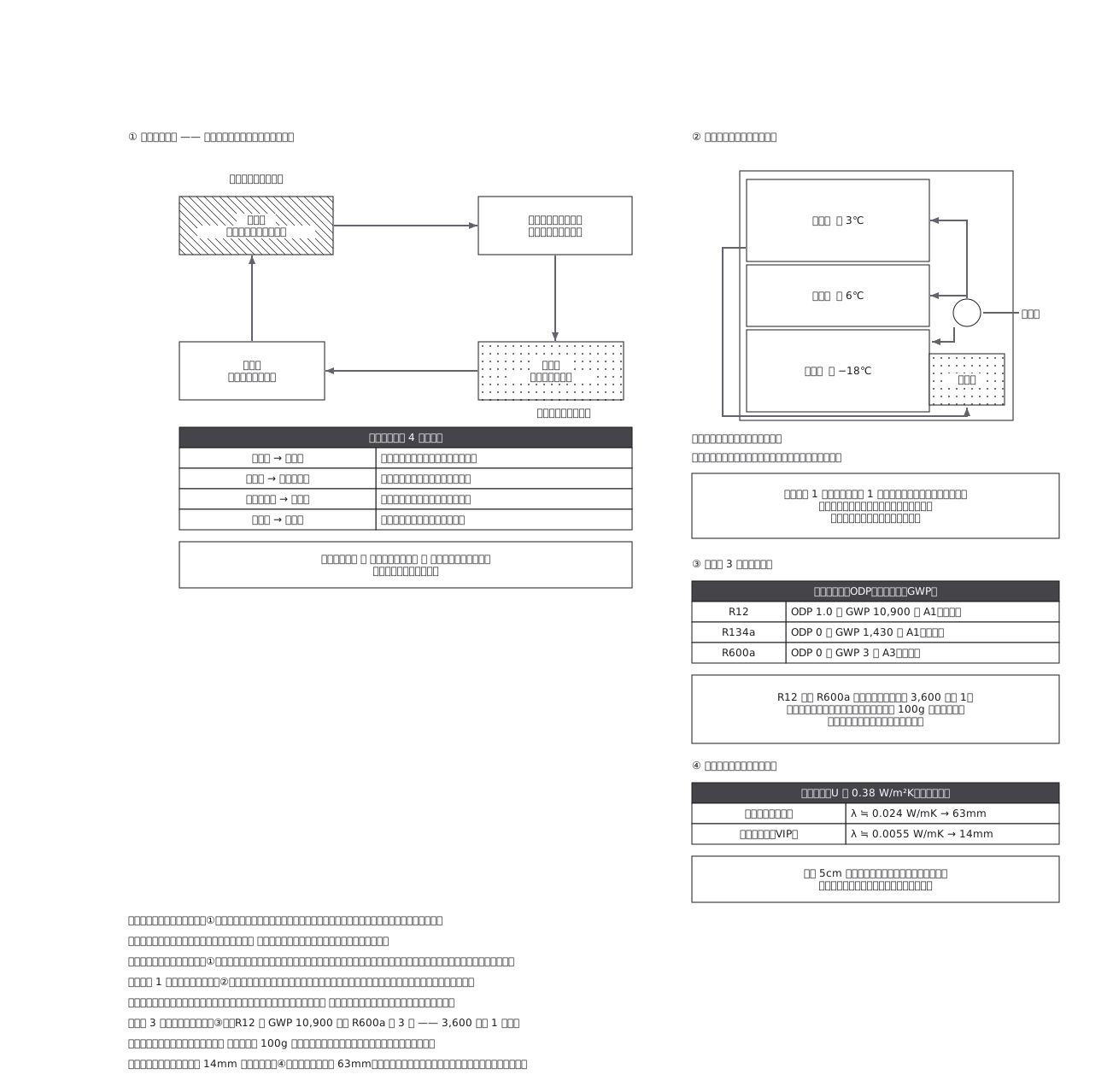 A fridge does not make cold, it pumps heat out — and it throws away more than it took, because the compressor's electricity comes out as heat too
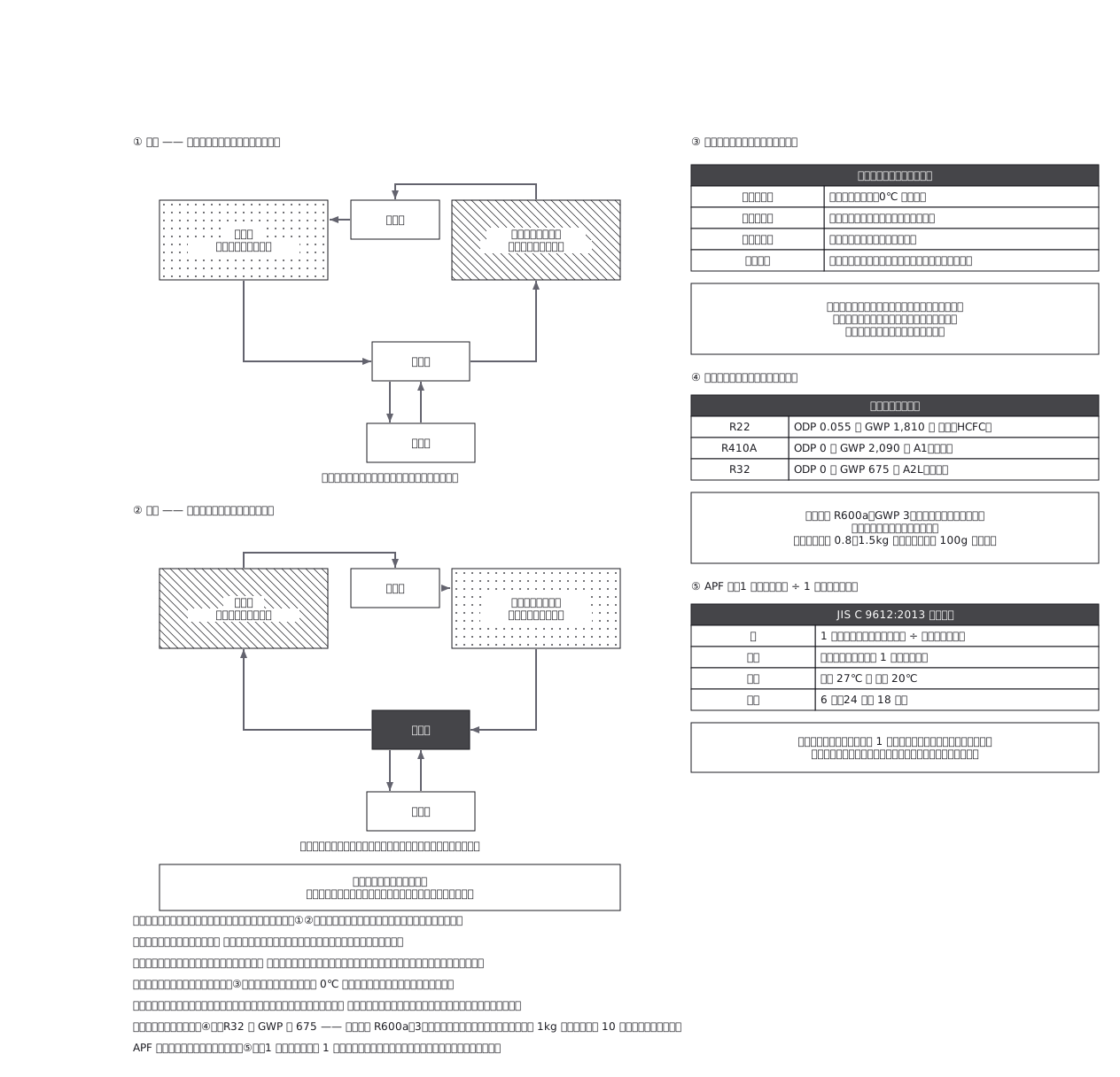 Heating and cooling swap the roles of the indoor and outdoor coils, and the only part that changes is one valve — which is also why a heat pump briefly runs cooling in the middle of heating, to melt its own frost
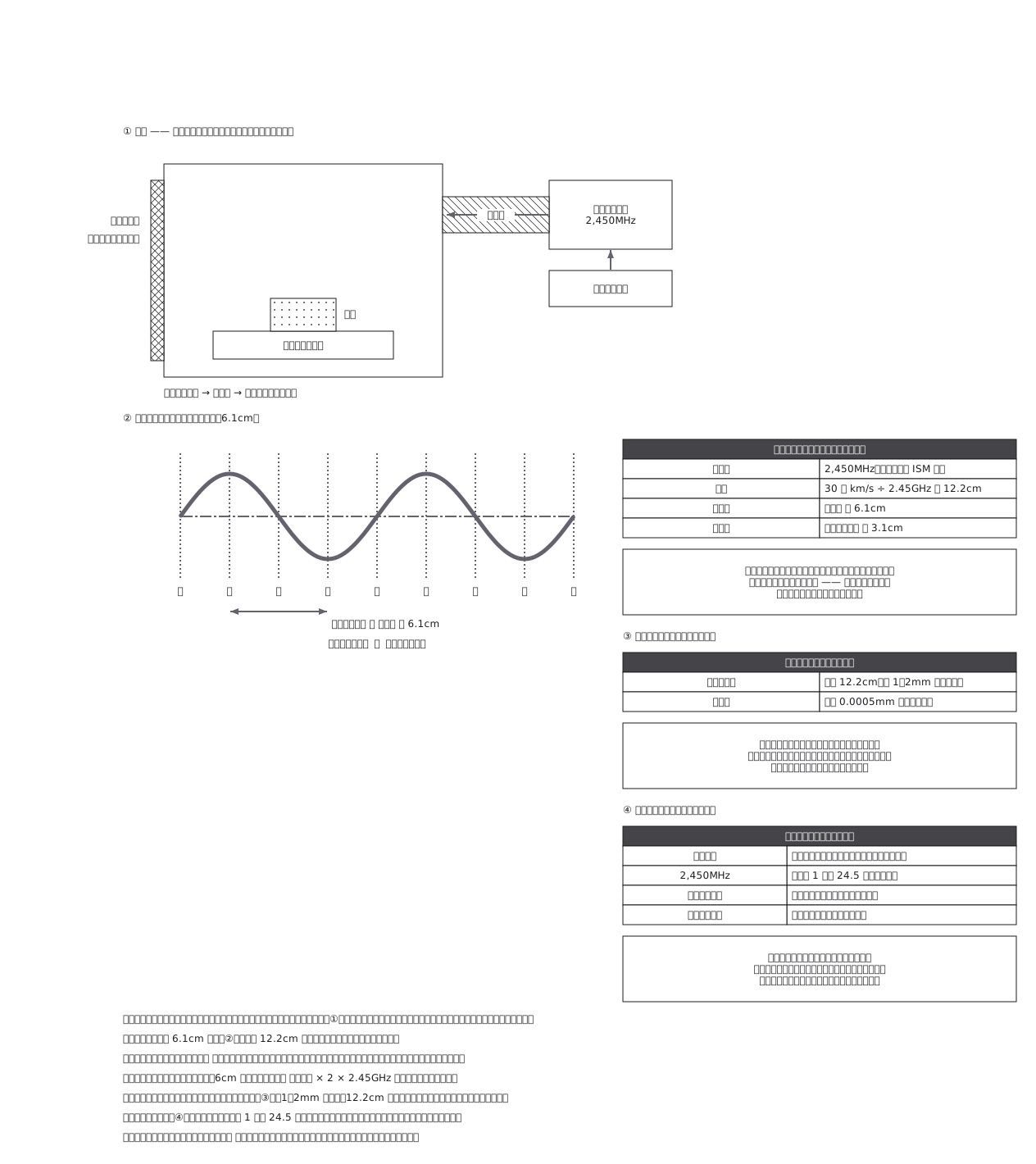 Hot and cold spots sit 6.1cm apart because that is half of the 12.2cm wavelength, which no cabinet design can remove — so the food is moved instead
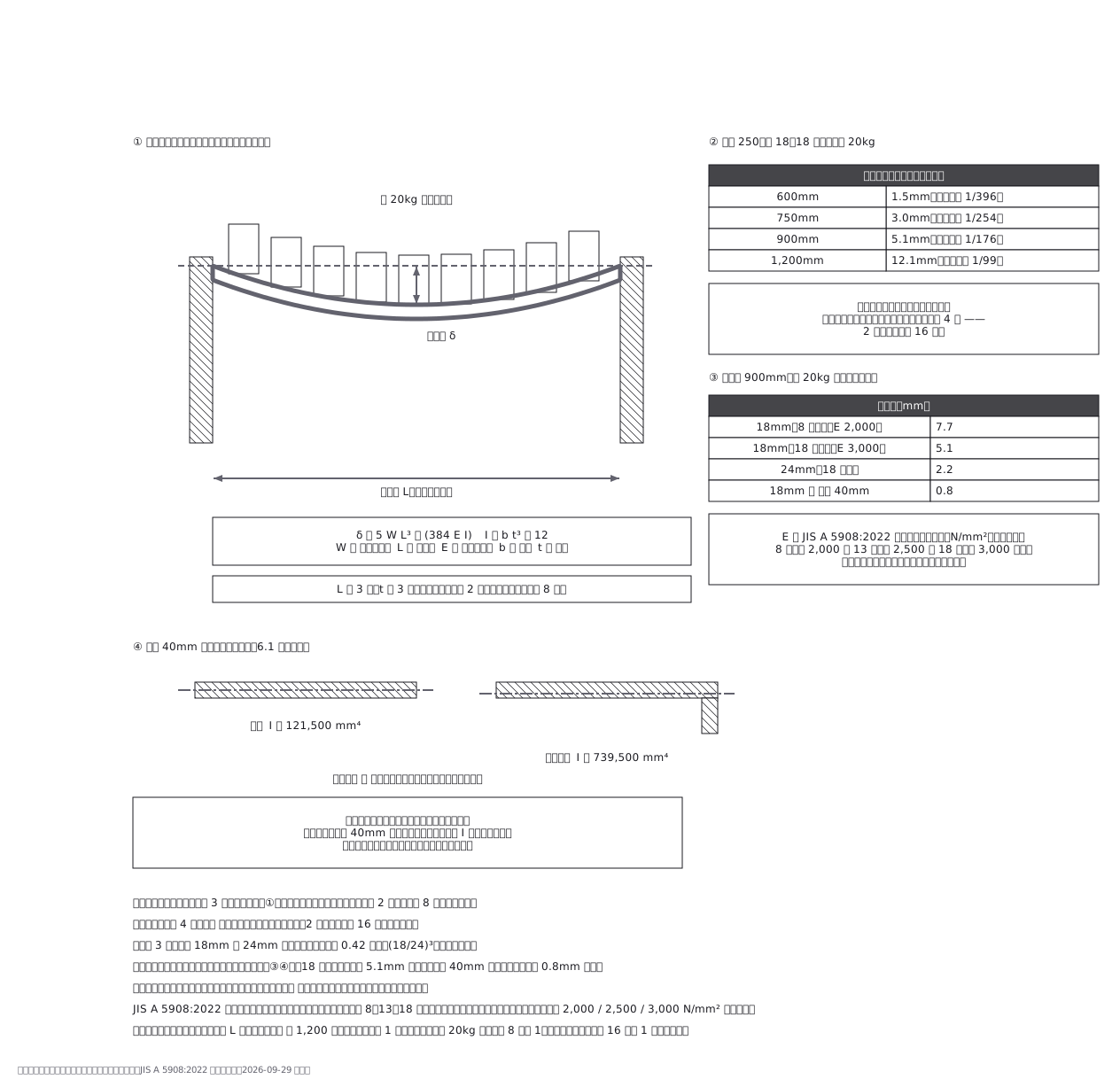 A shelf sags with the cube of its span, so doubling the span sags it eight times — and gluing a 40mm rail under the front edge does more than upgrading the board
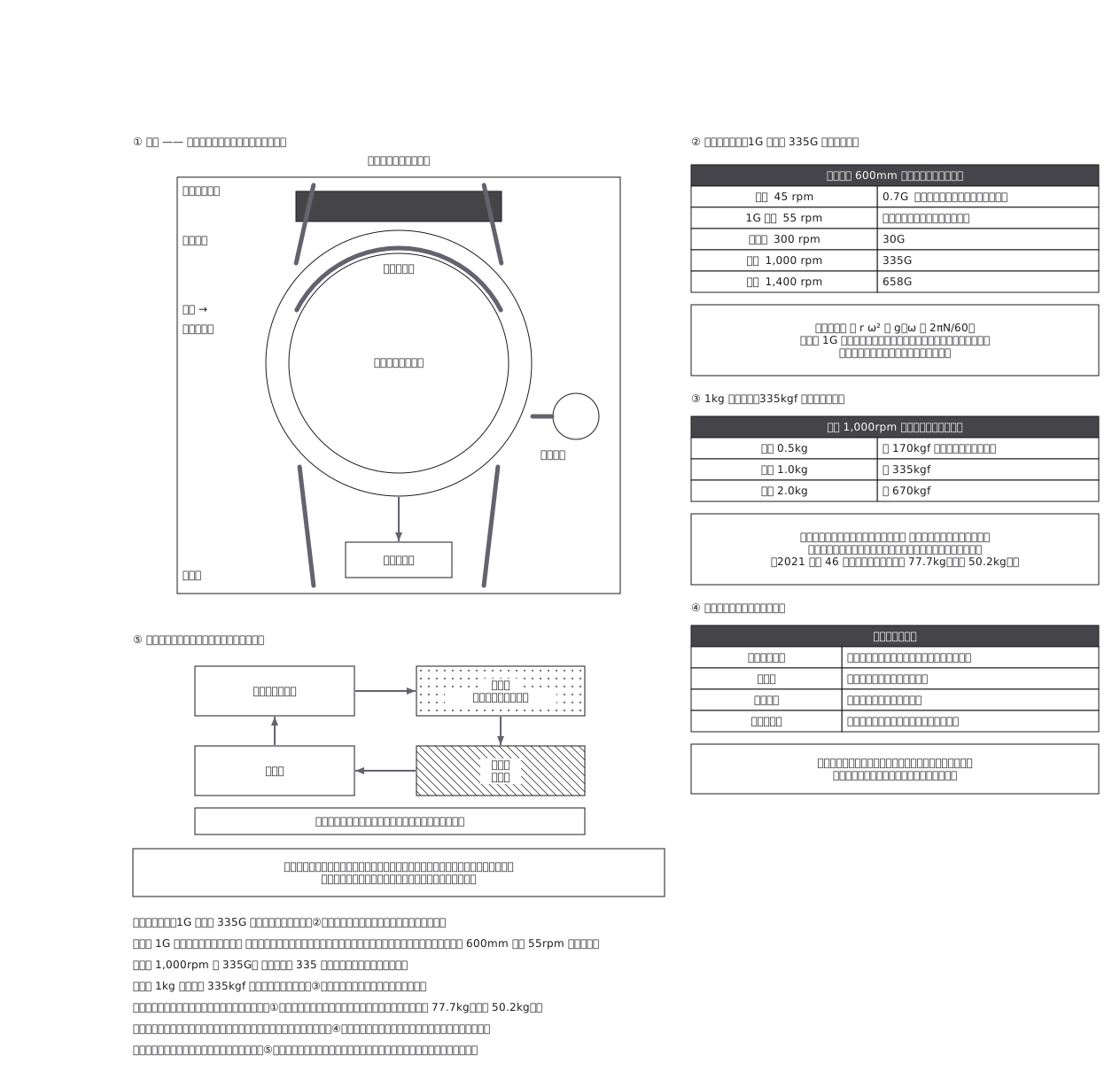 The same drum has to stay under 1G to wash and reach 335G to spin, which is why it hangs on springs behind a concrete weight rather than being bolted to the machine