Transit and transport
Cabin layout - LOPA (fictional single aisle)
The seat count is not what fits - it is what the exits allow
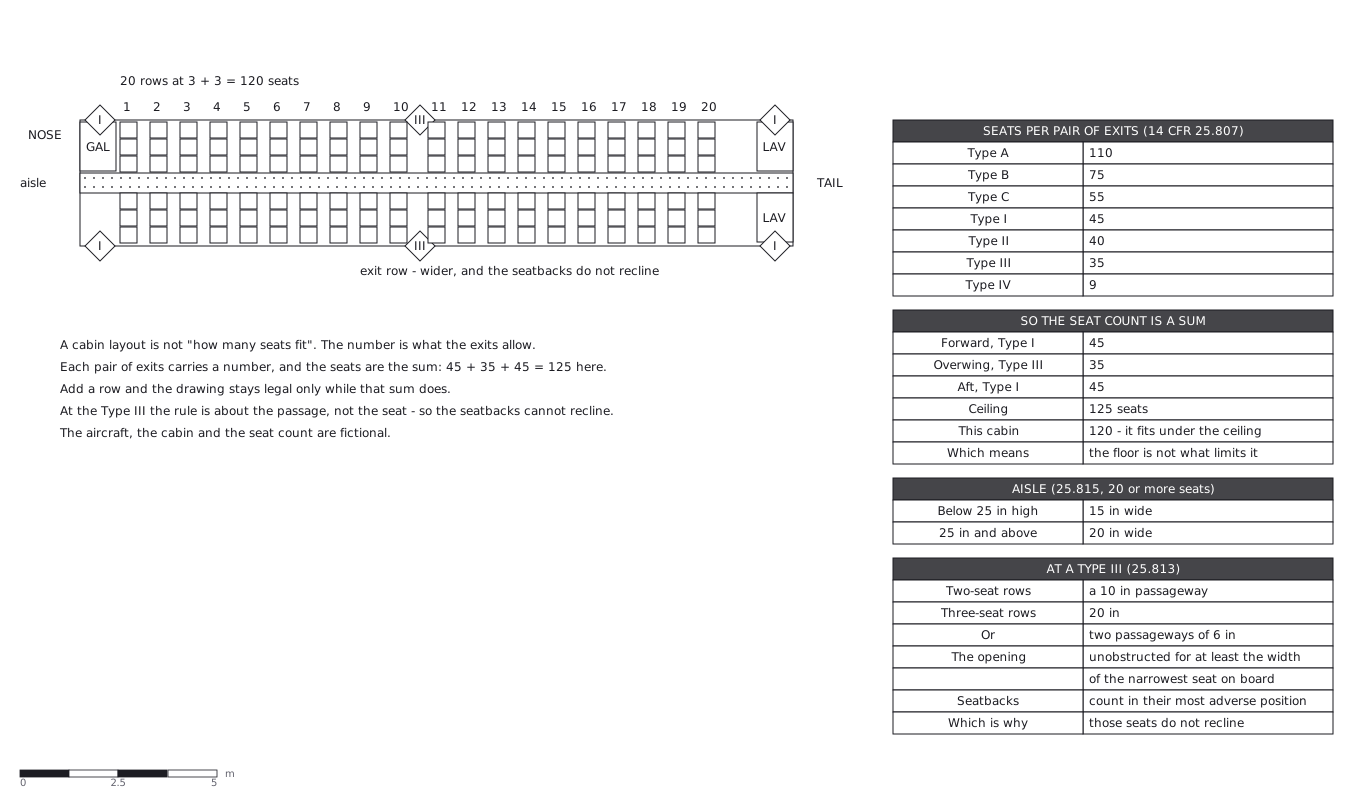
This drawing comes from one YAML file. No shape was moved by hand.
Notes in the source (in Japanese)
A cabin layout is not "how many seats fit".
Every pair of emergency exits carries a number of seats it is allowed toserve (14 CFR 25.807: Type A 110, Type I 45, Type III 35, Type IV 9), and theseat count of the cabin is the sum of those numbers. This cabin has aType I pair forward, a Type III pair over the wing and a Type I pair aft:45 + 35 + 45 = 125. It carries 120, so it fits.
The floor is not what limits it. Add a row and the drawing stays legalonly while that sum does; to seat more, you change the exits, not the pitch.
At a Type III the rule is about the passage, not the seat: 10 in betweentwo-seat rows, 20 in for three-seat rows, and the opening must stay clear forat least the width of the narrowest seat on board - with every seatback inits most adverse position. That is why those seats do not recline.
1 px = 1 in. The aircraft, the cabin and the seat count are fictional.
Source (YAML)
examples/gallery/162-Cabin-LOPA.zumen.yaml
More in this field
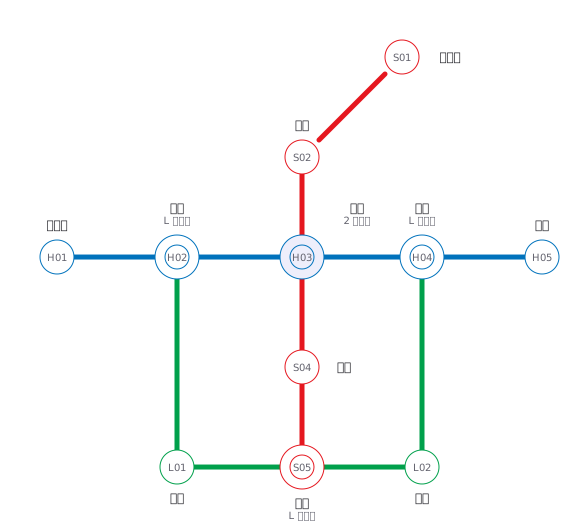 A fictional transit map of three lines told apart by colour and station numbering, drawn only in horizontal, vertical and 45° segments, with interchange stations marked by a double circle
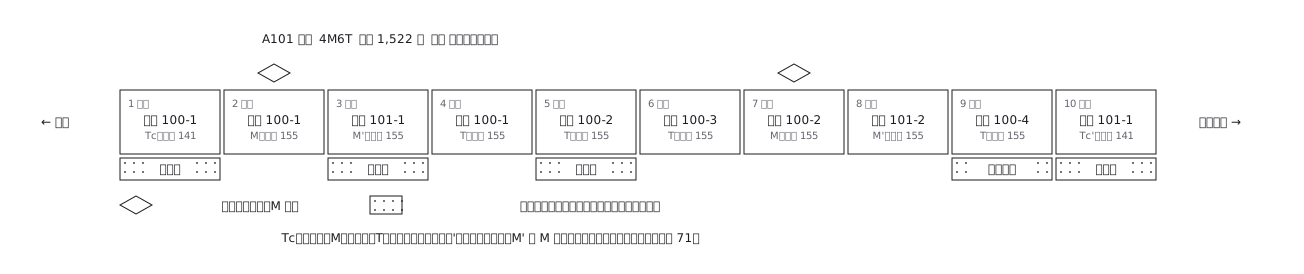 A ten-car commuter train set out car by car: which are motored and which are trailers, where the pantographs are, and what each car carries inside
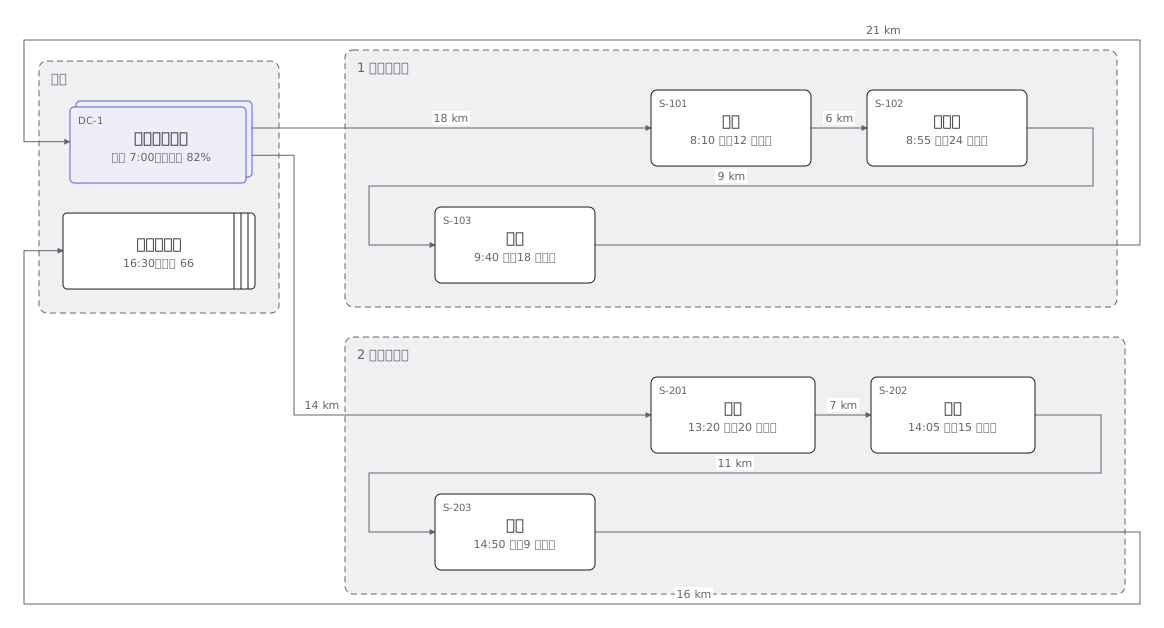 Delivery rounds for one two-tonne van split into a morning and an afternoon run: the order of calls and the stops themselves
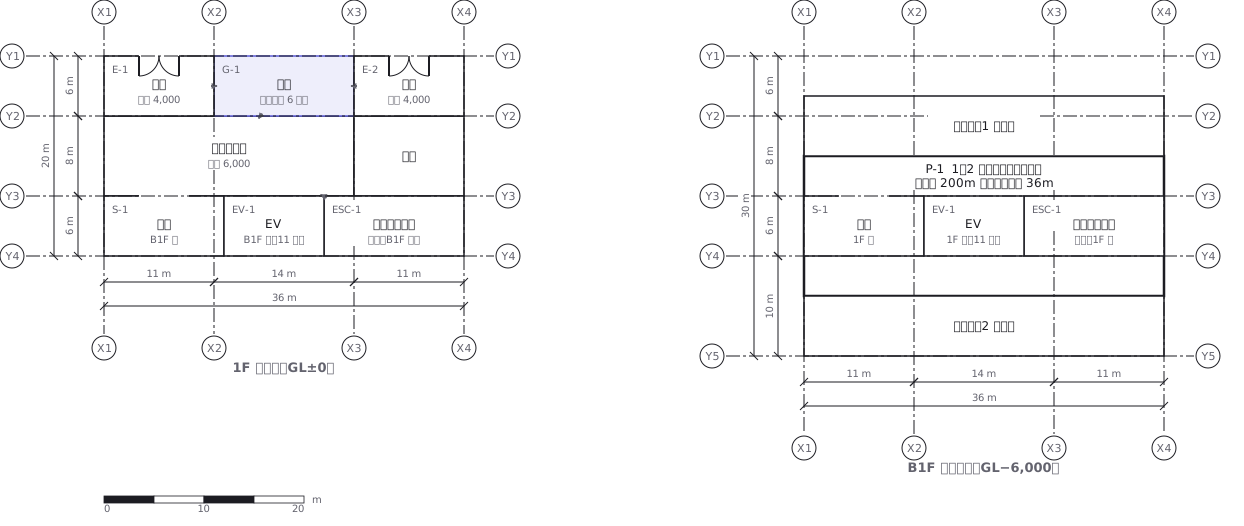 A station on two levels — ground floor and concourse — showing how the gates, stairs, lifts and exits line up with each other
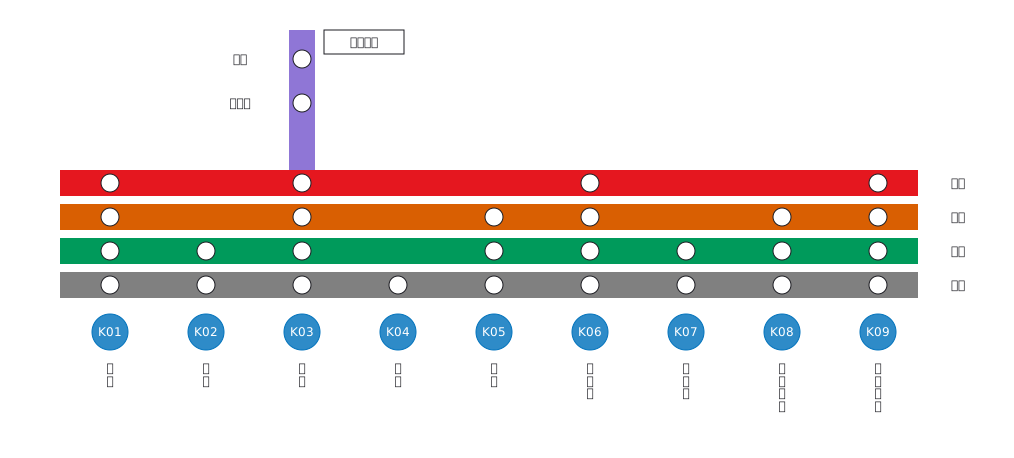 Stopping pattern chart: a band per service, a circle per stop
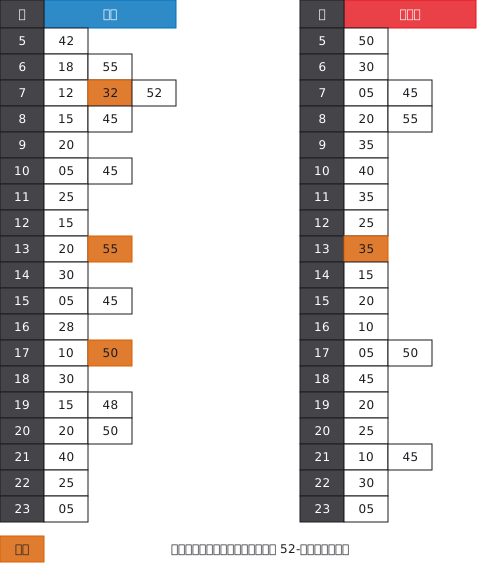 A station timetable with hours down the side and minutes across, weekday and weekend separated, and train types shown by symbol
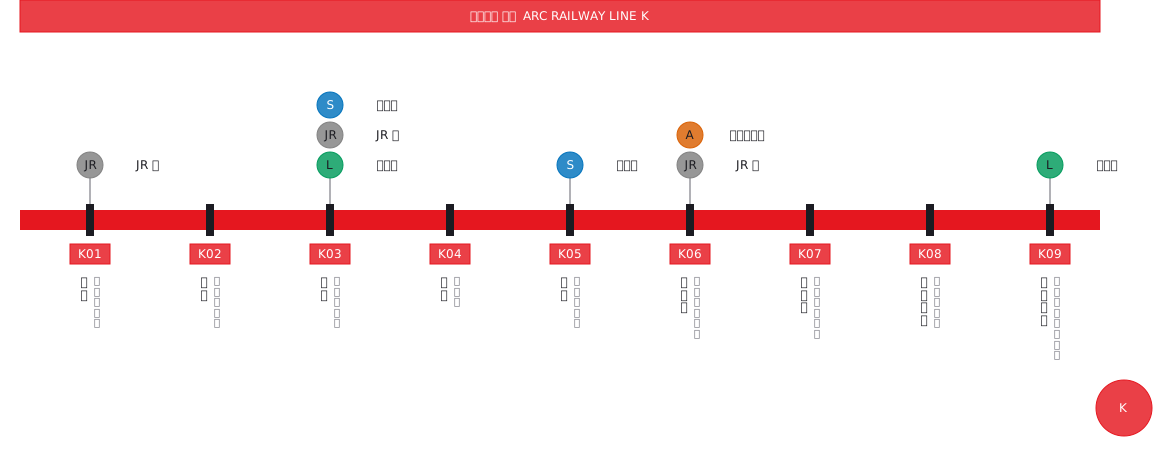 Interchange guide with station names set vertically
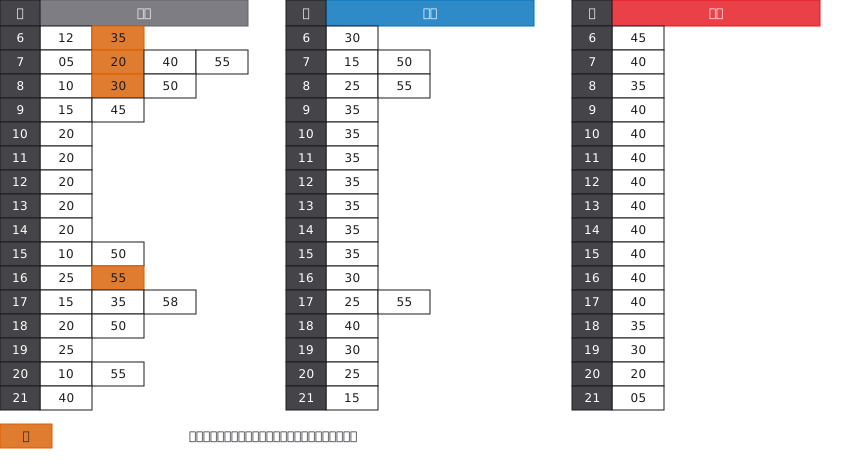 A bus stop timetable in three columns — weekday, Saturday, Sunday and holiday — with the departure minutes listed under each hour