Instruments and acoustics
14 drawings in Instruments and acoustics, each generated from a single YAML file.
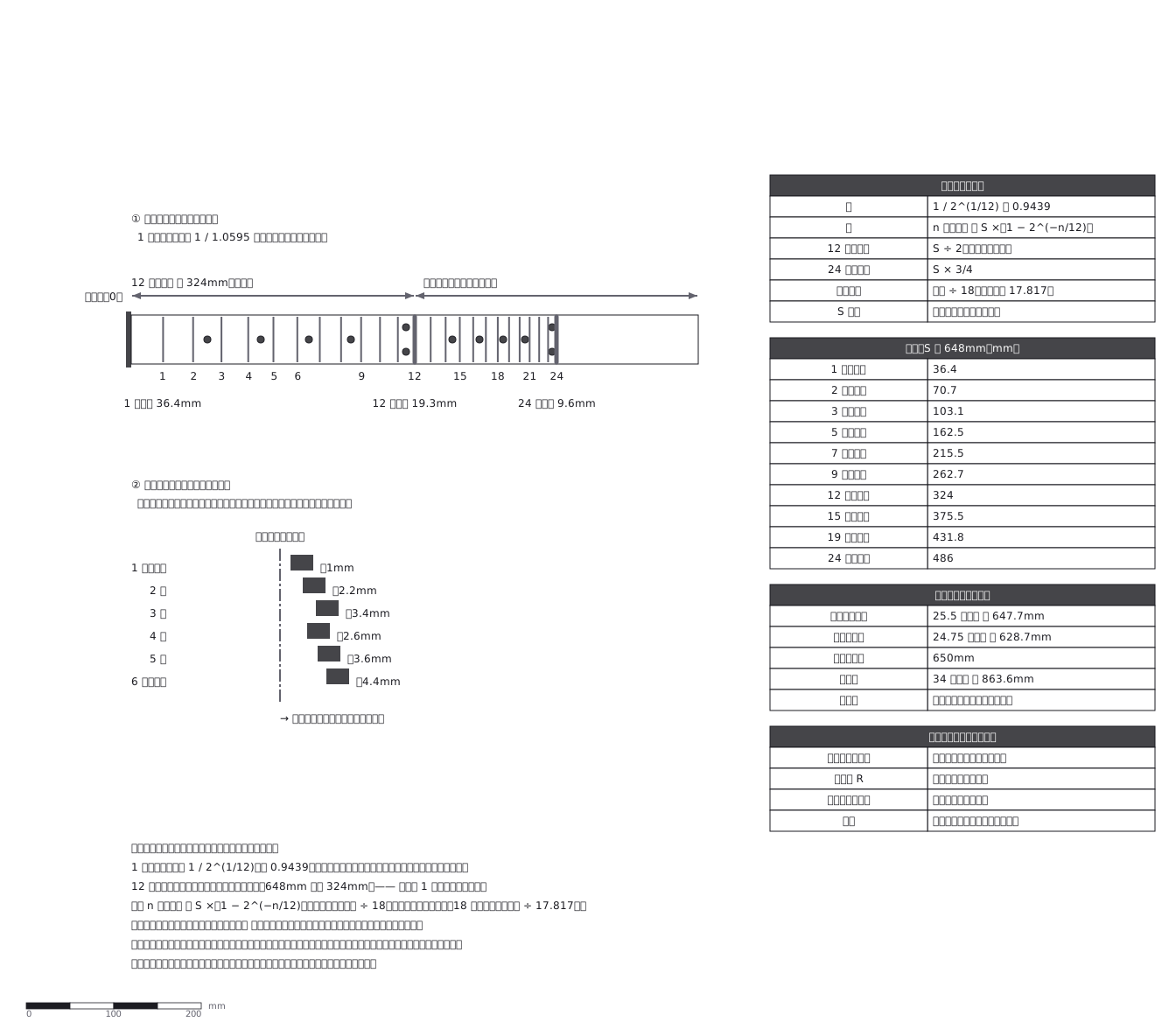 Guitar frets are a geometric series, and the saddle must still be moved back to play in tune
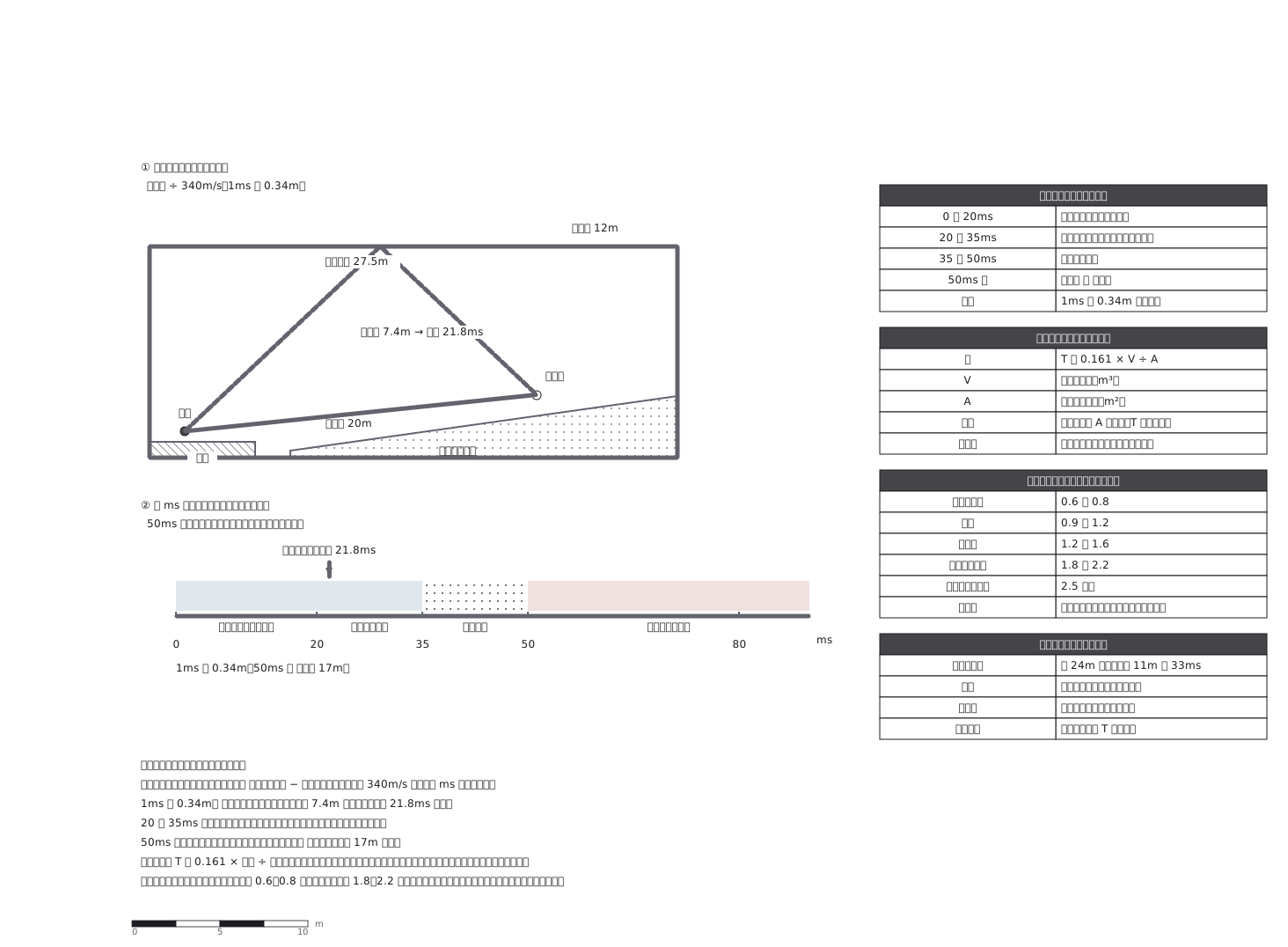 Hall acoustics: delay is nothing but a difference in path length — one millisecond is 0.34 m
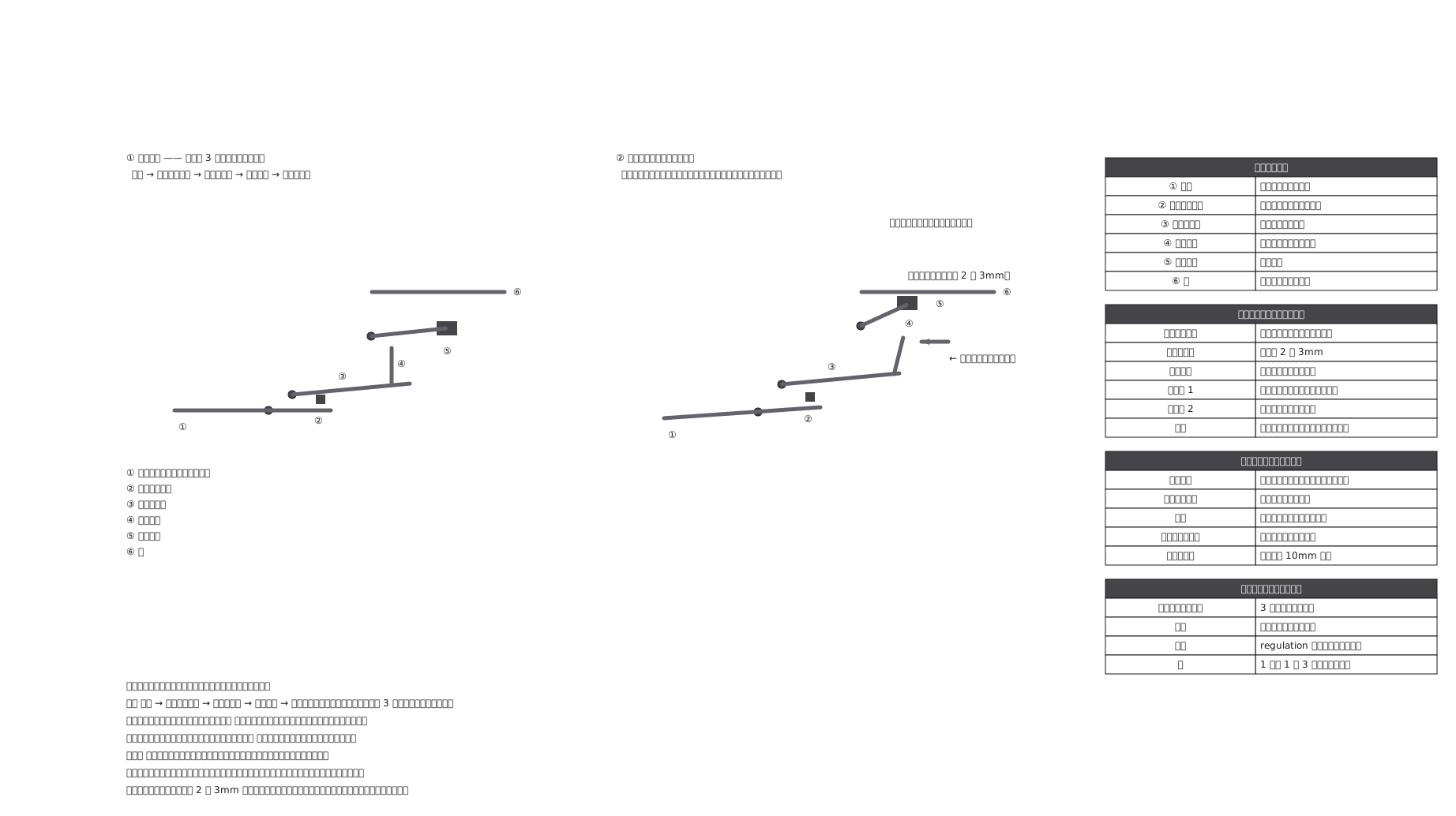 A piano action: the jack lets go just before the string, so nothing is pushing the hammer at impact
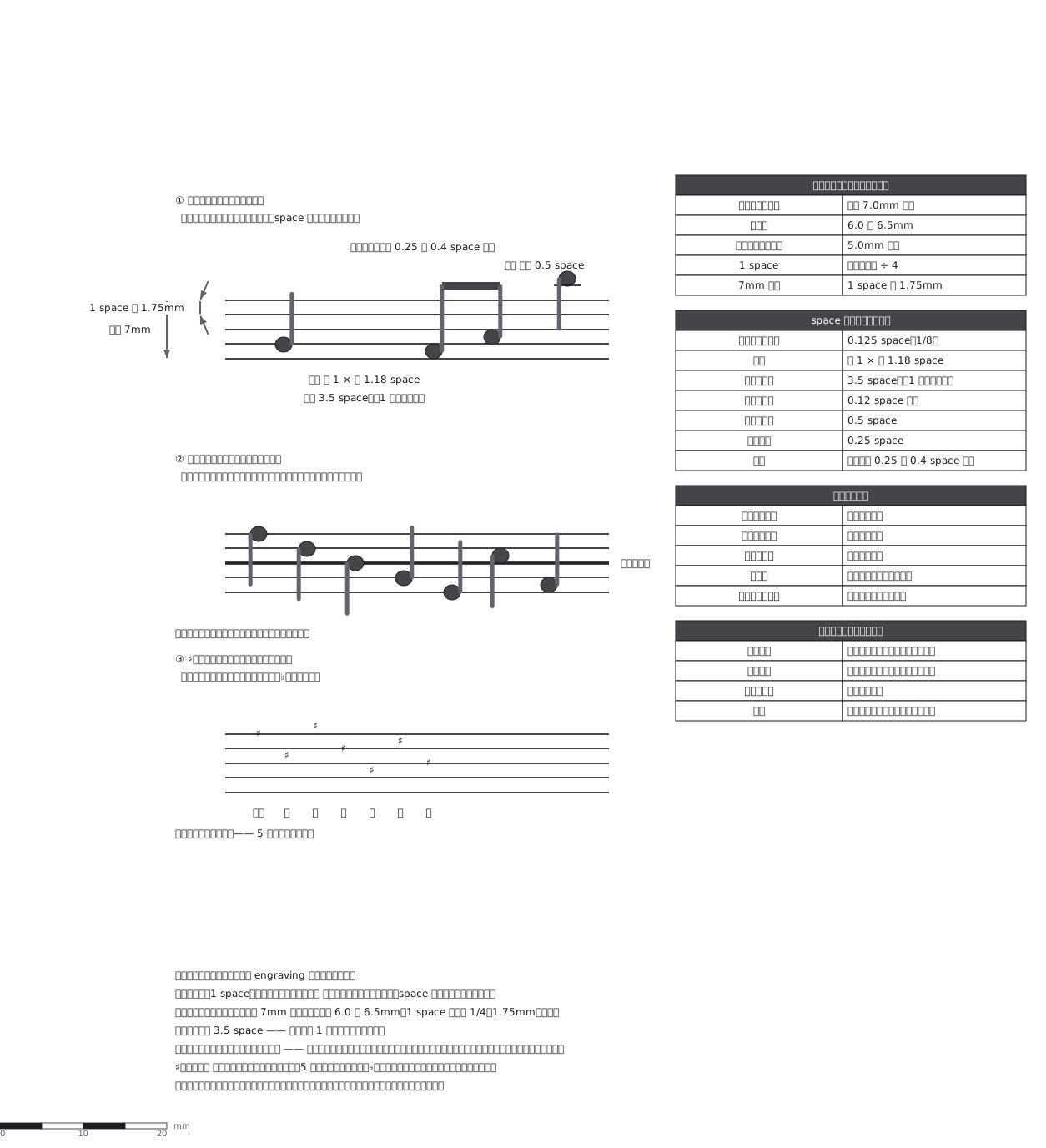 Music engraving: the staff space is the unit for every measurement, and the stem is 3.5 of them
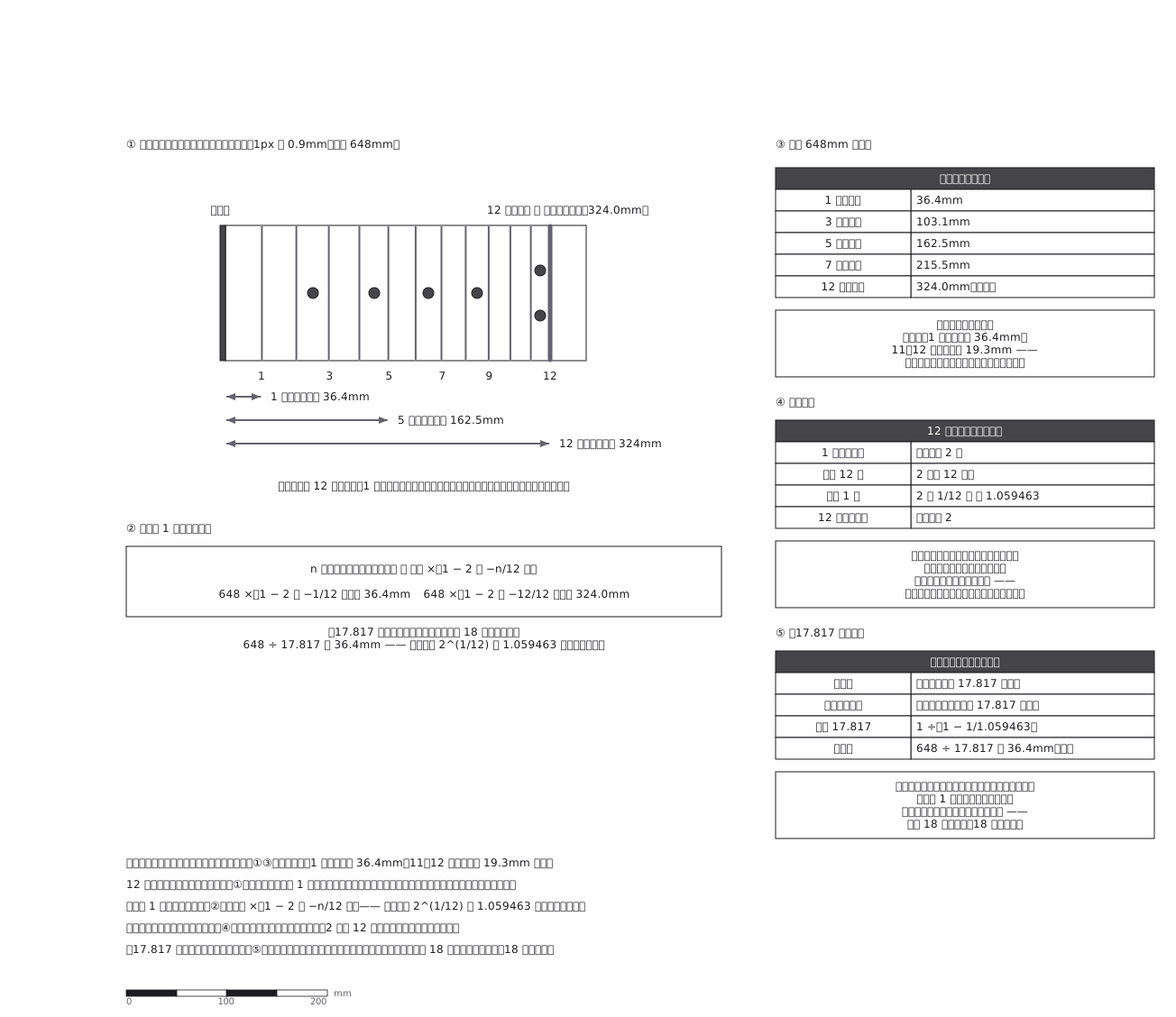 Frets crowd together as you climb because what is divided into twelve is not a distance but a ratio: each semitone multiplies by 2^(1/12), so the twelfth fret lands at exactly half the string and everything beyond it repeats at half size
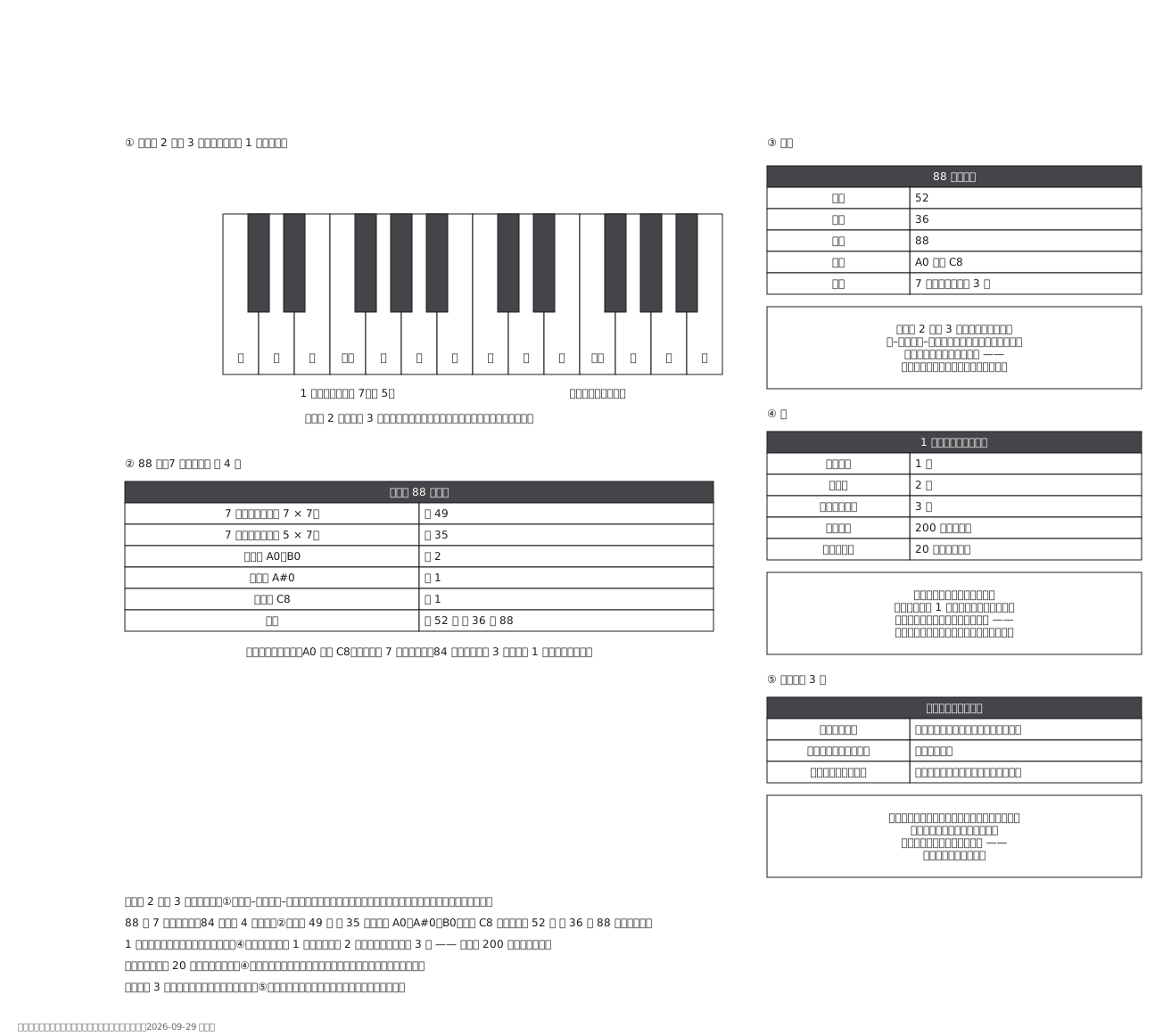 The black keys are grouped in twos and threes so that a hand can find its place without looking — twelve evenly spaced keys would give no landmark at all — and 88 turns out to be seven octaves plus four: three keys added below and one above
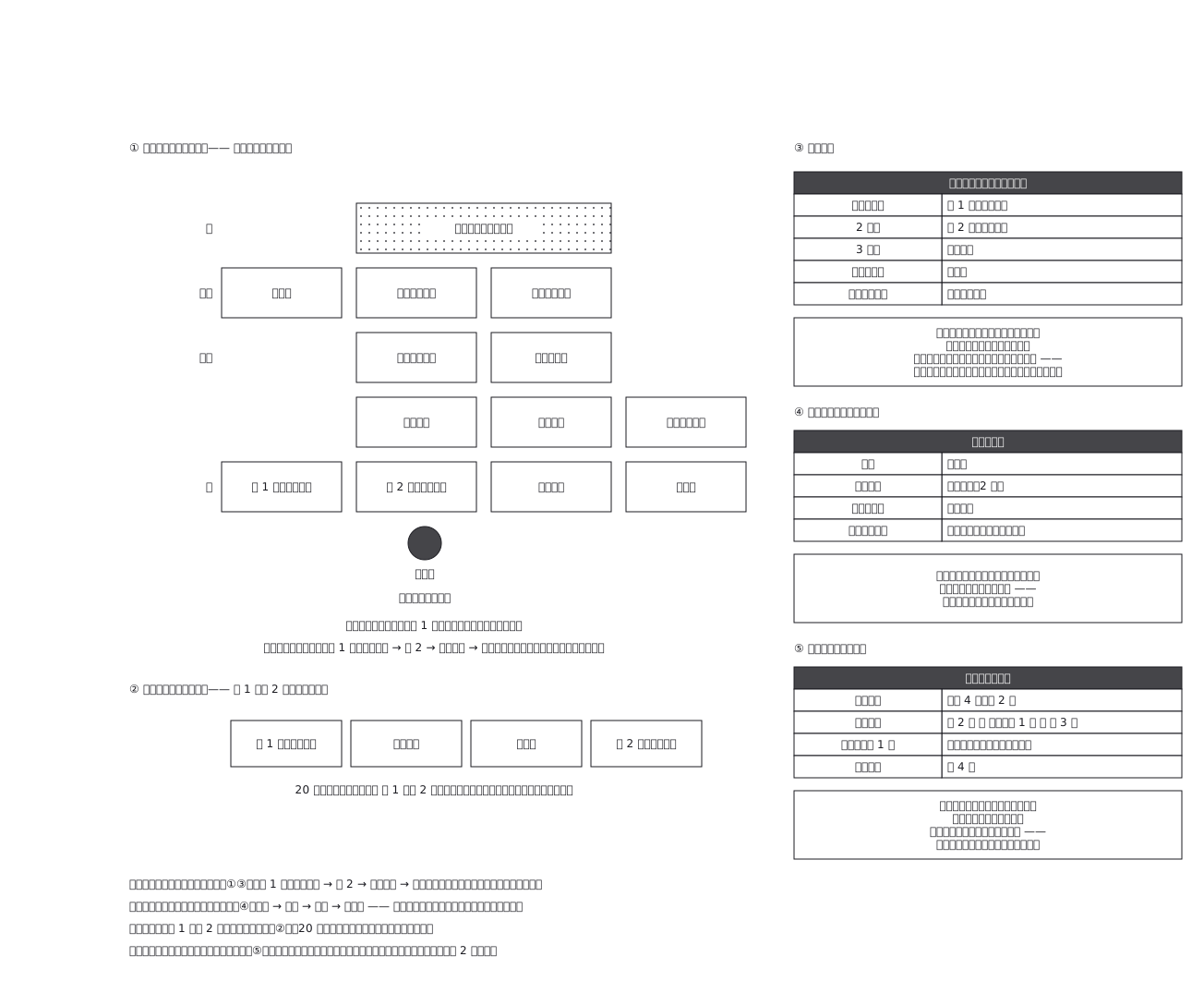 The strings run left to right from high to low and the louder the instrument the further back it sits, so the seating plan is itself a balance control — and "double wind" or "triple wind" names the size of the orchestra by counting only the woodwind
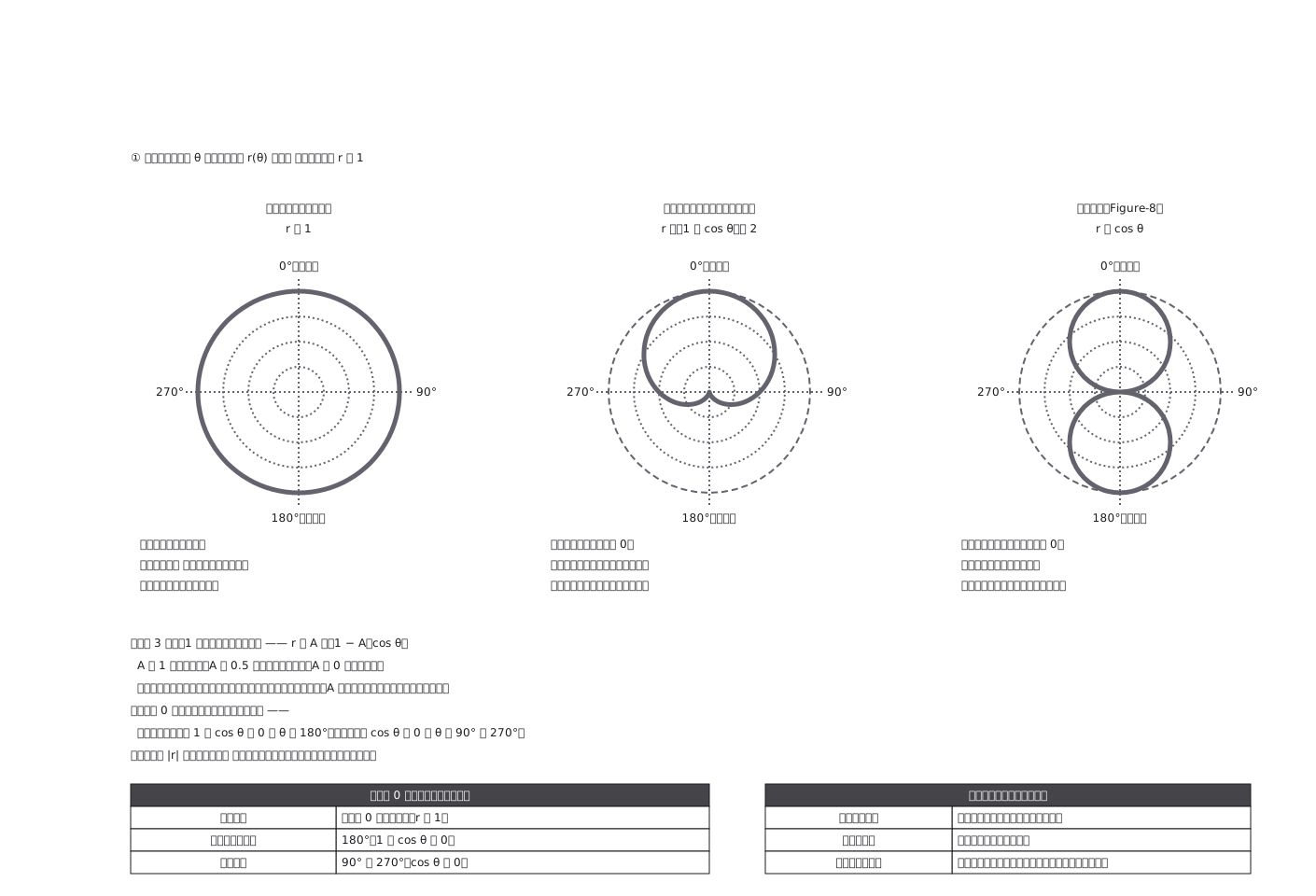 A polar plot of how much a microphone picks up from each direction. The three familiar shapes are not separate inventions but one formula at its ends and middle — omnidirectional, cardioid and figure-of-eight are A = 1, 0.5 and 0 in r = A + (1 - A)cos θ. Solving the same formula gives the dead angles: 180 degrees for a cardioid, 90 and 270 for a figure-of-eight.
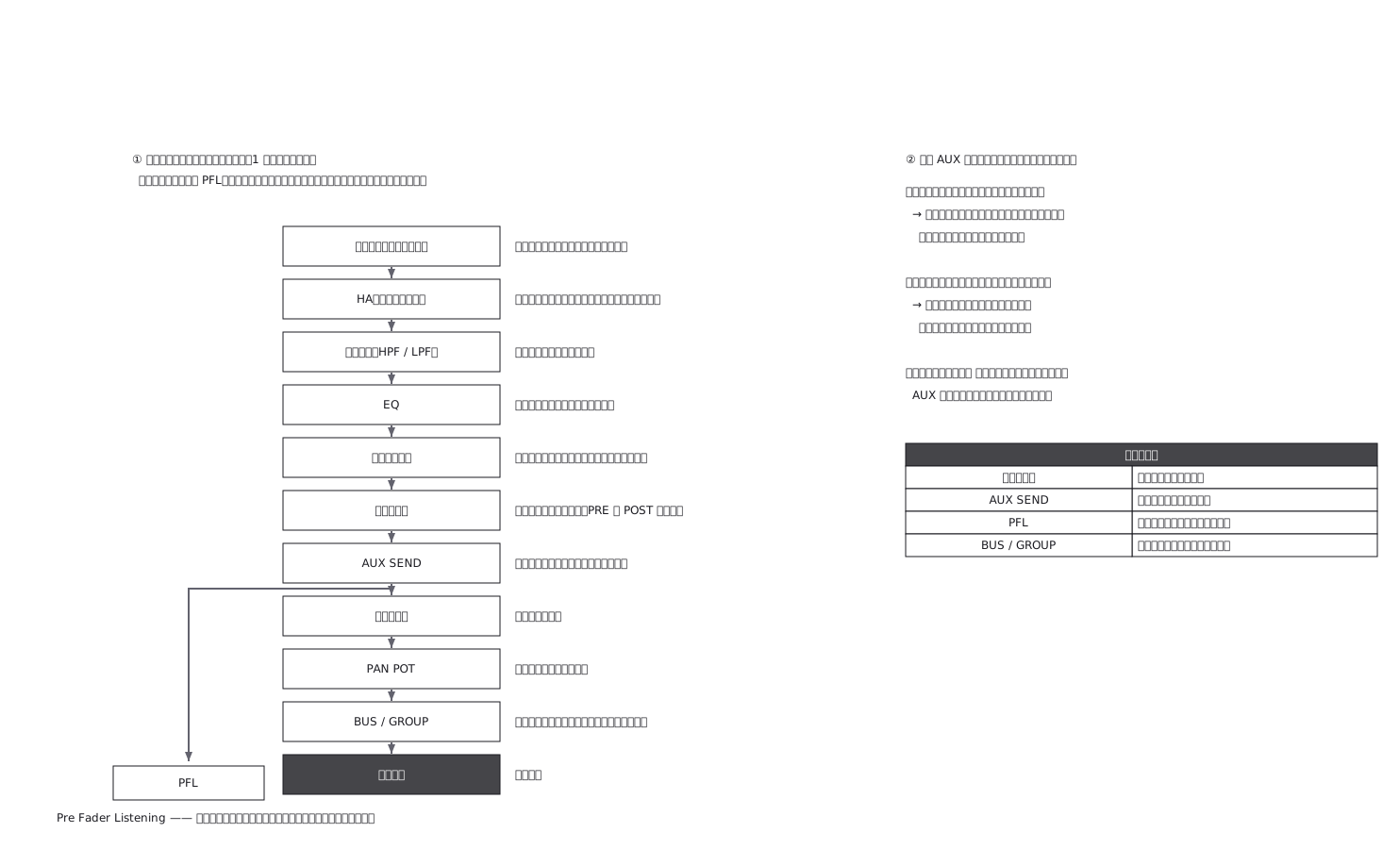 The same control means different things depending on where in the chain it sits. An aux send taken before the fader keeps its level when the engineer moves the fader, which is what a performer monitor needs; taken after, it follows the fader, which is what a reverb needs. Insert is in series and cuts the path open; aux is in parallel and branches away and back.
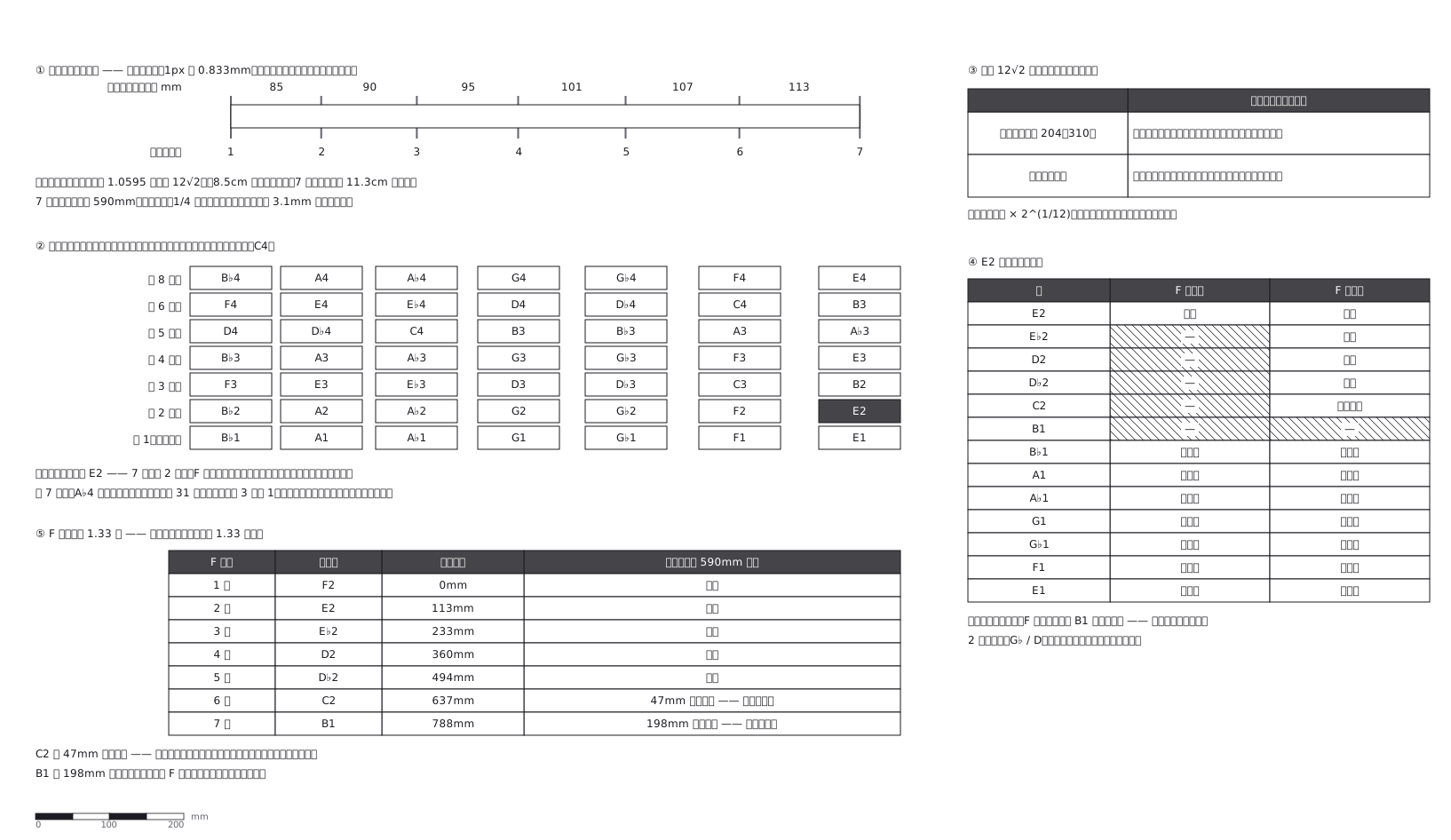 The seven trombone slide positions at real size. They are not evenly spaced: 85mm from first to second, 113mm from sixth to seventh, each gap 1.0595 times the last — the twelfth root of two that spaces guitar frets, running outward instead of inward, because a slide lengthens the whole tube. Below: the partials at each position, and why an F attachment still cannot reach B1.
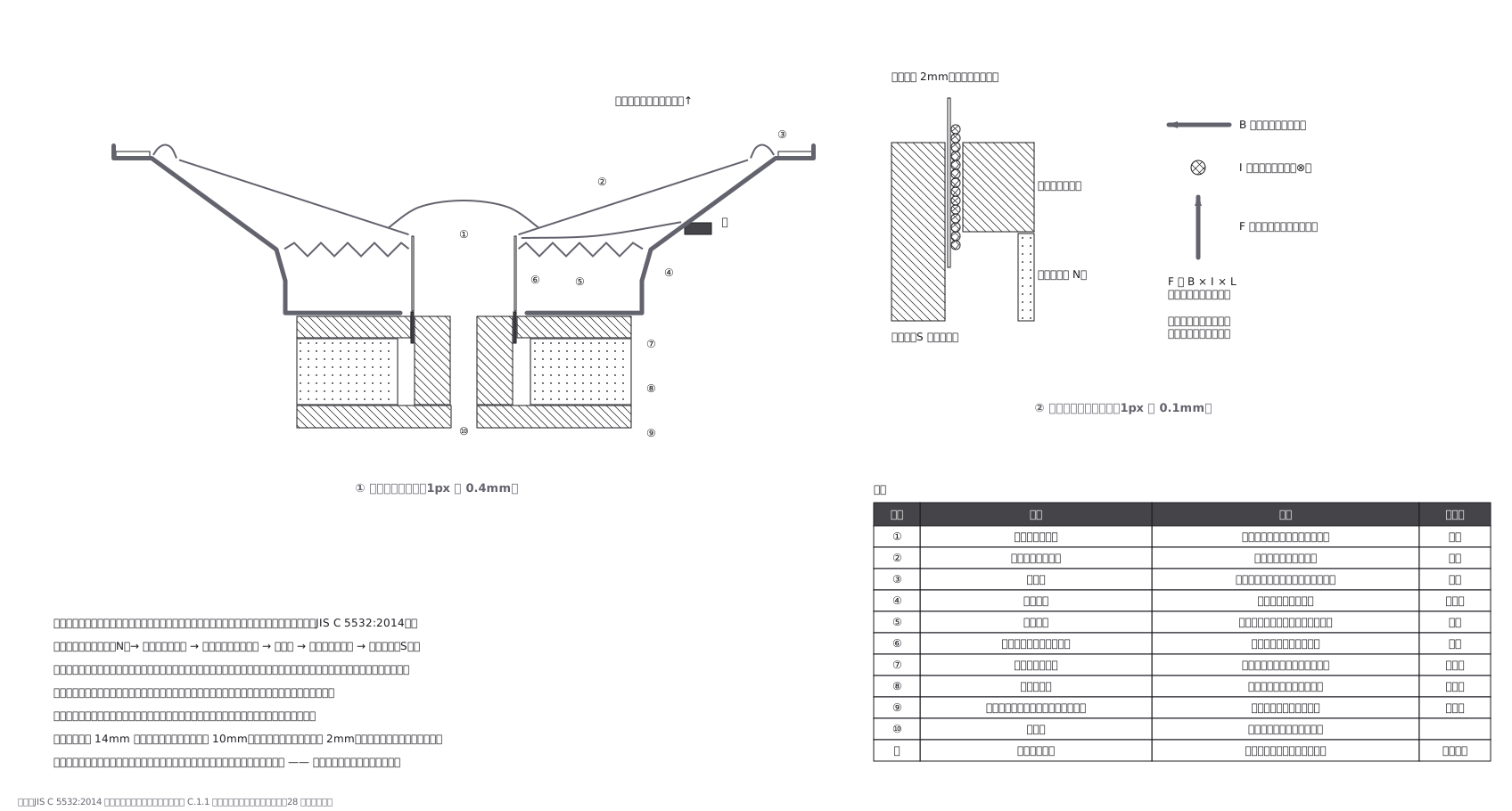 A cone loudspeaker cut through its axis. The magnet drives flux across a narrow gap; current in the voice coil sitting in that gap is pushed forward or back, and the cone, held centred by the spider and the surround, pushes the air. Reverse the current and the force reverses — feed it AC and the cone moves back and forth.
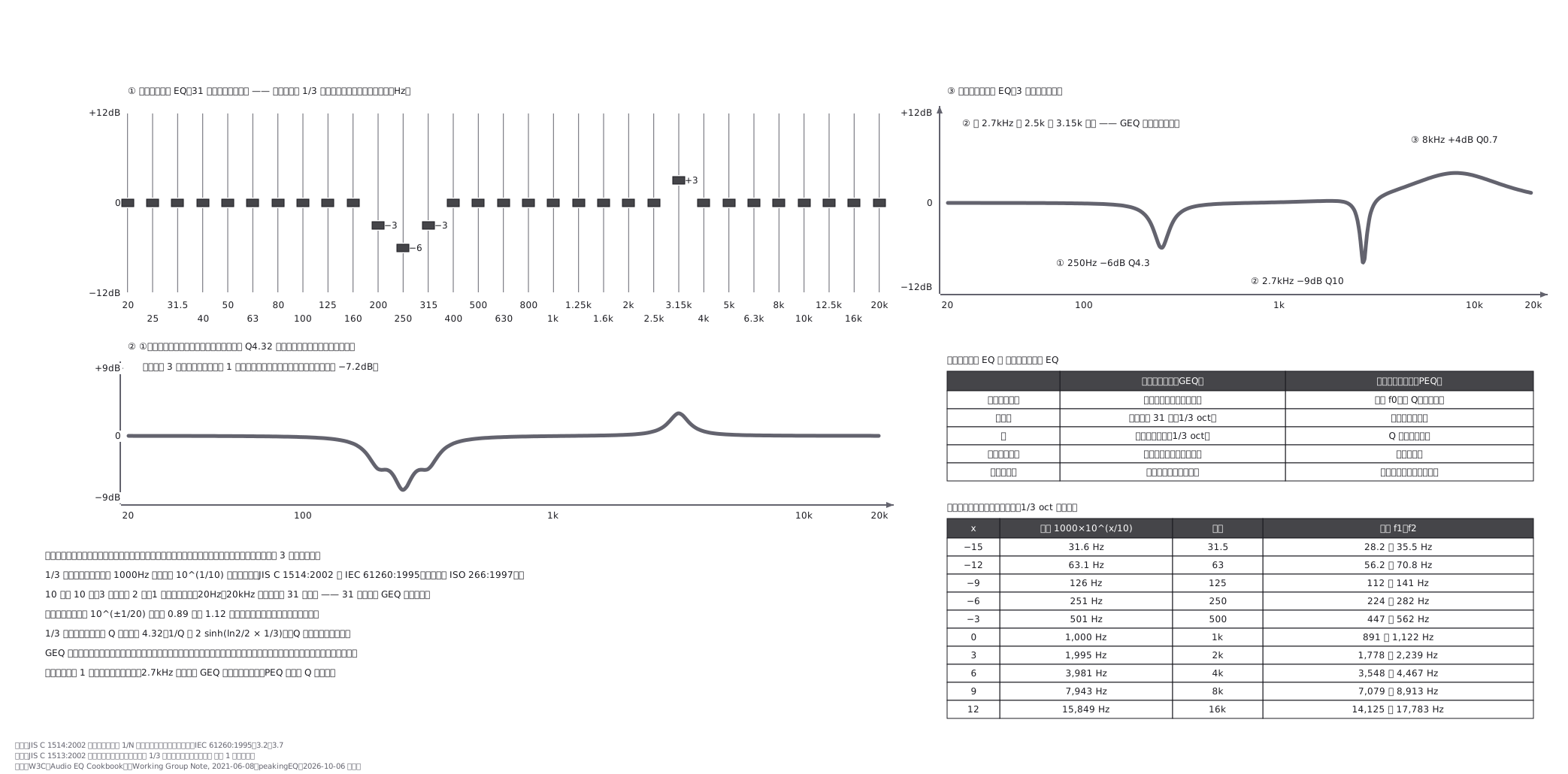 A graphic EQ moves only the level of 31 fixed bands, whose centres are 1000 Hz times powers of 10^(1/10); a parametric EQ also lets you choose the centre and the width. Pulling three neighbouring sliders cuts deeper than any one of them, and a feedback tone that falls between two graphic bands is a job for a narrow parametric band.
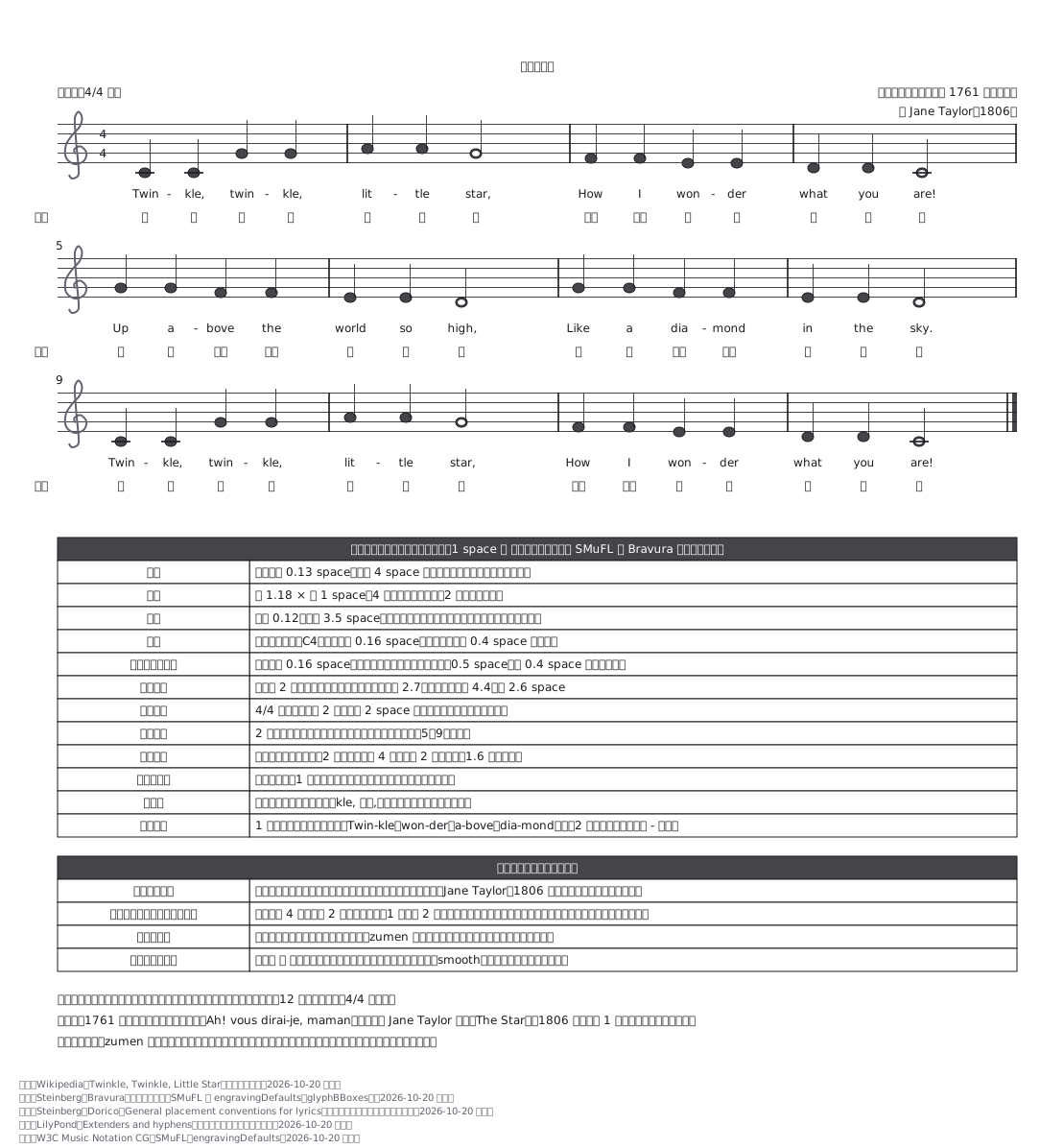 An ordinary score: Twinkle, Twinkle, Little Star in C major, 4/4, on three staves, with Jane Taylor's 1806 words under the notes. Each syllable is centred on its notehead, ignoring trailing punctuation, and a hyphen sits midway inside Twin-kle and dia-mond. Staff lines, stems and barlines follow the SMuFL engraving defaults; the clef is one smooth curve.
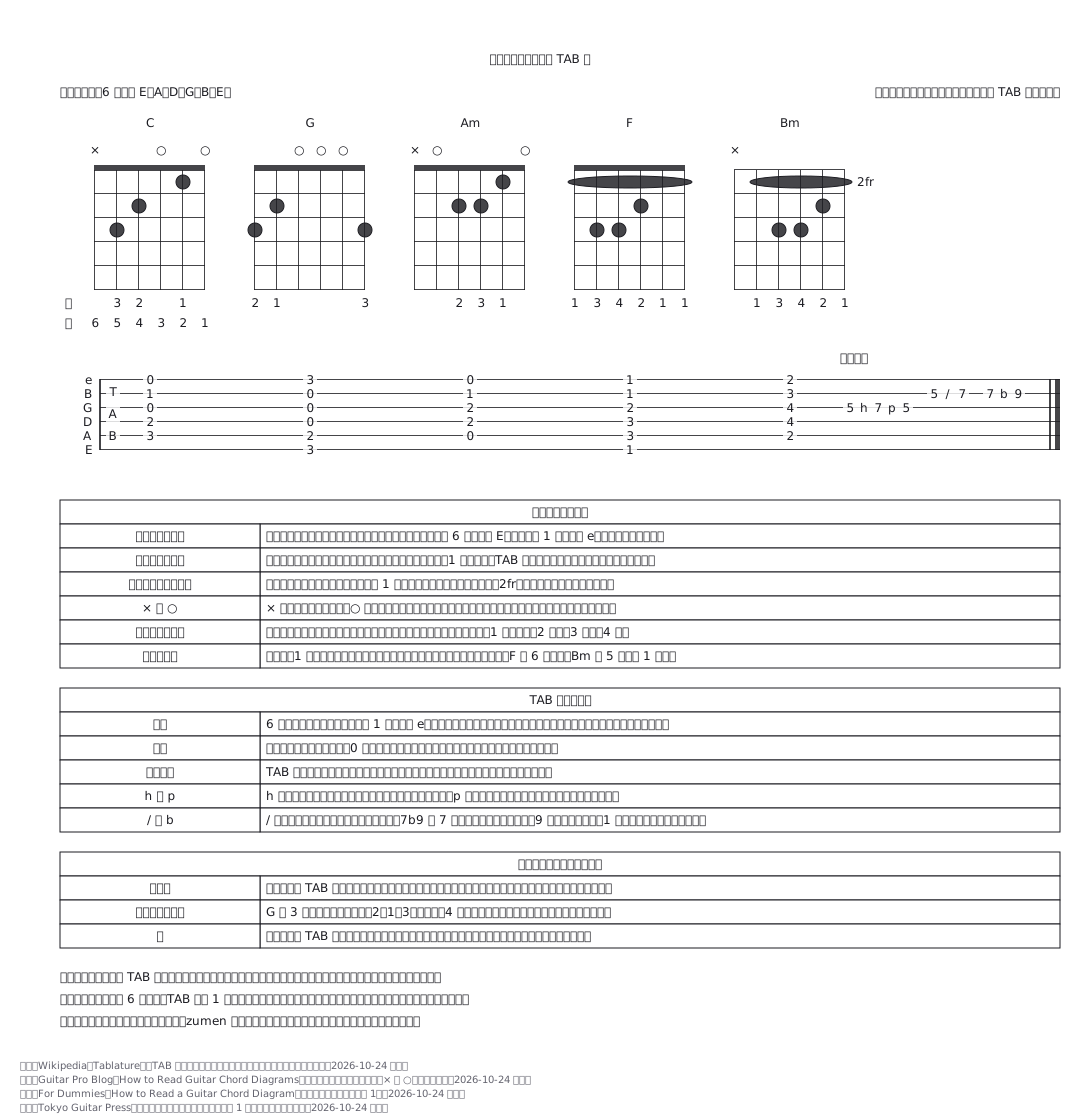 Five basic guitar chords (C, G, Am, F, Bm) written twice and lined up: chord boxes on top, TAB below. In the box the low E string is on the left, the thick top line is the nut, x and o sit above and the numbers below name the fingers; F and Bm show the barre as a long oval. In the TAB the top line is the high e. The two face opposite ways, so each labels its strings.