Learning and geometry
How leap years are decided (97 in 400 years, not 100)
Ninety-seven leap years every four hundred, not a hundred: dropping three of them brings the average year to 365.2425 days, within 0.0003 of the real one — and the four-hundred-year total happens to divide by seven, so the weekdays come back round as well
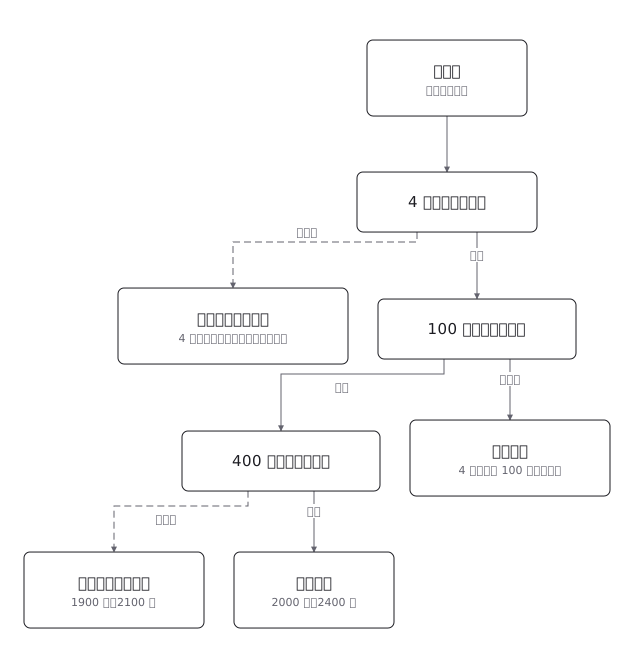
This drawing comes from one YAML file. No shape was moved by hand.
Notes in the source (in Japanese)
4 年に 1 回では、多すぎる。1 年の長さ(回帰年)は約 365.2422 日。4 年に 1 回うるう年を入れると平均 365.25 日になり、128 年で 1 日ずれる。
だから 2 つの例外を足す ——100 で割り切れる年は、うるう年にしない。ただし 400 で割り切れる年は、やはりうるう年。
400 年で 97 回。 400 ÷ 4 = 100 回から、100 で割れる 4 回(100・200・300・400)を引き、400 で割れる 1 回を戻して 100 − 4 + 1 = 97。400 年の日数は 400 × 365 + 97 = 146,097 日、1 年の平均は146,097 ÷ 400 = 365.2425 日 —— 回帰年との差は 0.0003 日/年で、1 日ずれるのに約 3,300 年かかる。
おまけに、曜日も 400 年で元に戻る。146,097 は 7 で割り切れる(146,097 ÷ 7 = 20,871)——だからカレンダーの並びは 400 年周期で繰り返す。4 年でも 100 年でもなく 400 年なのは、この偶然も効いている。
2000 年はうるう年、1900 年と 2100 年はうるう年ではない。生きているあいだに例外の例外に当たるのは珍しく、2000 年はその珍しいほうだった。
数はすべて計算で確かめた(回数・日数・平均・7 で割り切れること)。
Source (YAML)
examples/gallery/314-うるう年の決め方.zumen.yaml
More in this field
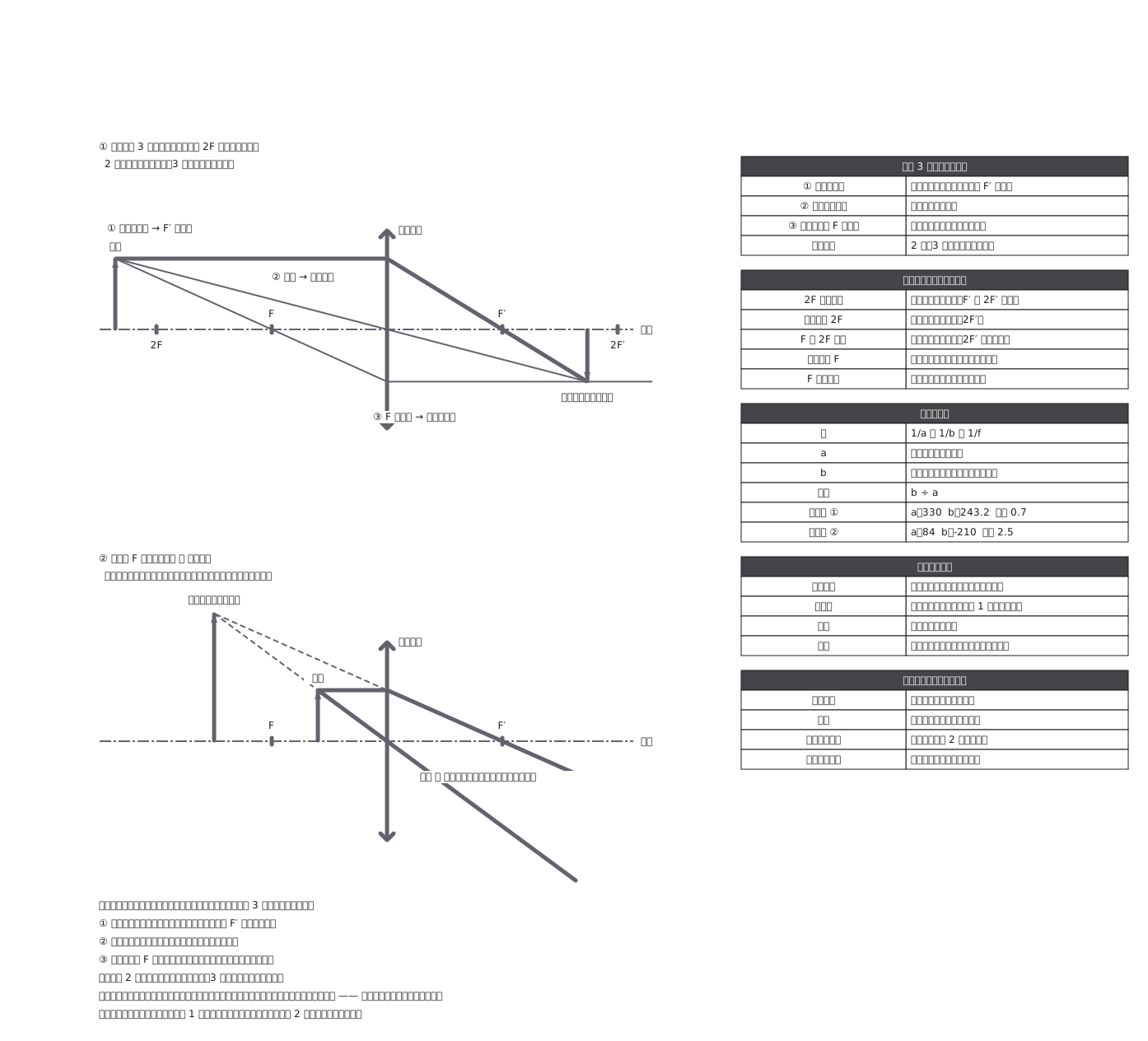 Ray tracing through a convex lens: there are only three lines to draw, and two of them fix the image
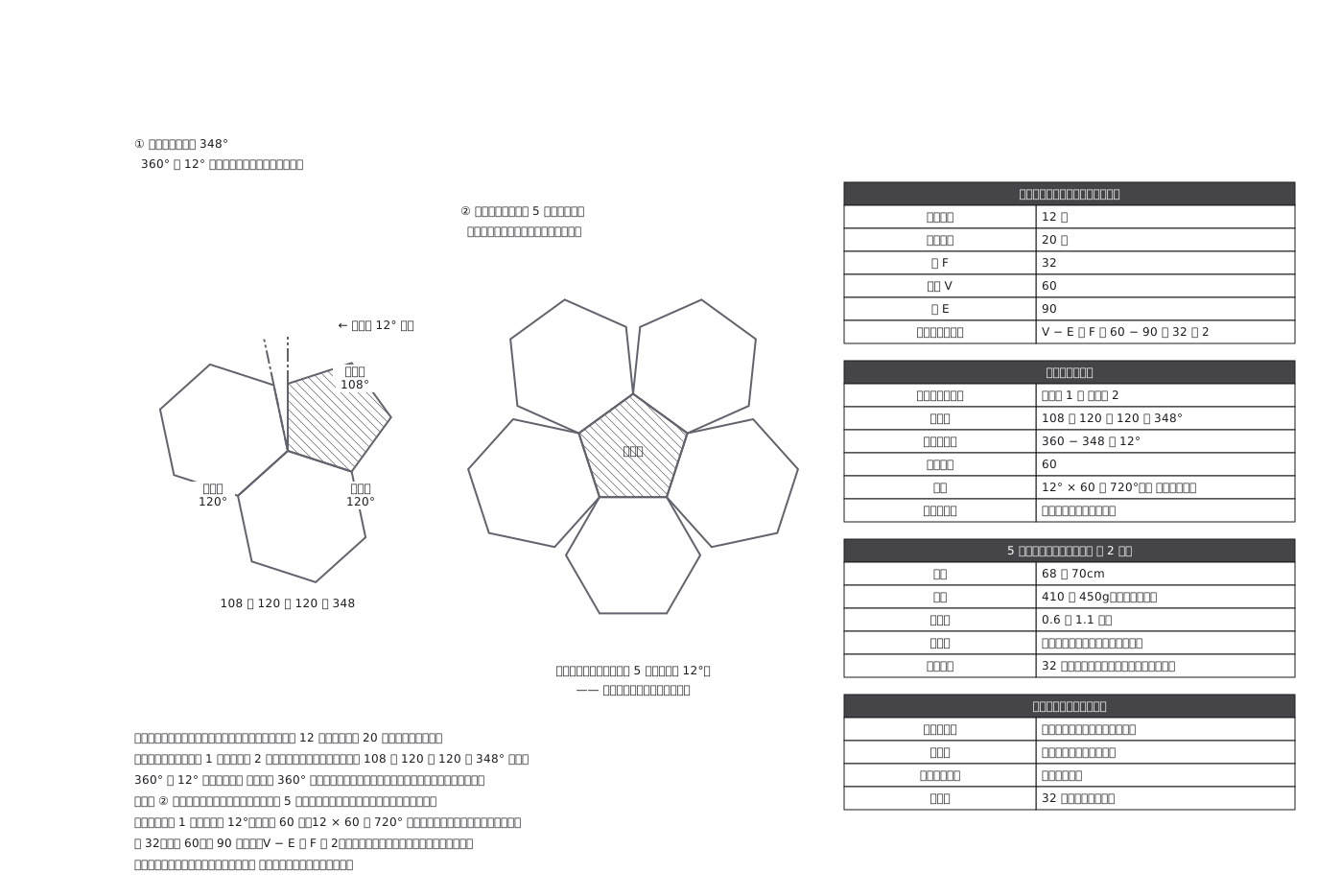 A football is a truncated icosahedron: the 12 degrees missing at every vertex are what make it a sphere
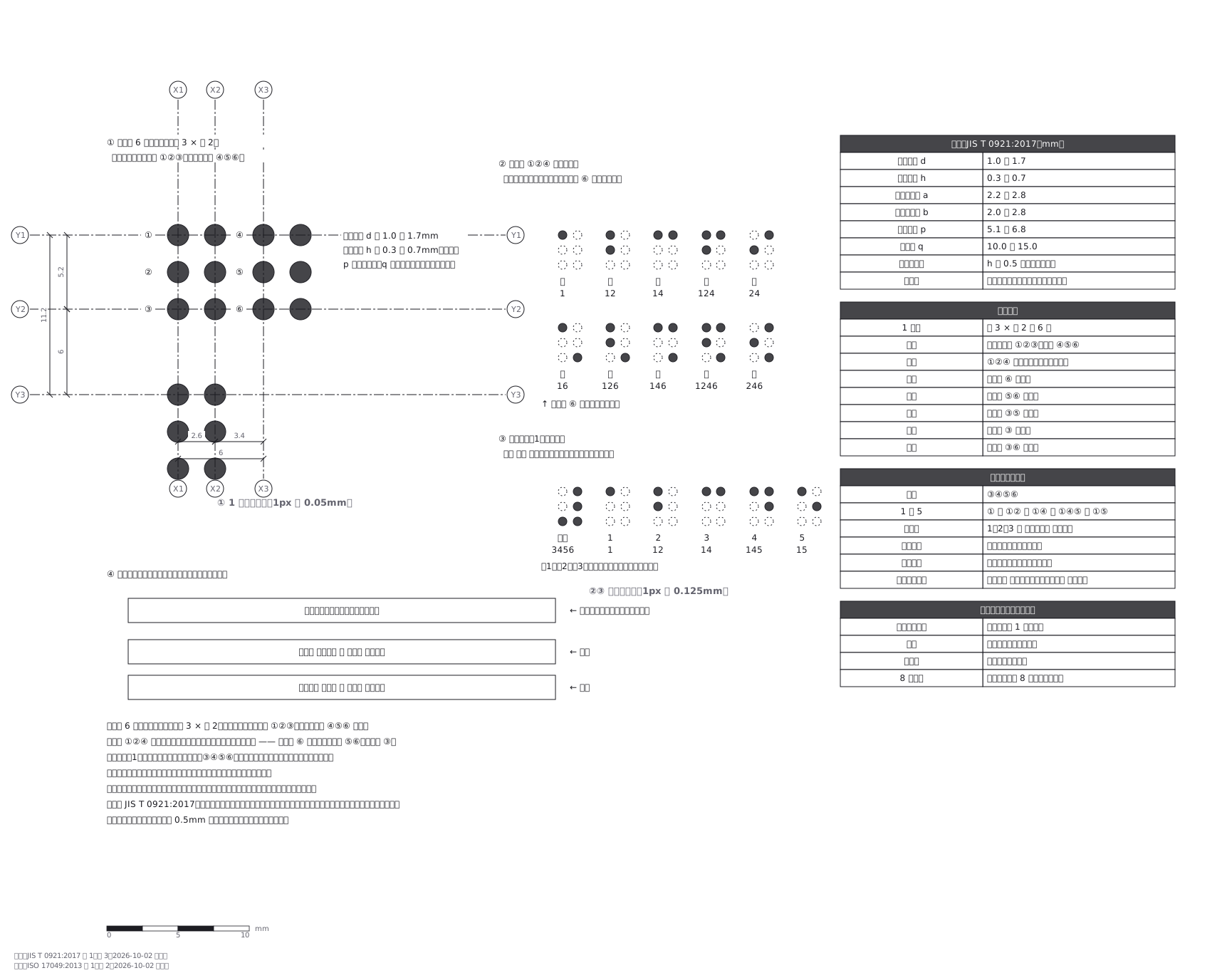 Braille has only six dots, so “a” and “1” are the same shape until a number sign says otherwise
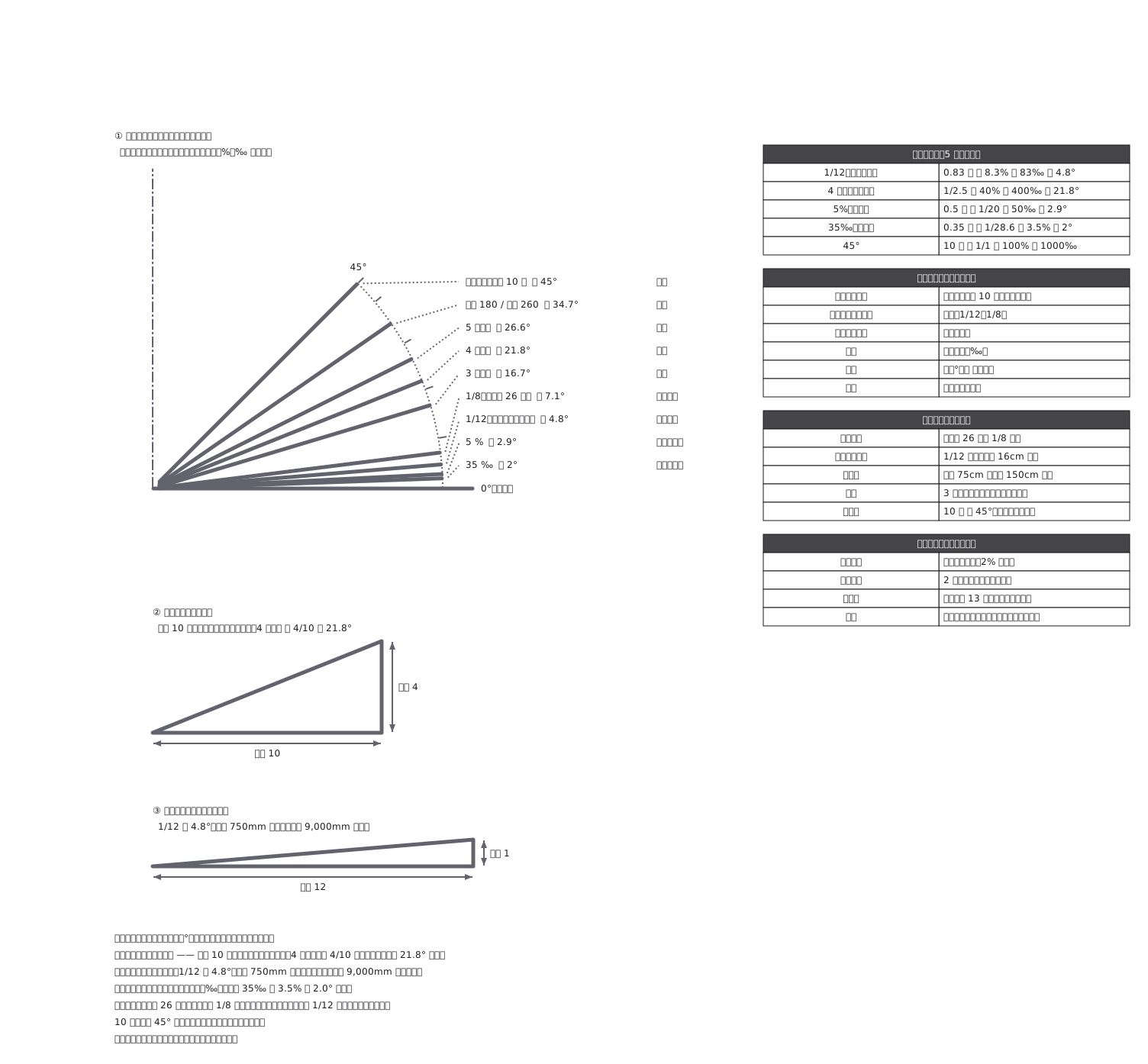 Slope notation: roofs in sun, ramps in fractions, roads in percent, railways in per mille — degrees are the minority
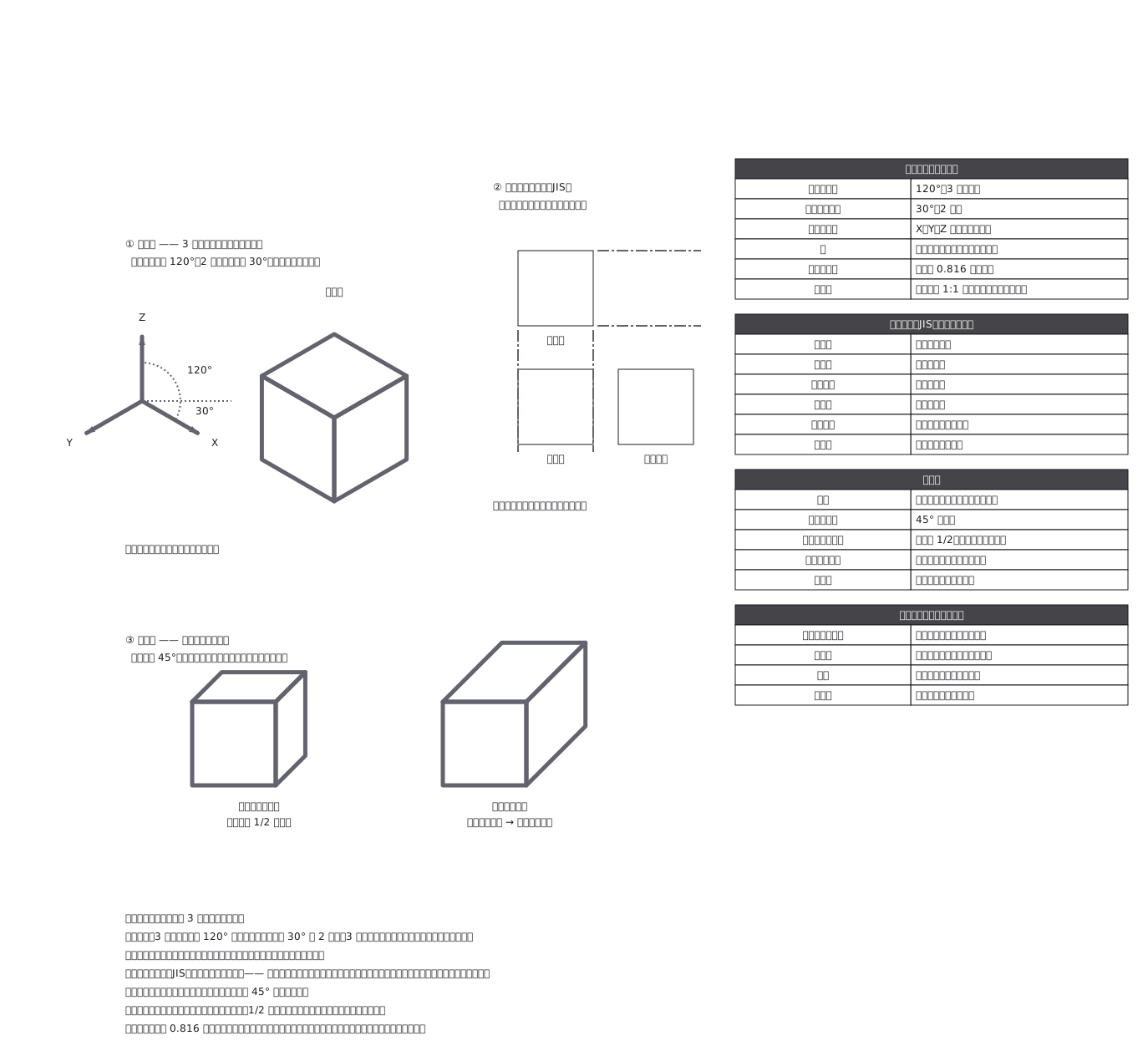 Isometric, third-angle and oblique: one scale serves all three axes, but circles become ellipses
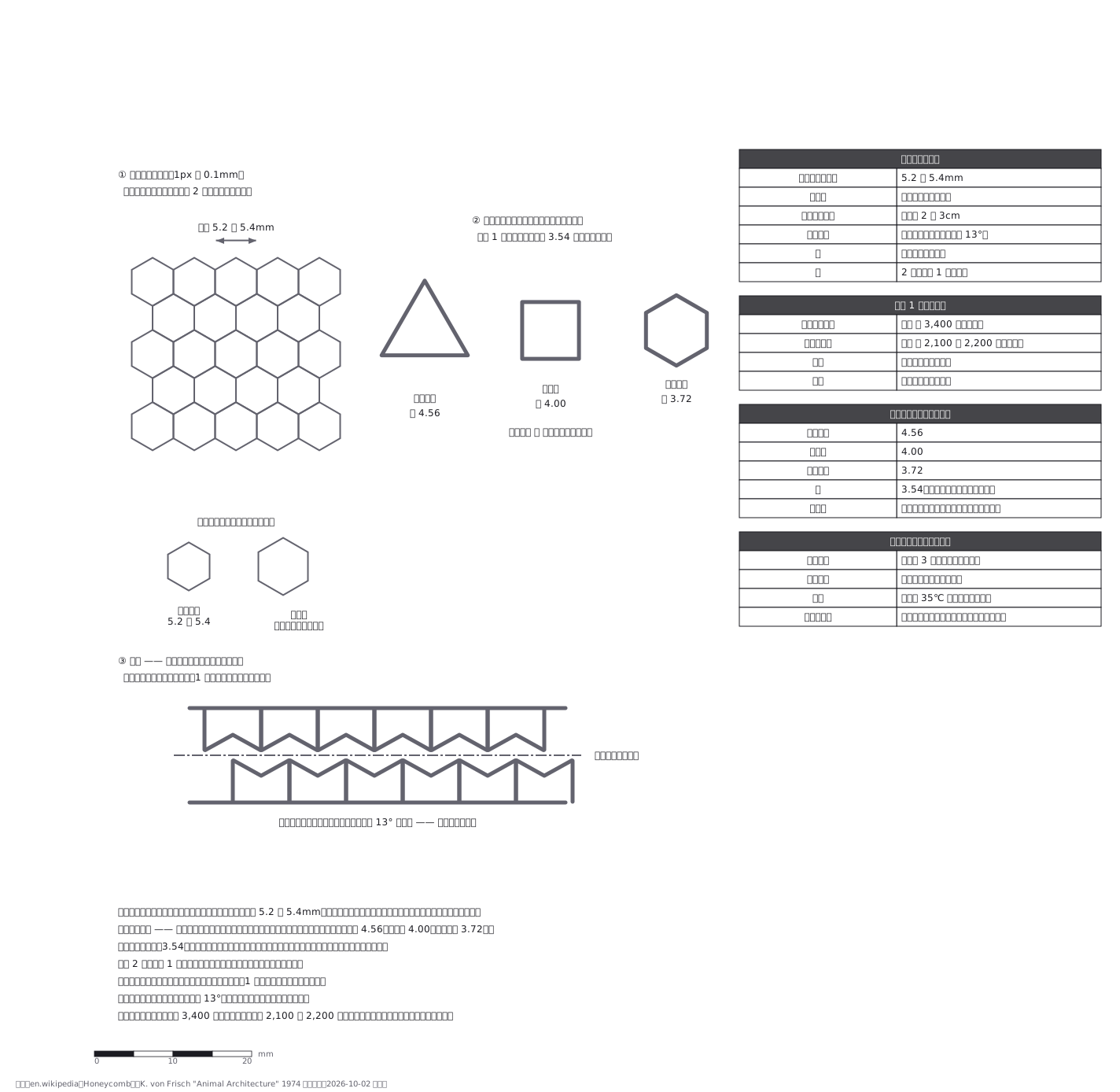 Honeycomb cells: for a given area the hexagon has the shortest wall of any shape that tiles
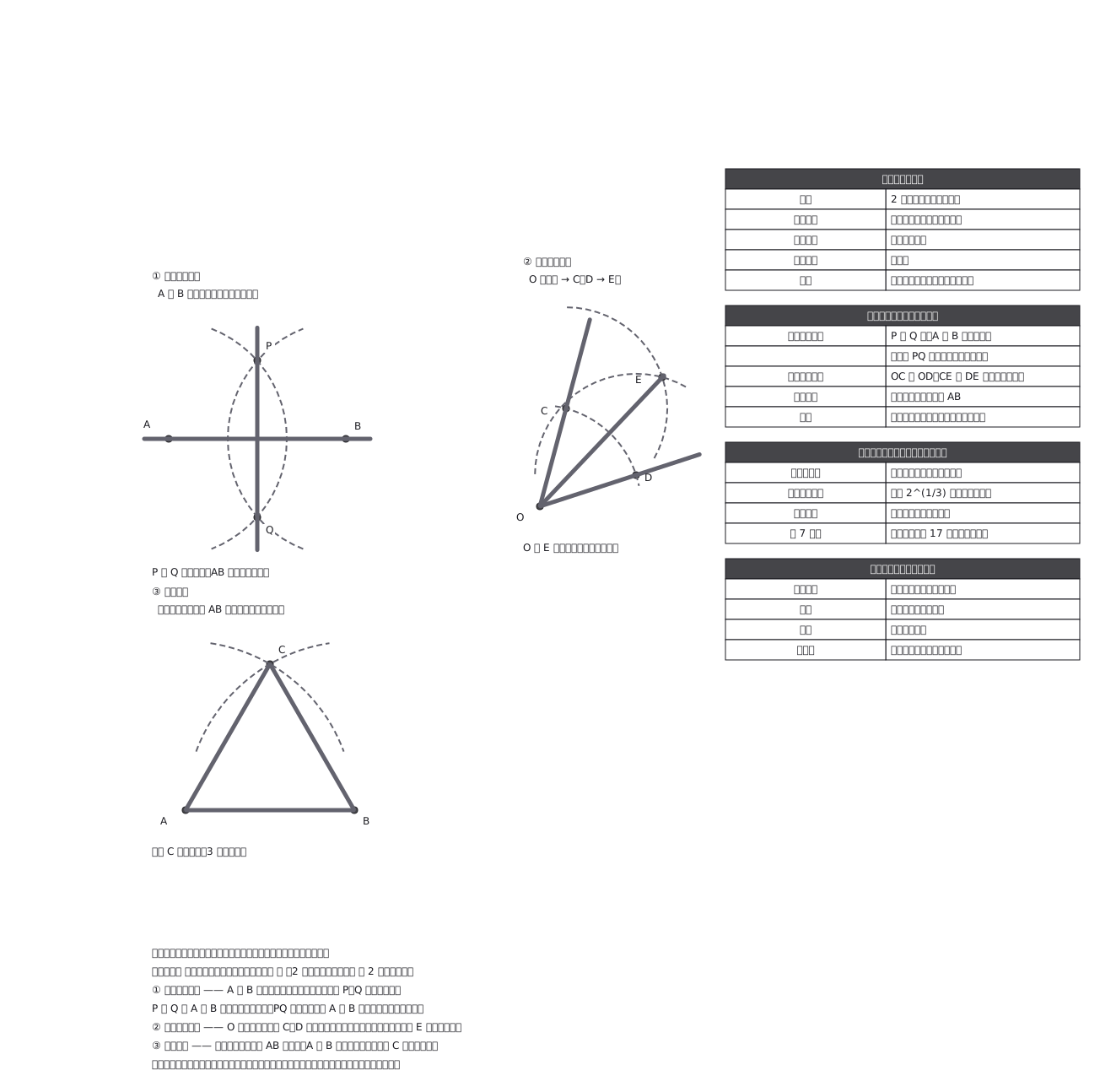 Ruler-and-compass constructions: no scale is used, because equal compass openings make equal lengths
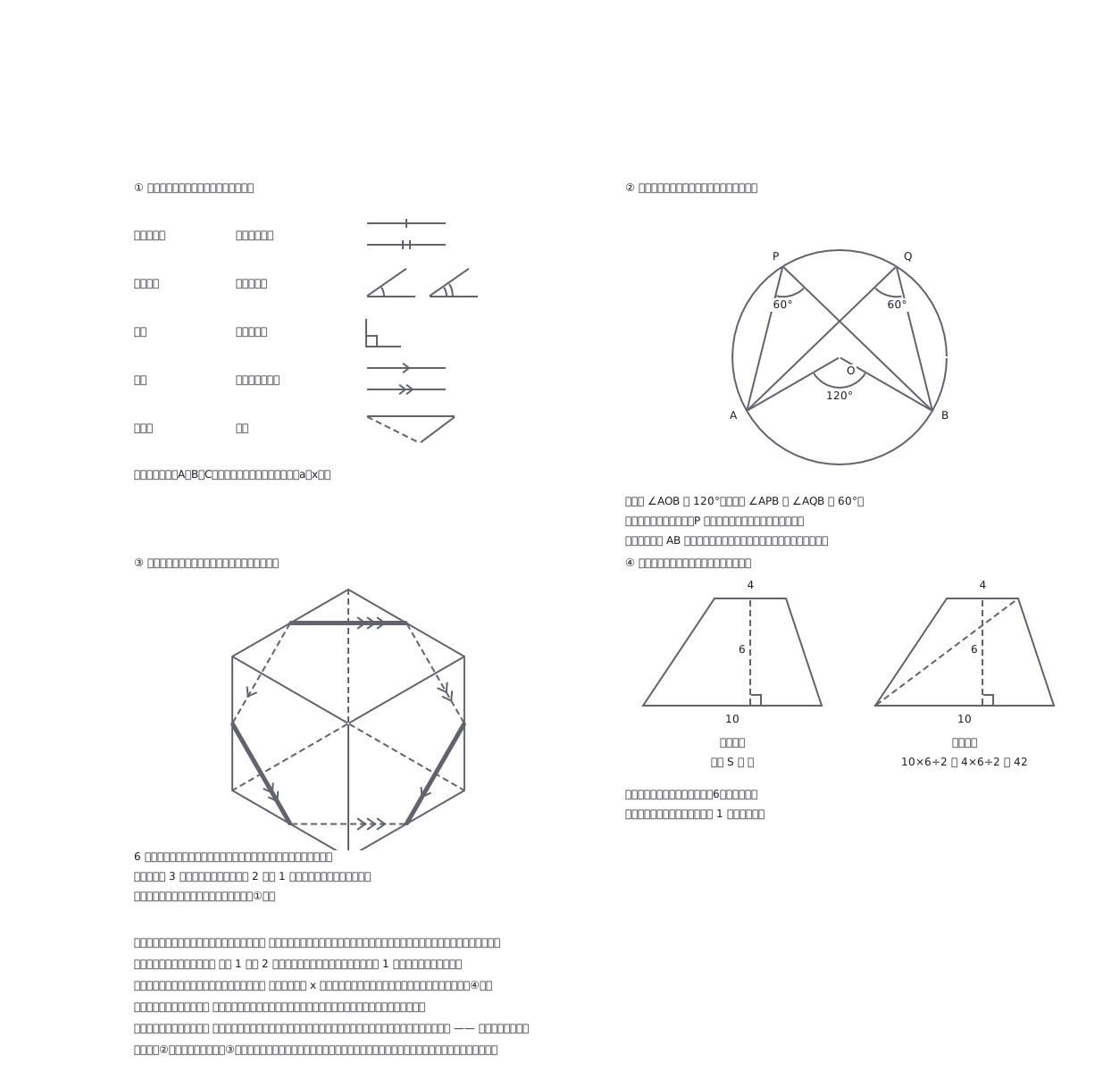 Figures in maths problems: the marks carry the meaning — equal ticks, right-angle squares, parallel chevrons — and only the given values are written on the figure