Learning and geometry
Space is not weightless (89% of gravity even at ISS altitude)
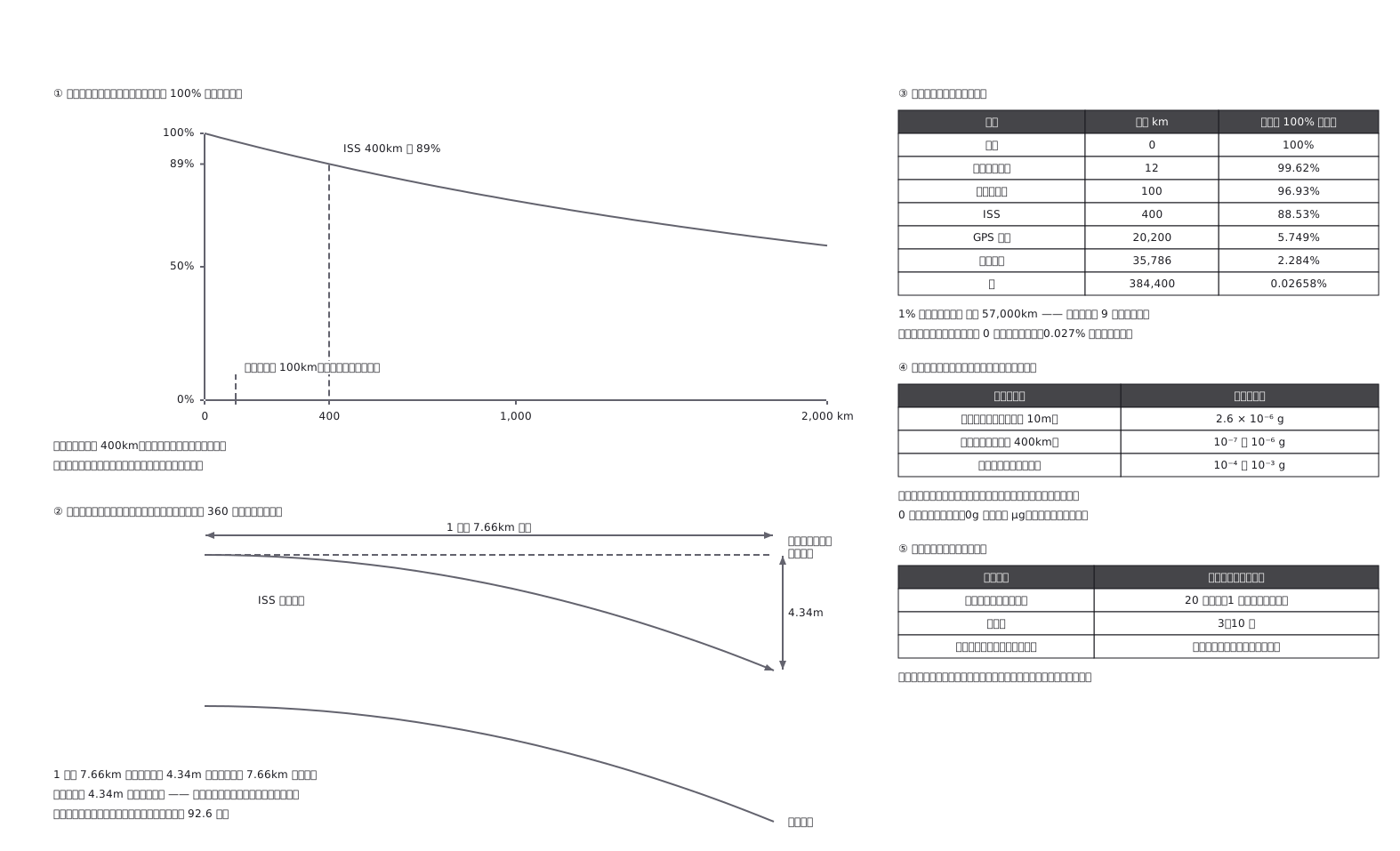
At the altitude of the ISS, 400km, Earth still pulls at 88.5 per cent of its surface strength. Astronauts float because the station is falling, not because gravity has gone: in one second it travels 7.66km and drops 4.34m, and 7.66km further on the surface has curved away by the same 4.34m. Tables give the pull at every altitude up to the Moon, and why it is called microgravity rather than zero.
This drawing comes from one YAML file. No shape was moved by hand.
Notes in the source (in Japanese)
高さ 400km の ISS でも、地球が引く力は地表の 88.5%(8.68m/s²)。飛行士が浮くのは、力が無いからではない —— 落ち続けているから。
引く力は距離の 2 乗で弱まるが、測るのは地球の中心からである。地表で 6,371km。400km 上がっても 6,771km で、6% 遠くなっただけ。2 乗しても 0.89 にしかならない。
| どこ | 高さ km | 地表を 100% として |
|---|---|---|
| カーマン線 | 100 | 96.93% |
| ISS | 400 | 88.53% |
| 静止衛星 | 35,786 | 2.284% |
| 月 | 384,400 | 0.0266% |
1% まで落ちるのは高さ 57,000km。 地球の半径 9 個ぶん外側である(中心から半径 10 個)。
ISS は 1 秒で 7.66km 進み、そのあいだに 4.34m 落ちる。ところがその 7.66km 先では、地球の面も 4.34m 下がっている。だから、いつまでも地面に着かない。高さが変わらないだけで、落ちてはいる。
体重計が 0 を指すのは、体重計も同じ速さで落ちているから。押し返すものが無いだけで、引かれる力は消えていない。
完全に落ちていても、重心から離れた点は少しだけ違う軌道を描く。重心から 10m のところで 2.6 × 10⁻⁶ g(= 2GMd / r³)。大気の抵抗と、人や機械の動きも足される。0 にはならないので µg と書く。
②は縦を約 360 倍にしてある(横 640 で 7.66km、縦 130 で 4.34m)。7.66km に対して 4.34m は、そのまま描くと線の太さに埋まる。横だけが読める図。
出典: g = g₀(R/(R+h))²、R = 6,371km、g₀ = 9.807m/s²。ISS の速さと周期は NASA の公開値(7.66km/s・92.6 分)。月の距離は平均 384,400km。
Source (YAML)
examples/gallery/351-宇宙は無重力ではない.zumen.yaml
More in this field
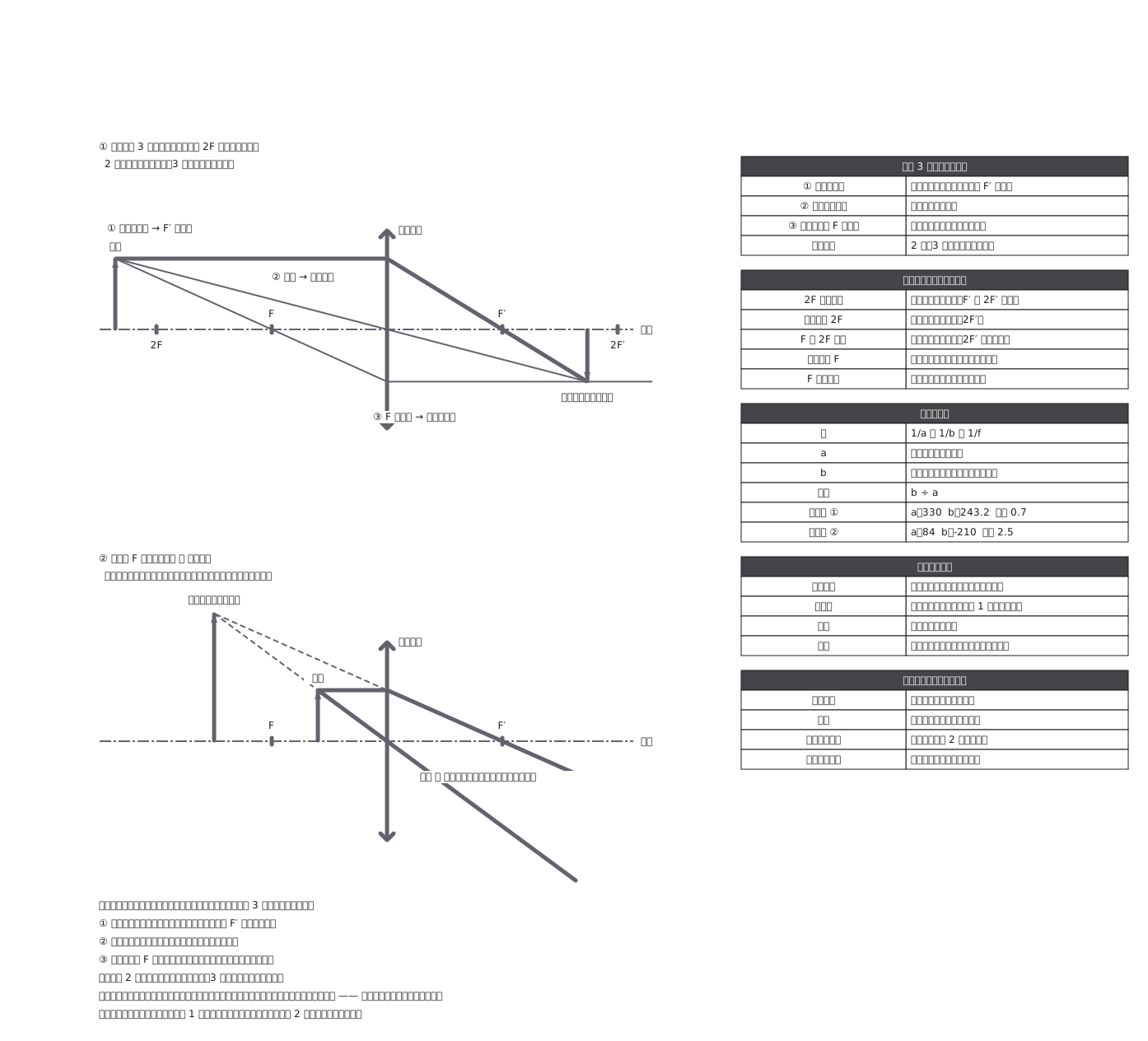 Ray tracing through a convex lens: there are only three lines to draw, and two of them fix the image
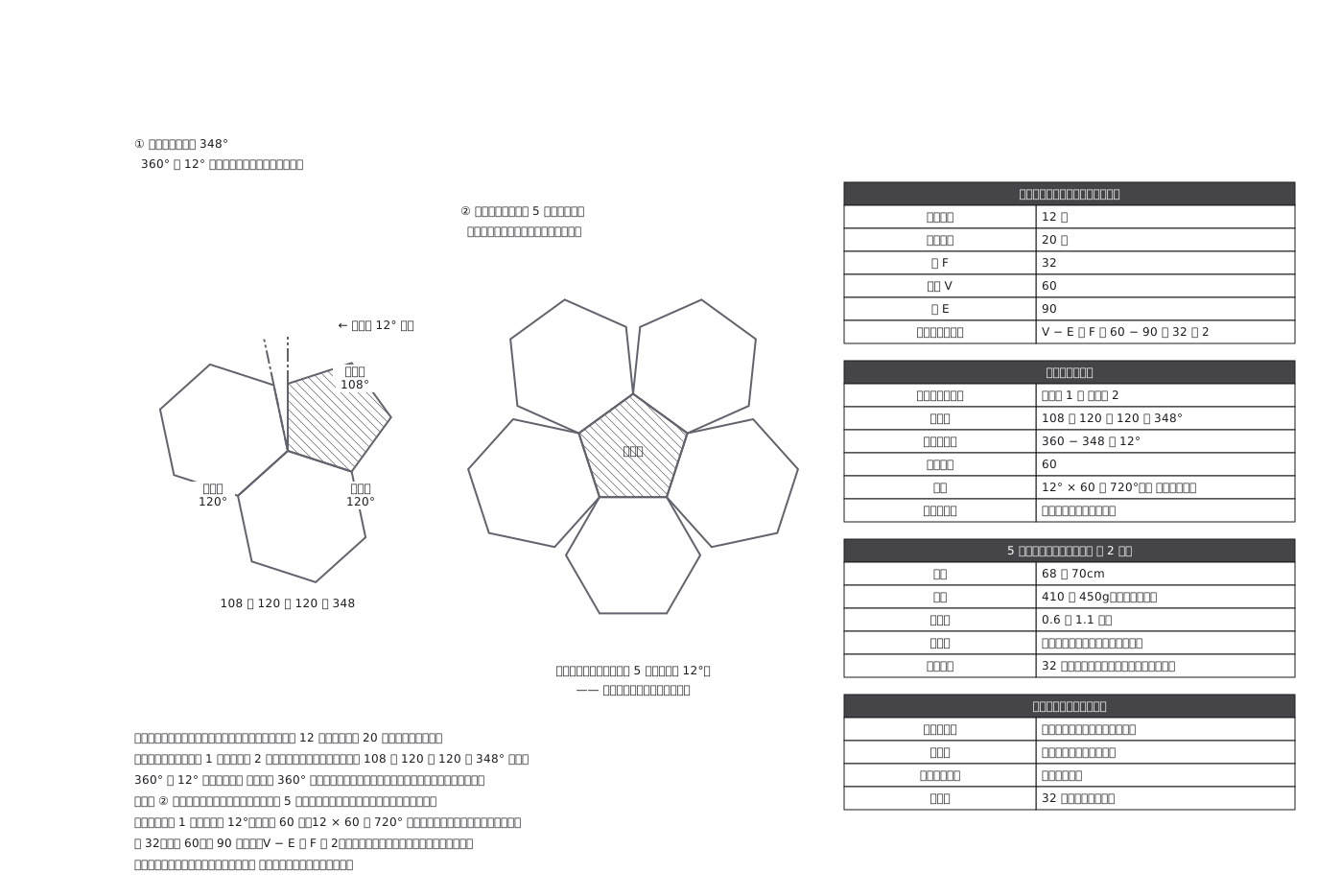 A football is a truncated icosahedron: the 12 degrees missing at every vertex are what make it a sphere
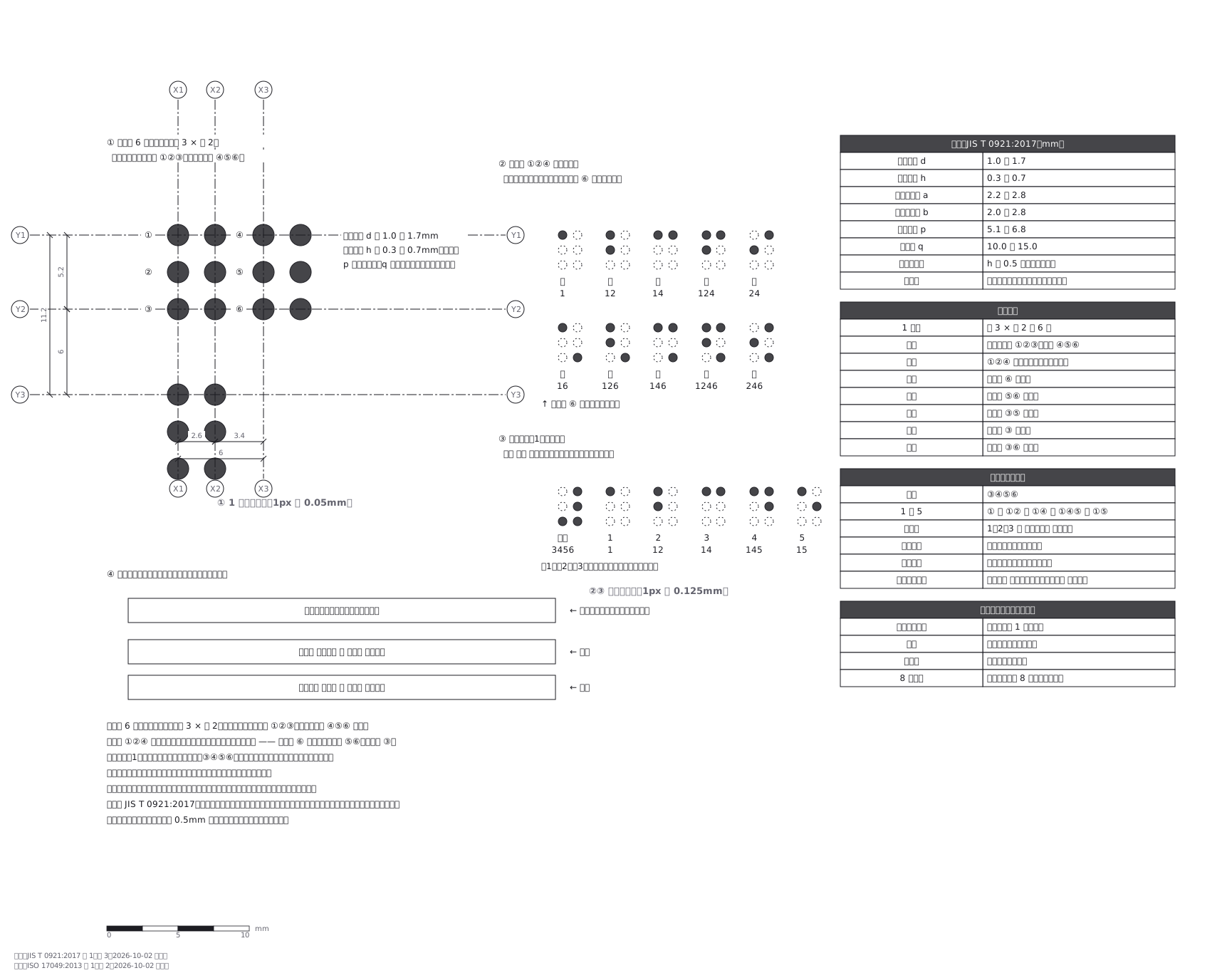 Braille has only six dots, so “a” and “1” are the same shape until a number sign says otherwise
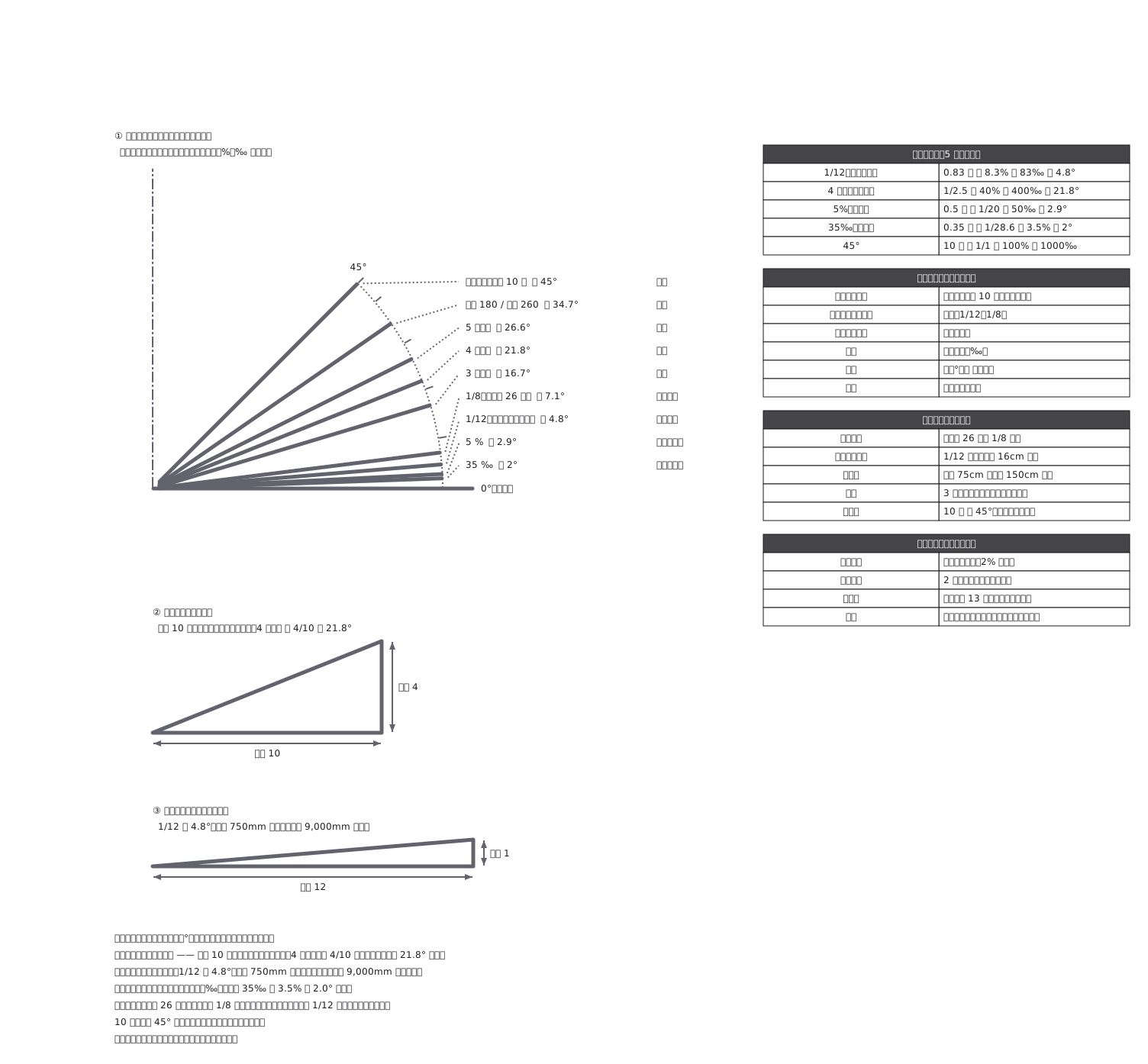 Slope notation: roofs in sun, ramps in fractions, roads in percent, railways in per mille — degrees are the minority
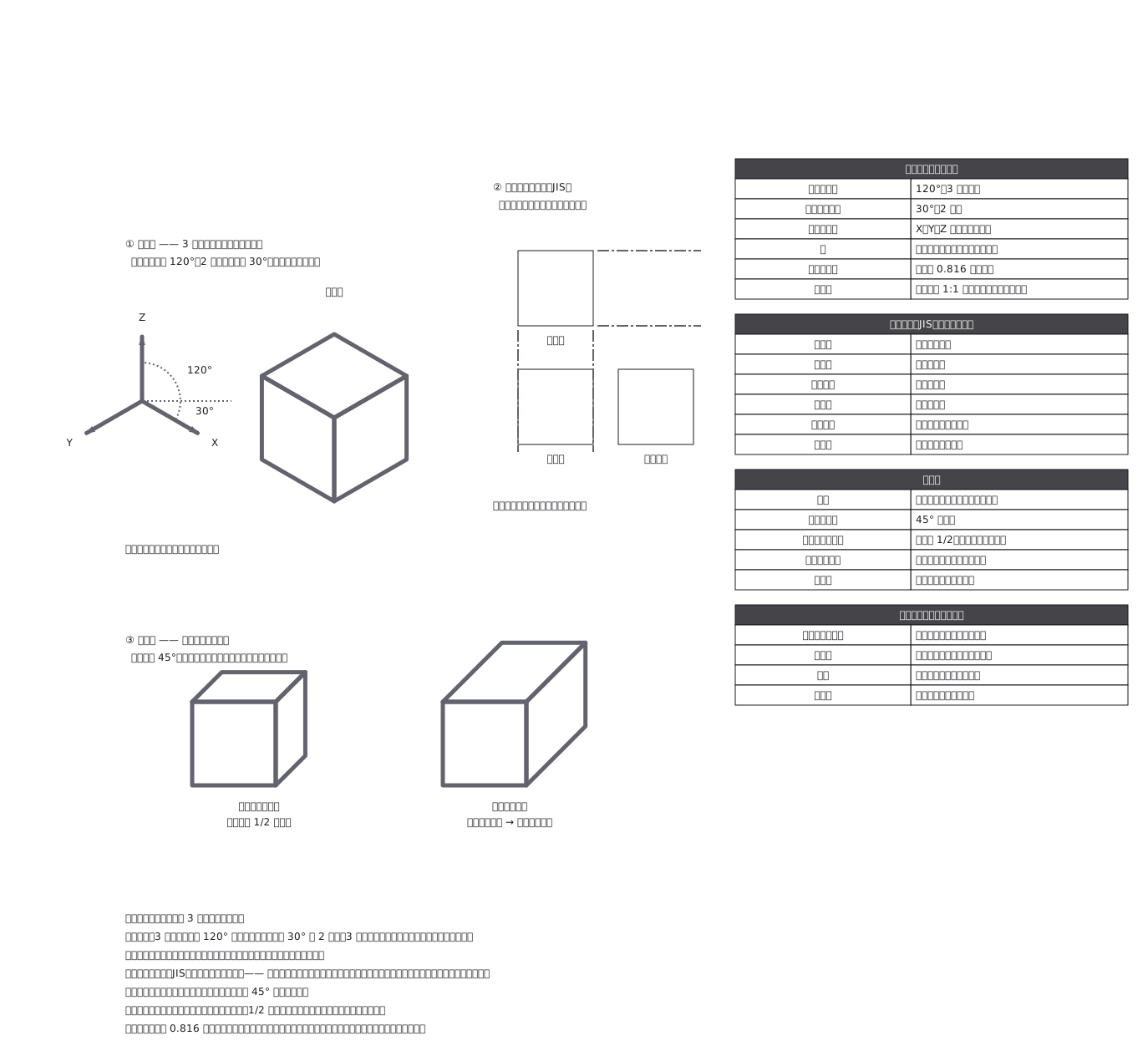 Isometric, third-angle and oblique: one scale serves all three axes, but circles become ellipses
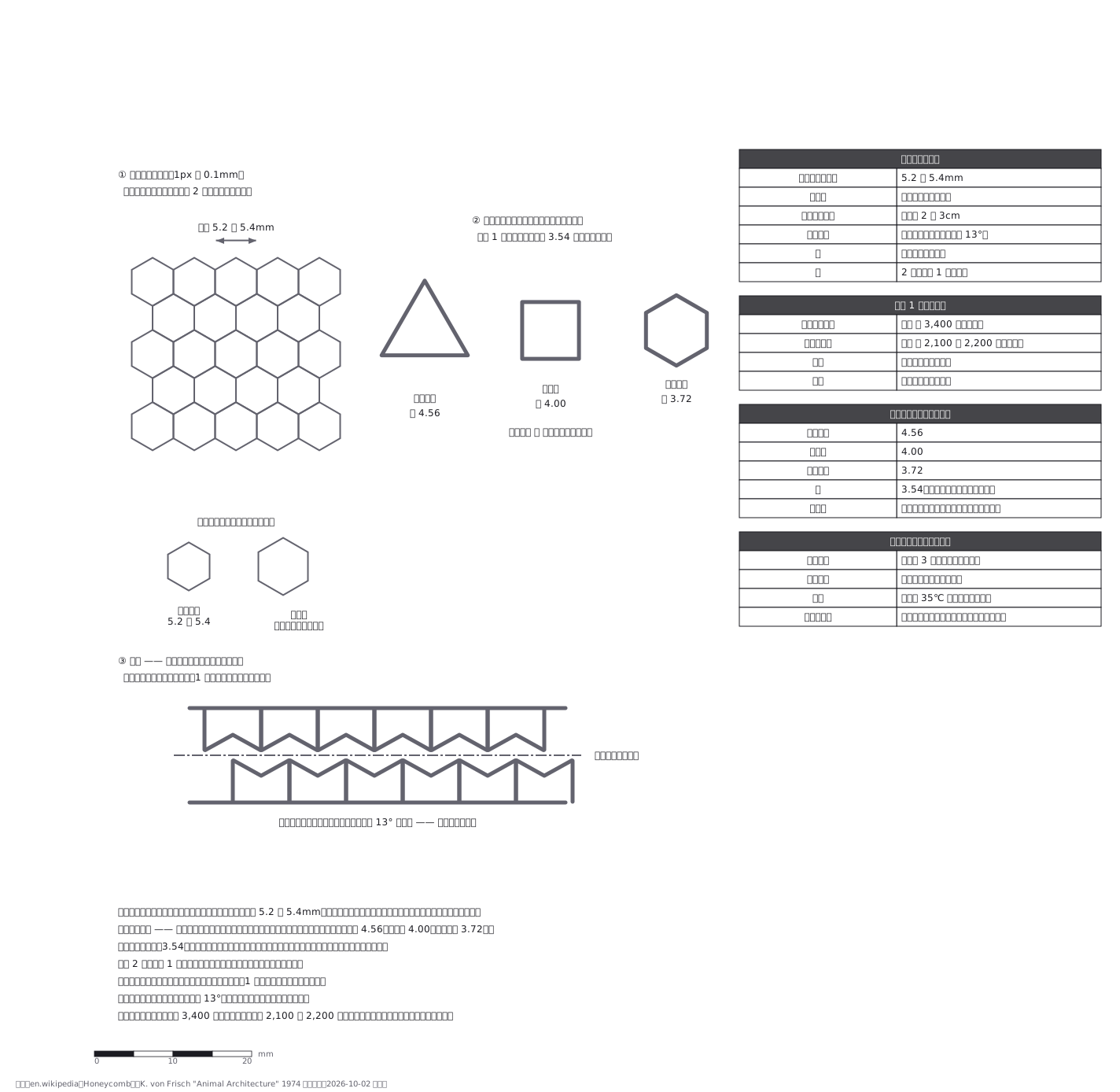 Honeycomb cells: for a given area the hexagon has the shortest wall of any shape that tiles
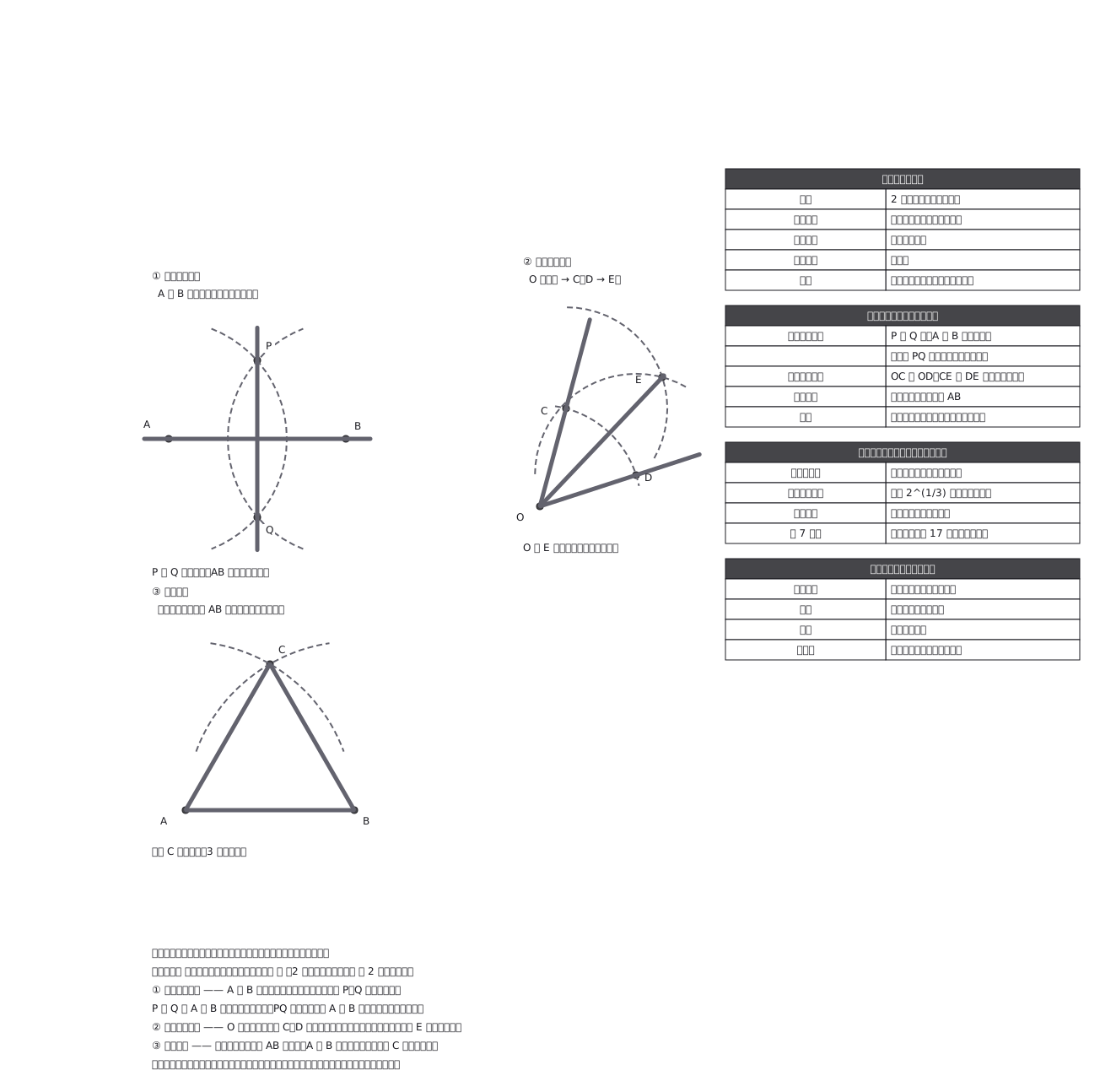 Ruler-and-compass constructions: no scale is used, because equal compass openings make equal lengths
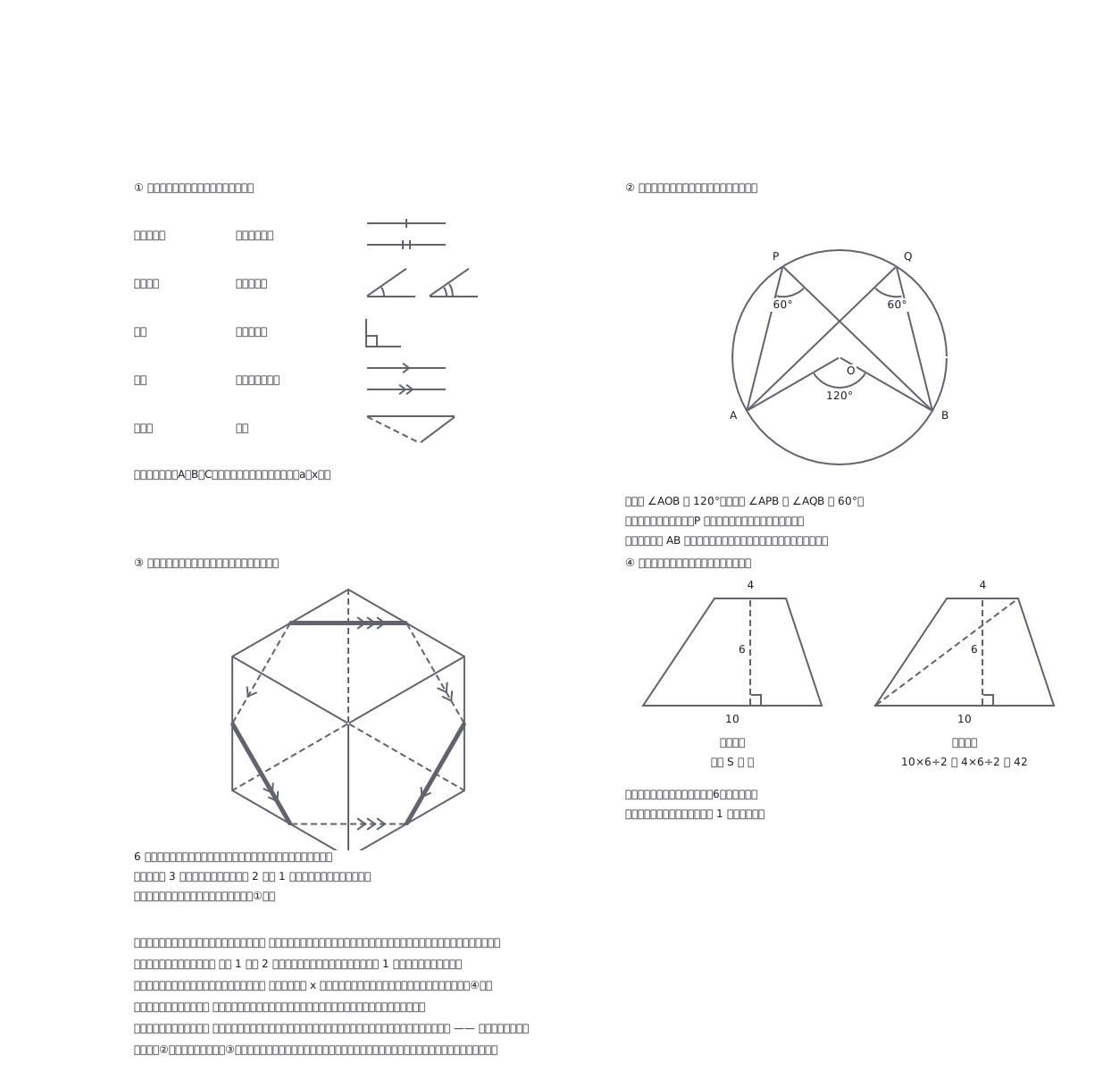 Figures in maths problems: the marks carry the meaning — equal ticks, right-angle squares, parallel chevrons — and only the given values are written on the figure