Disaster and emergency
How to read a surface weather chart (isobars and front symbols — fictional pressure pattern)
A surface chart: the barbs tell you which way the front is moving
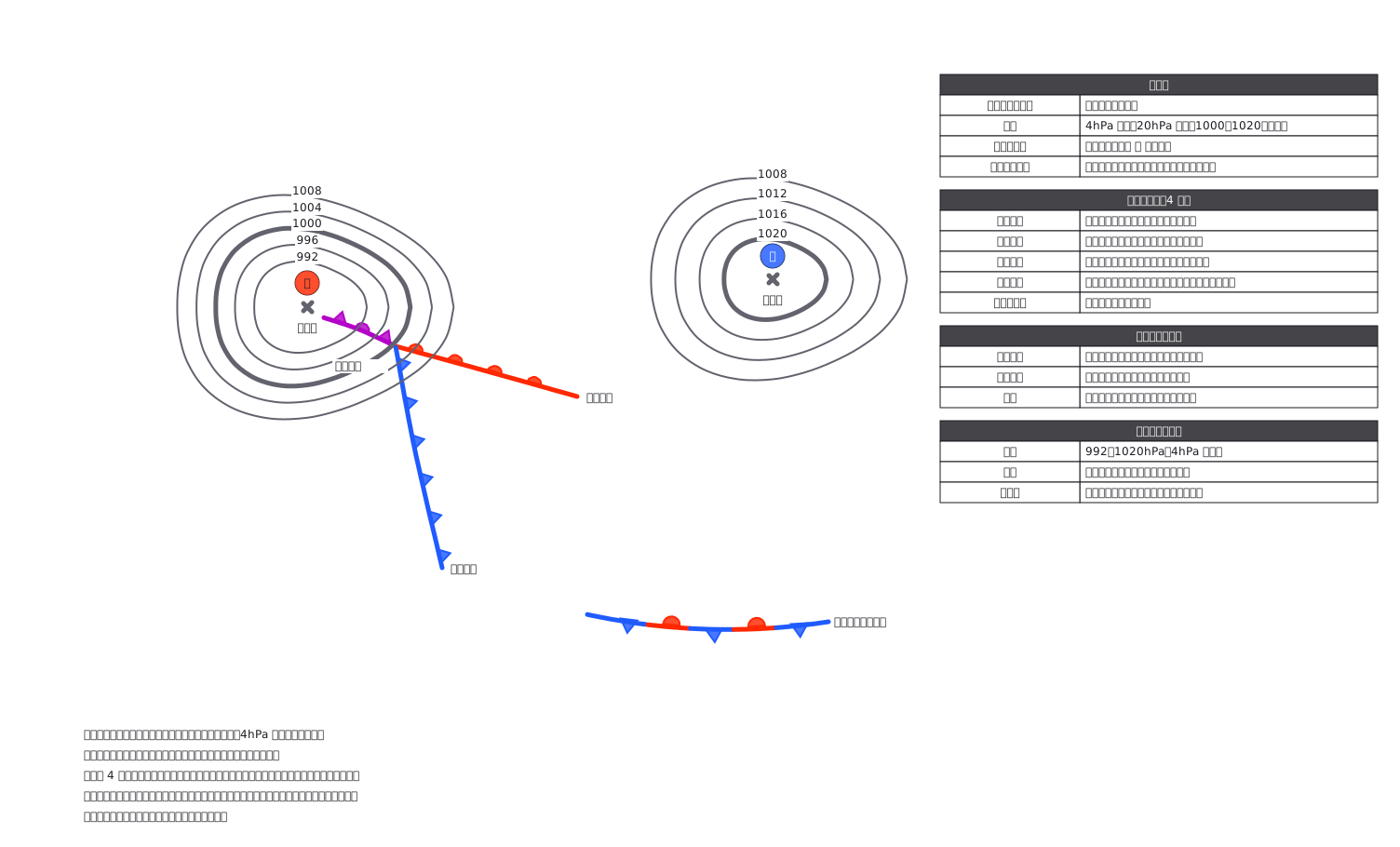
This drawing comes from one YAML file. No shape was moved by hand.
Notes in the source (in Japanese)
等圧線は 4hPa ごと。混んでいるところは風が強い。
前線は 4 種類で、記号が違う ——寒冷は三角(寒気が暖気の下へ潜り込む)、温暖は半円(暖気が寒気の上へ這い上がる)、停滞は三角と半円が交互に反対側、閉塞は同じ側(寒冷が温暖に追いついた)。記号は前線が進む向きの側に付くので、記号を見ればどちらへ動くかが分かる。
低気圧が発達すると、寒冷前線が温暖前線に追いついて閉塞前線ができる。3 本は 1 点(閉塞点)でつながり、閉塞前線は低気圧の中心から閉塞点まで延びる。北半球では温暖前線は北東へ、寒冷前線は東〜南東へ進むので、半円は温暖前線の北側、三角は寒冷前線の東側に付く。記号の決まりは気象庁「実況天気図の解説」による —— 寒冷は青・温暖は赤・閉塞は紫・停滞は青と赤が交互、高は × と青の「高」、低は × と赤の「低」、等圧線は 20hPa ごと(1000・1020)を太線。2026-10-15 に色と × と太線を足した。気圧配置は架空。海岸線は描いていない(記号の図)。海岸線の上に、気圧の場から引いた等圧線と気象庁の色の前線を置いた天気図は見本 391。
Source (YAML)
examples/gallery/185-地上天気図の読み方.zumen.yaml
More in this field
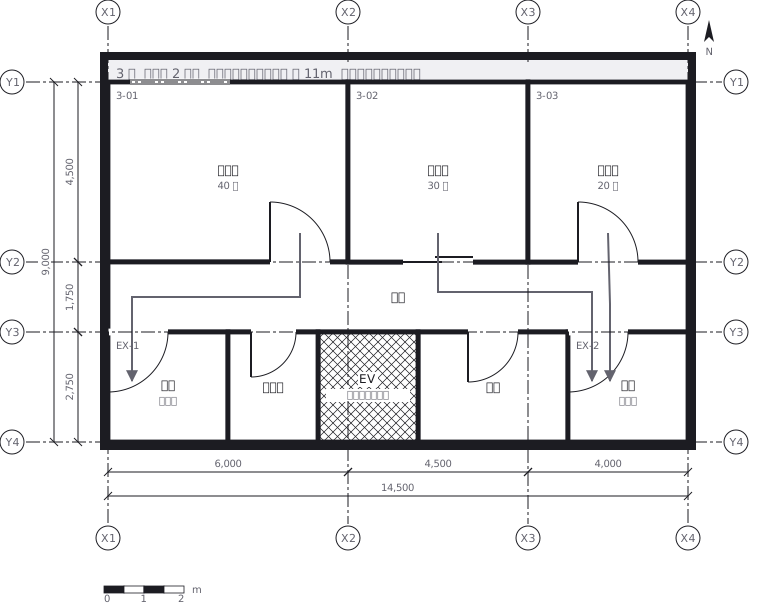 Escape routes on a third floor: two ways out of every room to a staircase, with the travel distance and the fire doors and extinguishers along the way
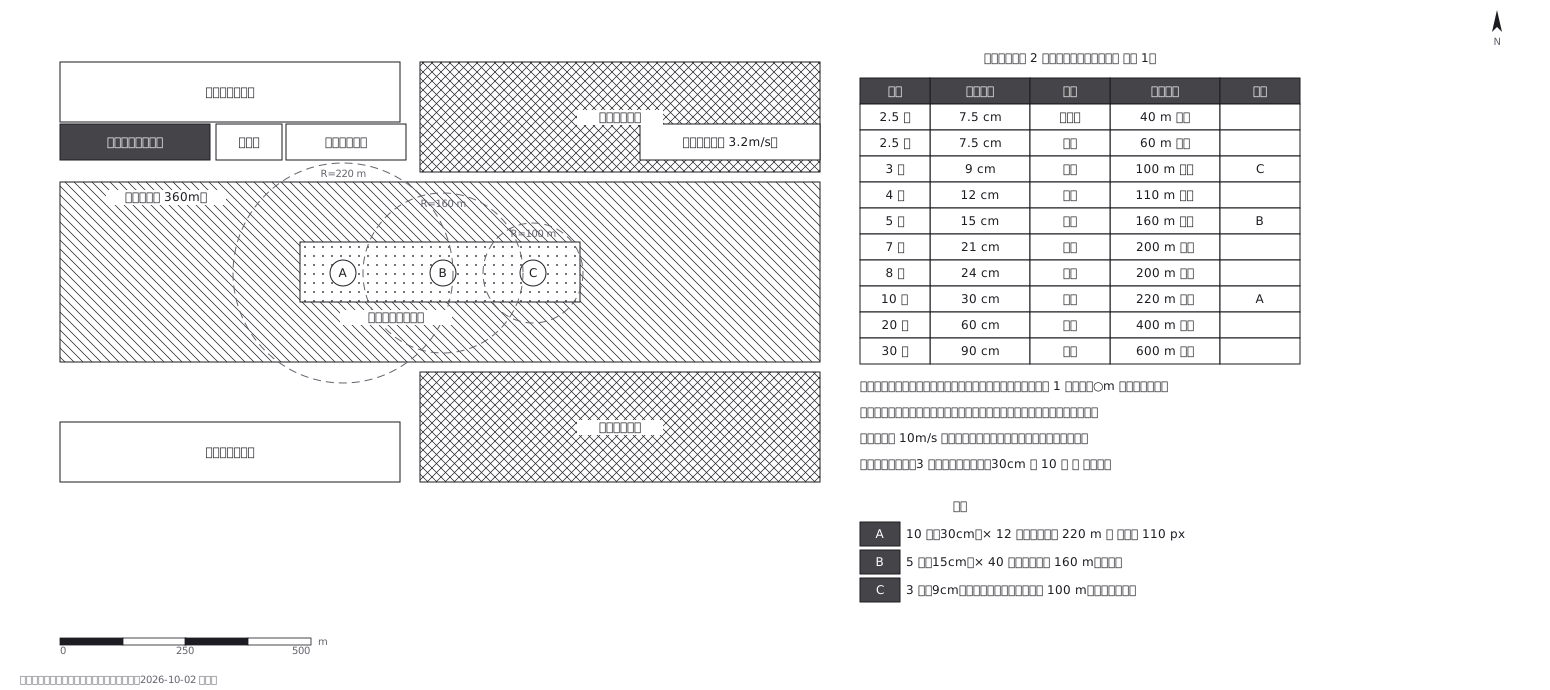 Fireworks safety distances, a circle per shell size
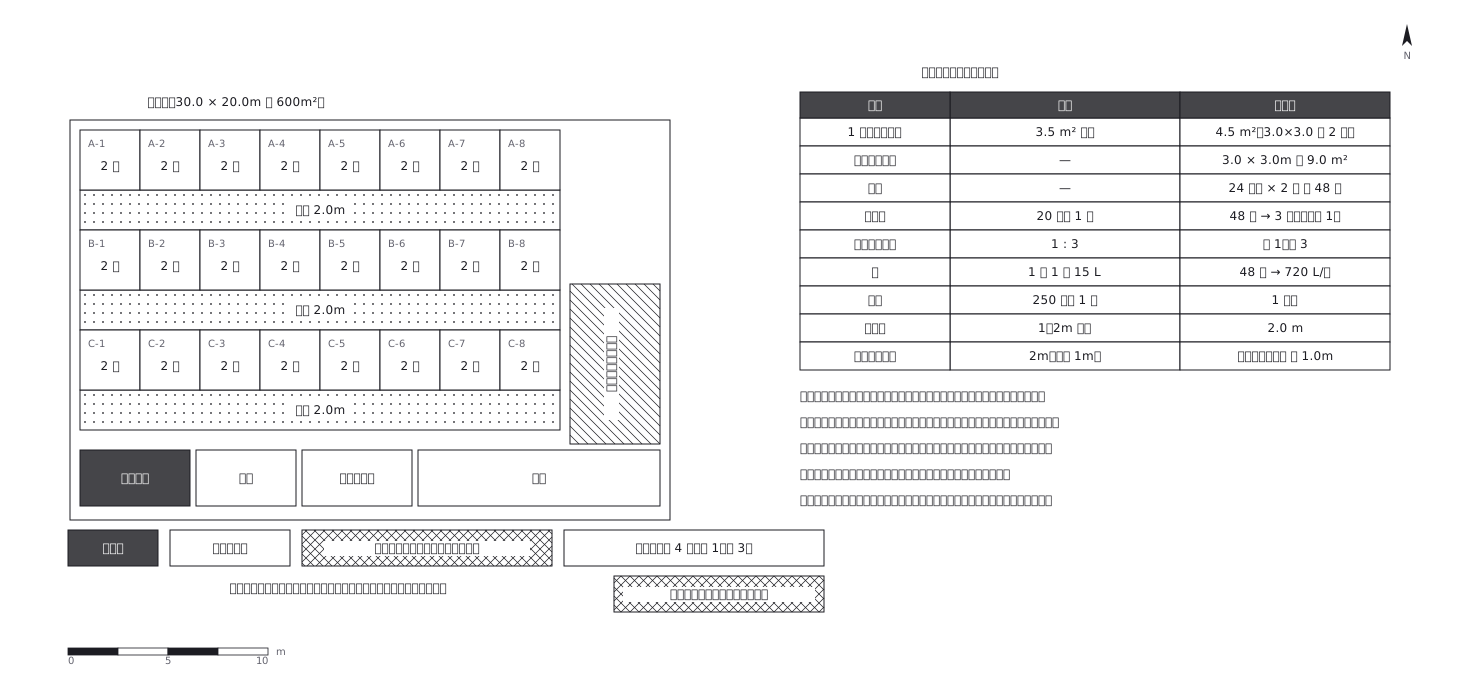 Shelter layout: 3.5 sq m a person, and how many toilets
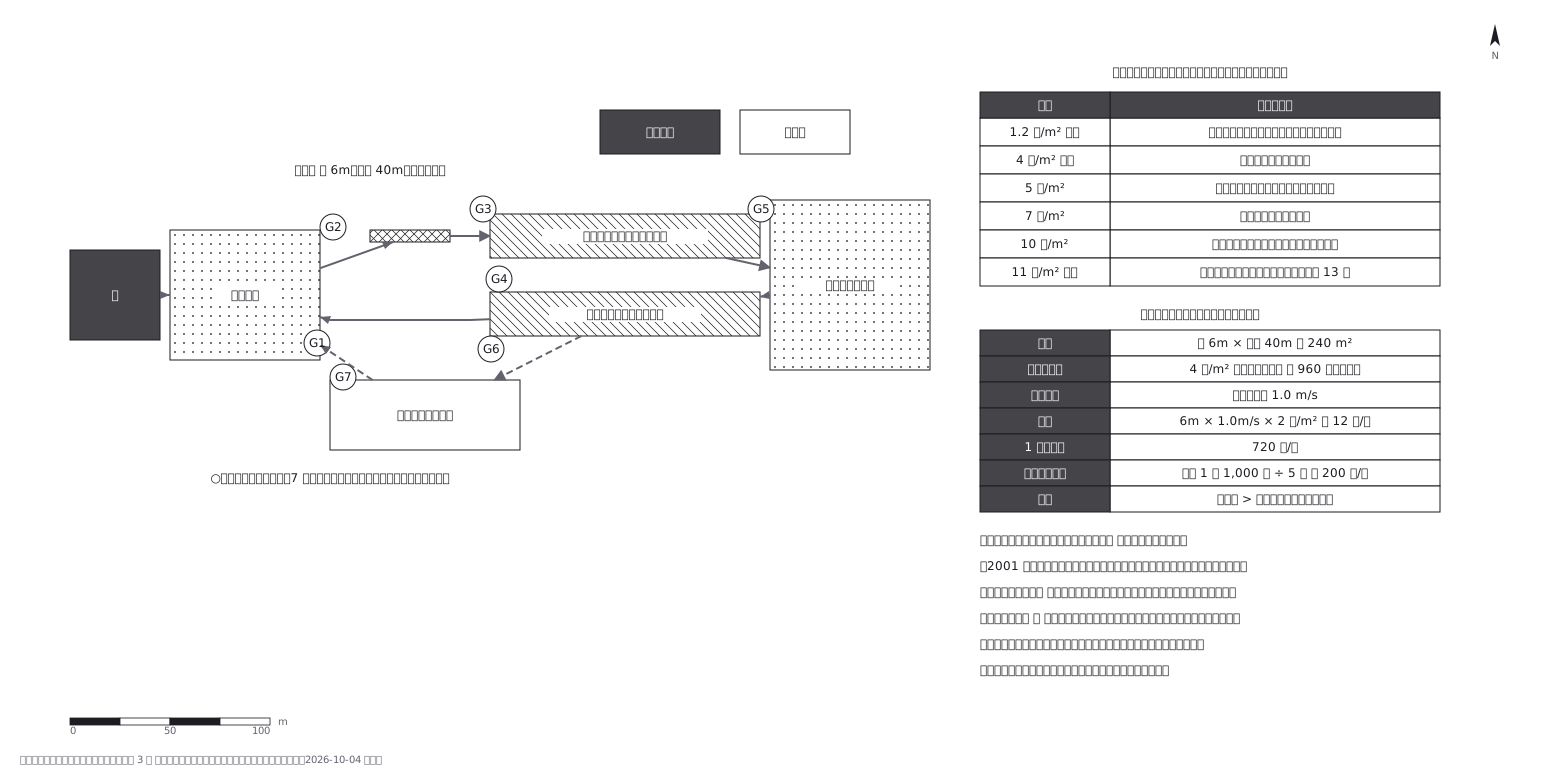 Crowd plan: how many can flow out against how many come in
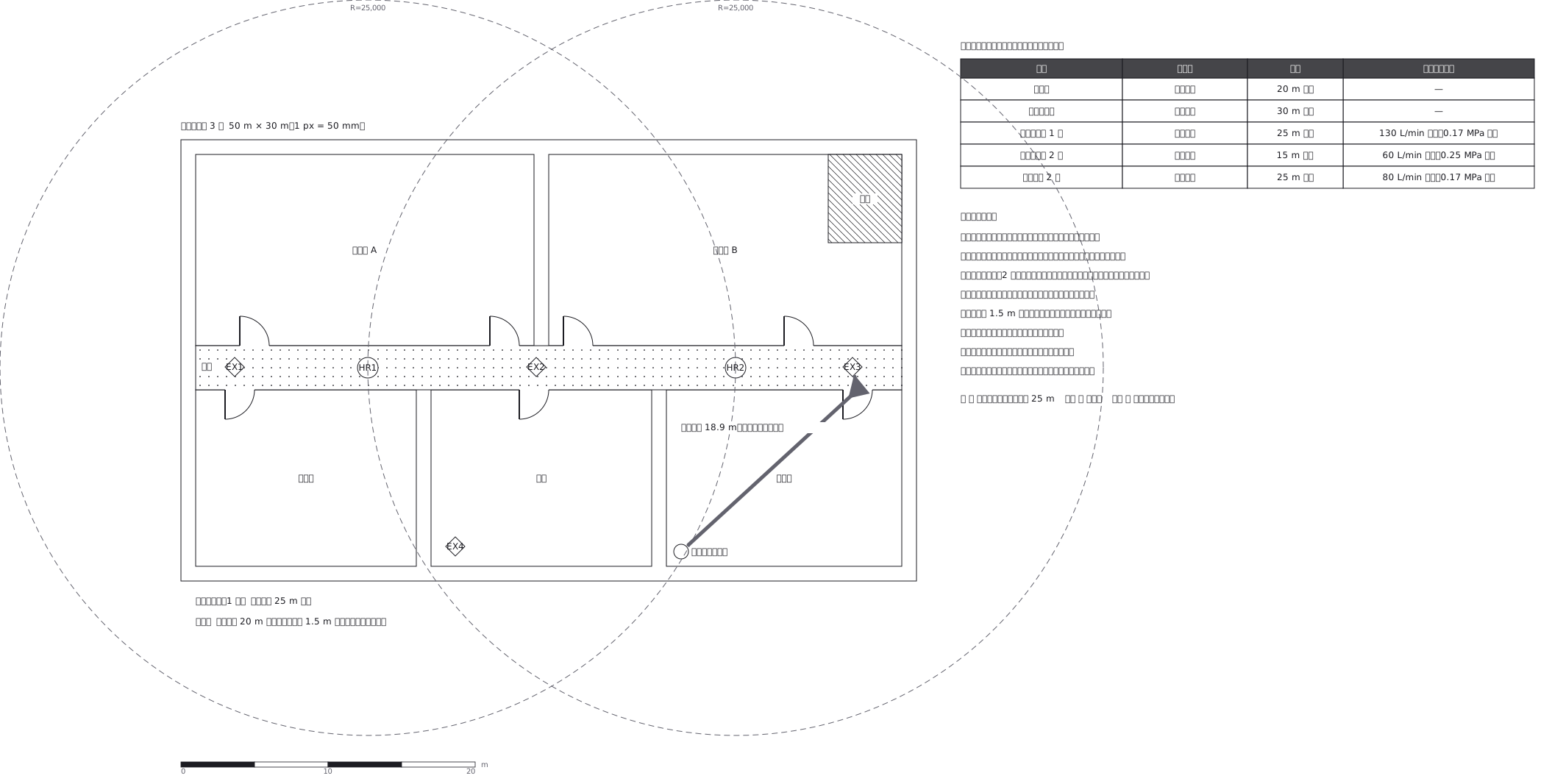 Extinguishers and hose reels, measured two different ways
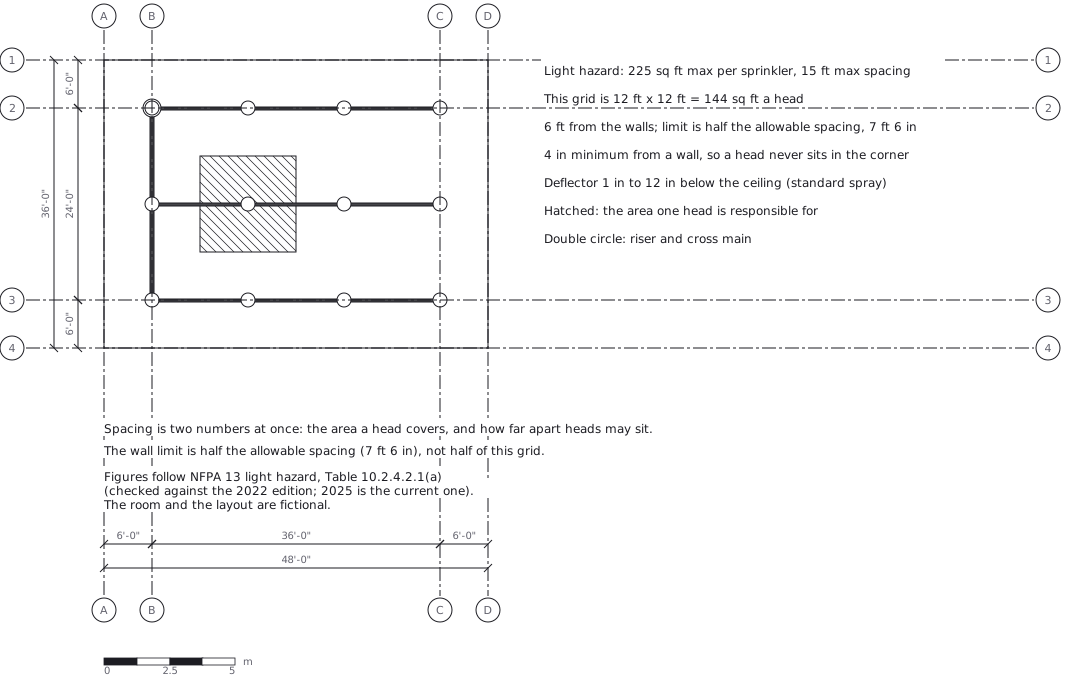 Sprinkler layout: area per head and spacing, decided together
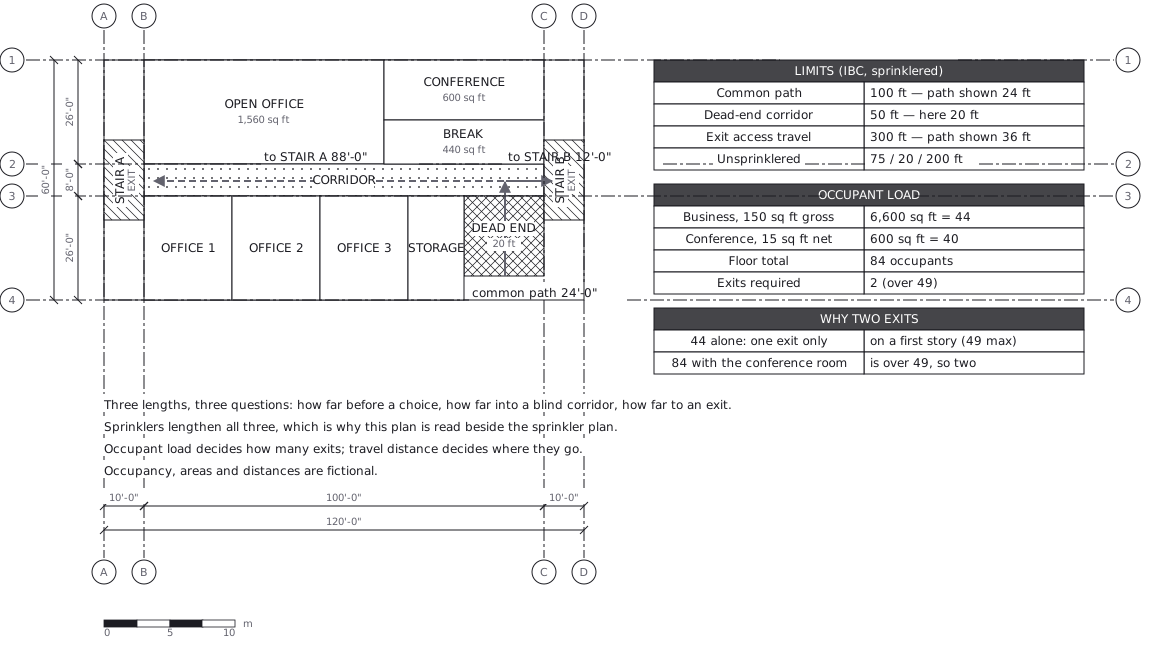 Egress plan: three lengths answering three questions
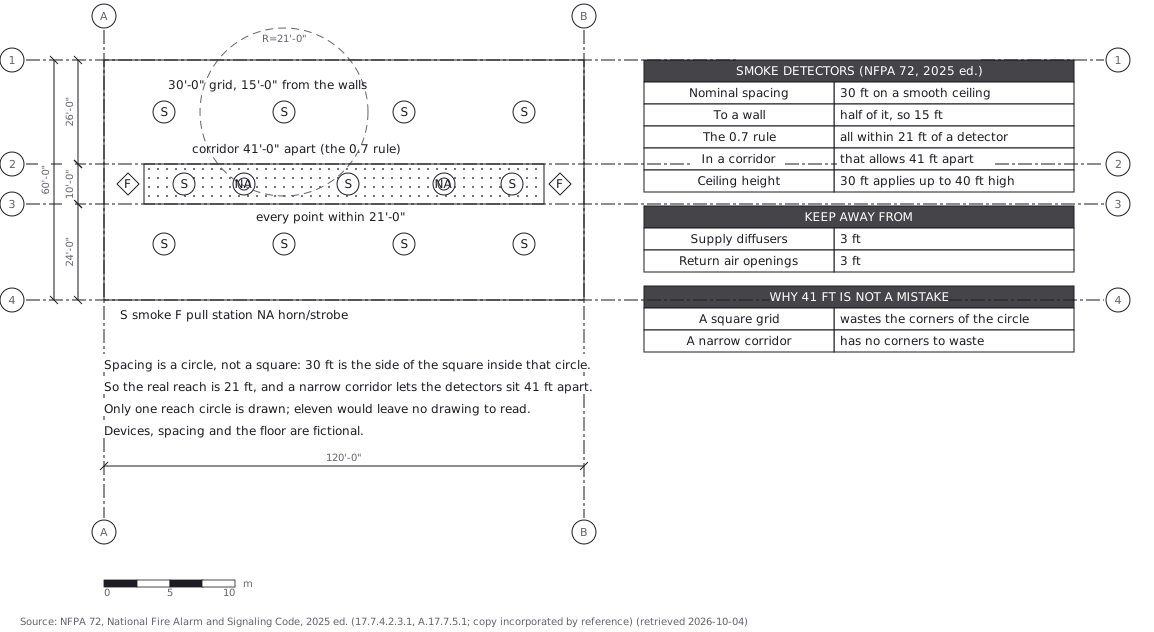 Fire alarm devices: spacing is a circle, not a square