Disaster and emergency
Disaster toilets — the number needed is set by the count of uses
Disaster toilets are counted in uses, not litres: five per person per day, so a family of four needs 140 bags for a week — and the bags stay in the house
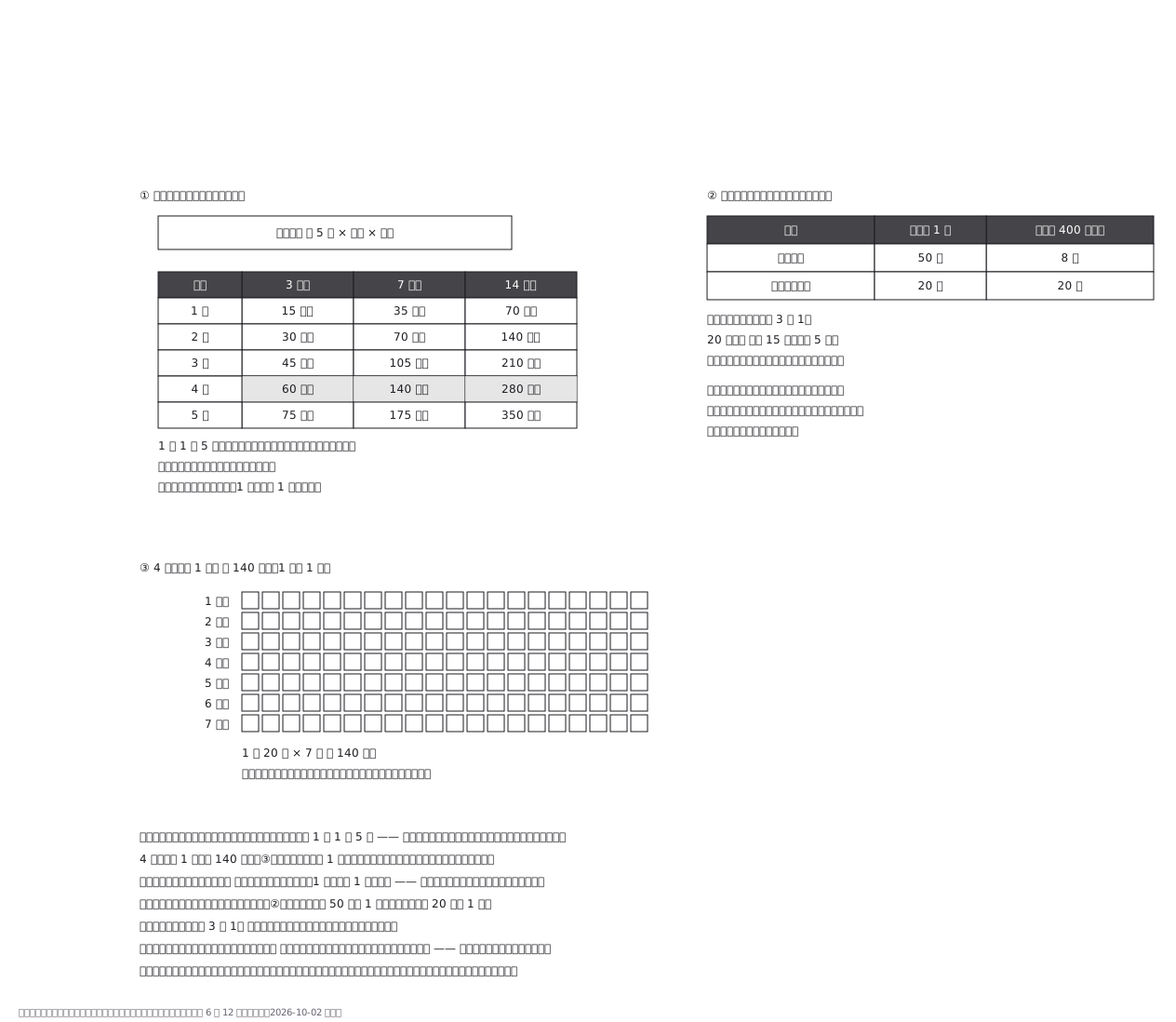
This drawing comes from one YAML file. No shape was moved by hand.
Notes in the source (in Japanese)
1 人 1 日 5 回。 水の量ではなく、回数で数える(内閣府「避難所におけるトイレの確保・管理ガイドライン」令和 6 年 12 月改訂版で確かめた)。
4 人家族の 1 週間で 140 回分。 1 回ごとに 1 袋出て、ゴミの収集が止まっていれば、それは家に置くことになる。
避難所は発災当初 50 人に 1 基、長期化したら 20 人に 1 基。女性用と男性用の比は 3 対 1。
数が足りないと、人は水を飲むのをやめる。 トイレの数は、健康の数。
50 人に 1 基・20 人に 1 基・女性 3 対男性 1 は、同ガイドラインがスフィア基準に沿って示す数(令和 6 年 12 月改訂版でも変わっていない)。出典: 内閣府(防災担当)「避難所におけるトイレの確保・管理ガイドライン」令和 6 年 12 月改訂版。https://www.bousai.go.jp/taisaku/hinanjo/pdf/2412hinanjo_toilet_guideline.pdf(取得 2026-10-02)本文で確かめた:発災当初 50 人に 1 基/長期化で 20 人に 1 基/女性用と男性用 3:1/1 日 5 回、携帯トイレの必要数=最大想定避難者数×5 回(×日数)。
Source (YAML)
examples/gallery/225-災害時のトイレ.zumen.yaml
More in this field
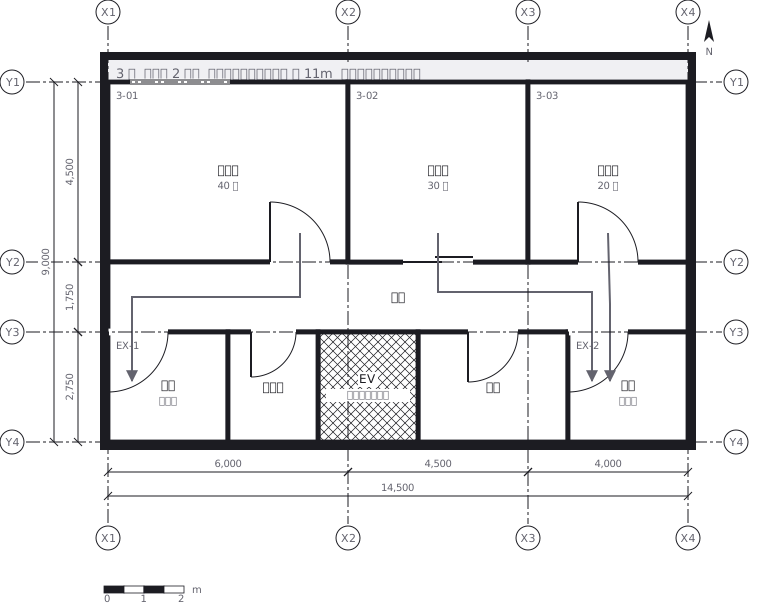 Escape routes on a third floor: two ways out of every room to a staircase, with the travel distance and the fire doors and extinguishers along the way
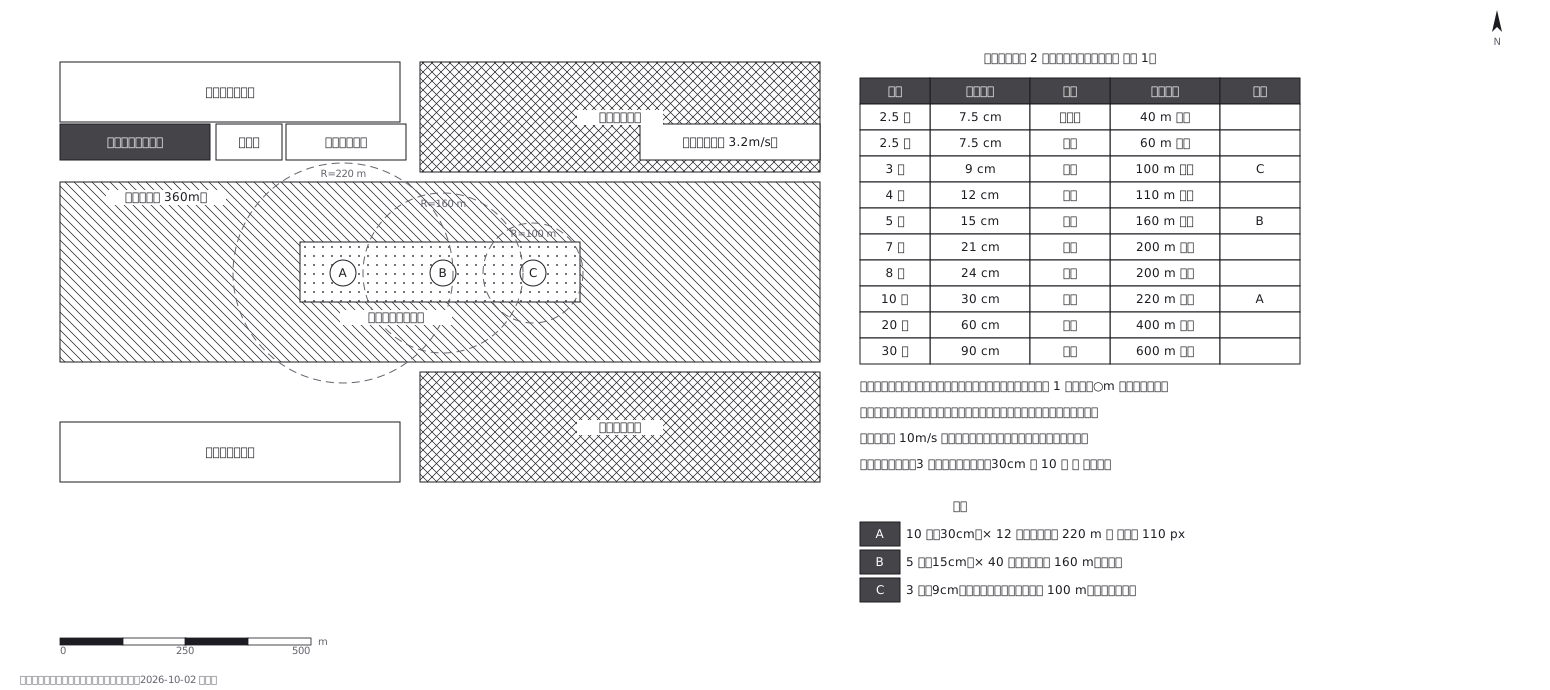 Fireworks safety distances, a circle per shell size
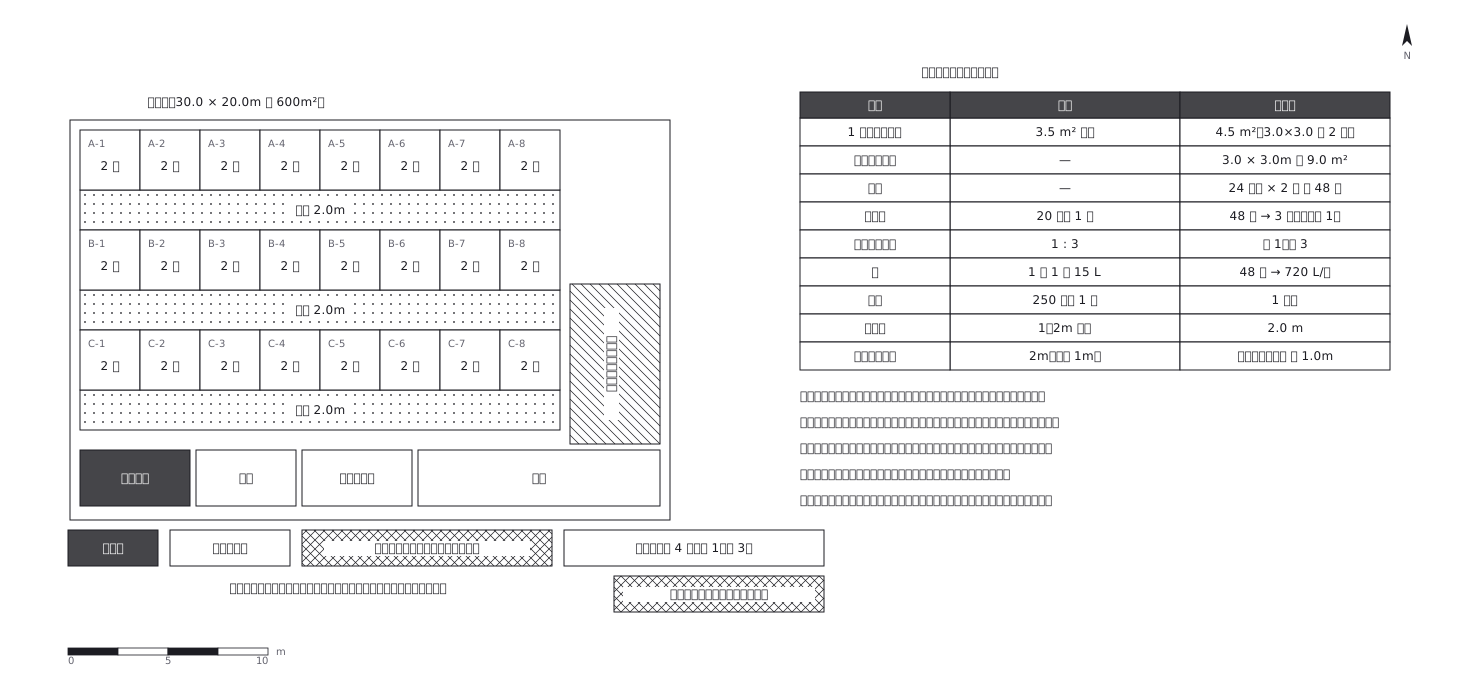 Shelter layout: 3.5 sq m a person, and how many toilets
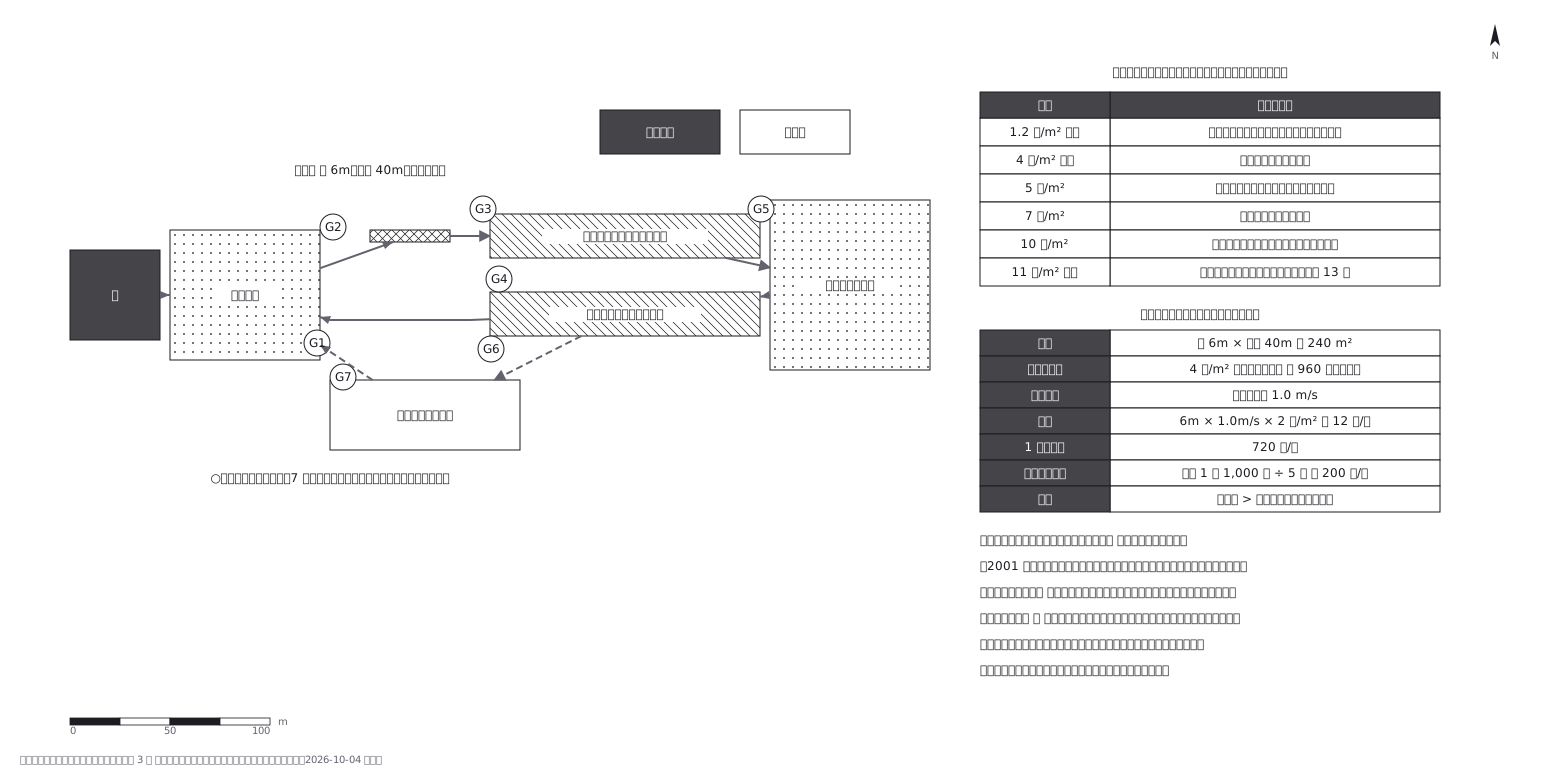 Crowd plan: how many can flow out against how many come in
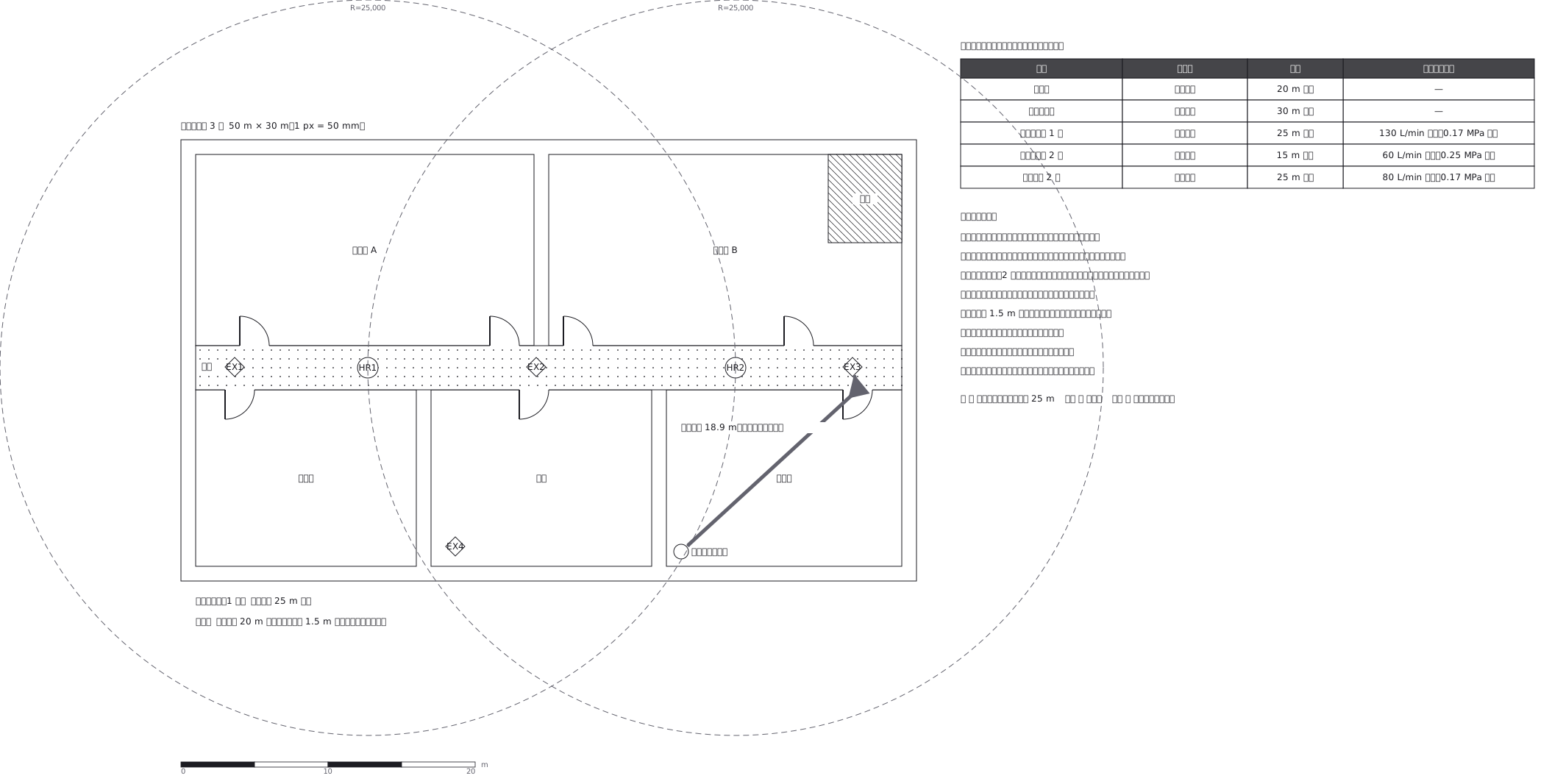 Extinguishers and hose reels, measured two different ways
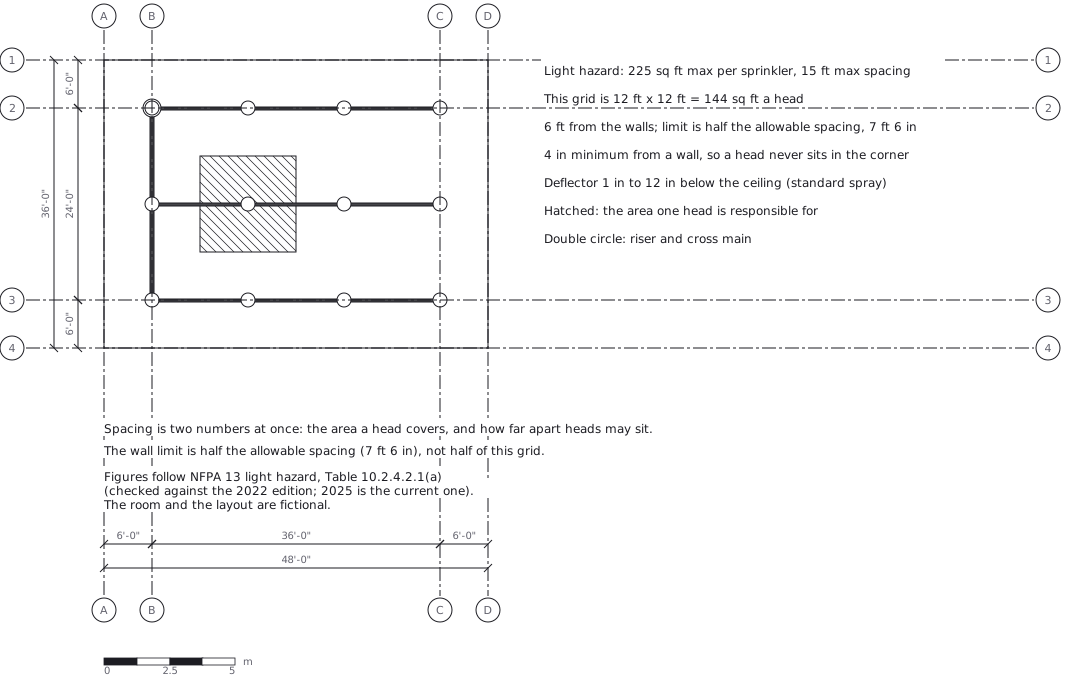 Sprinkler layout: area per head and spacing, decided together
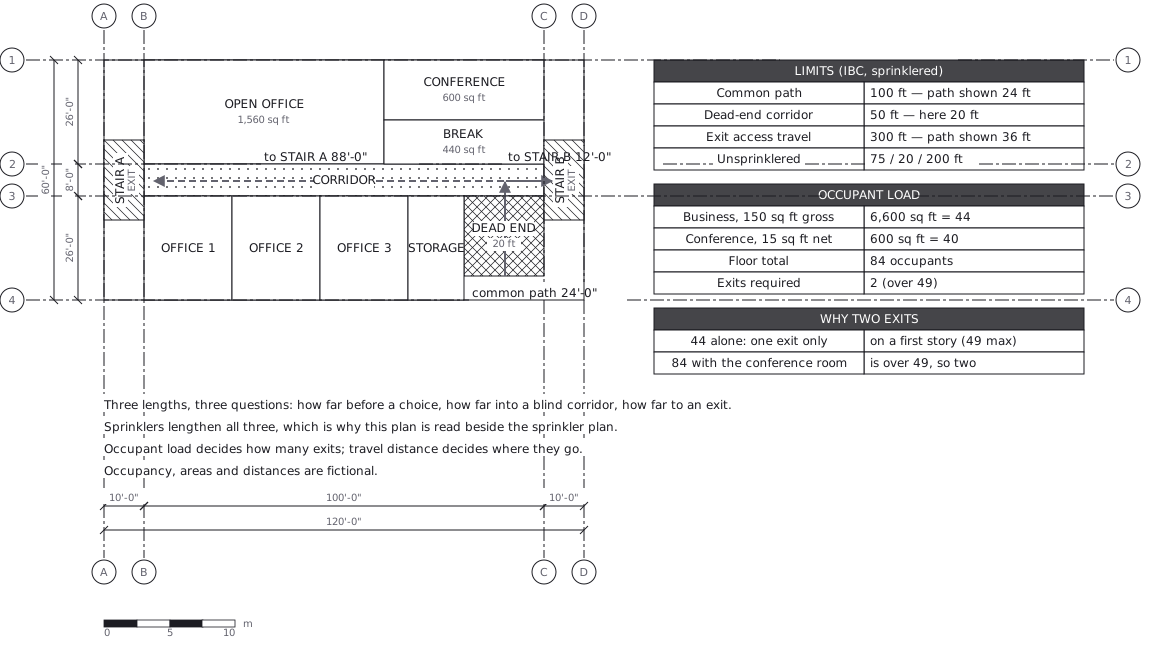 Egress plan: three lengths answering three questions
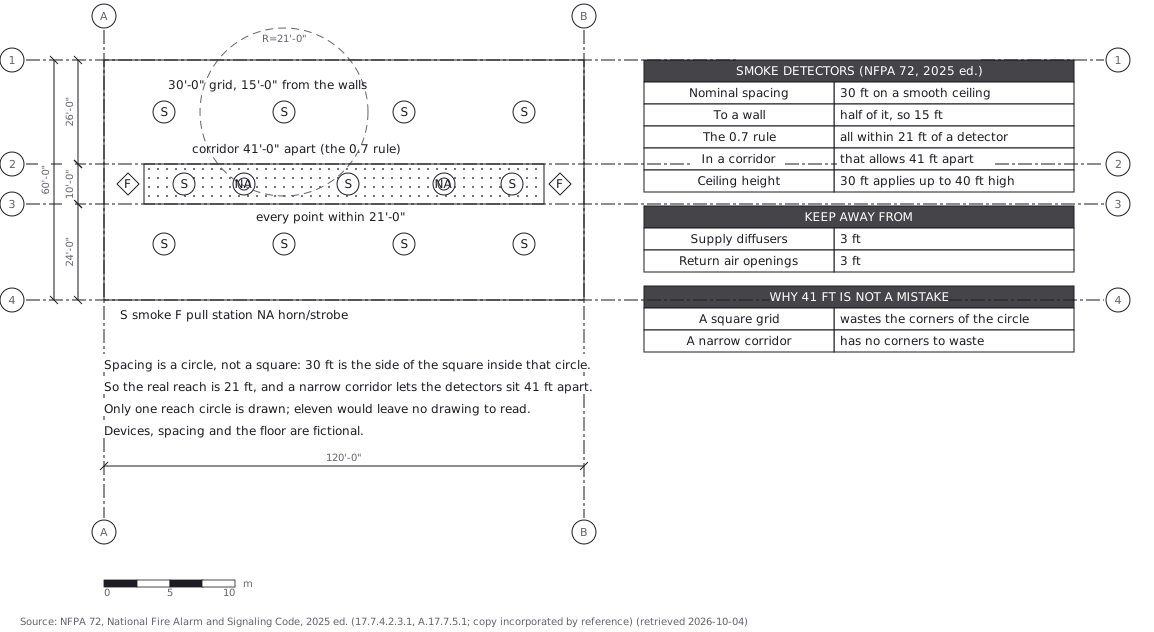 Fire alarm devices: spacing is a circle, not a square