Disaster and emergency
Disaster headquarters and reporting channels
Disaster headquarters: one chain of command and one place for information, and for the biggest events the report skips a rung and goes to prefecture and nation at once
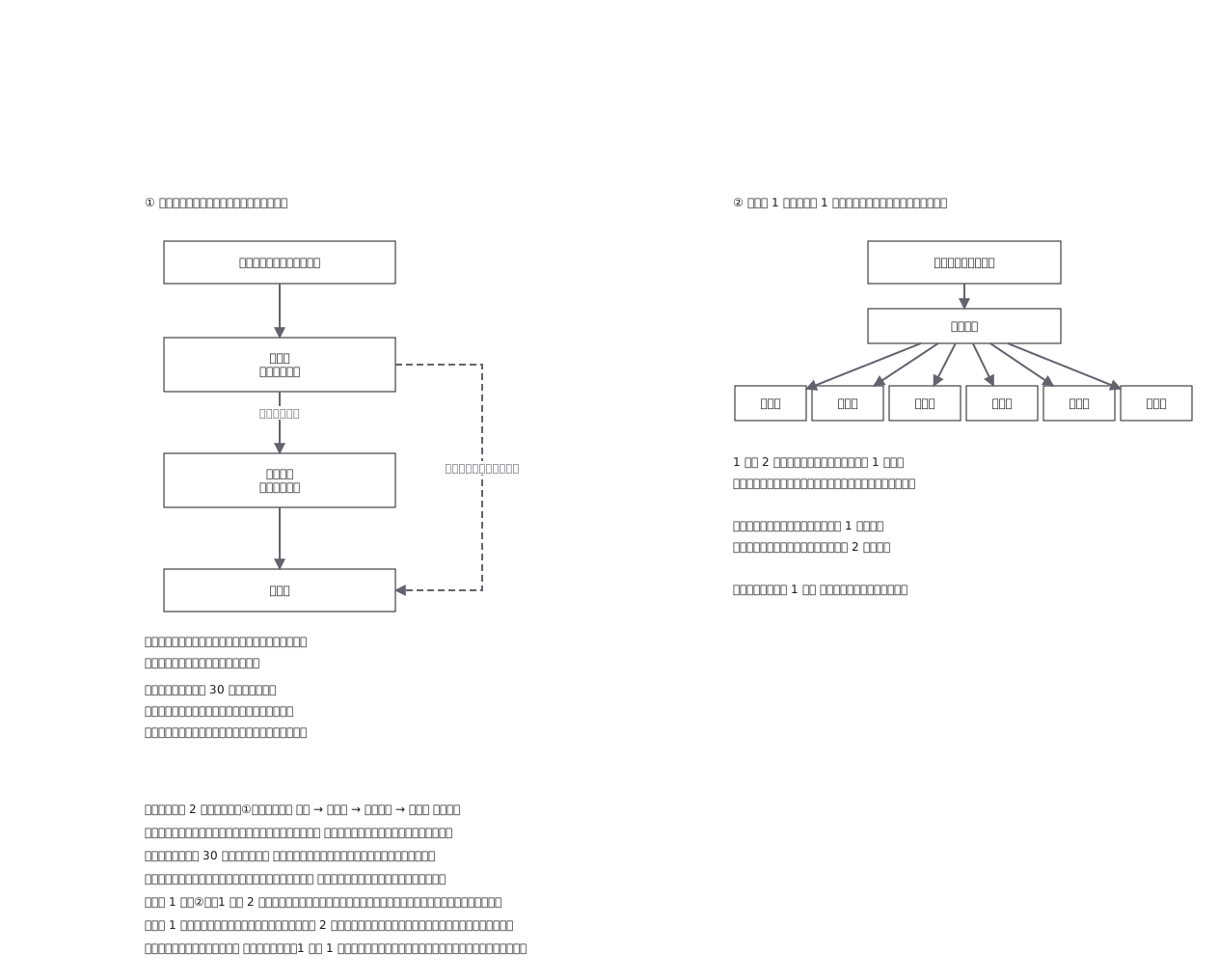
This drawing comes from one YAML file. No shape was moved by hand.
Notes in the source (in Japanese)
大きいものは、県と国へ同時に出す。
ふだんは 現場 → 市町村 → 都道府県 → 消防庁 だが、直接即報基準に当たるものは県と国へ同時(中継を待つと遅れるため)。第一報は覚知から 30 分以内が原則 —— 分かっていることだけ出し、続報で足す。
指揮は 1 本、情報は 1 か所。1 人が 2 か所から指示を受けると、どちらを先にするかを現場が決めることになる。情報がばらばらだと、同じ現場へ 2 隊出す。
班の編成は自治体ごとに違う(この図は例)。報告の経路・直接即報・第一報 30 分は、総務省消防庁「火災・災害等即報要領」による。要領 第 1 の 2(4)「直接即報基準に該当する…市町村は、第1報を都道府県に加え、消防庁に対しても報告」、同 (5)「迅速性を最優先として可能な限り早く(原則として、覚知後30分以内)、分かる範囲で」。https://www.fdma.go.jp/laws/laws/items/r0106_sokuhou_youryou.pdf(取得 2026-10-02)
Source (YAML)
examples/gallery/230-災害対策本部と報告の経路.zumen.yaml
More in this field
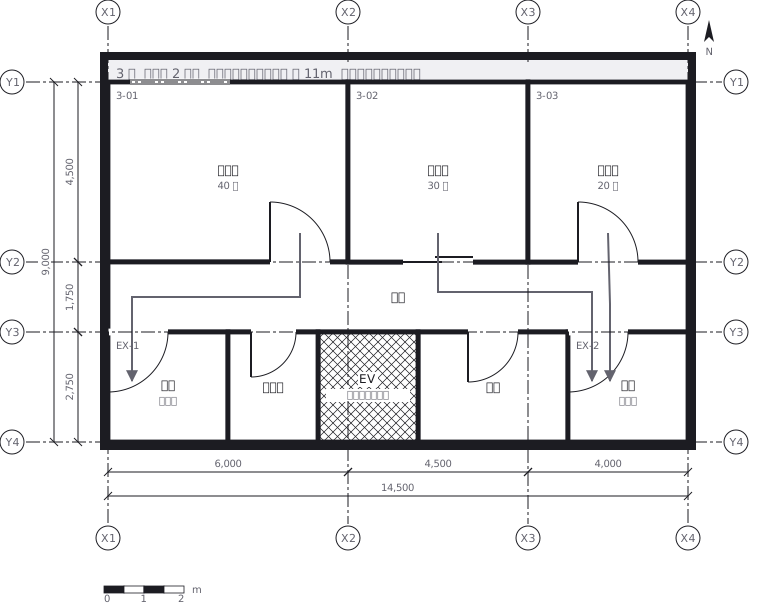 Escape routes on a third floor: two ways out of every room to a staircase, with the travel distance and the fire doors and extinguishers along the way
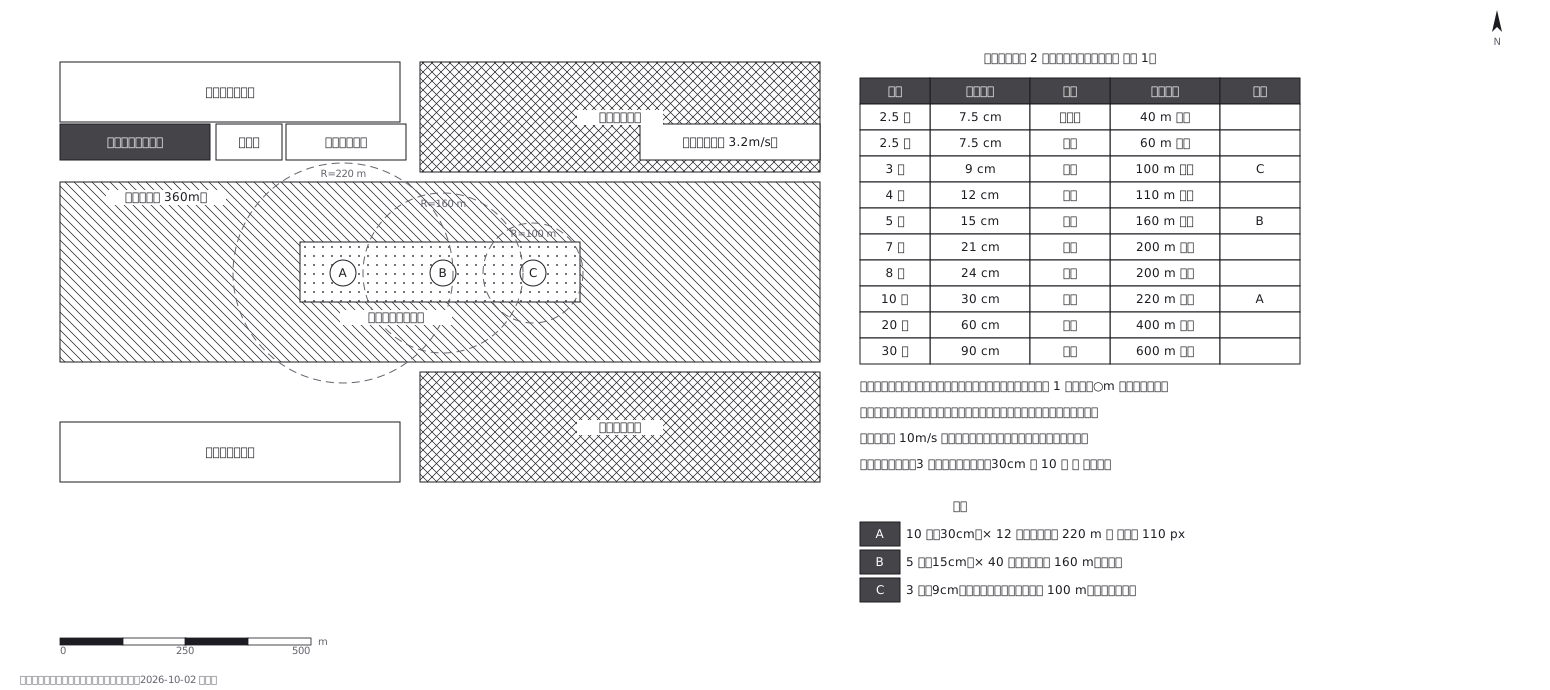 Fireworks safety distances, a circle per shell size
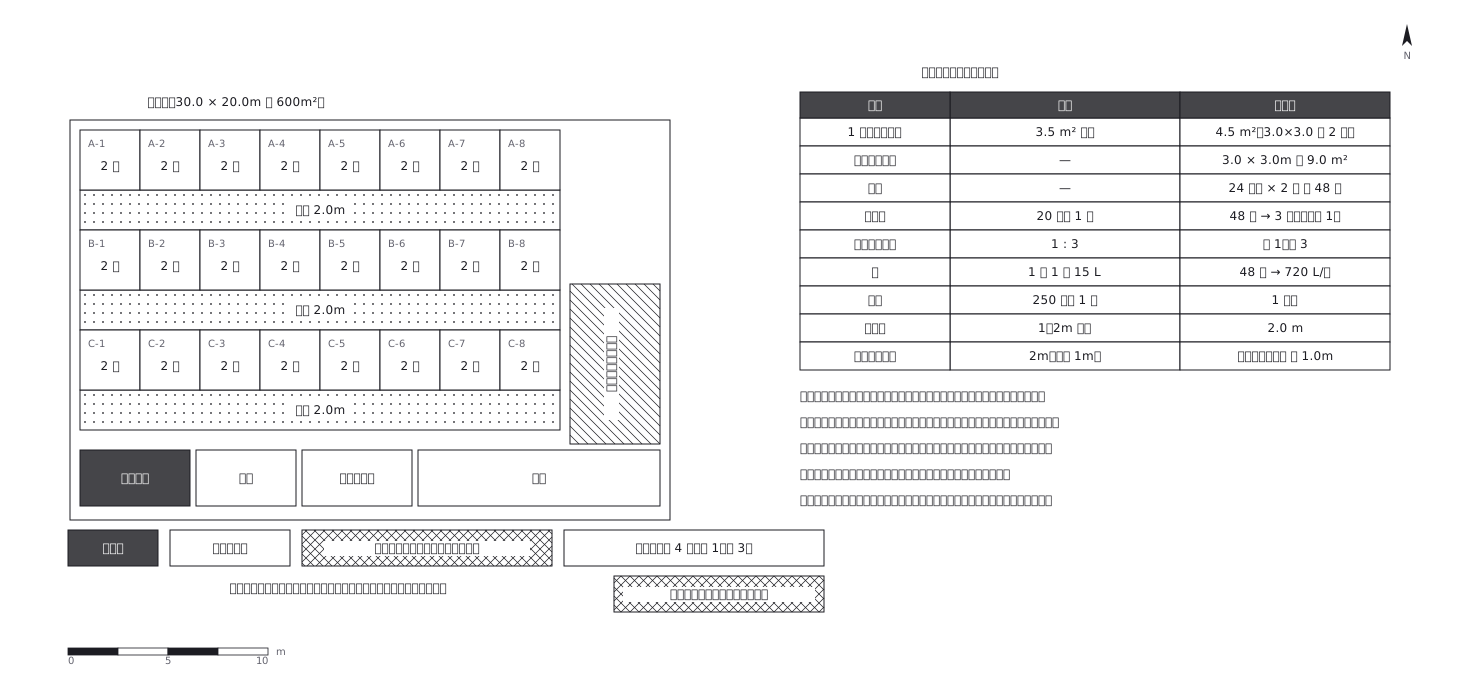 Shelter layout: 3.5 sq m a person, and how many toilets
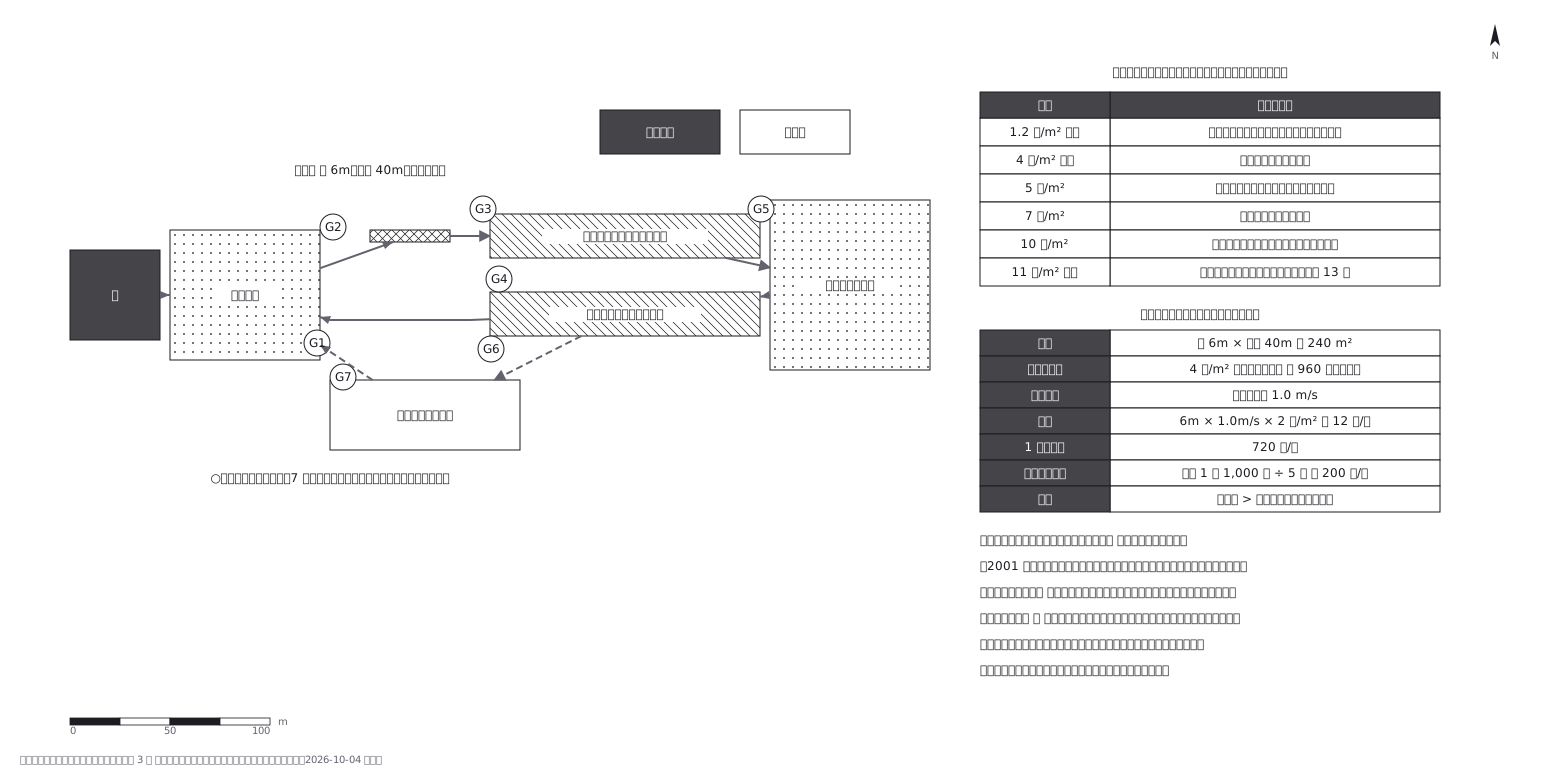 Crowd plan: how many can flow out against how many come in
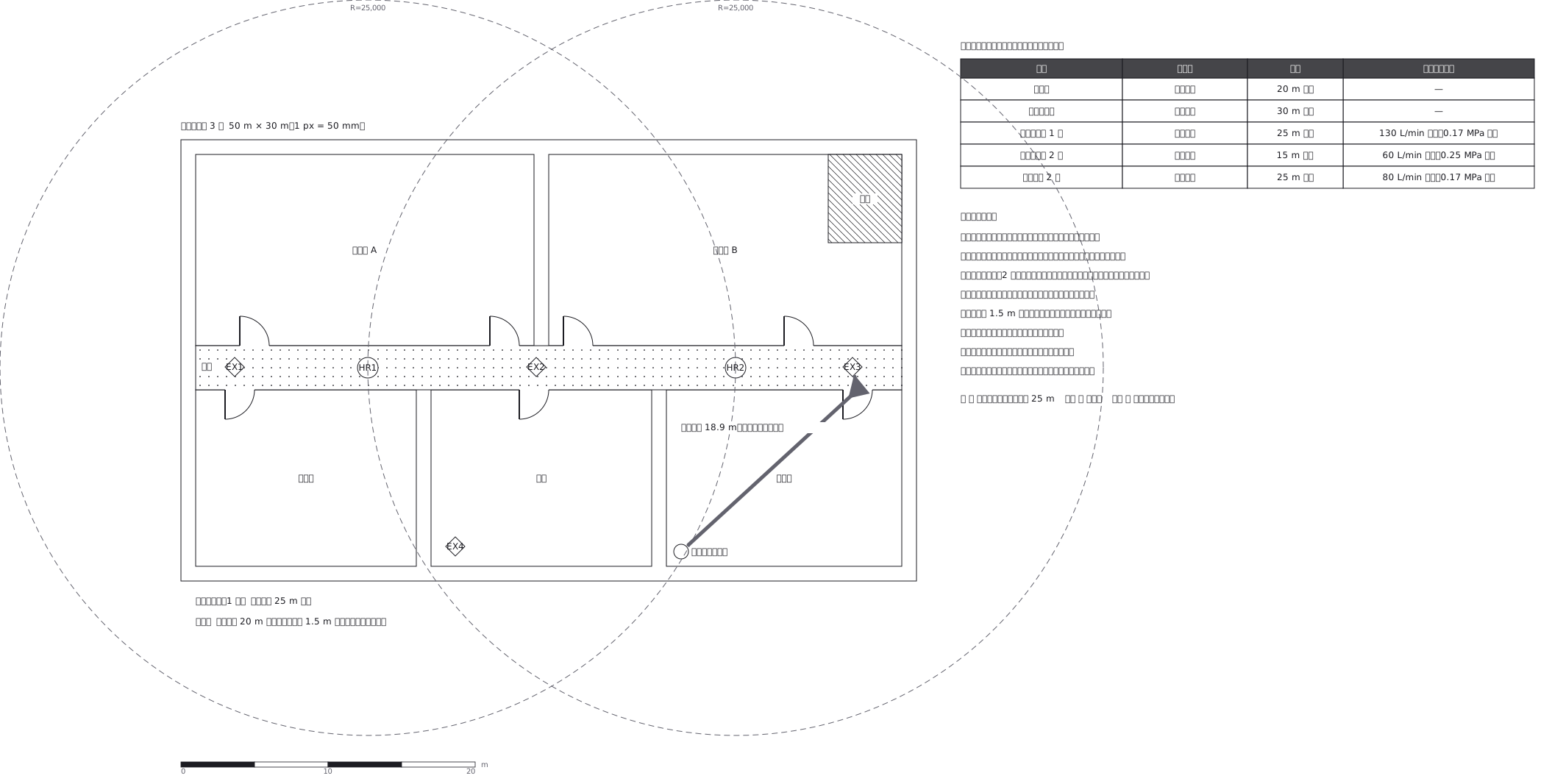 Extinguishers and hose reels, measured two different ways
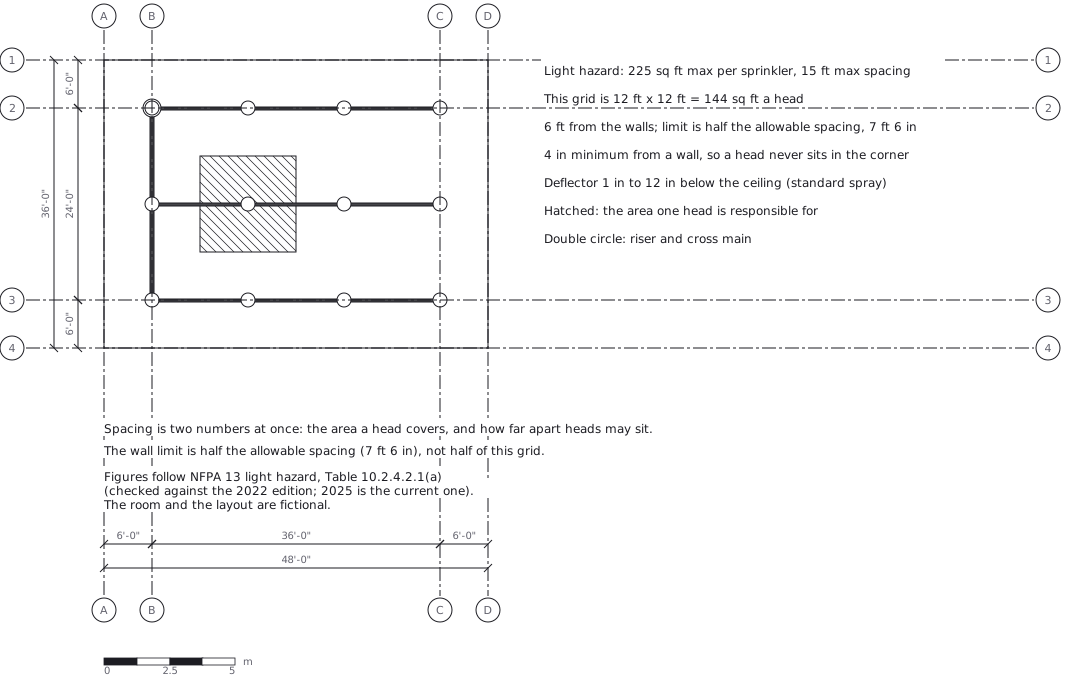 Sprinkler layout: area per head and spacing, decided together
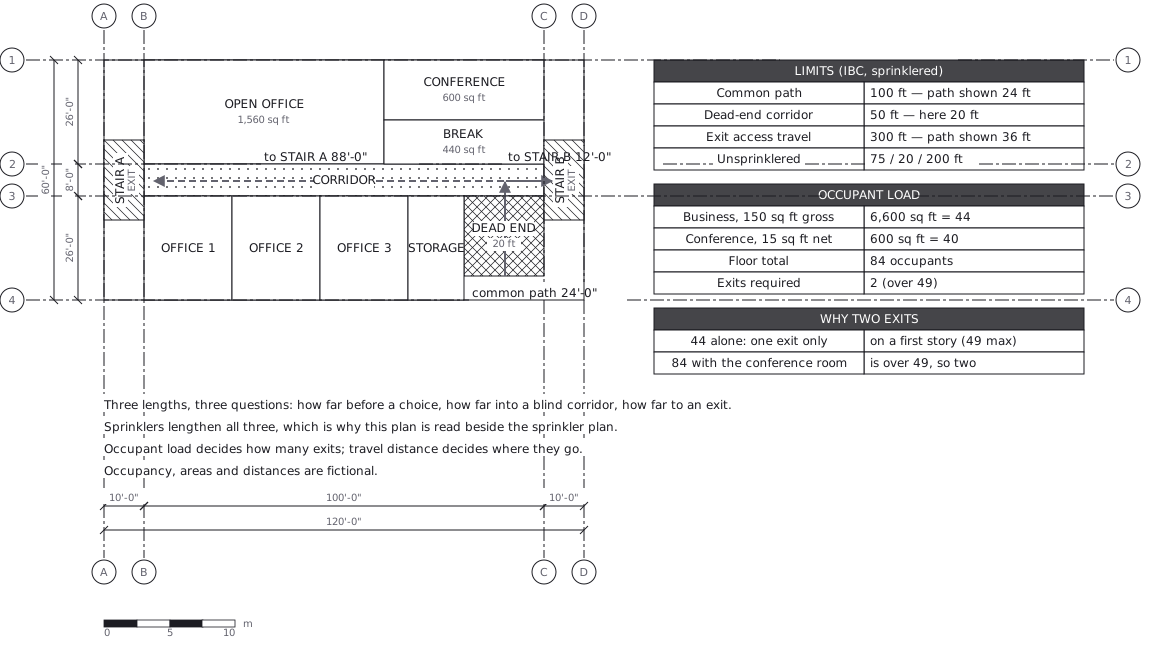 Egress plan: three lengths answering three questions
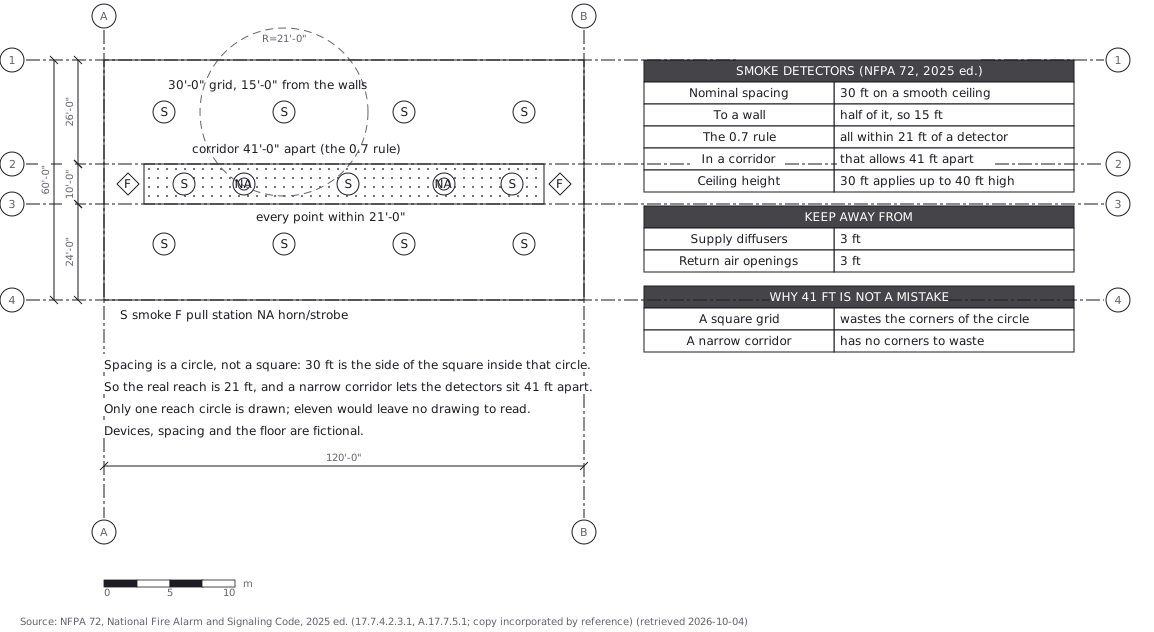 Fire alarm devices: spacing is a circle, not a square