Disaster and emergency
Opening a shelter — the first step is not letting people in
Opening a shelter starts by checking whether the building itself survived — put people in first and you may have to move them again
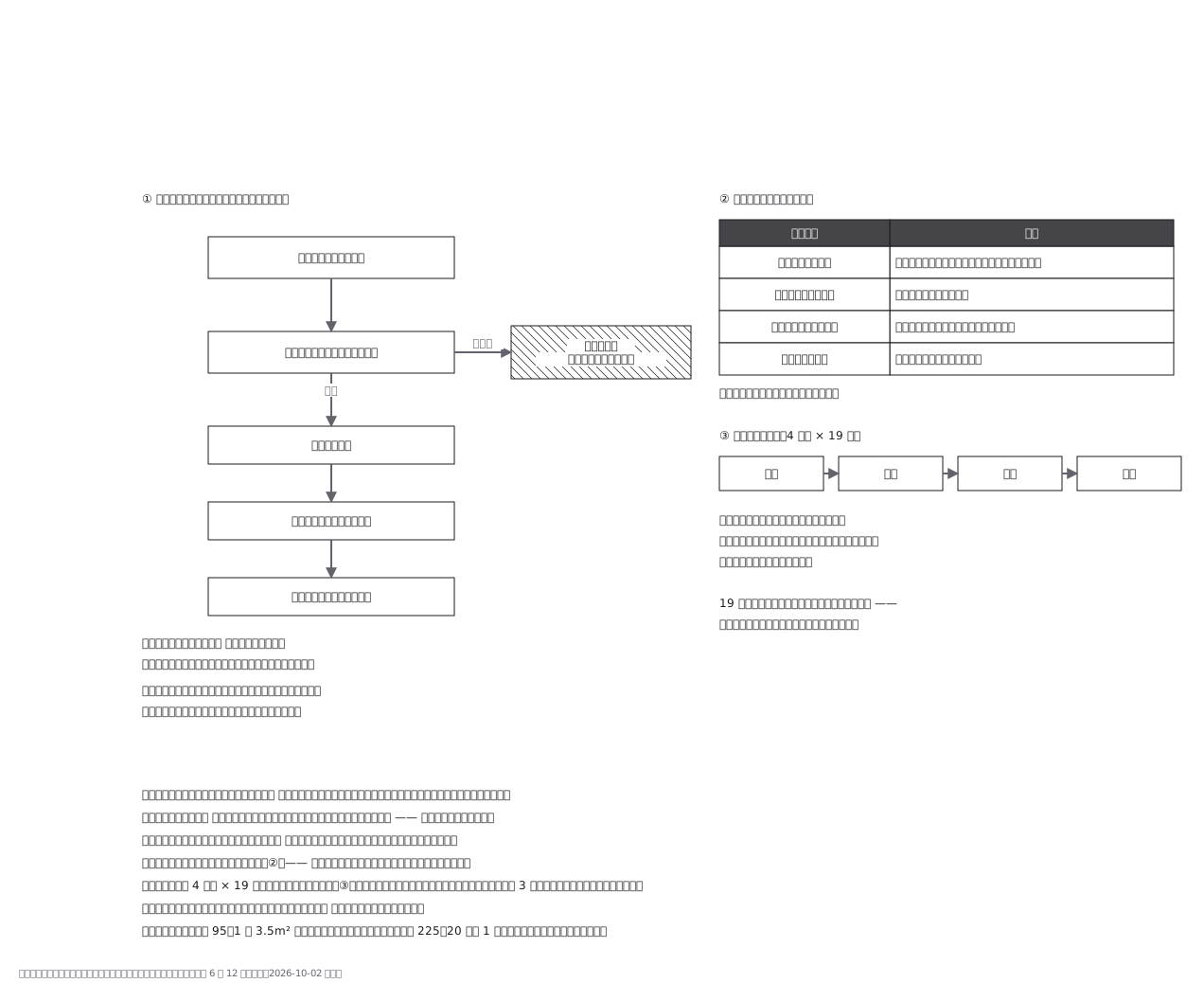
This drawing comes from one YAML file. No shape was moved by hand.
Notes in the source (in Japanese)
避難所は「開ける」ところから始まる。最初にすることは人を入れることではなく、建物が使えるかを見ること。避難所も被災する —— 入れてから危険が分かると、もう一度動かすことになる。
名簿が無いと、すべての数が出せない(安否・物資・支援の割り当て・退所)。受付と名簿は実動訓練で確かめておく(内閣府「避難所運営等避難生活支援のためのガイドライン」平成 28 年 4 月・令和 6 年 12 月改定。旧称「避難所運営ガイドライン」。項目 6「避難所の運営サイクルの確立」)。
ガイドラインは 4 段階(準備・初動・応急・復旧)× 19 業務のチェックリスト(同ガイドライン「はじめに」)。出典: https://www.bousai.go.jp/taisaku/hinanjo/pdf/2412hinanjo_guideline.pdf(取得 2026-10-02)災害が起きる前に手を打てるのは「準備」だけ —— 初動・応急・復旧は、準備で決めたことを使う。
Source (YAML)
examples/gallery/231-避難所の開設.zumen.yaml
More in this field
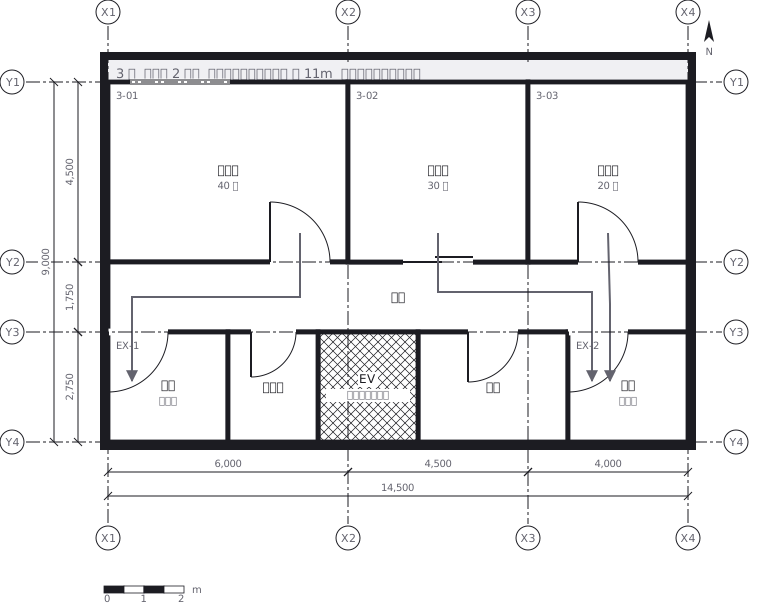 Escape routes on a third floor: two ways out of every room to a staircase, with the travel distance and the fire doors and extinguishers along the way
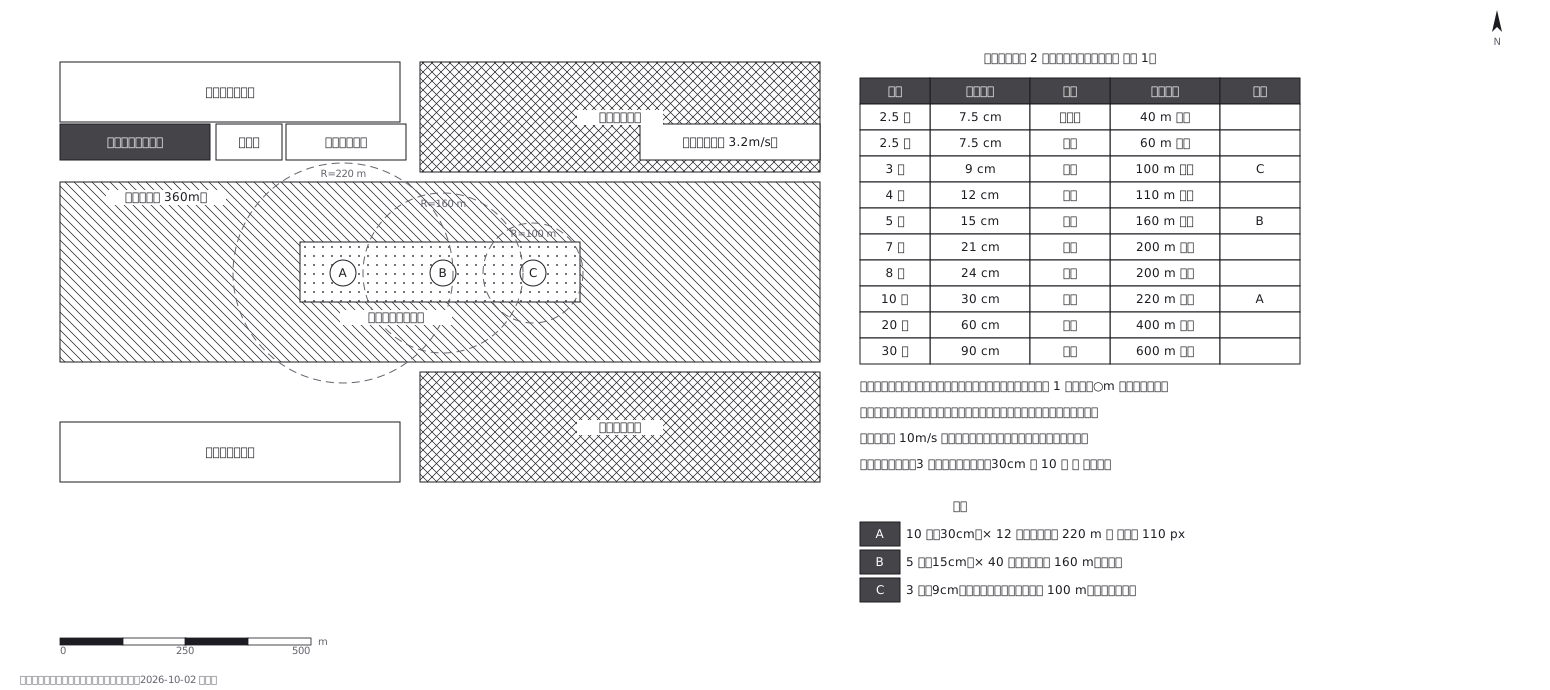 Fireworks safety distances, a circle per shell size
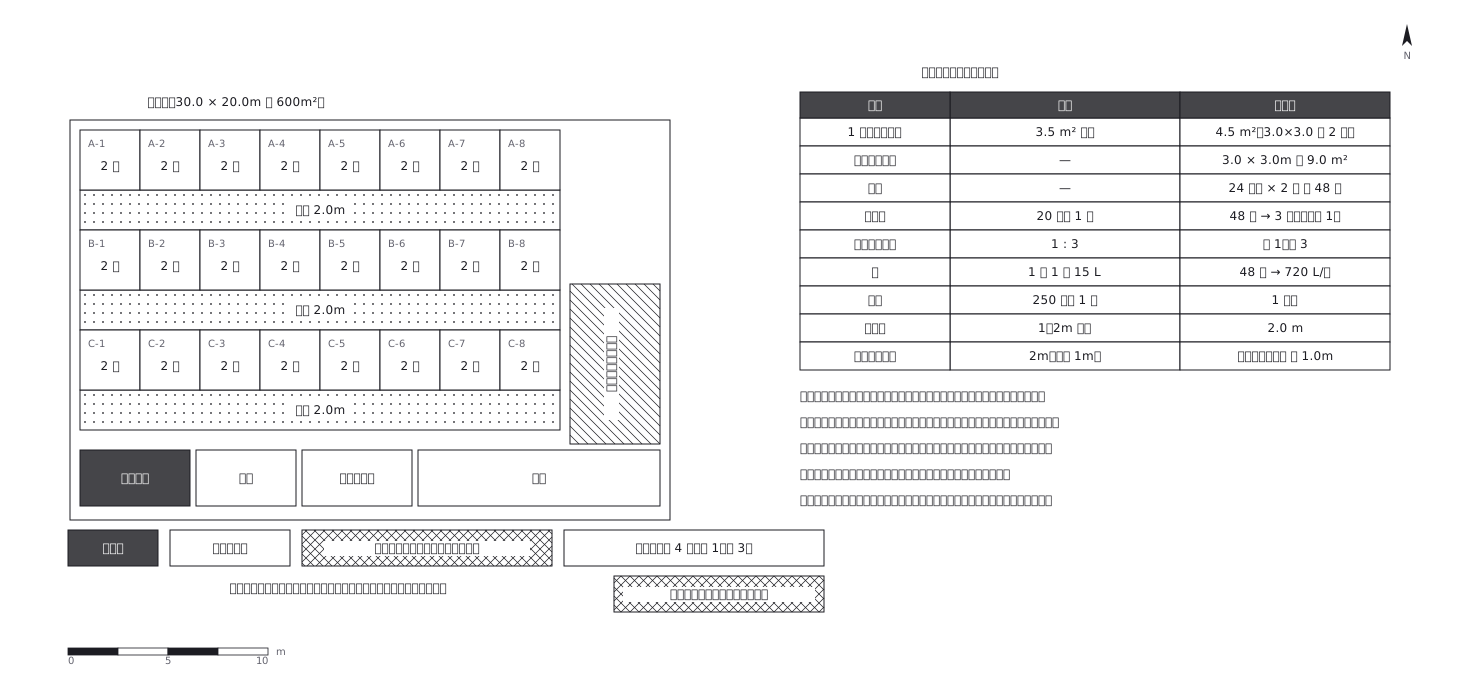 Shelter layout: 3.5 sq m a person, and how many toilets
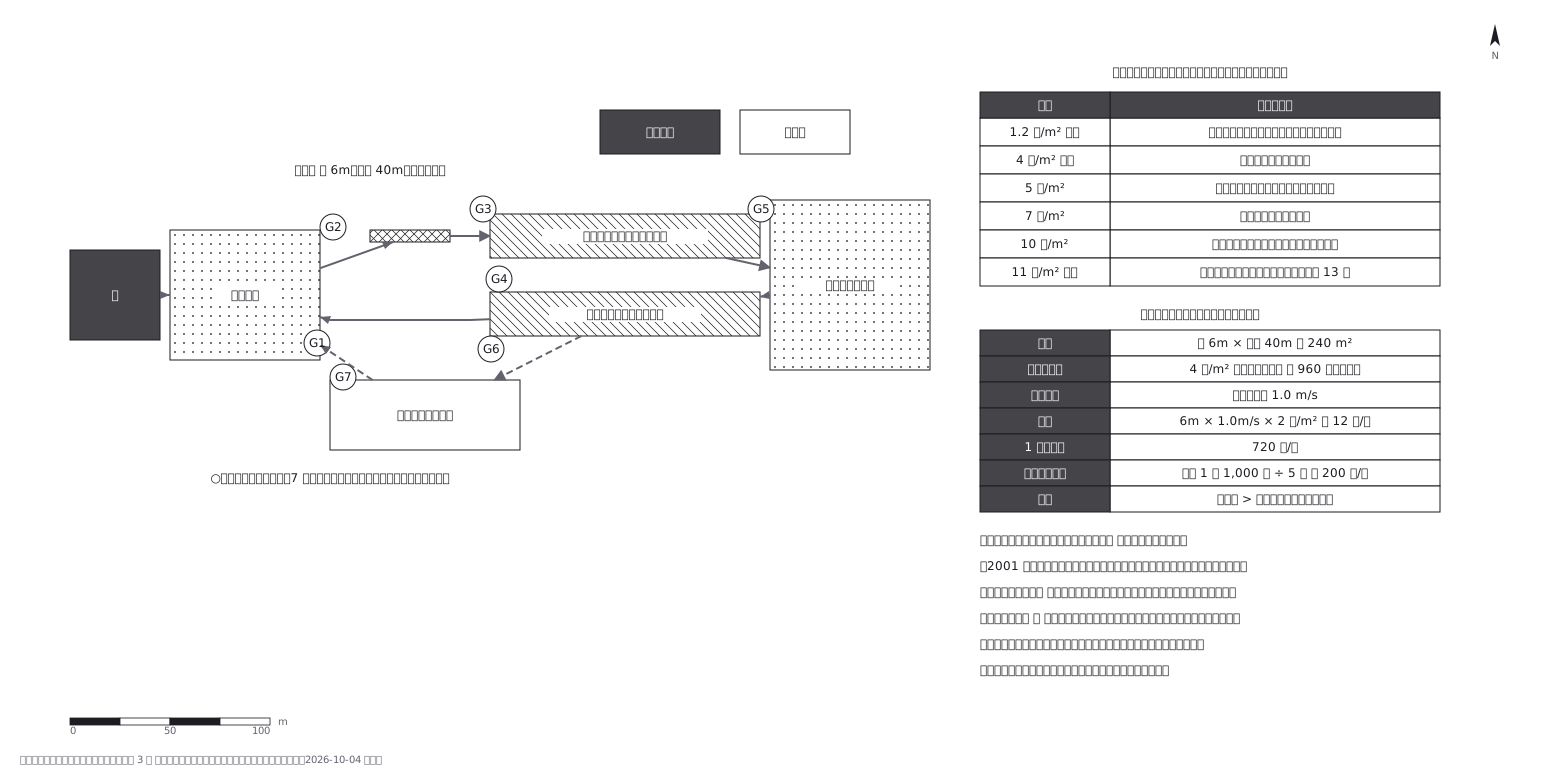 Crowd plan: how many can flow out against how many come in
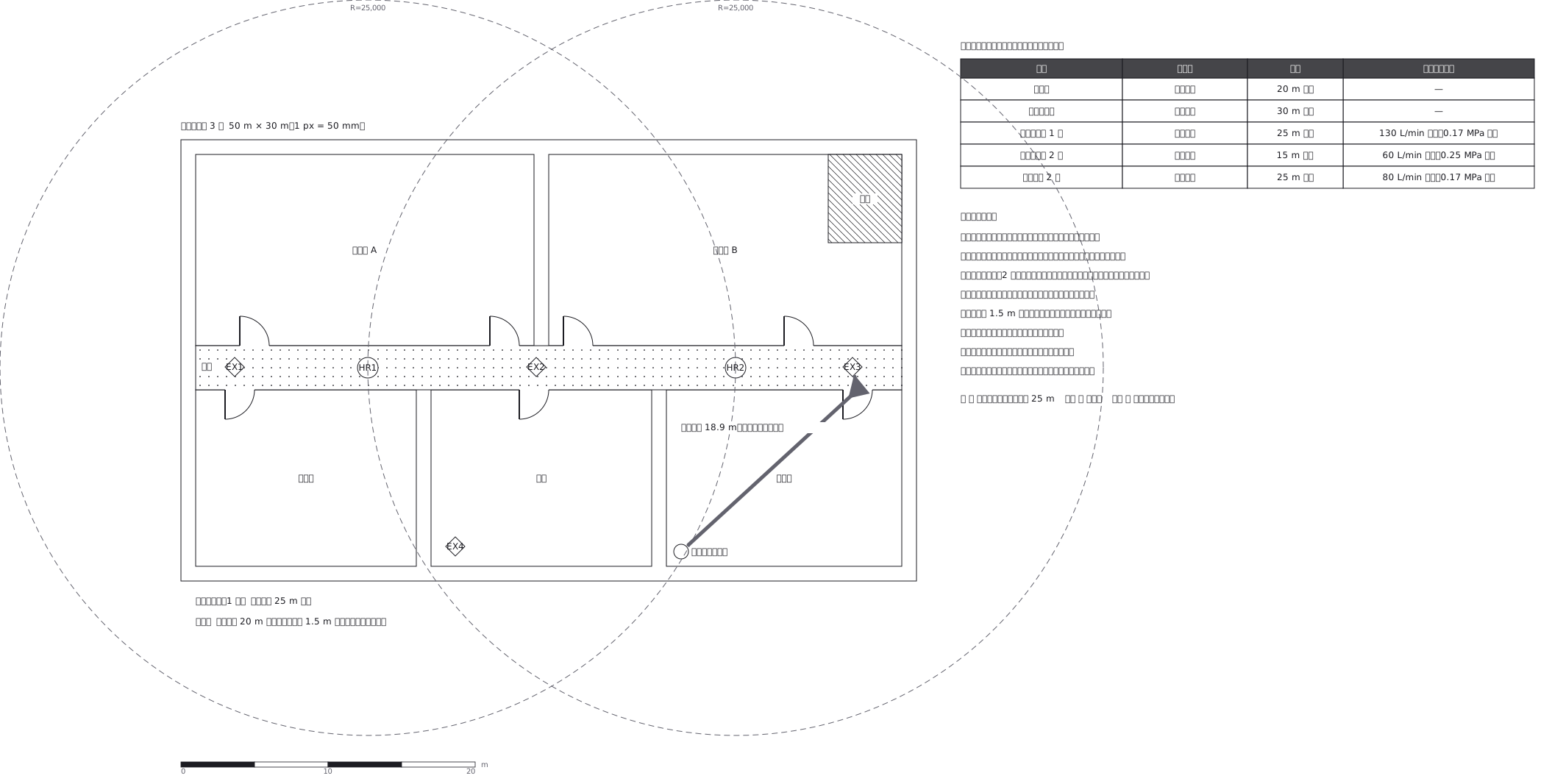 Extinguishers and hose reels, measured two different ways
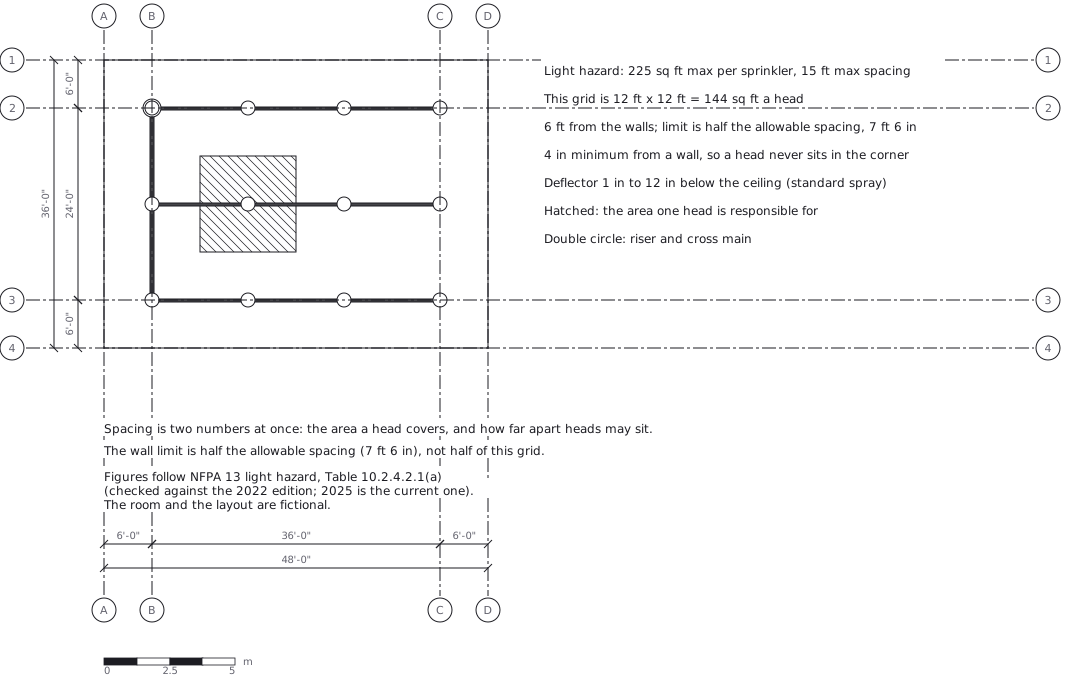 Sprinkler layout: area per head and spacing, decided together
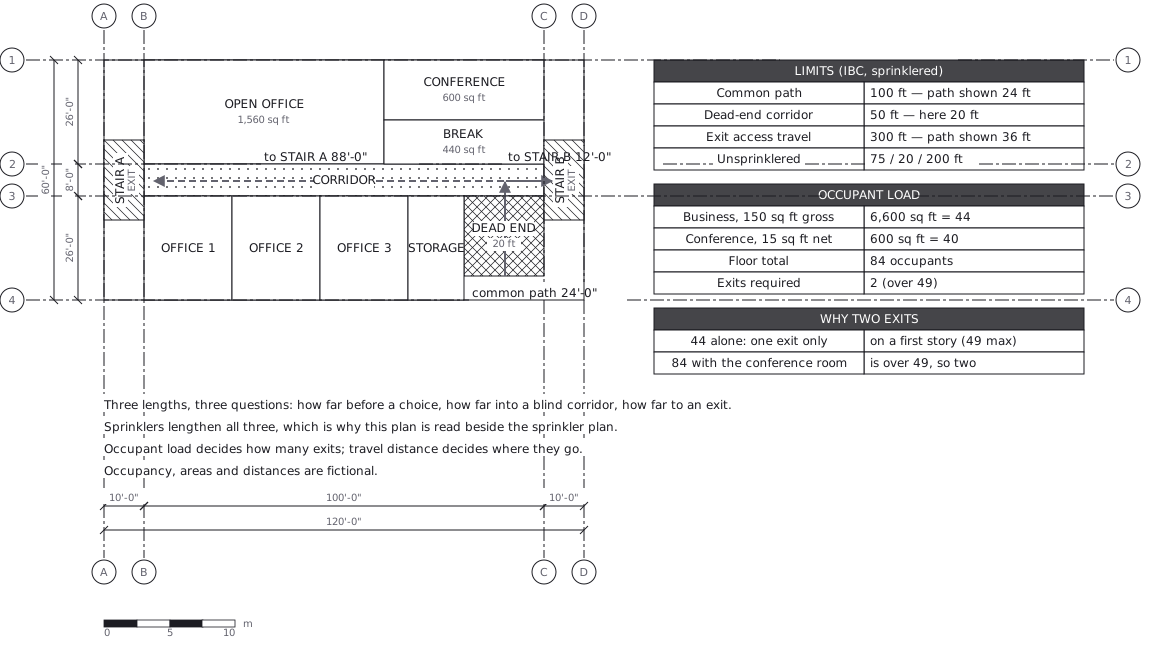 Egress plan: three lengths answering three questions
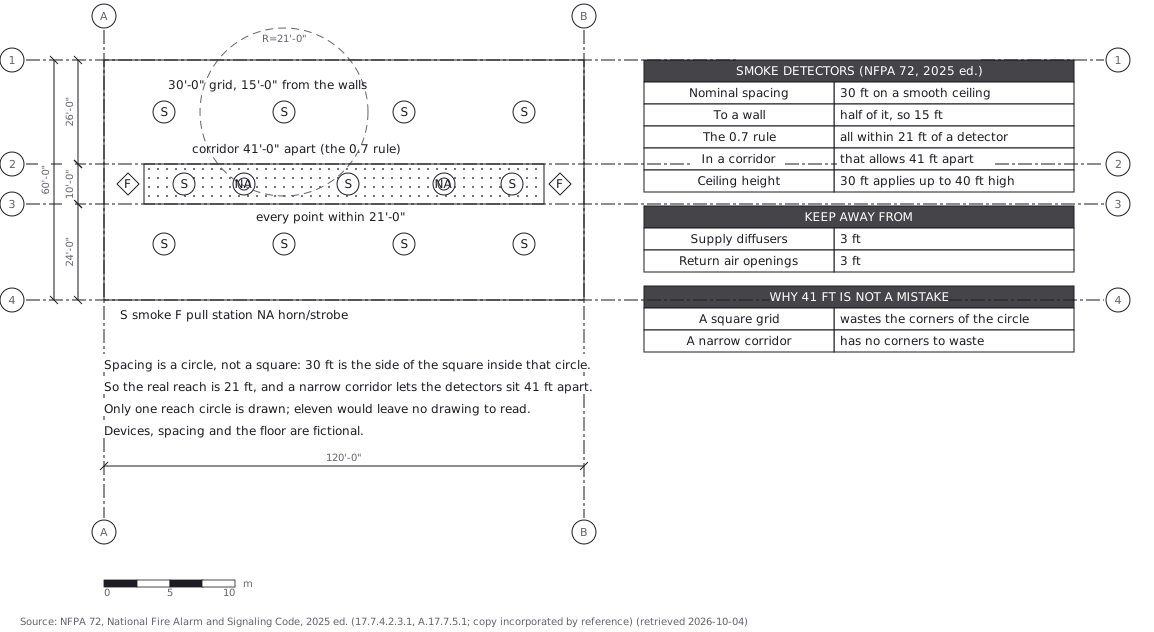 Fire alarm devices: spacing is a circle, not a square