Retail and logistics
How iron is made (carbon goes in, then comes out again)
Half of ironmaking is putting carbon in and the other half is taking it back out: the blast furnace uses carbon to strip the oxygen off the ore and leaves molten iron at around 4% carbon, which is hard but shatters, so the converter blows it down below 2% to make steel. The scrap route skips the ore, the furnace and the coke entirely.
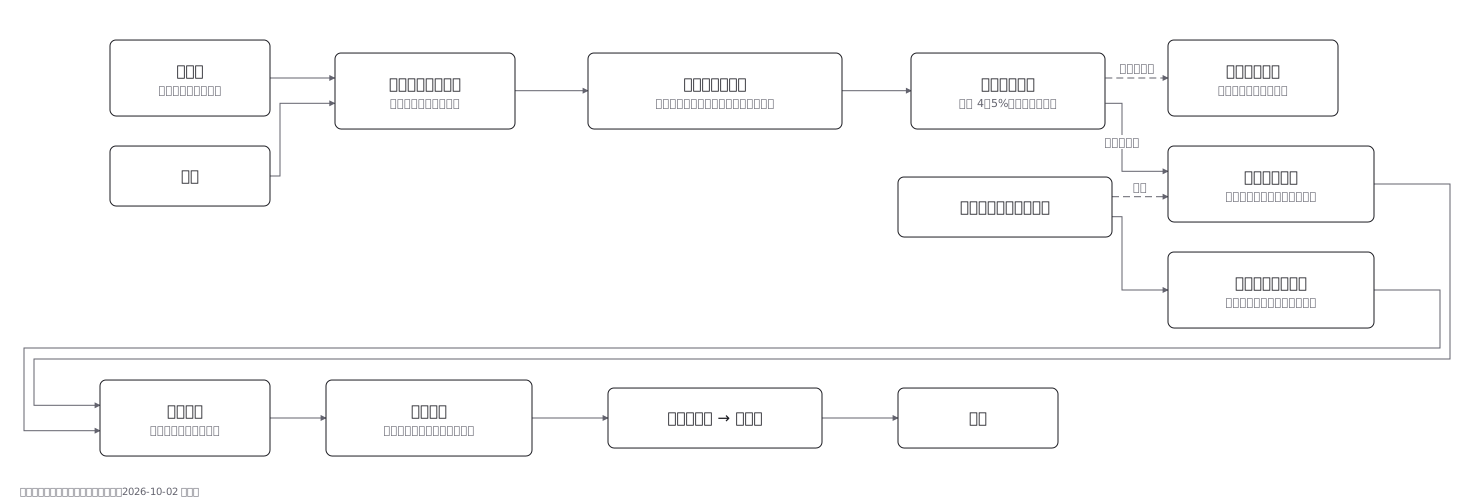
This drawing comes from one YAML file. No shape was moved by hand.
Notes in the source (in Japanese)
鉄をつくる工程の半分は、炭素を入れる仕事。残りの半分は、それを抜く仕事。
鉄鉱石は酸素とくっついた形(酸化鉄)で採れる。その酸素を取るために炭素を使う。高炉は上から鉄鉱石とコークスを入れ、下から熱風を吹き込む炉で、炉の中を下りながら、温度の上がる順に段階を踏んで還元が進む。出てくる溶けた鉄(溶銑・銑鉄)は、炭素を 4〜5% 含んでいる。
銑鉄は硬いが、もろい。 だから構造材には使えない。転炉に少量の鉄スクラップと溶銑を入れて酸素を吹き込み、炭素を燃やして減らすと鋼になる(鋼は炭素がおおむね 2% 以下。構造用の鋼材はさらにずっと少ない)。入れた炭素を、次の工程で抜いている。
成分を調整して鋳型へ流し込めば鋳鉄になる。急冷すると主成分がセメンタイトの白銑鉄。「もろい」は欠点ではなく、用途が違うという話。
電炉法はスクラップを電気炉で溶かす。鉄鉱石も高炉もコークスも要らない。いまの鉄鋼製品は、高炉法と電炉法の 2 つで大半がつくられている。
高炉の還元の温度帯は一次資料で確かめられなかったので、図には数を書いていない。
出典:日本鉄鋼連盟「鋼をつくる」https://www.jisf.or.jp/knowledge/manufacture/tenro.html(銑鉄の炭素 4〜5%、転炉に少量のスクラップを入れること。2026-10-02 照合)。
Source (YAML)
examples/gallery/323-鉄ができるまで.zumen.yaml
More in this field
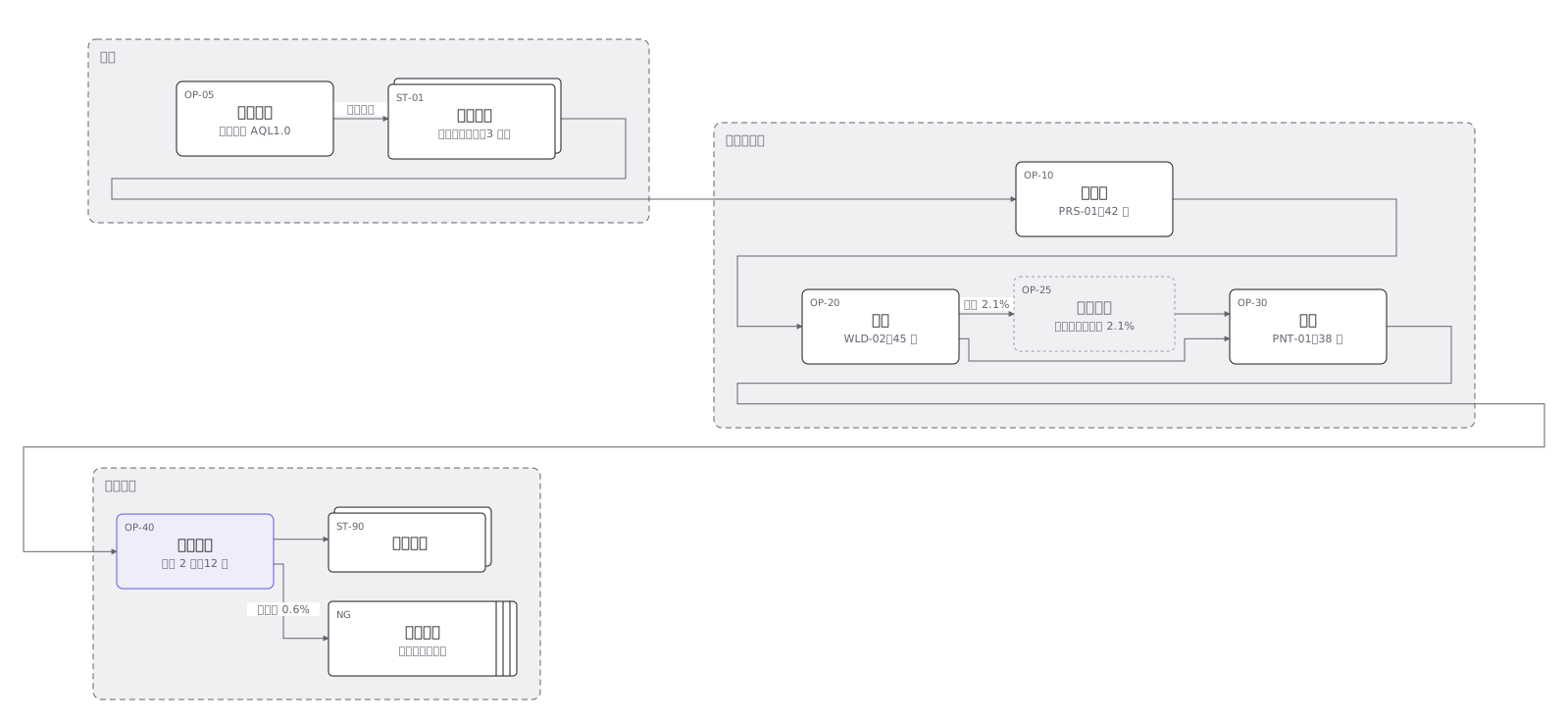 An assembly line with what happens at each station, and the route a part takes back when inspection rejects it
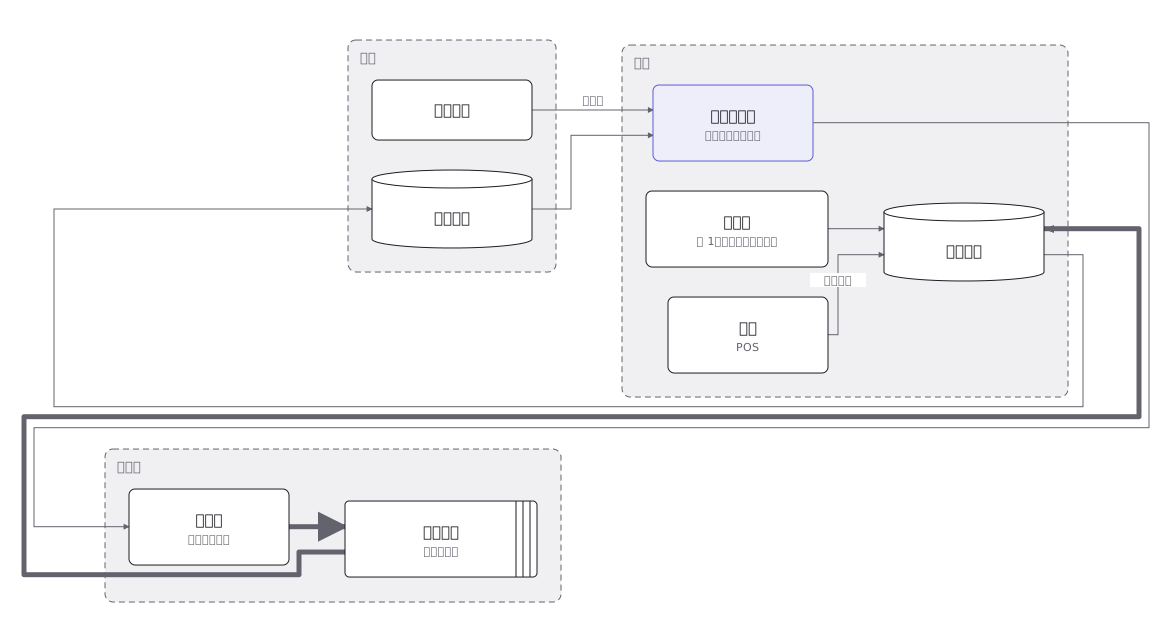 How a shop restocks: the reorder point, the safety stock, and the lead time that has to be covered until goods arrive
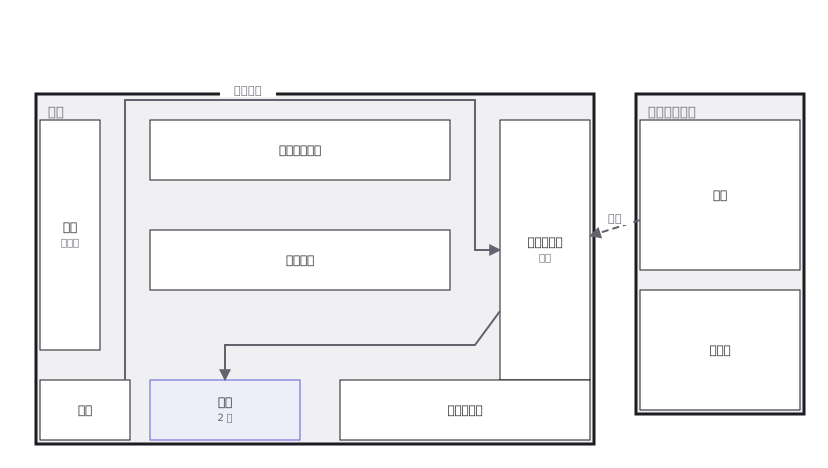 A convenience store floor layout: the fixtures, the main aisle, the till and chilled cases, and the path a customer takes from the door
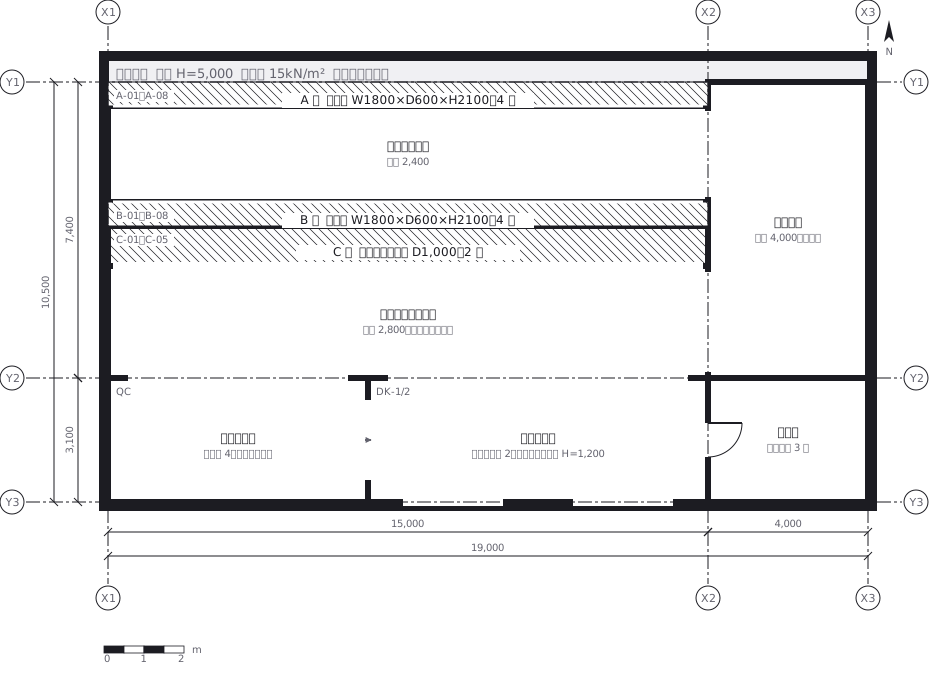 A warehouse where every rack bay, level and position carries an address, overlaid with the aisles and the picking route
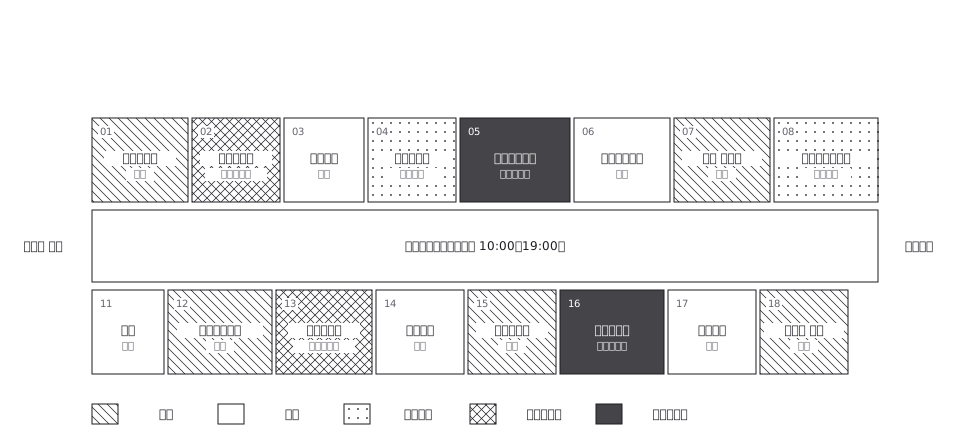 Shopping street directory, trade by hatch
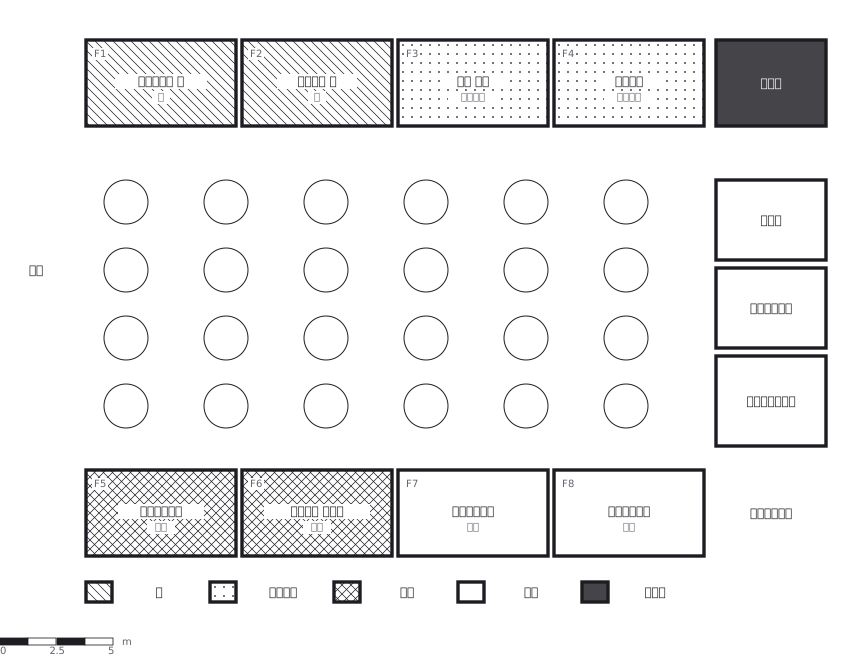 A food court laid out with 240 seats in the middle and the outlets around the edge, each cuisine distinguished by hatch rather than colour
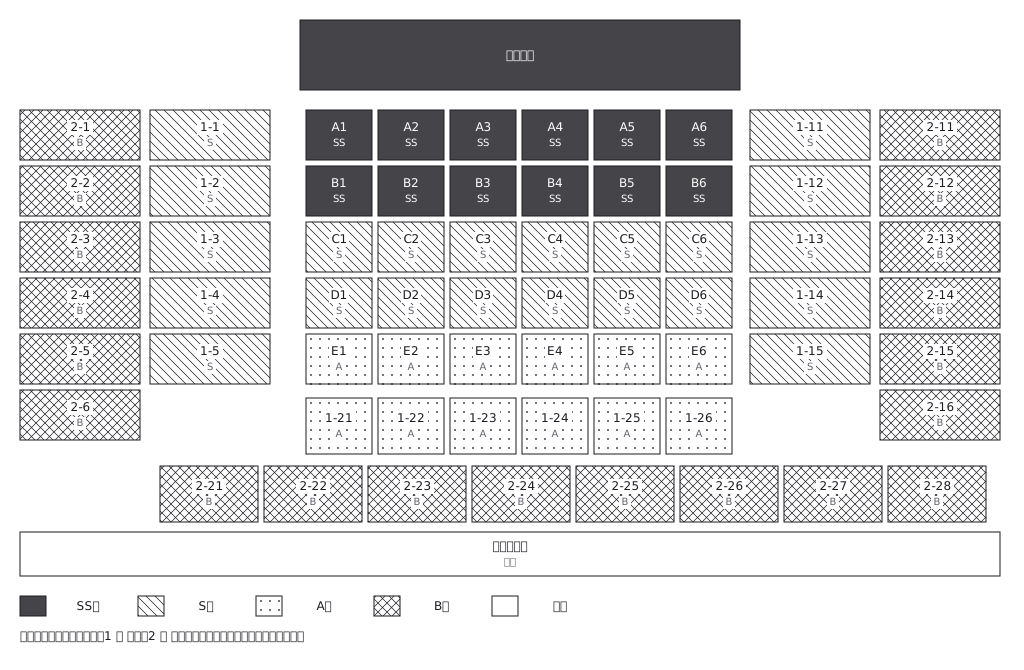 A domed stadium with its seats divided into five price bands, including standing room
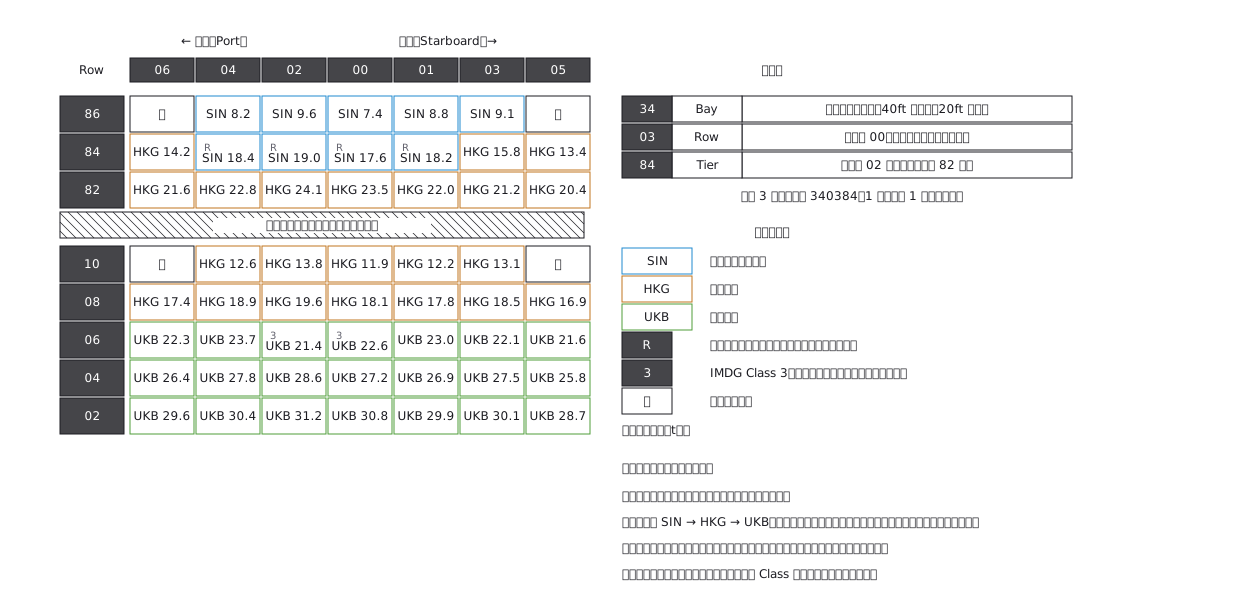 Container stowage: bay, row and tier are the address