Retail and logistics
23 drawings in Retail and logistics, each generated from a single YAML file.
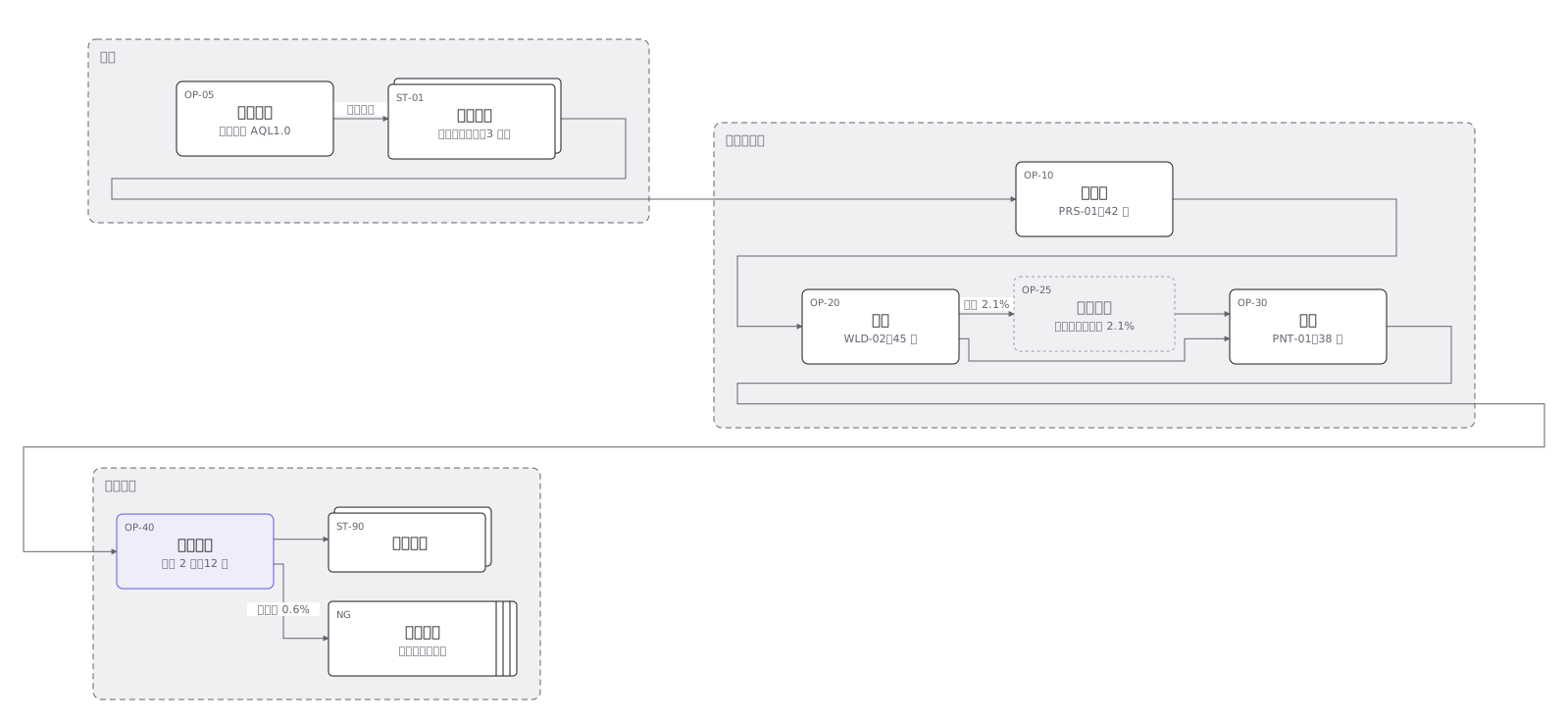 An assembly line with what happens at each station, and the route a part takes back when inspection rejects it
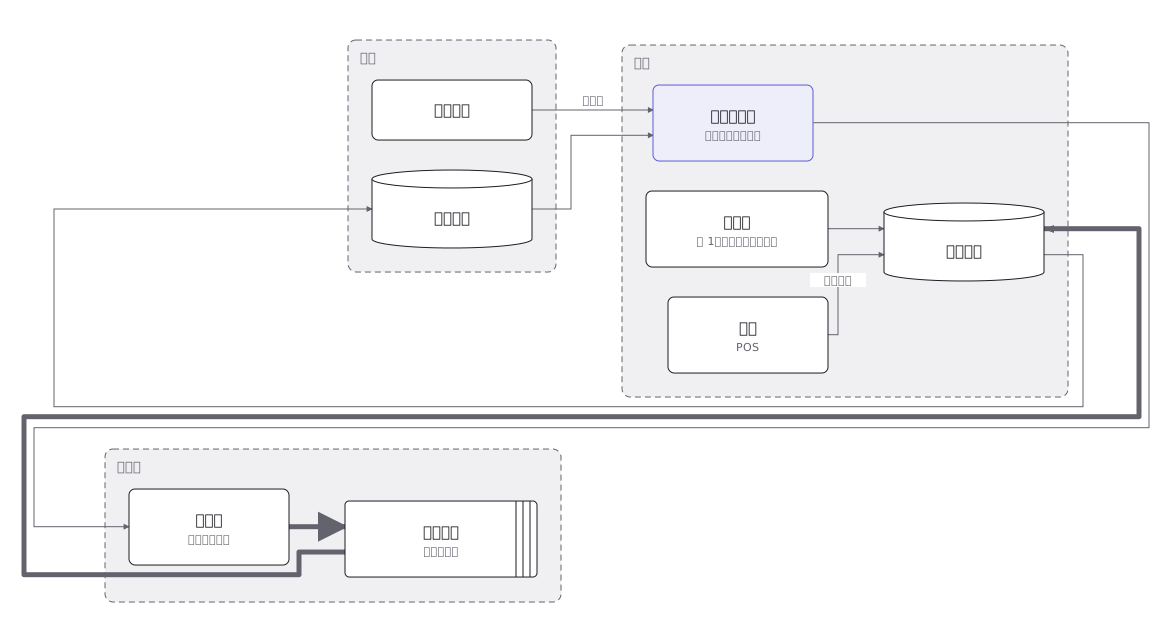 How a shop restocks: the reorder point, the safety stock, and the lead time that has to be covered until goods arrive
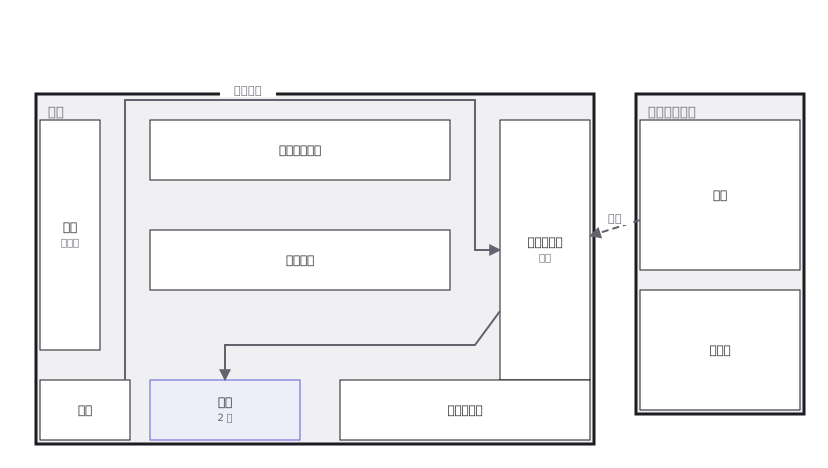 A convenience store floor layout: the fixtures, the main aisle, the till and chilled cases, and the path a customer takes from the door
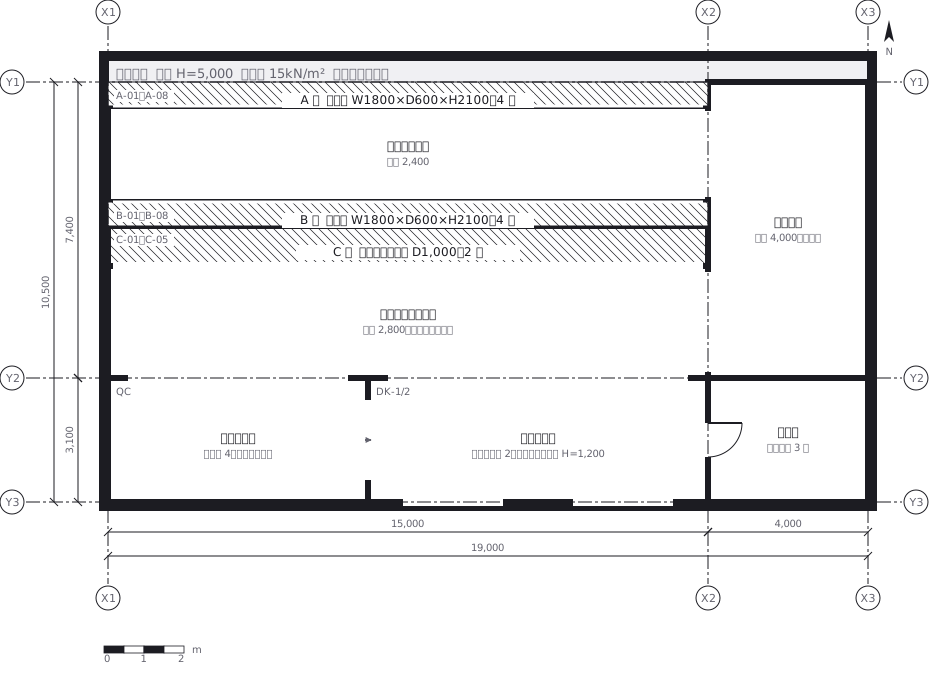 A warehouse where every rack bay, level and position carries an address, overlaid with the aisles and the picking route
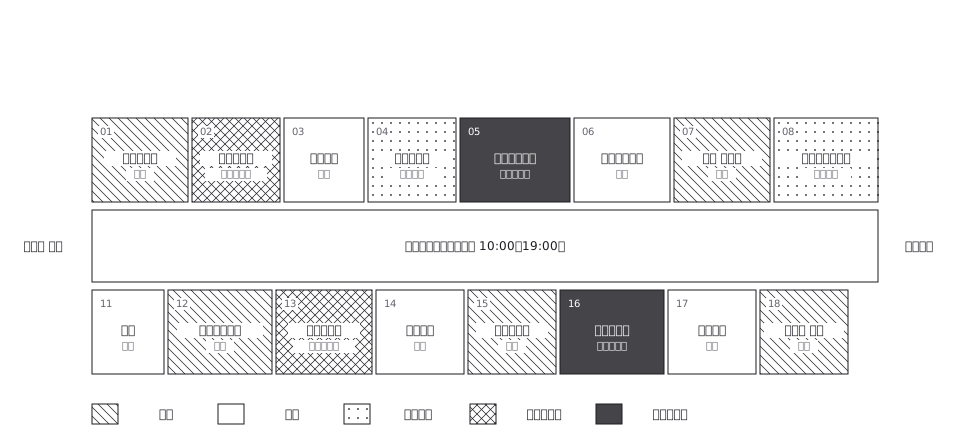 Shopping street directory, trade by hatch
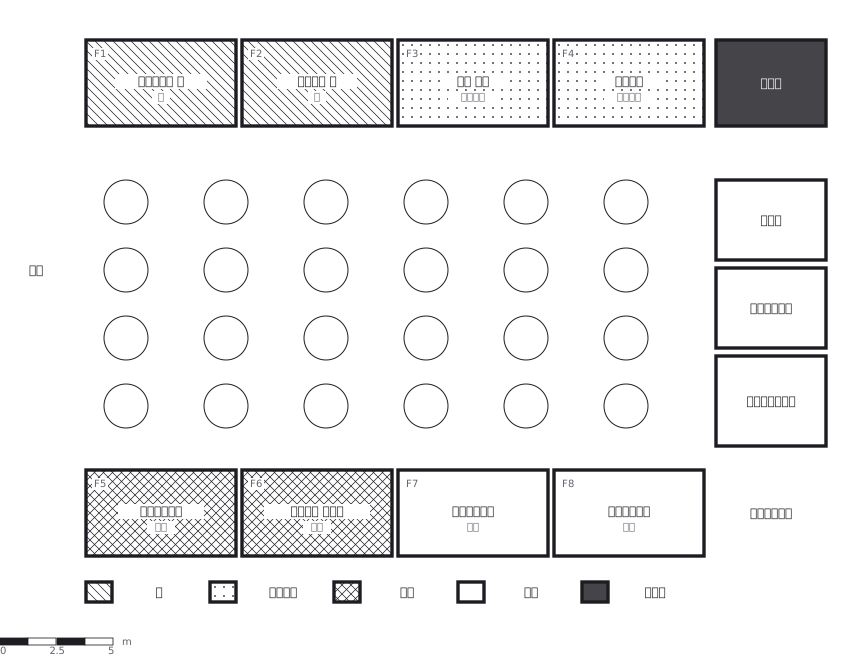 A food court laid out with 240 seats in the middle and the outlets around the edge, each cuisine distinguished by hatch rather than colour
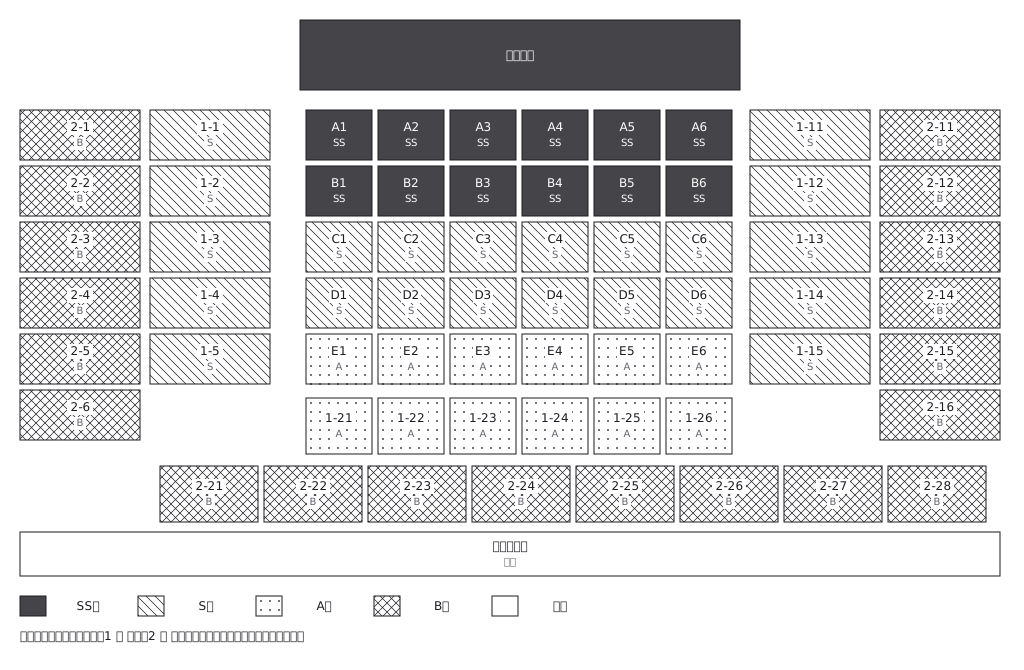 A domed stadium with its seats divided into five price bands, including standing room
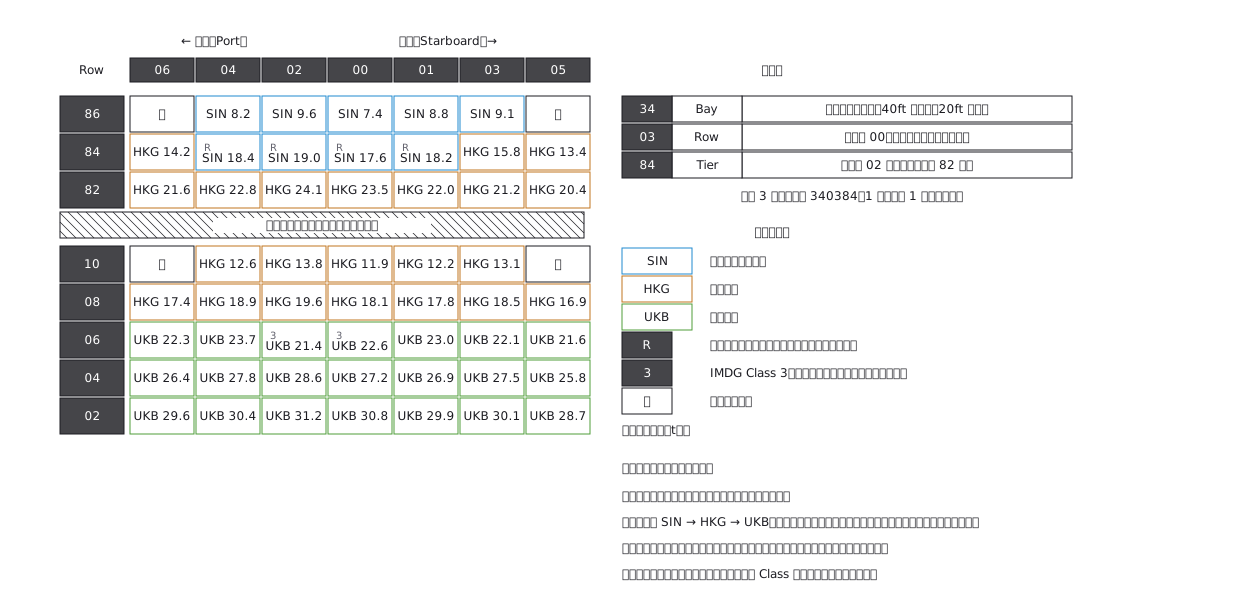 Container stowage: bay, row and tier are the address
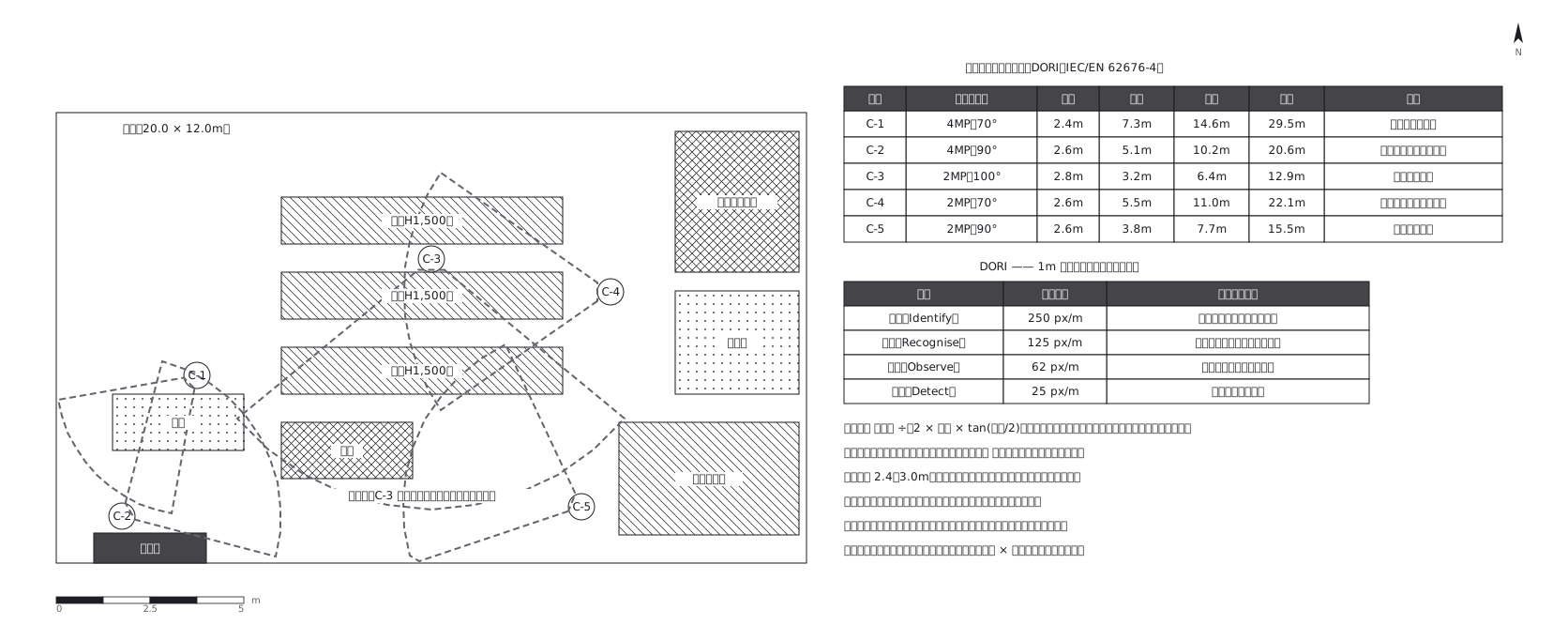 Camera coverage, out to the distance a face still reads
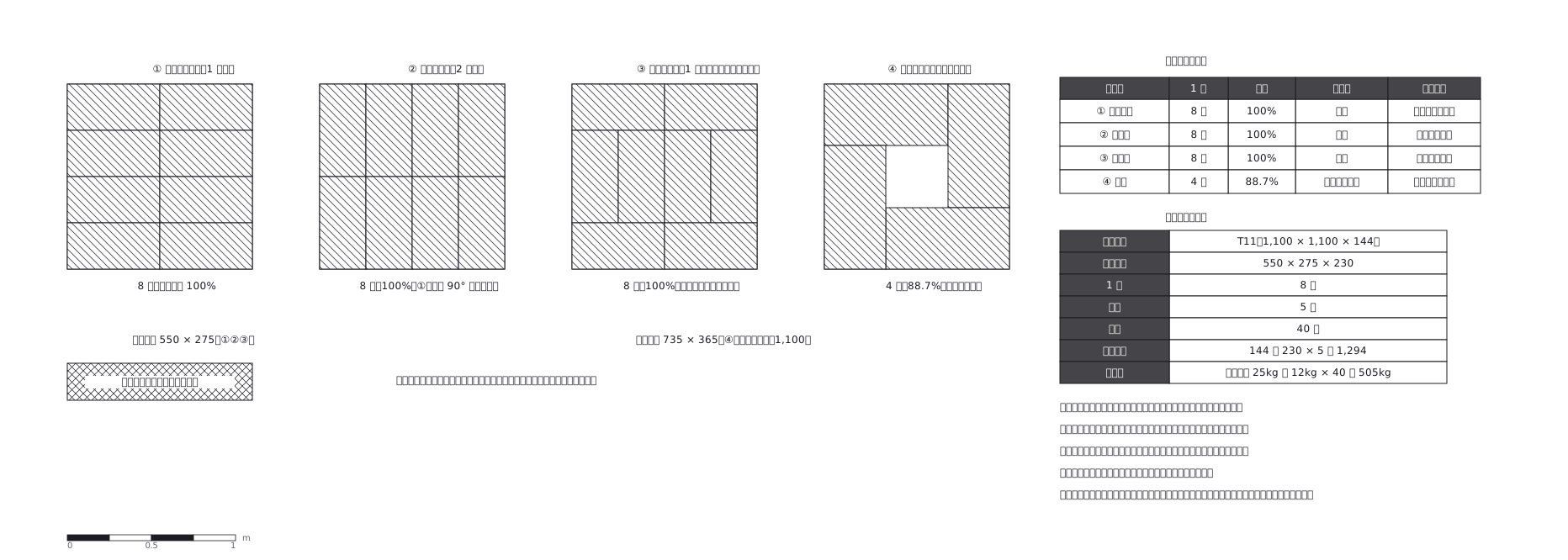 Pallet patterns, and what they do to stability
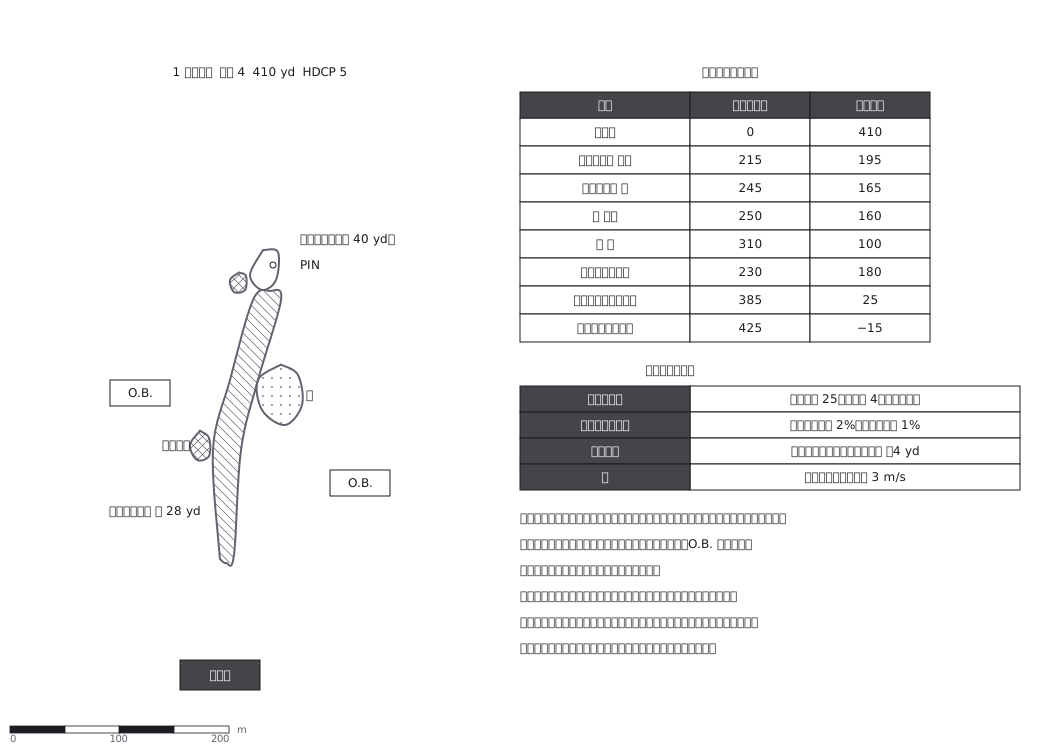 Yardage book: shade the surfaces, write the distances
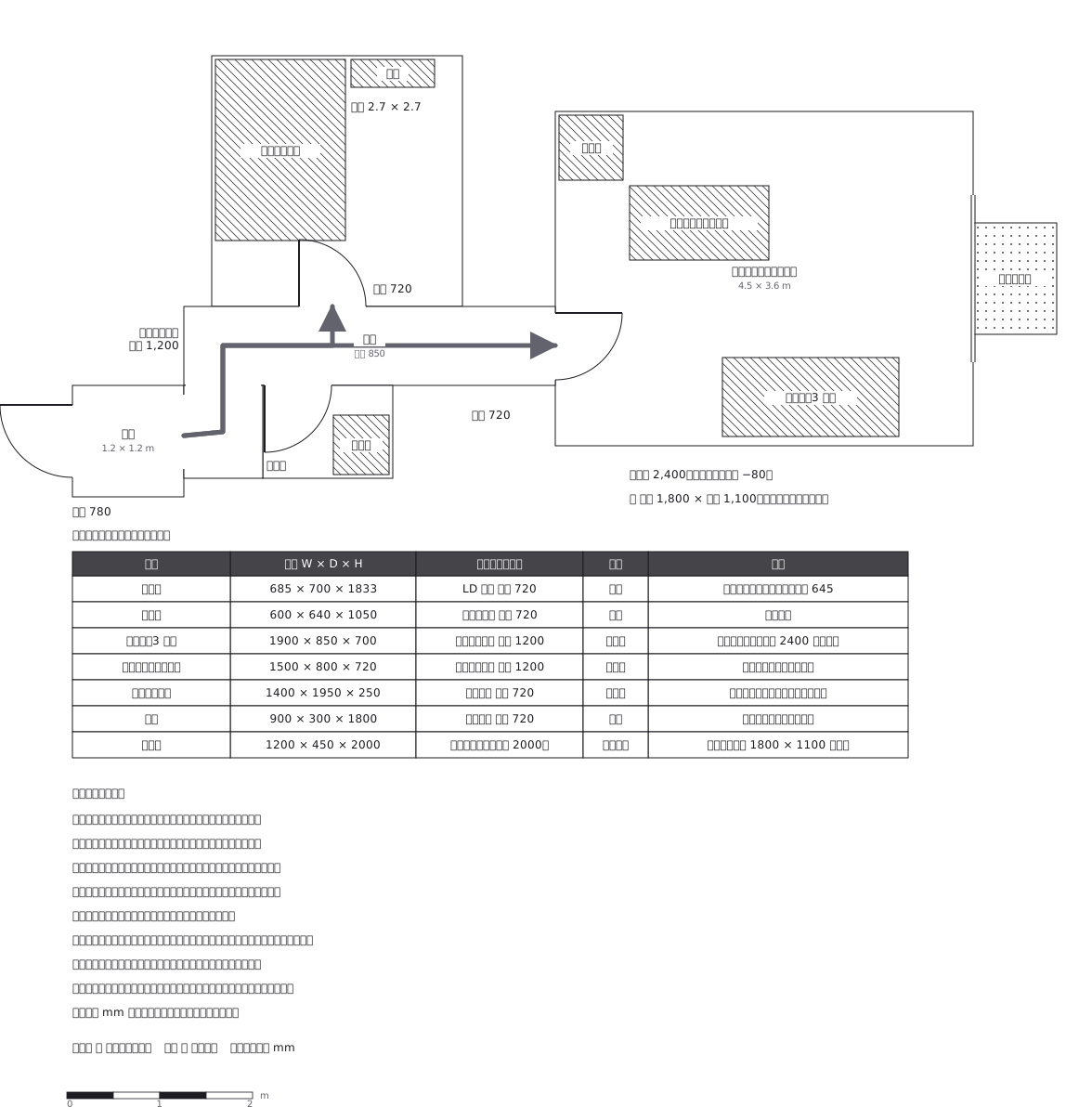 Moving route: the drawing that says whether it fits
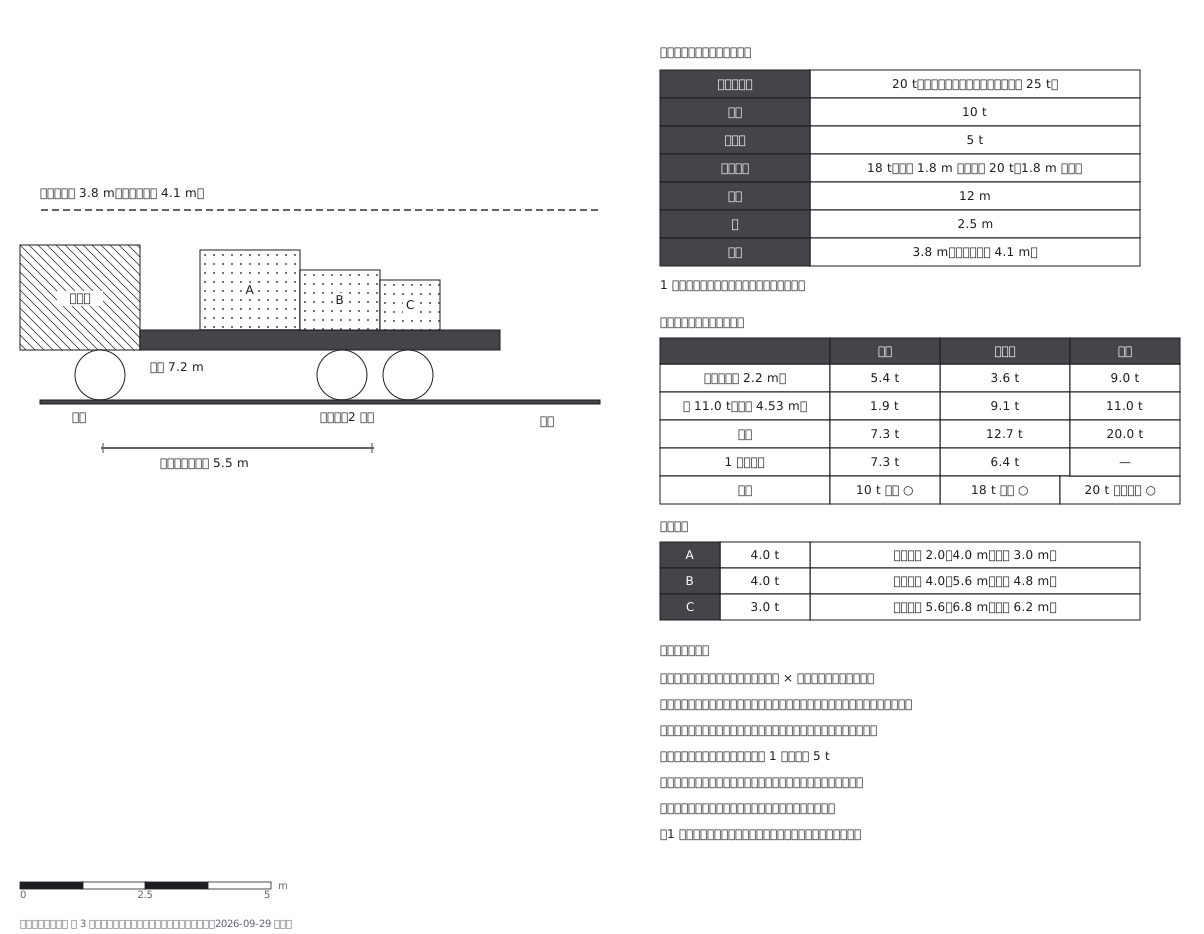 Truck loading: weight times distance from the axle
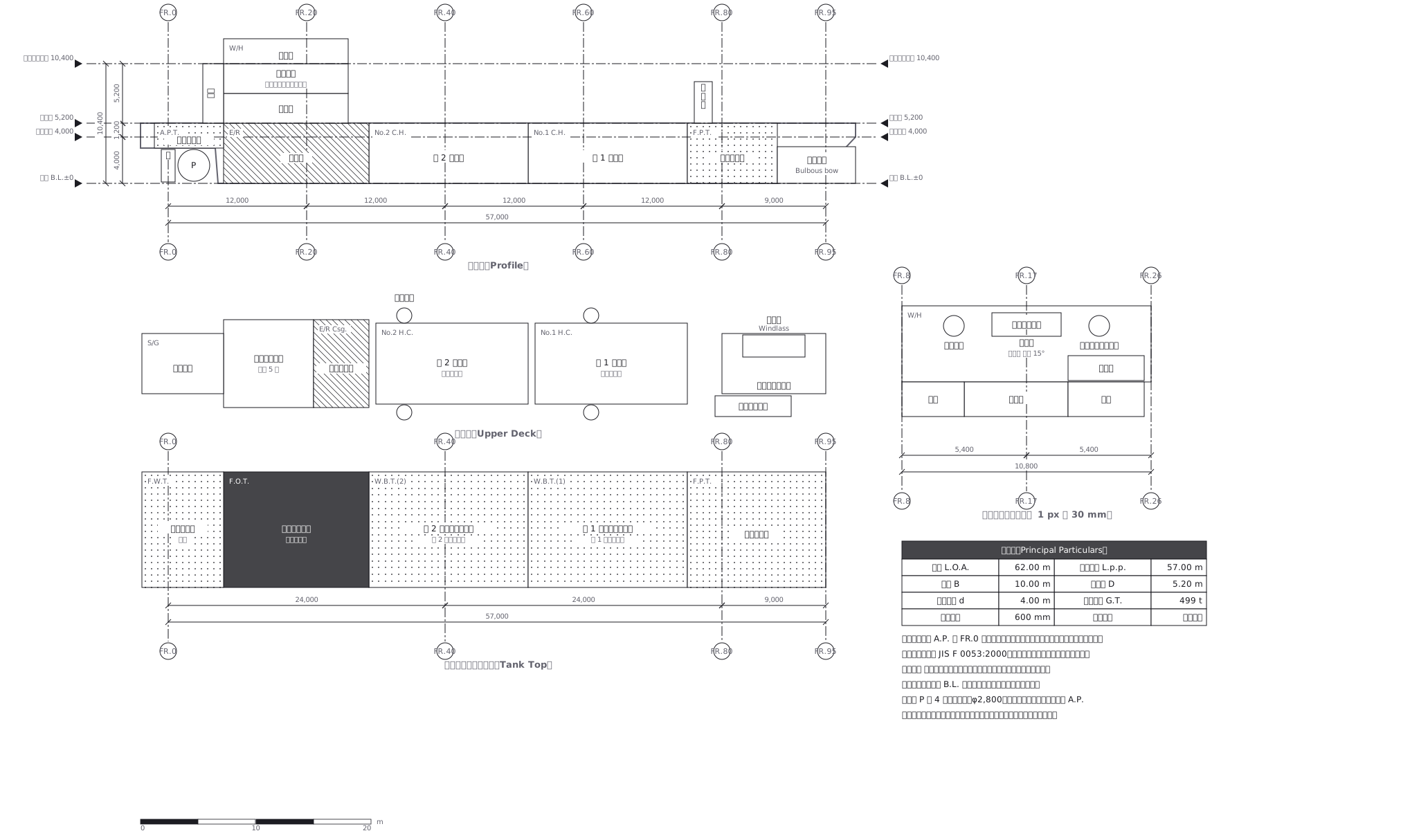 General arrangement: four drawings, each with its own scale
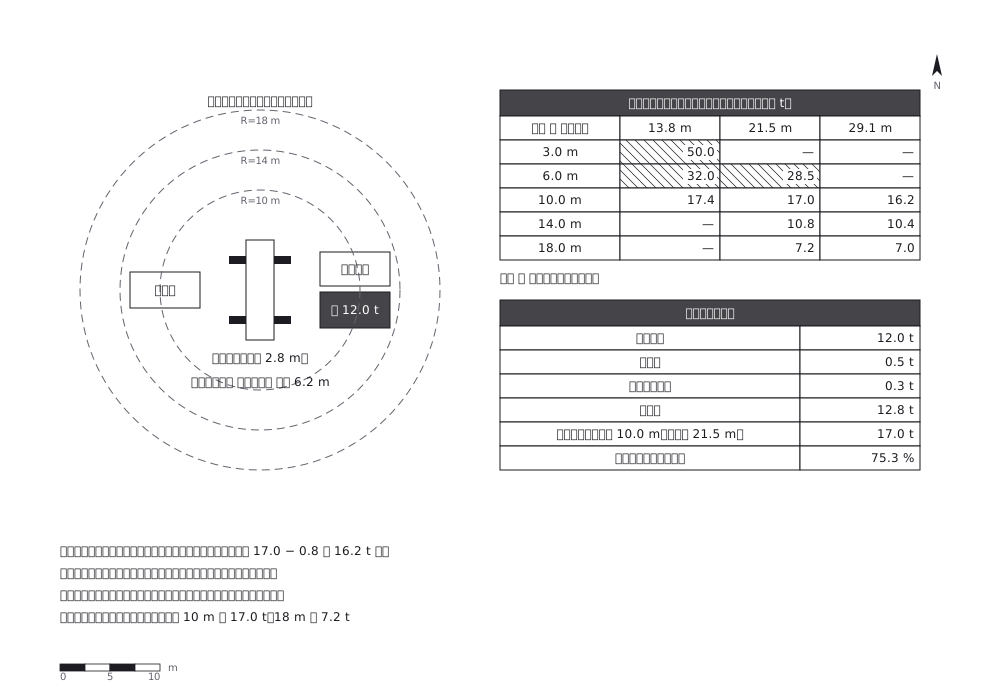 Crane lift plan: the further out, the less it lifts
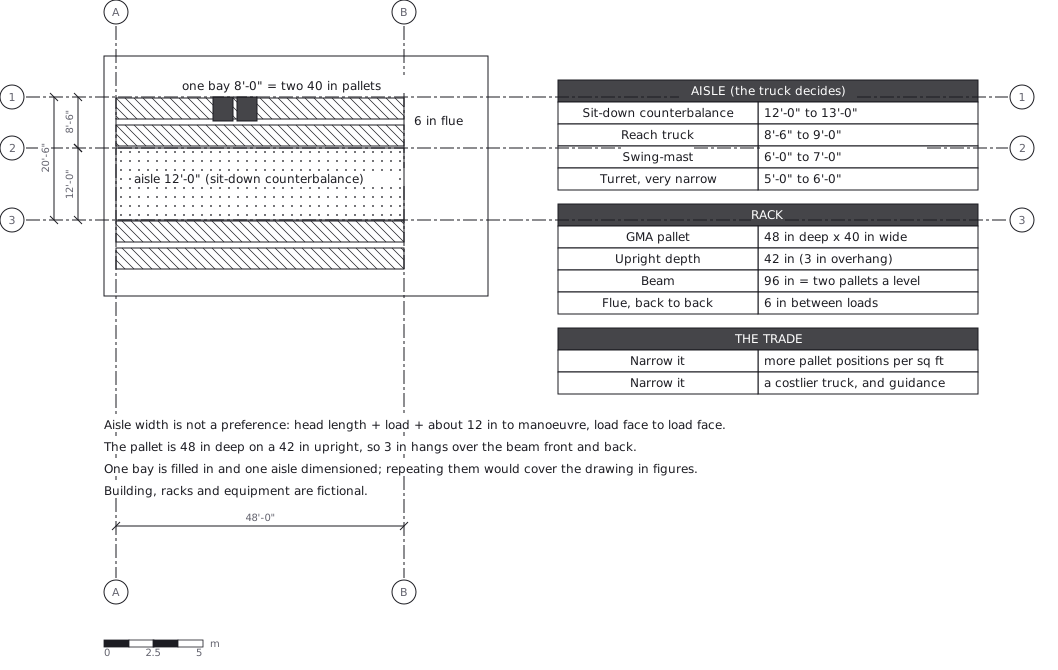 Pallet rack: the truck decides the aisle
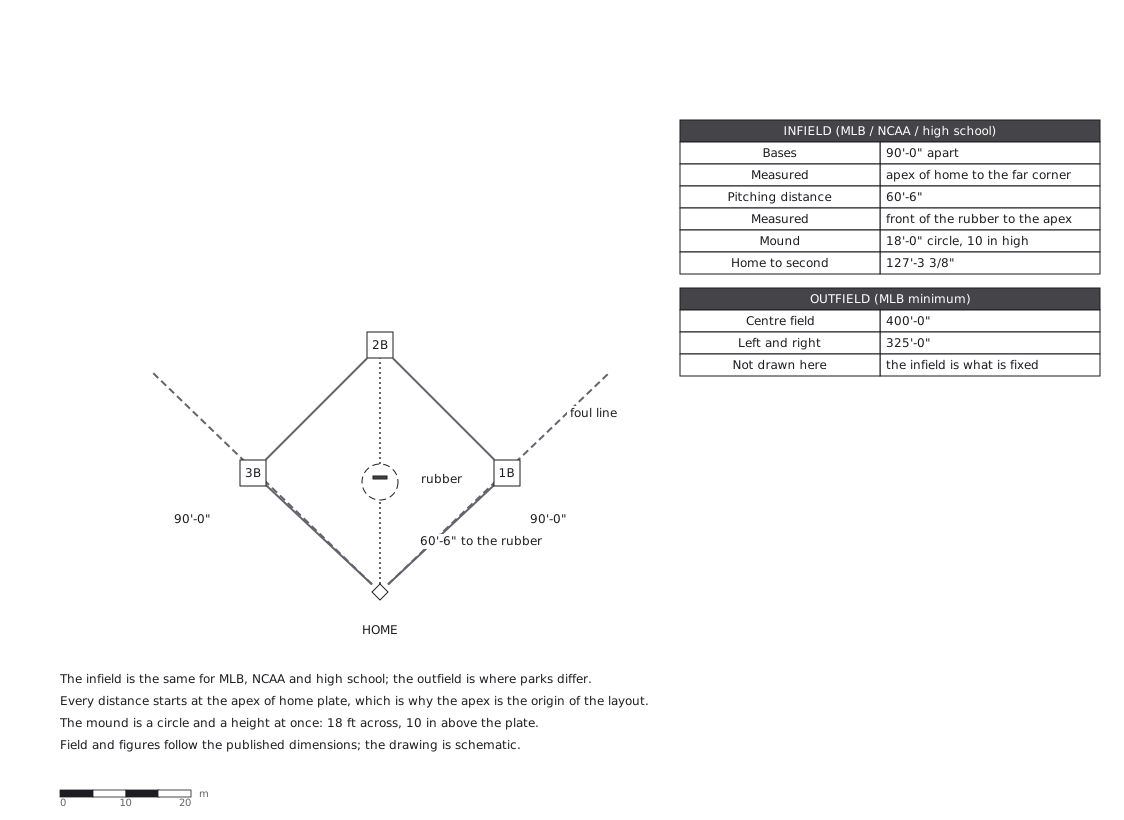 Baseball infield: every distance starts at the apex of home plate
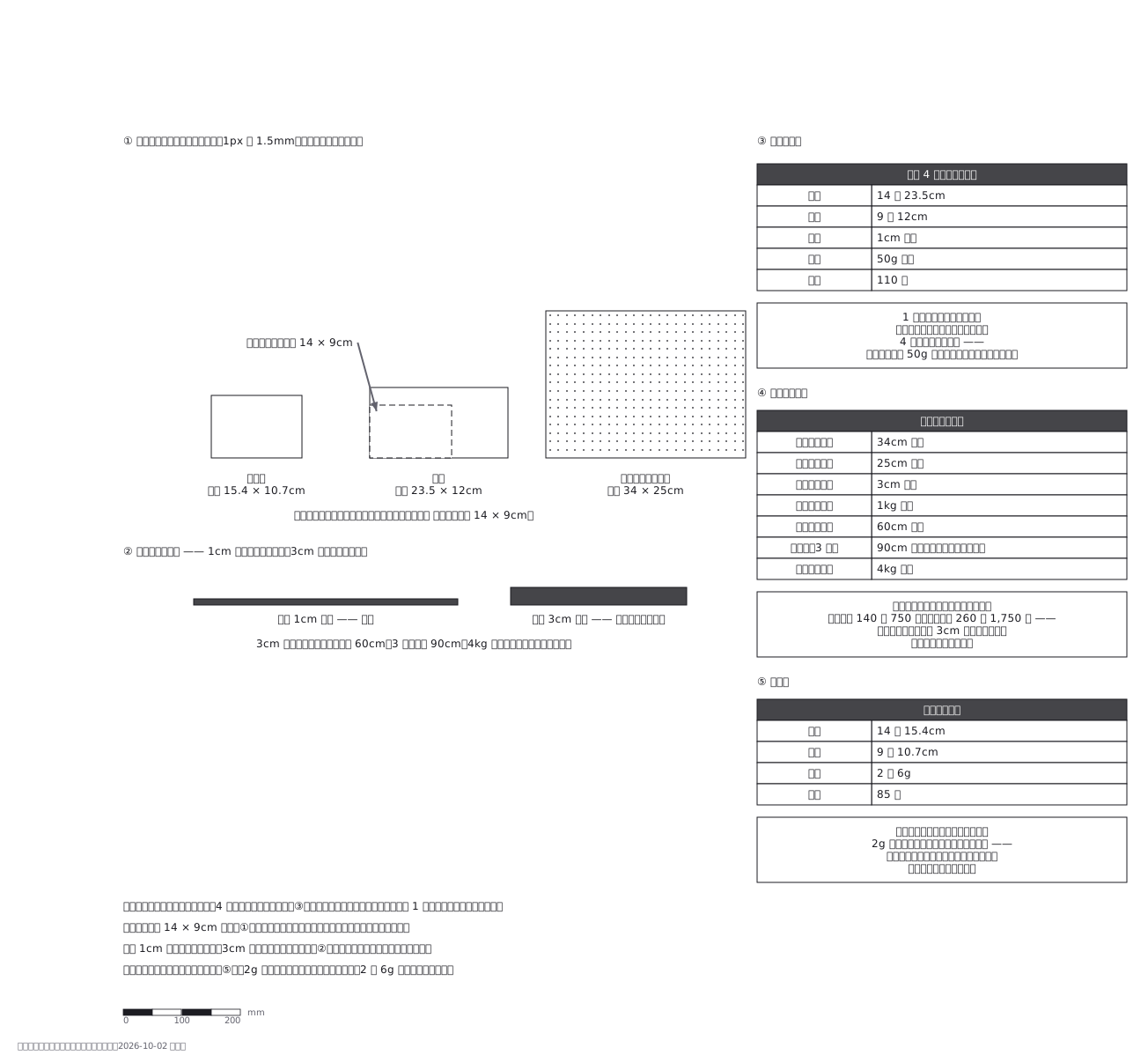 Standard mail is not a size of envelope but the name of four conditions met together — length, width, thickness and weight — and breaking any one of them moves the item to a different price table entirely; the 1cm thickness limit is really the line between what a sorting machine can swallow and what it cannot
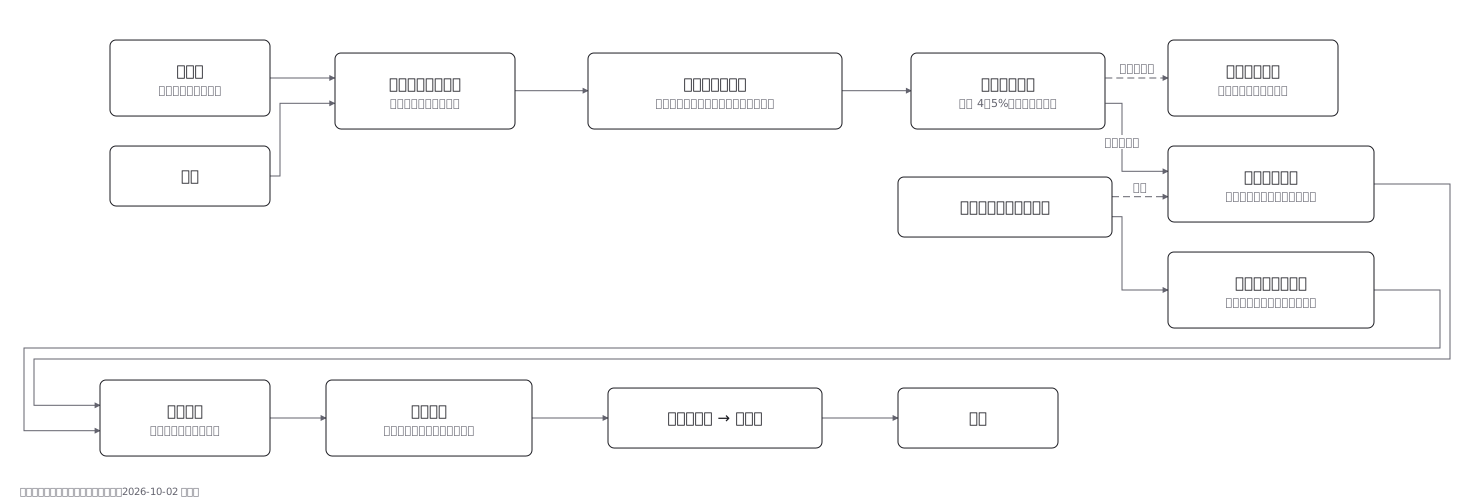 Half of ironmaking is putting carbon in and the other half is taking it back out: the blast furnace uses carbon to strip the oxygen off the ore and leaves molten iron at around 4% carbon, which is hard but shatters, so the converter blows it down below 2% to make steel. The scrap route skips the ore, the furnace and the coke entirely.
 Incineration is not a way of making rubbish vanish; it is a way of cutting its volume by 80 to 95 per cent, and the ash still has to go to landfill. Whether a municipality or the business that produced it is responsible depends not on what the waste is but on where it came from — the same paper is household waste at home and industrial waste at an office.
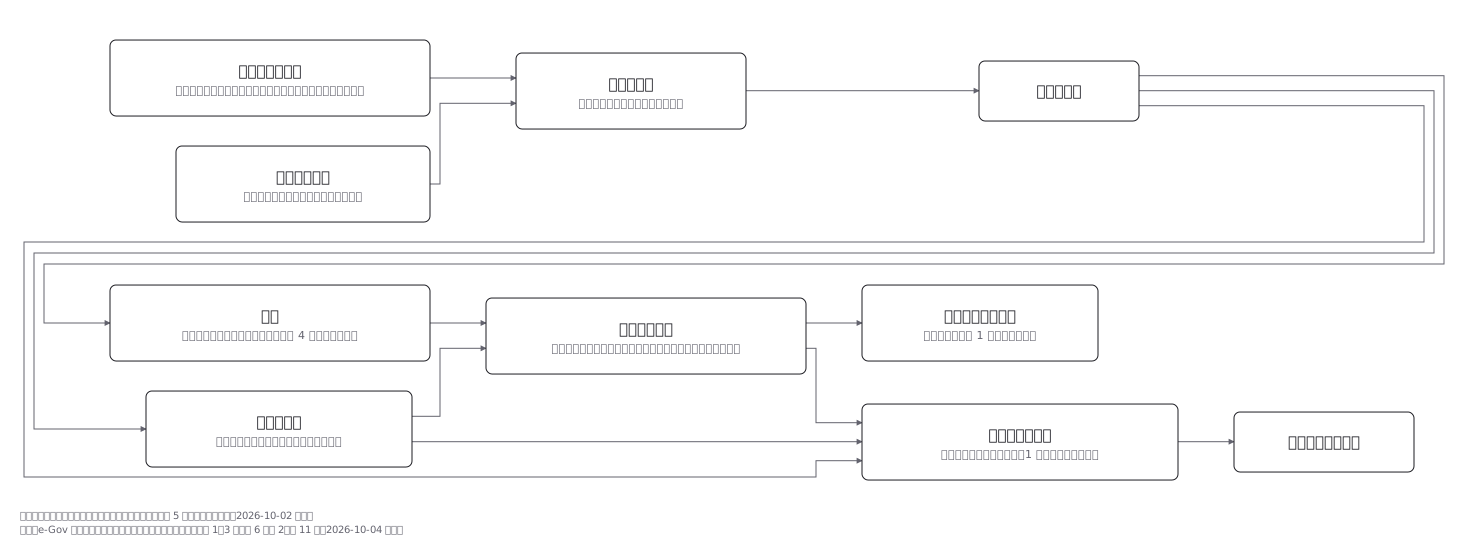
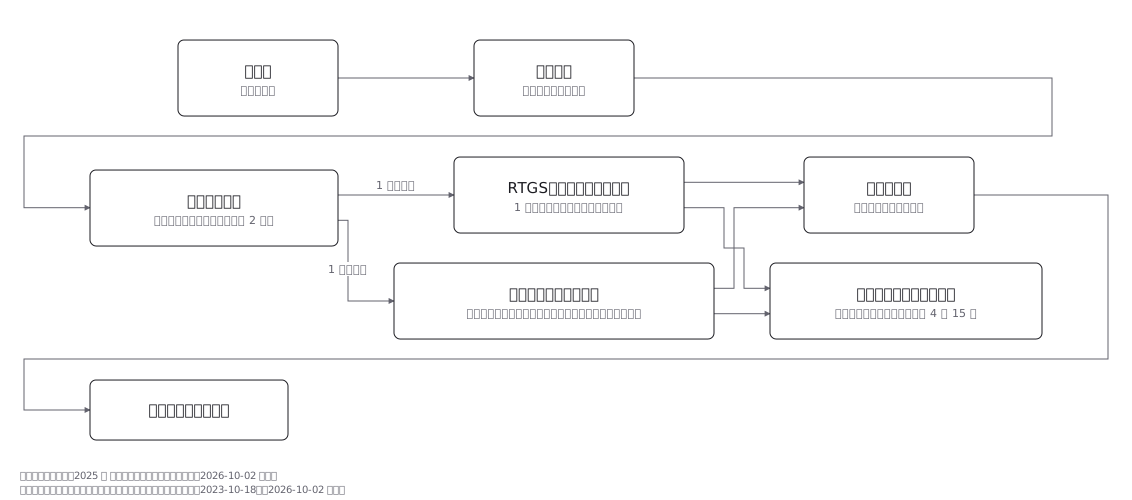 Money and the notice of it do not travel together, and which one goes first flips at a hundred million yen. Below that, the notice reaches the receiving bank at once while the banks settle only the netted difference at a quarter past four; above it, each transfer is settled gross and in real time before the notice is sent. The two paths cross on the page because the order really does cross over.
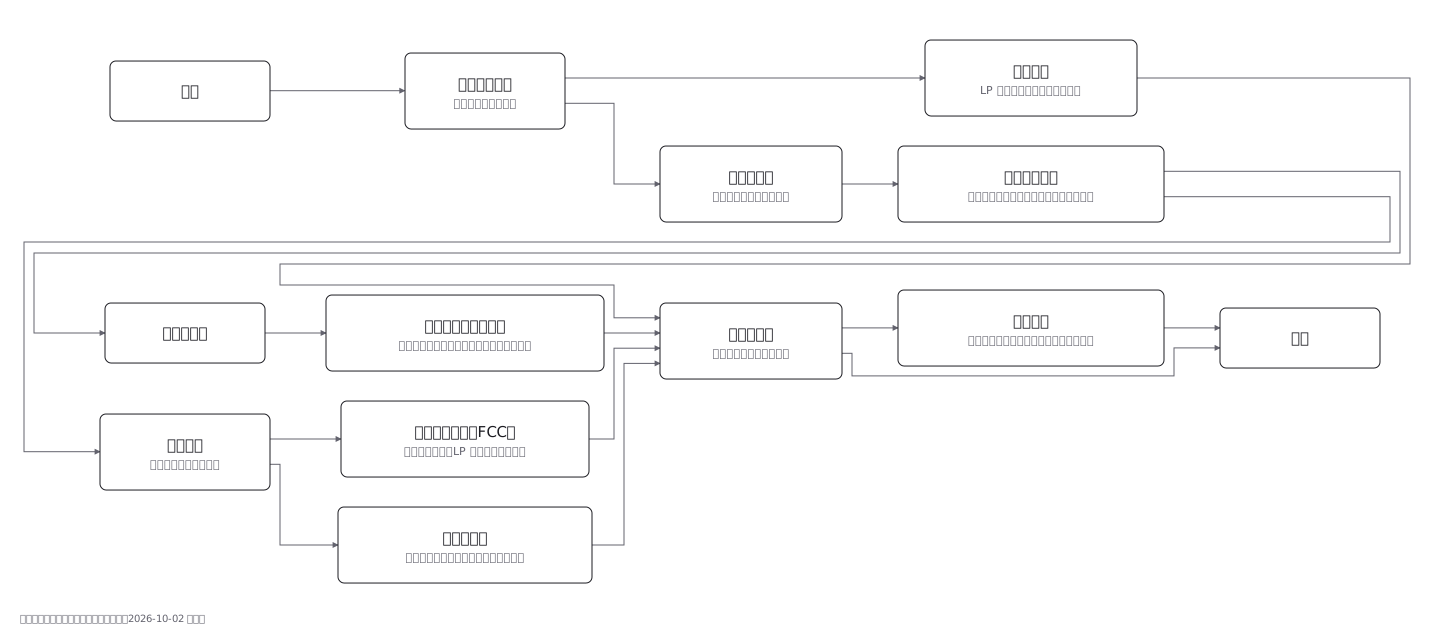 Distillation only separates what the crude already contains, and it yields fewer light fractions than the market wants — so the heavy ends get broken up to make more. Vacuum distillation squeezes further gas oil from the residue, then cracking units cut the big molecules down, and only after desulphurising and reforming is any of it a product.
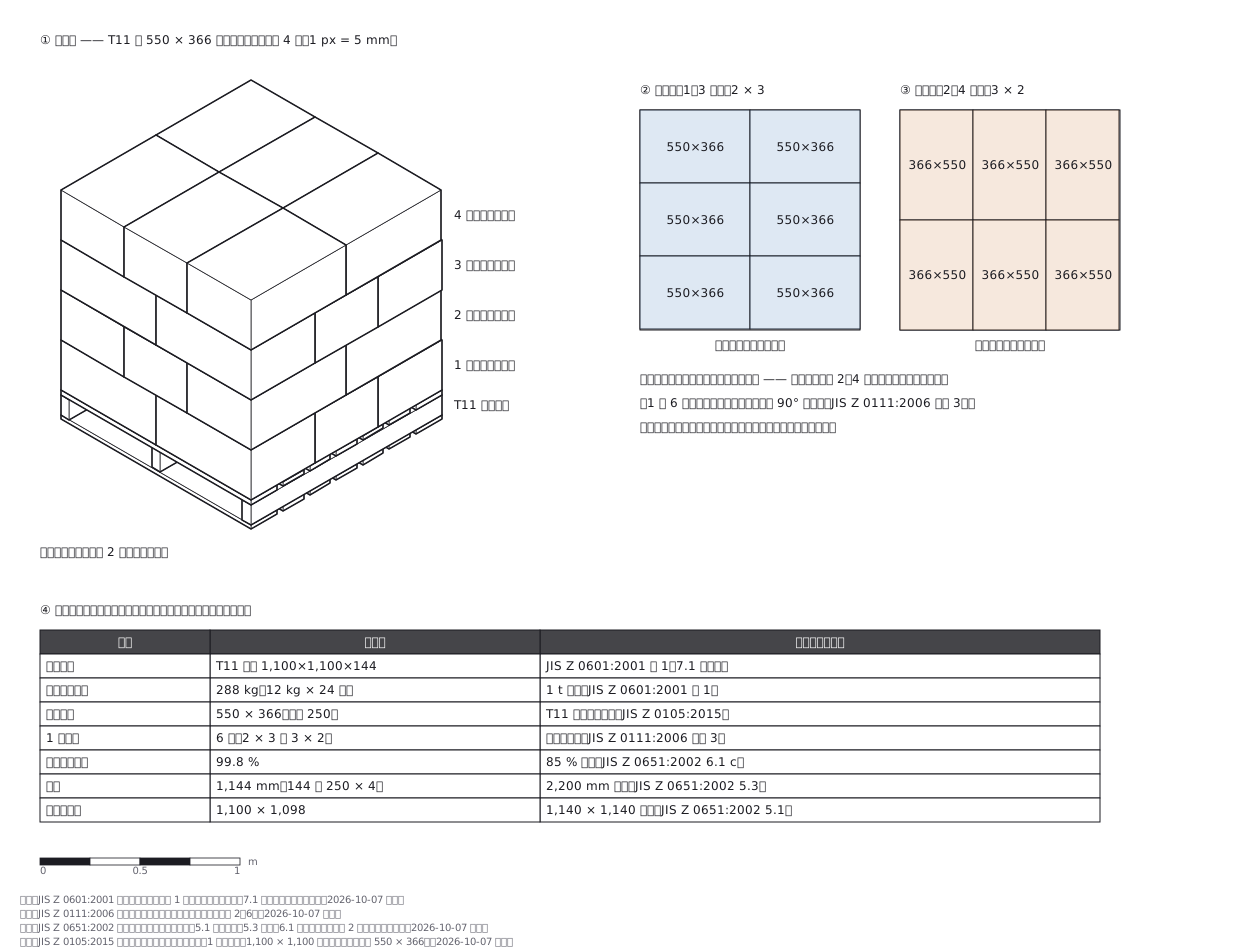 Pallet loading pattern in isometric: 24 cartons (550×366 mm, the JIS module for the 1,100×1,100 T11 pallet) column-interlocked in 4 layers, odd layers 2×3 and even layers turned 90° to 3×2, with plan views of each layer and a table checked against JIS Z 0651 limits.