Work and organisations
32 drawings in Work and organisations, each generated from a single YAML file.
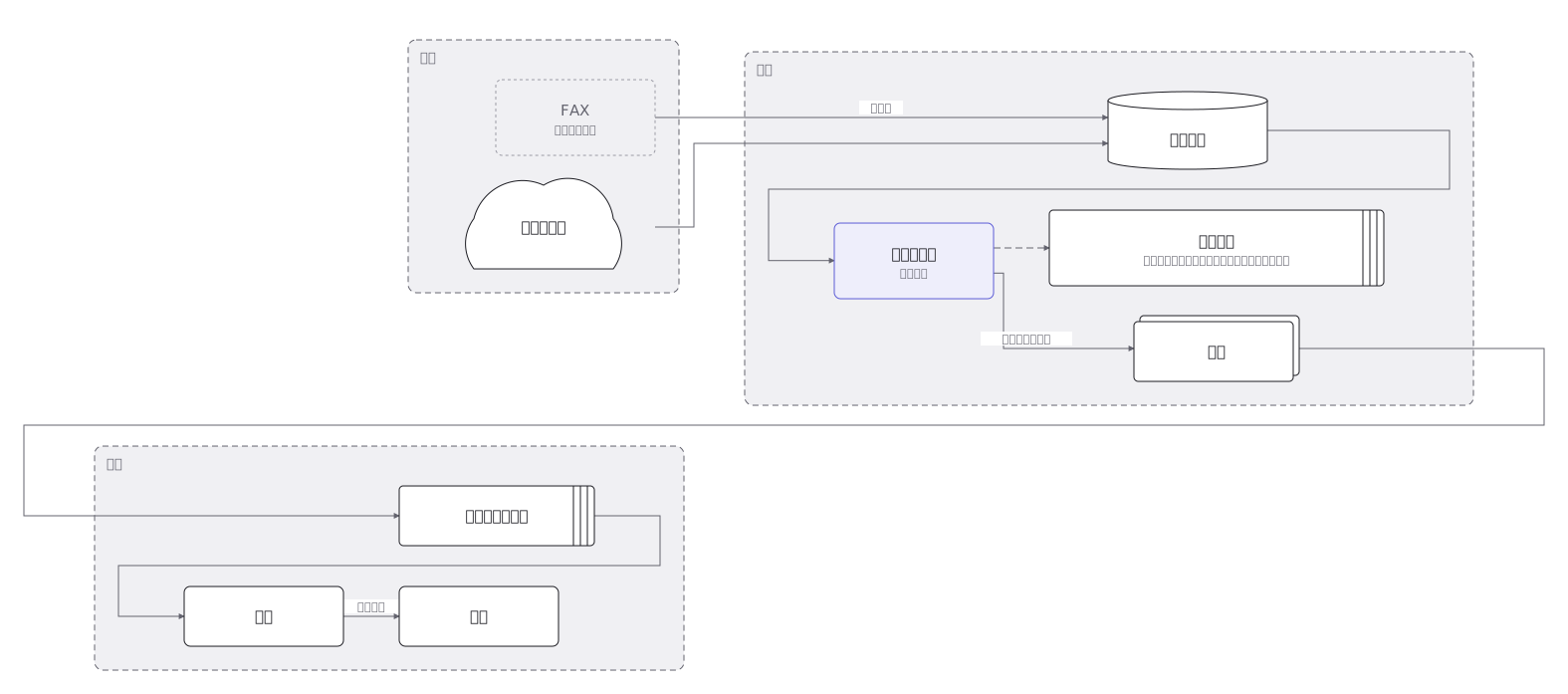 From order to shipment: credit check, stock allocation, picking instruction, packing and despatch, with the owner of each step
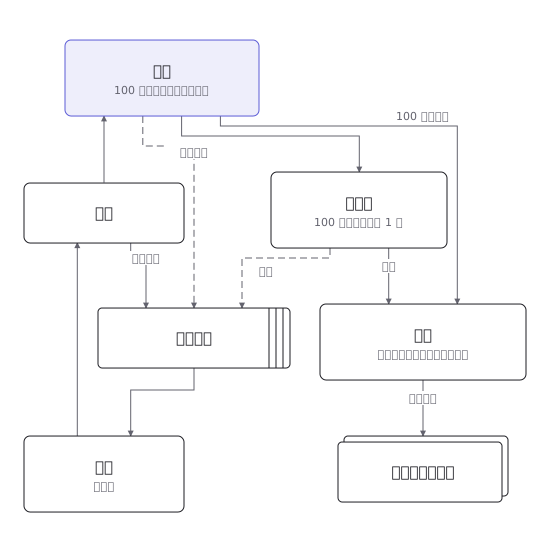 The route a written proposal takes through each rank of approval, including the conditions that send it back
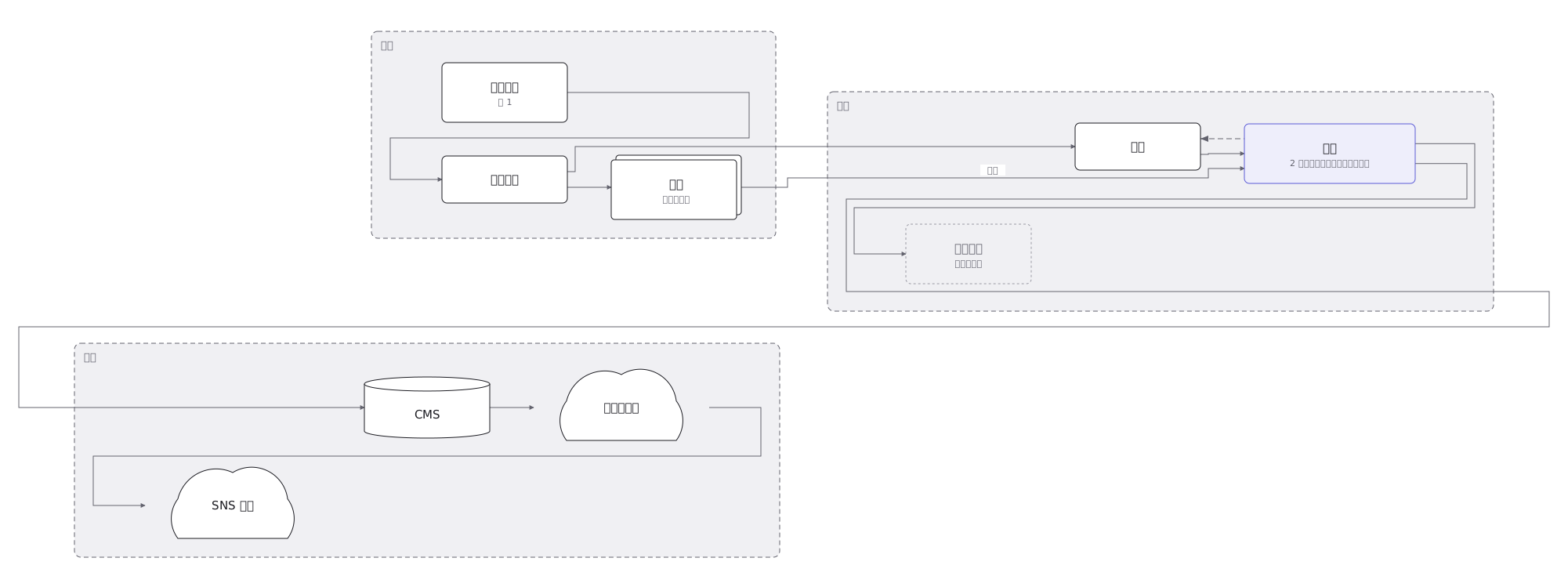 How an article gets made — commissioning, interview, writing, subediting, typesetting, publication — and the loops back when it is sent for rework
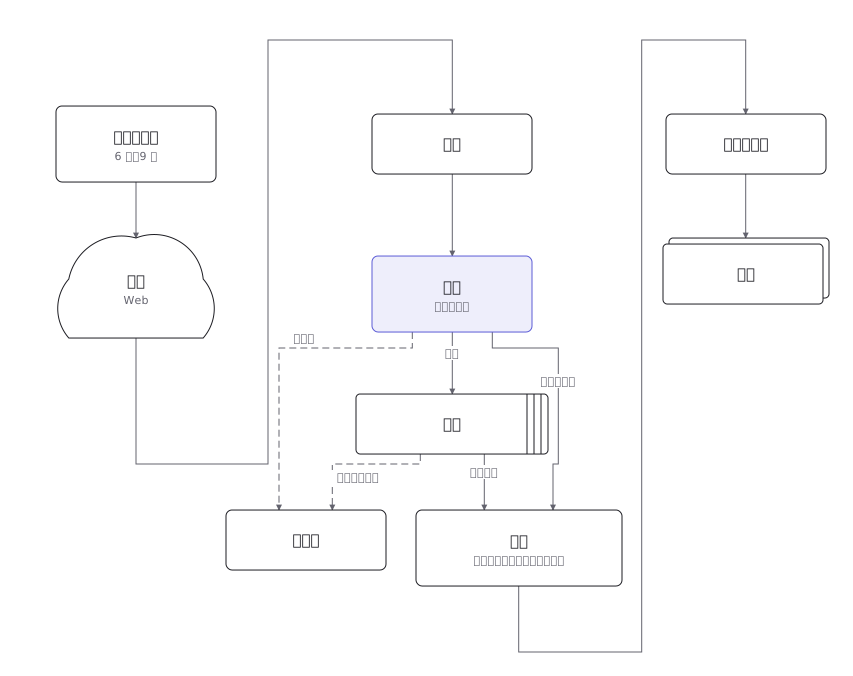 The path from application to enrolment — examination, results, admission procedures — with the deadline on every step
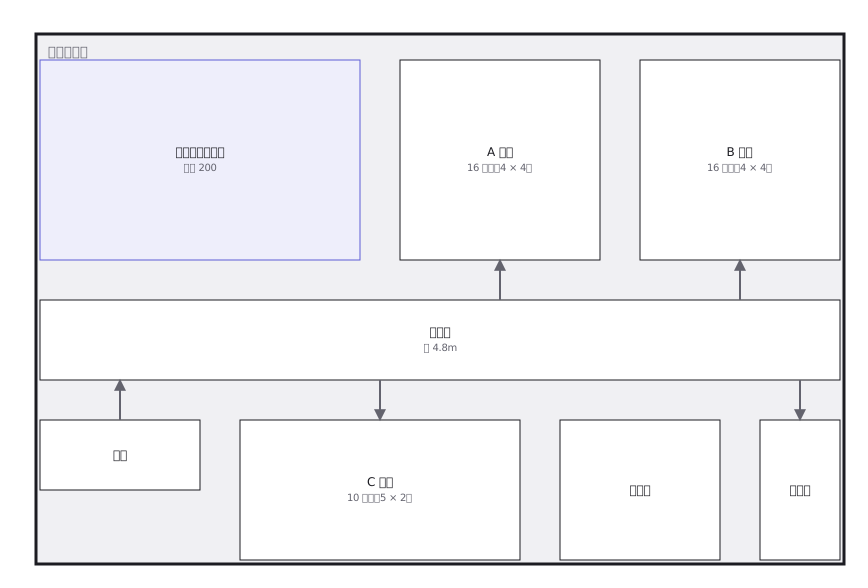 An exhibition hall divided into booths, with aisle widths and the position of reception, meeting space and the goods entrance
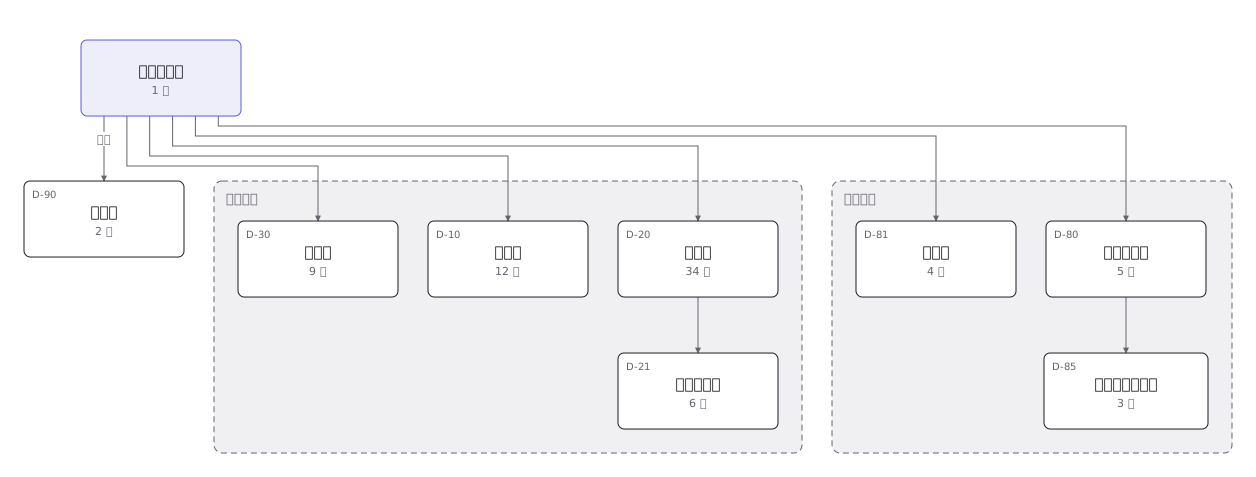 A company organisation chart down to section level, with headcount and remit written on each box
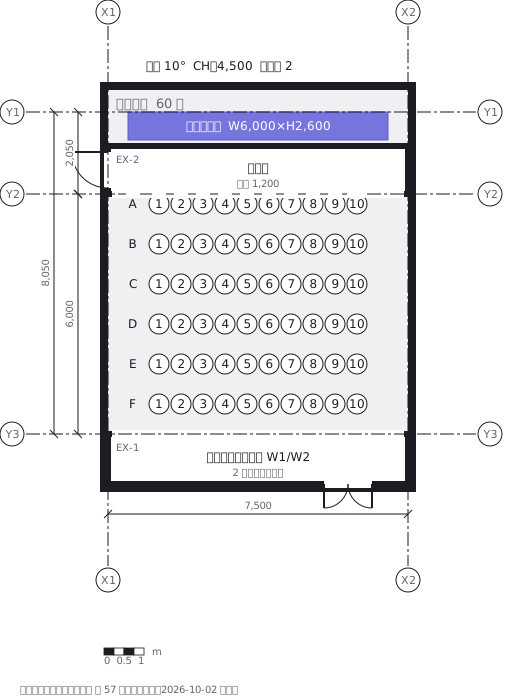 Seating plan, sixty seats and two wheelchair spaces
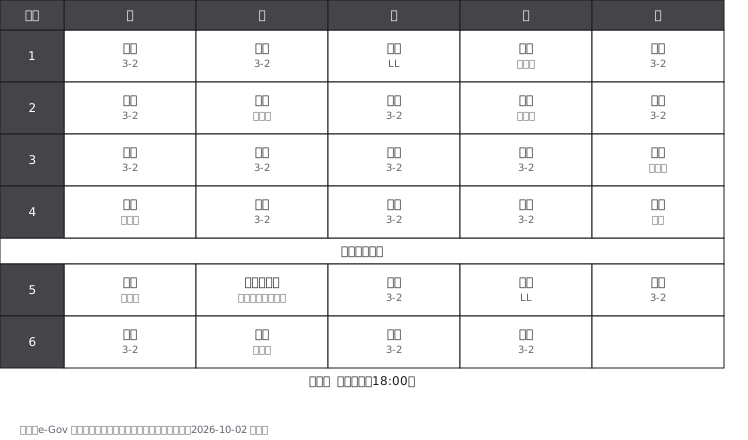 A lower secondary school week: periods down the side, days across the top, and the subject, room and teacher in each cell
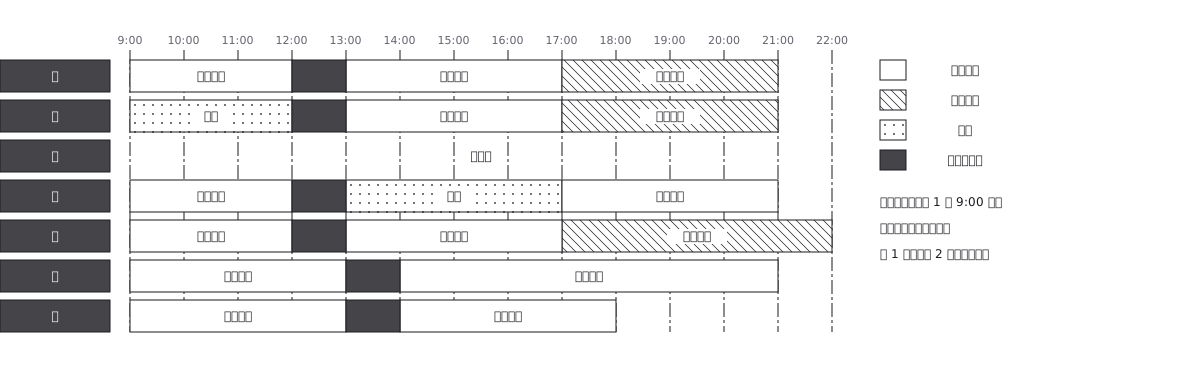 A sports hall opened by the week: time bands per day allocated between clubs, groups and individual use
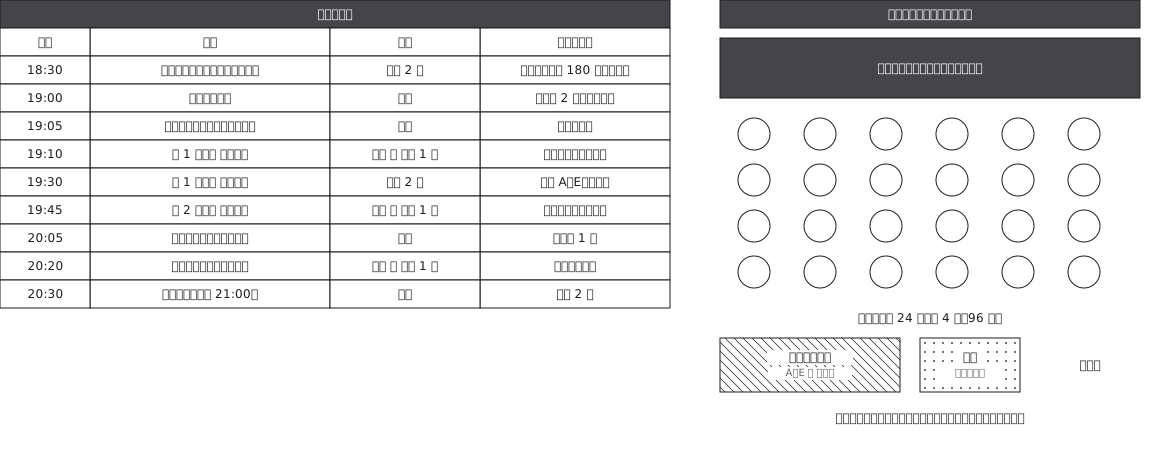 A running order for a bingo night with who does what at each time, plus the floor plan of the prize desk and the queue for checking cards
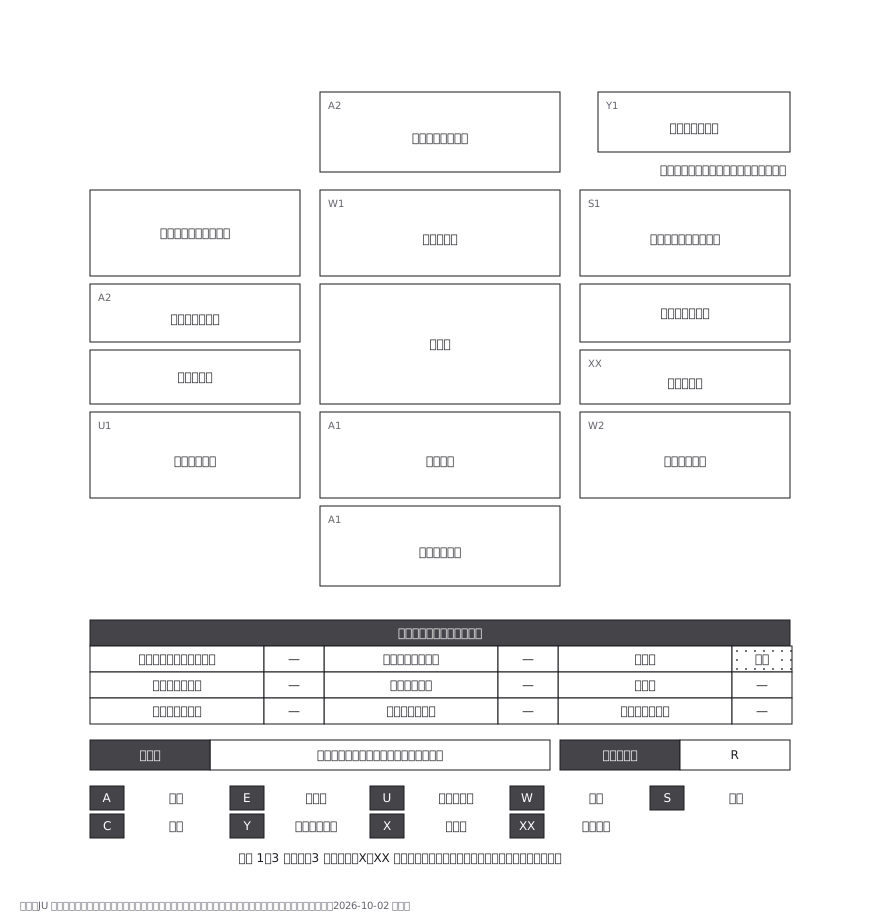 Used car appraisal: a body map and the deduction codes
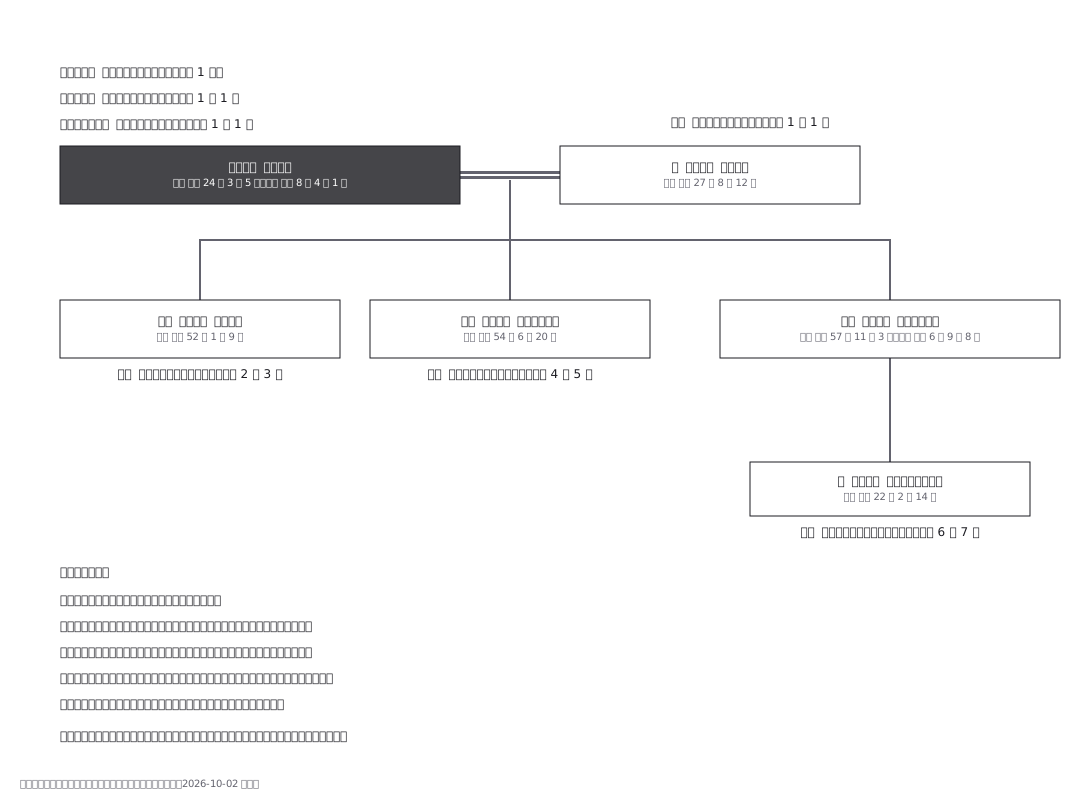 Family tree for probate: marriage doubled, descent single
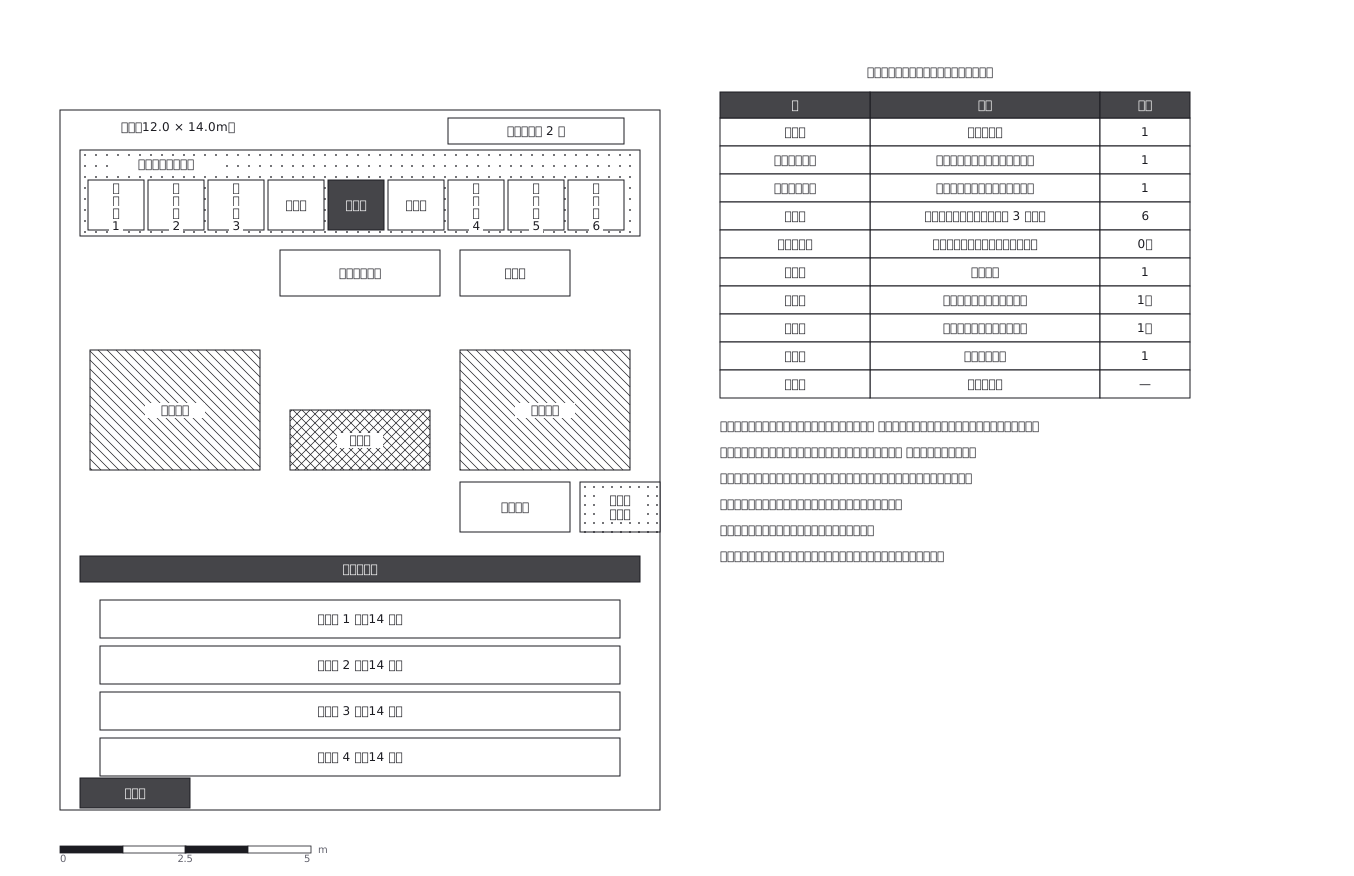 Courtroom: where you sit is what you are
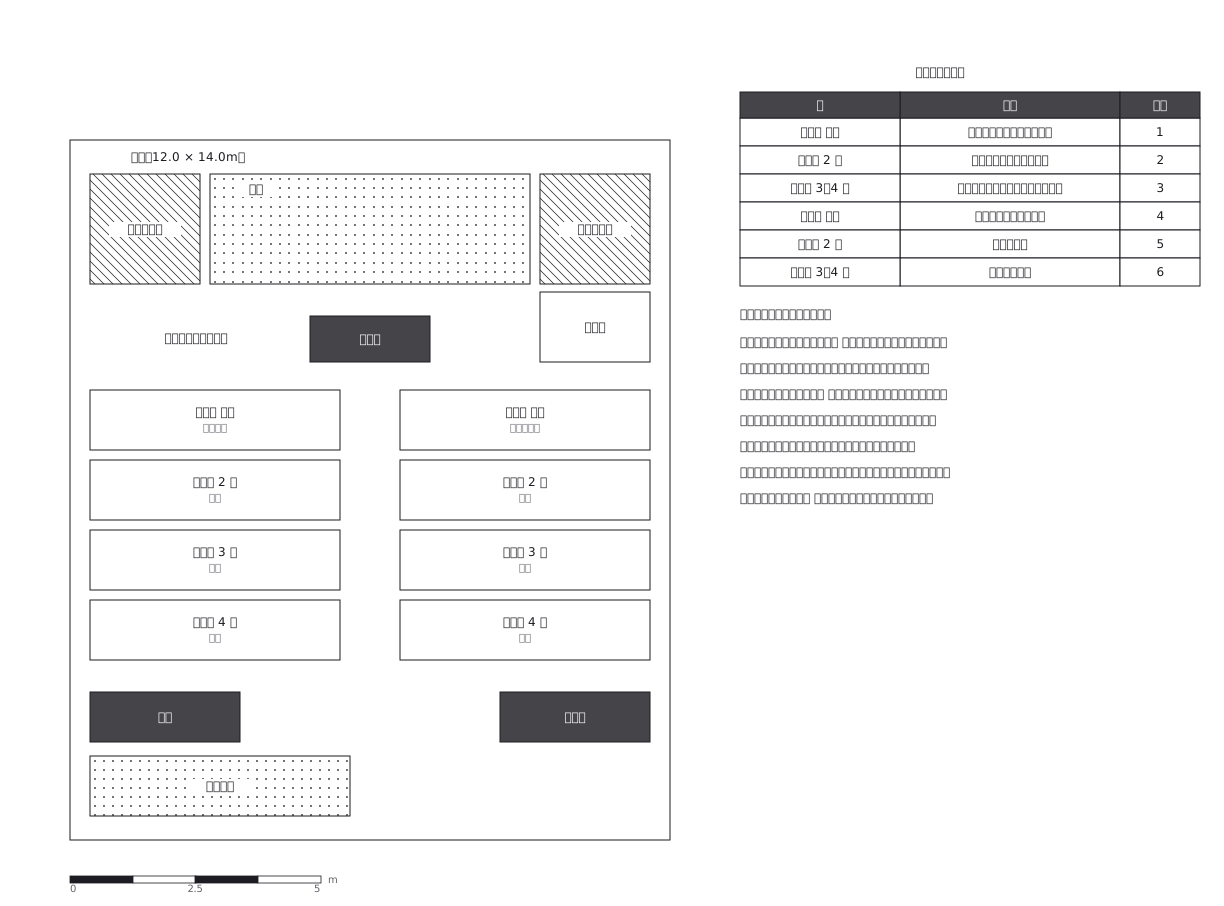 Funeral hall: the seating is the order of offering
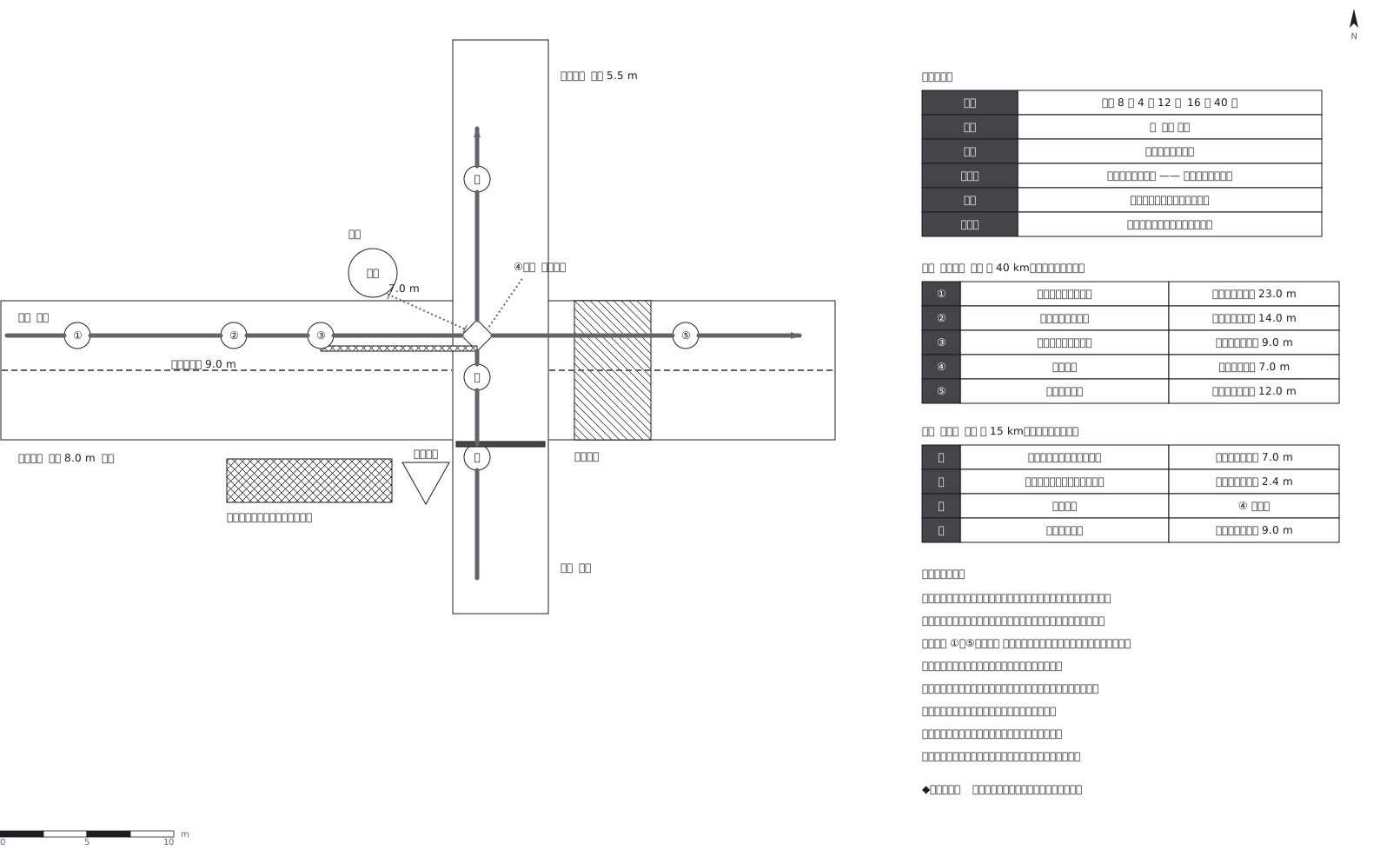 Collision scene: every dimension from one datum
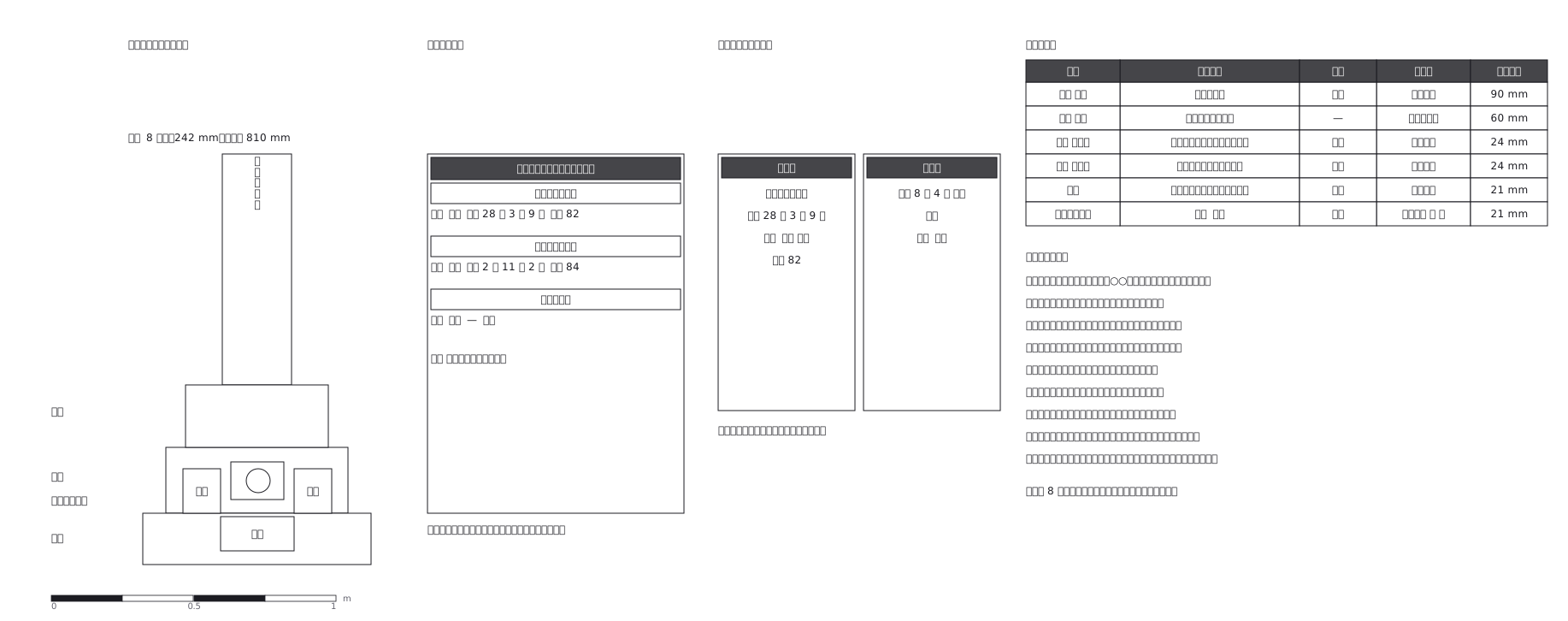 Gravestone engraving: the living are cut in red
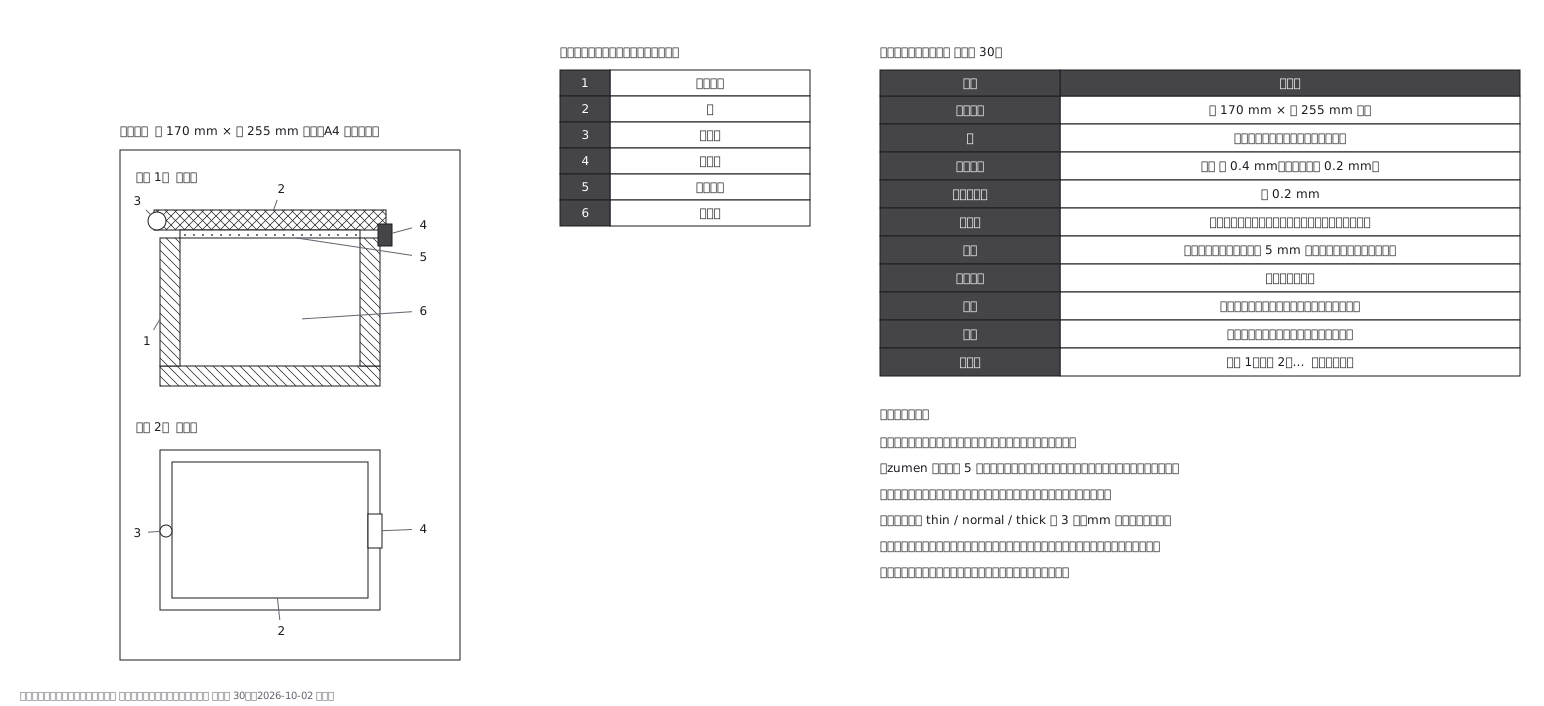 Patent drawings have rules of their own: line weights, margins, how reference numerals are attached and how figures are arranged
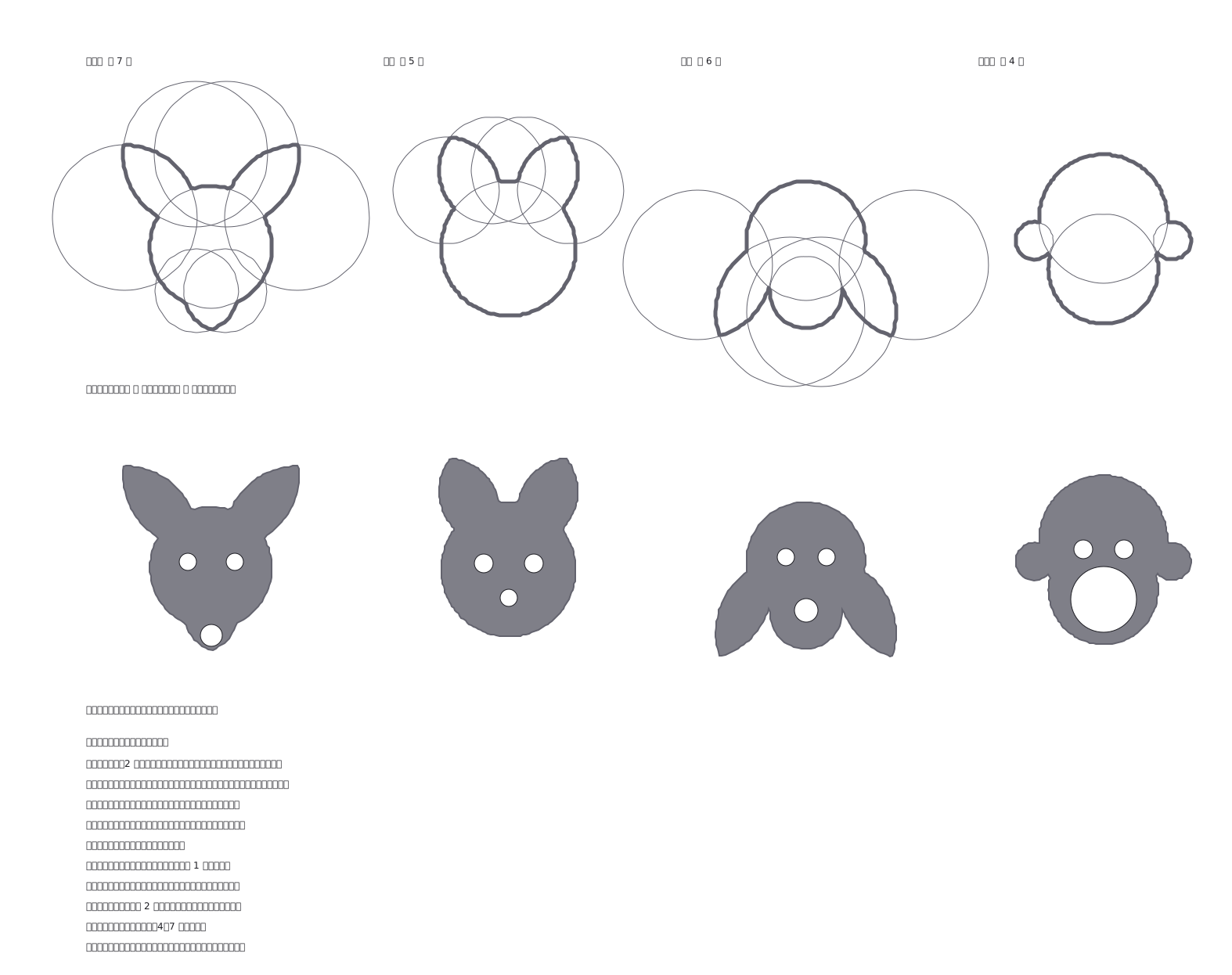 Four animal marks built from circles alone, where every sharp corner is the intersection of two of them
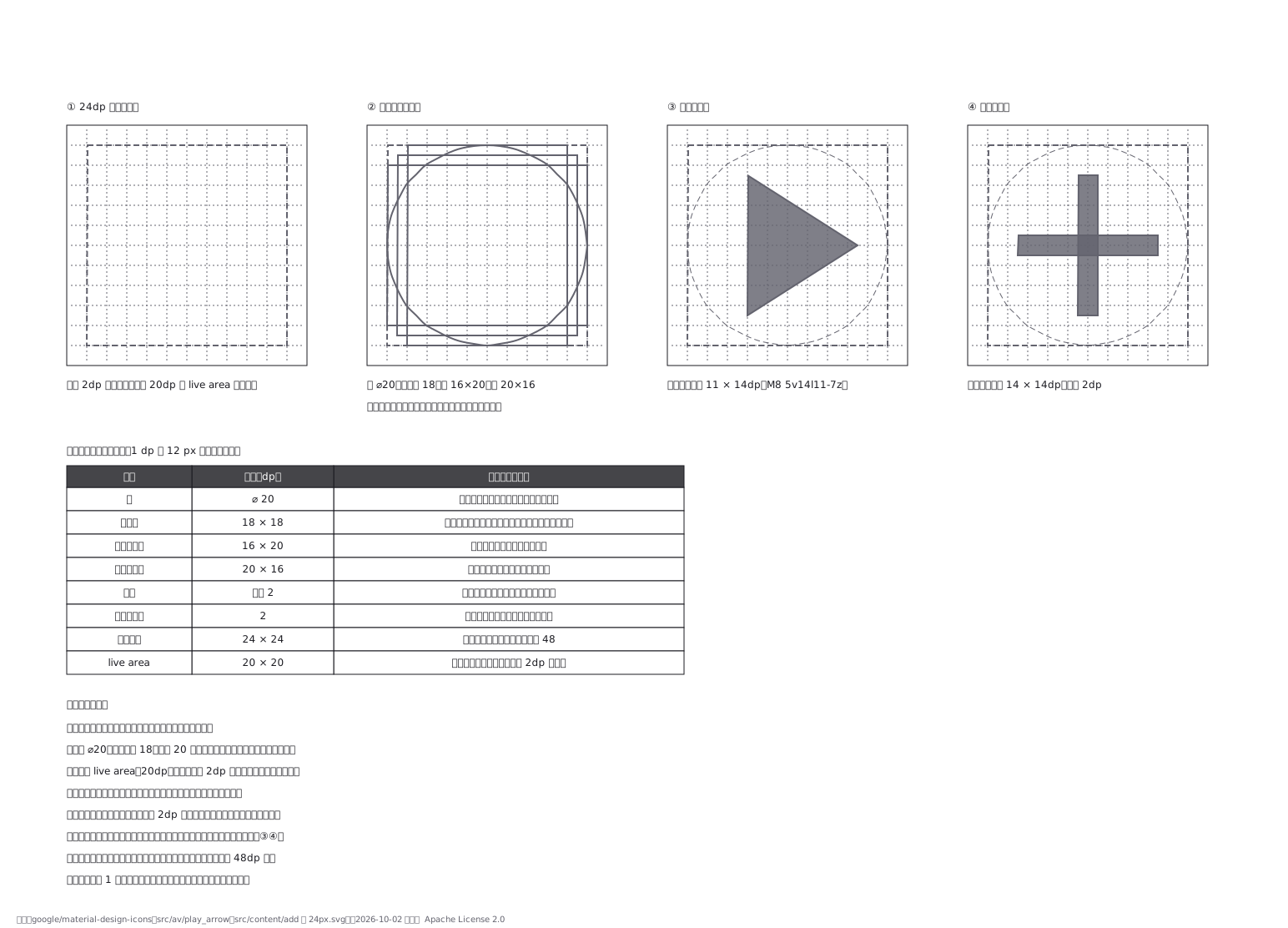 Icon keylines: what is matched is the size the eye sees
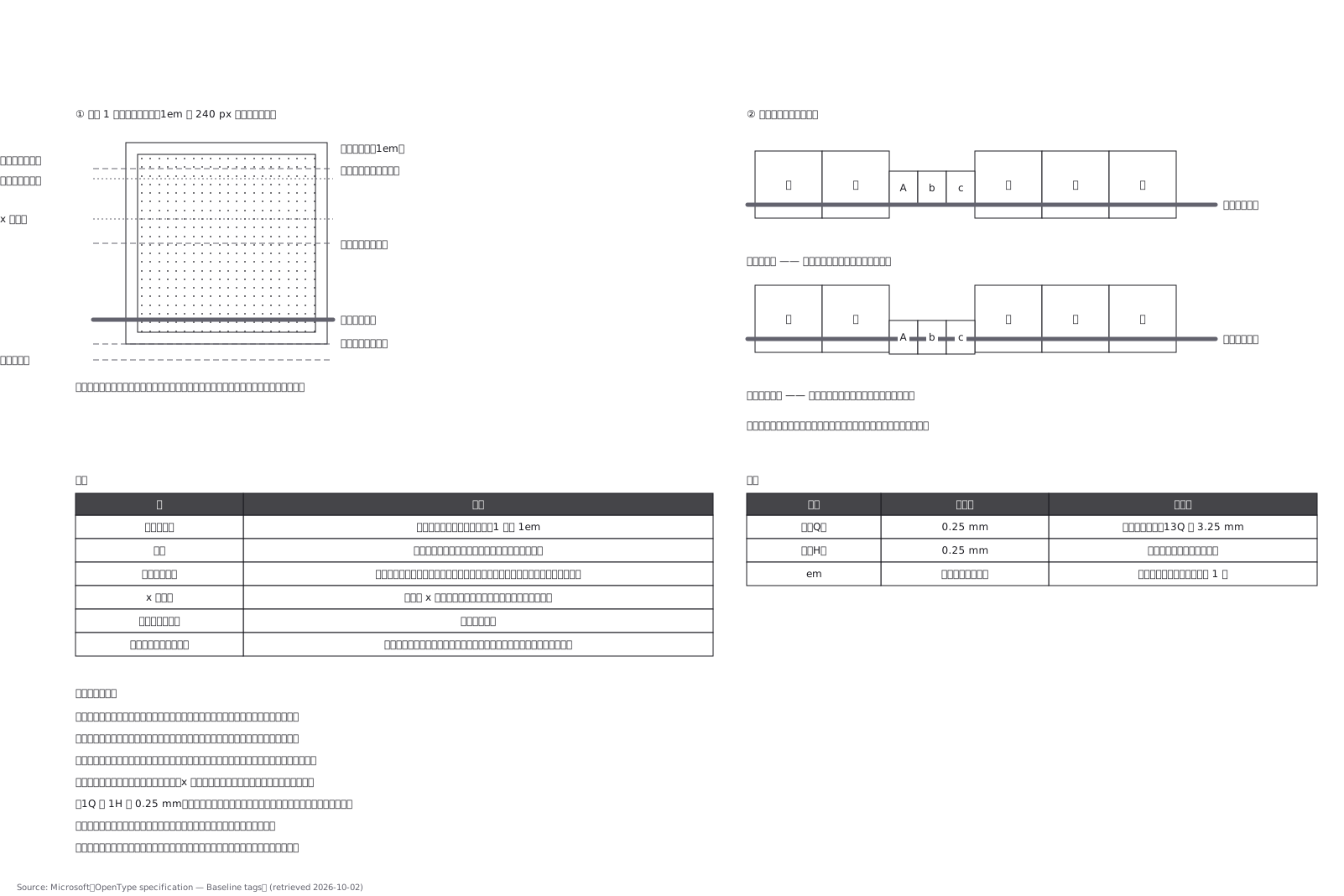 Mixing scripts: two typographies with different baselines
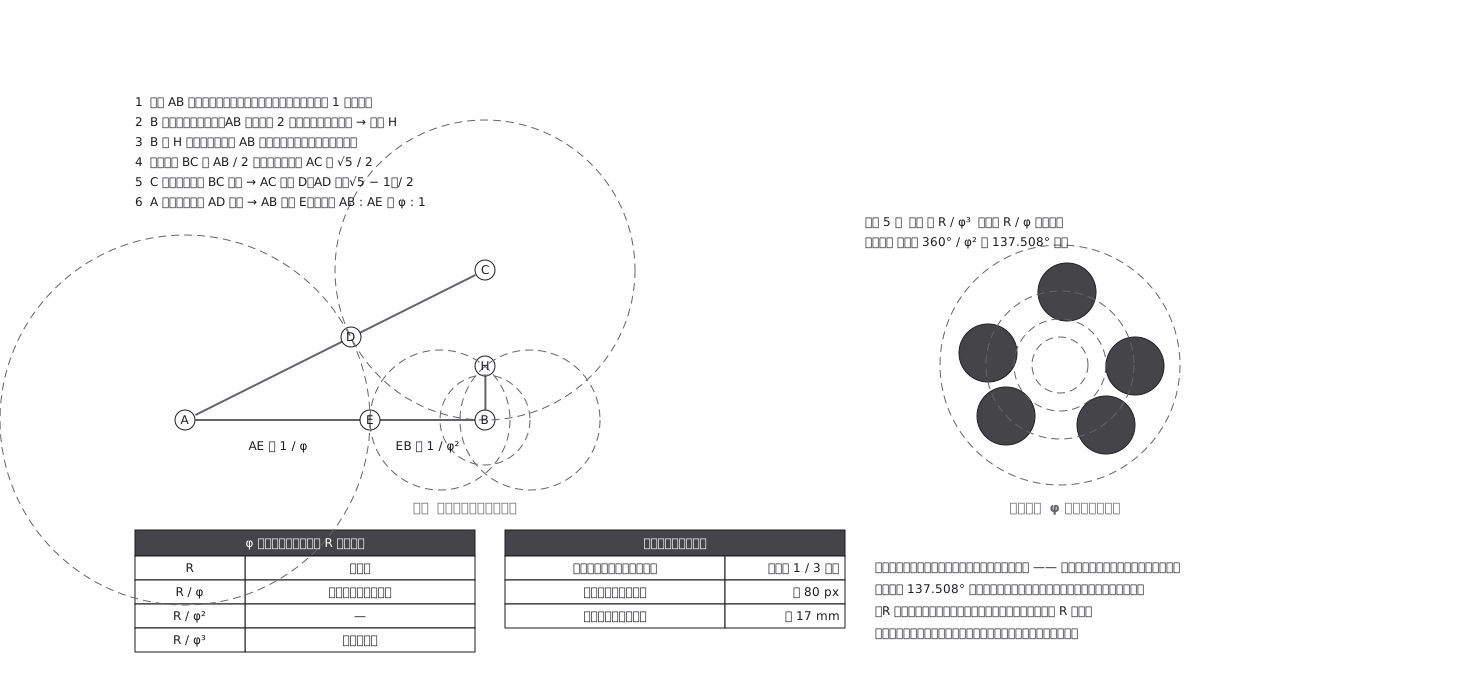 Logo construction from compass and straightedge
 A real logo with no coordinates in the source (5.4 KB)
 Laying out a family crest with compass divisions
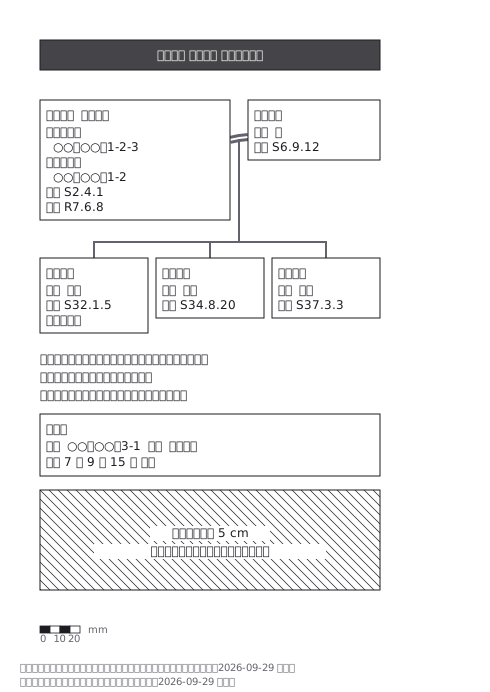 Statutory heir chart: the bottom 5 cm is left for the registry stamp
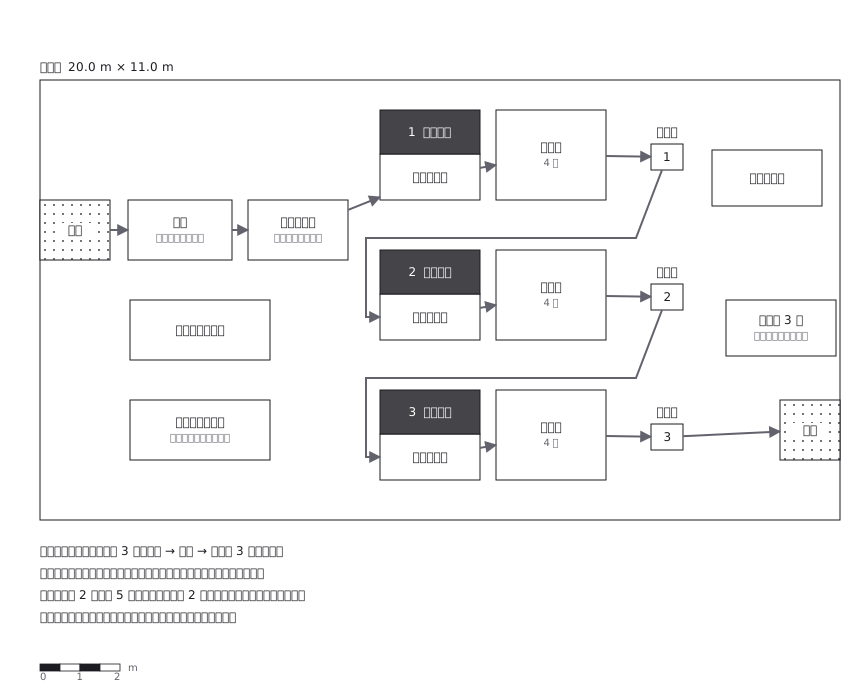 Polling station: three ballots, so nobody may double back
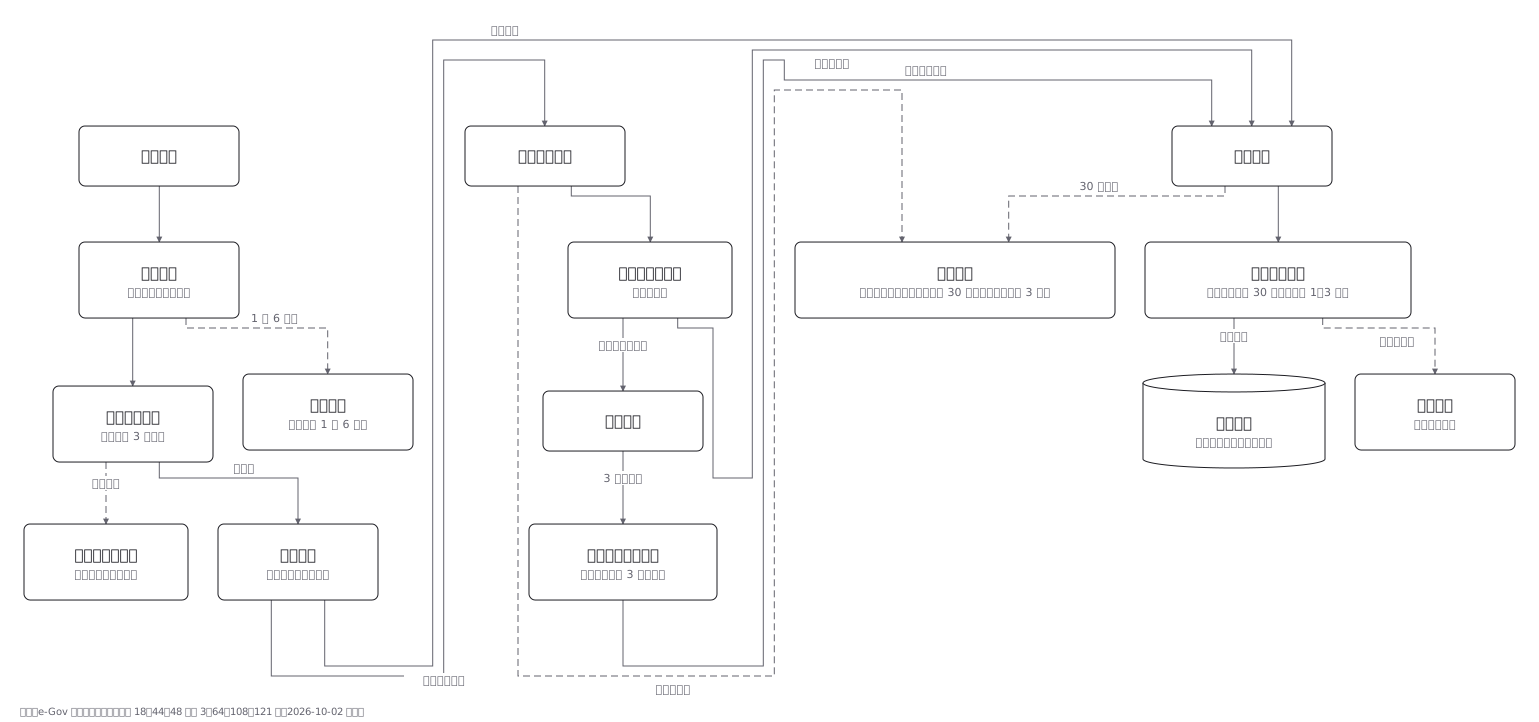 Japanese patent procedure is a chain of deadlines rather than steps: no examination request within three years and the application is deemed withdrawn, and a granted decision is still not a right until the first three years of fees are paid within thirty days
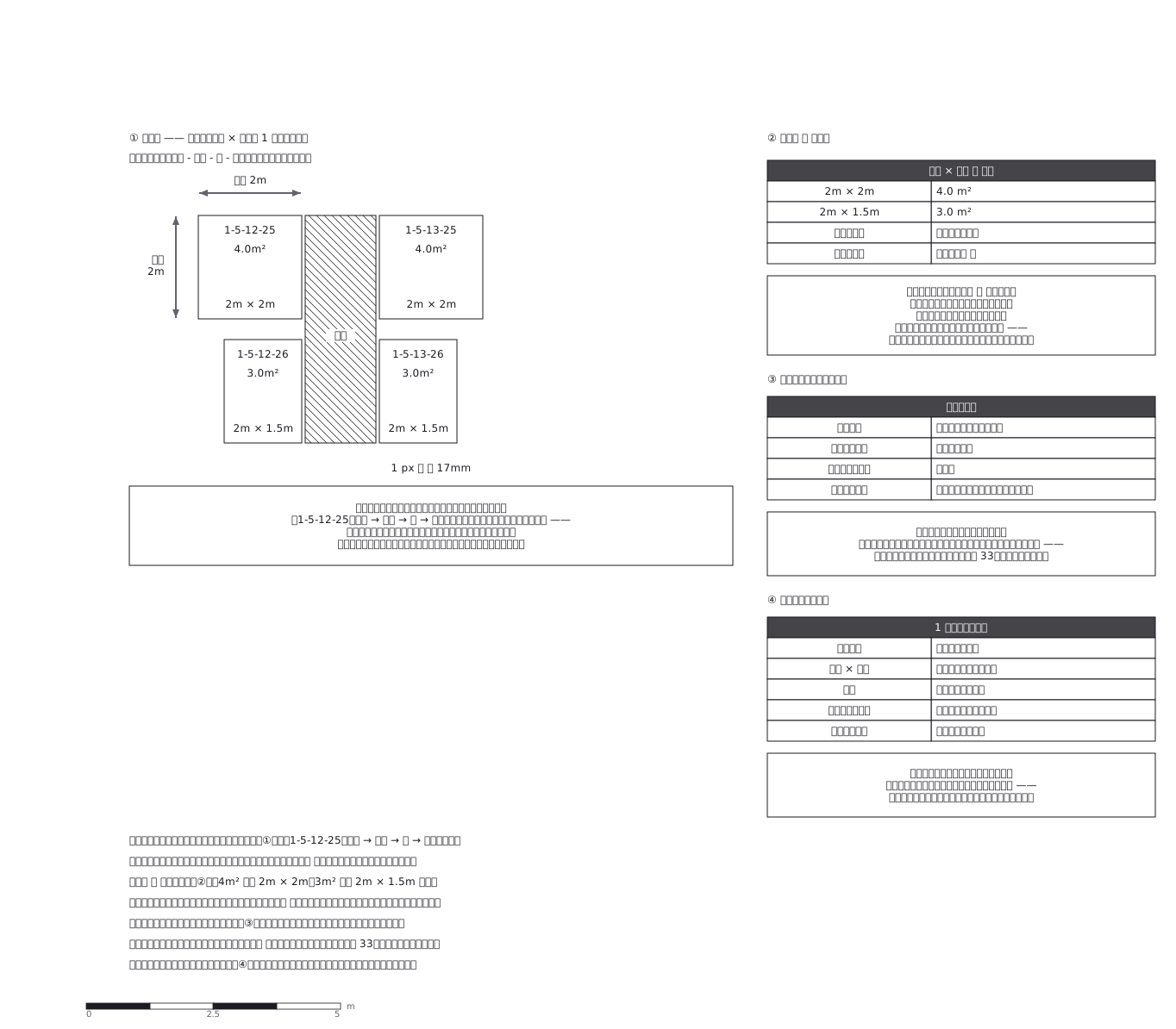 The plot number is not an address but a route — block, section, row, number — because a cemetery keeps adding plots for decades and a flat numbering would have to be redone each time; and what is bought is the right to use, not the land
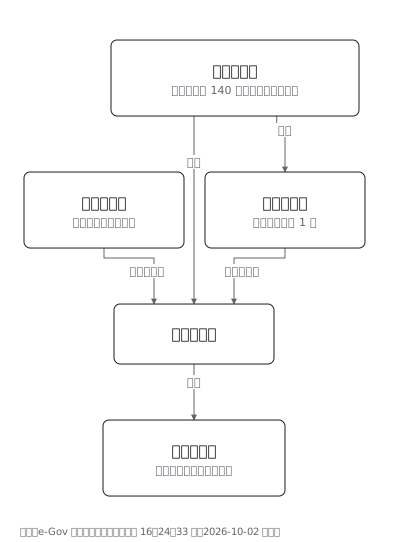 Three instances does not mean the same three courts: a small civil claim starting at a summary court is appealed to a district court and goes no further than a high court, while a criminal case from the same summary court goes to the high court and then the supreme court
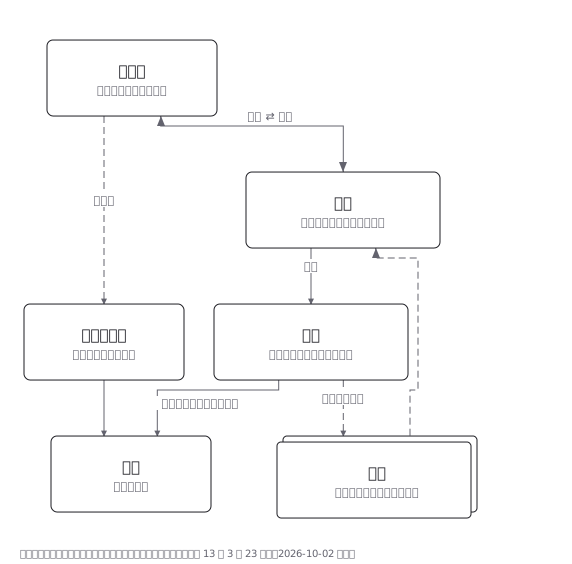 Bookshops in Japan never bought the books on their shelves: the trade runs on consignment, so unsold copies travel back up the same chain, and the wholesaler in the middle is really a bank — paying publishers in advance against sales that have not happened and deferring collection from the shops
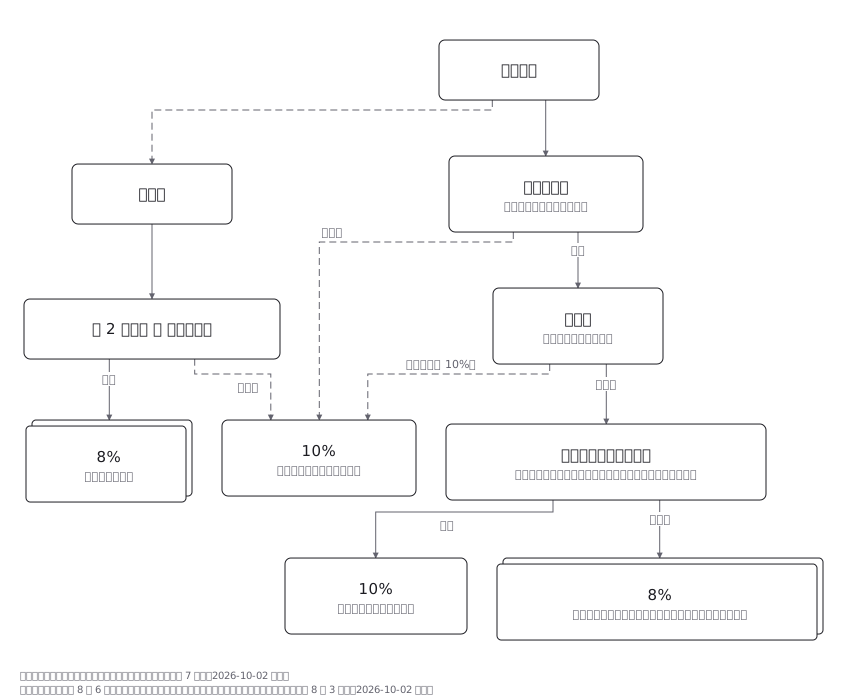 The same hamburger is taxed at 8% or 10% depending on a single question at the till, because the line is not drawn around the goods but around whether there are tables and chairs — and a newspaper follows the subscription, not the paper
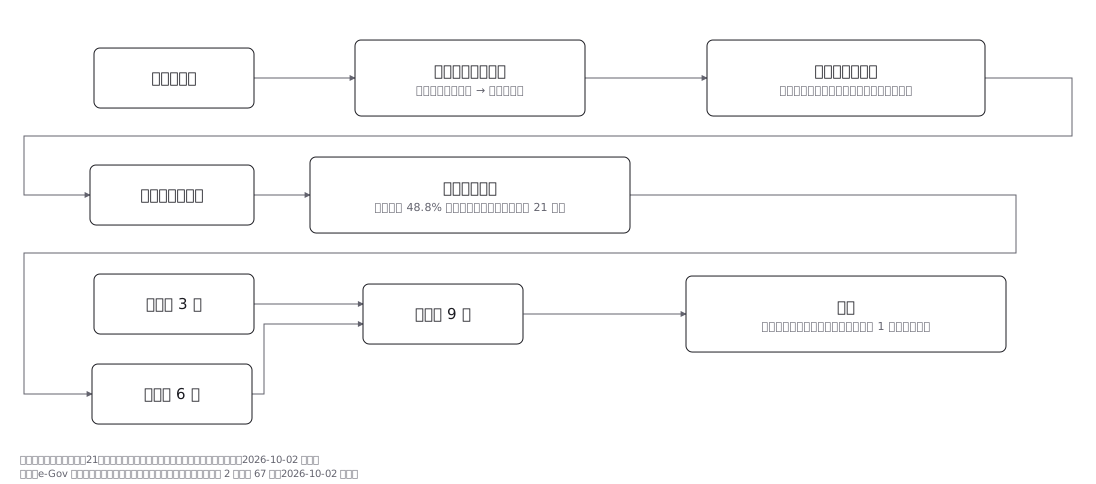 Six lay judges sit with three professional judges, and a verdict needs more than a majority of the nine: at least one lay judge and at least one professional judge must be among those in favour. So six lay judges agreeing unanimously still decides nothing if no professional judge agrees, and the reverse holds too — it looks like a vote but neither side can move it alone.
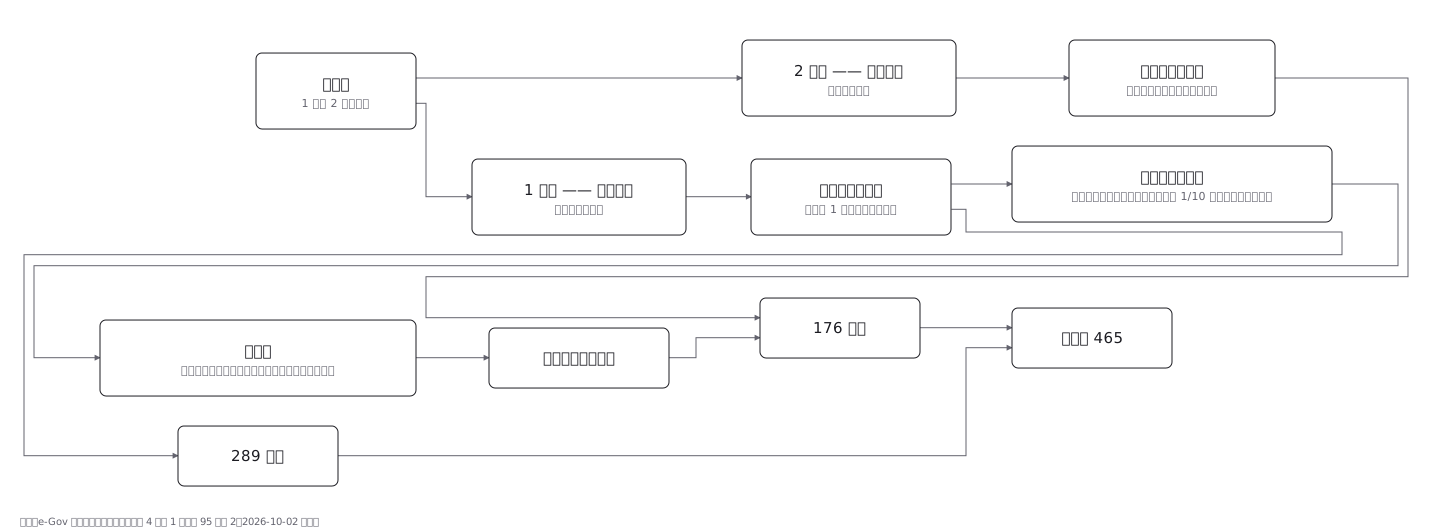 Each voter casts two ballots, one for a candidate in a single-member district and one for a party list, and the two are counted separately into 289 and 176 seats. They are not sealed off from each other: a party may enter the same person in both, so a candidate beaten in the district can still be revived from the list — and among equally ranked names, the closer the defeat, the better the chance.